Subtraction practice Building Vocabulary Worksheets for Ages 3-8
4 filtered results
-
From - To
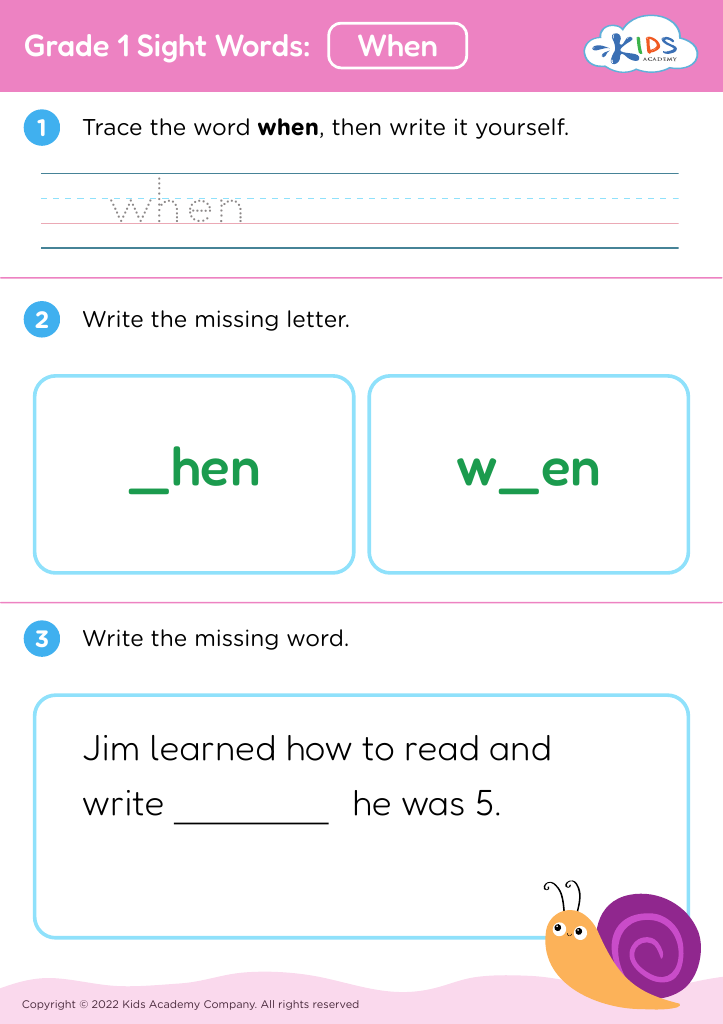
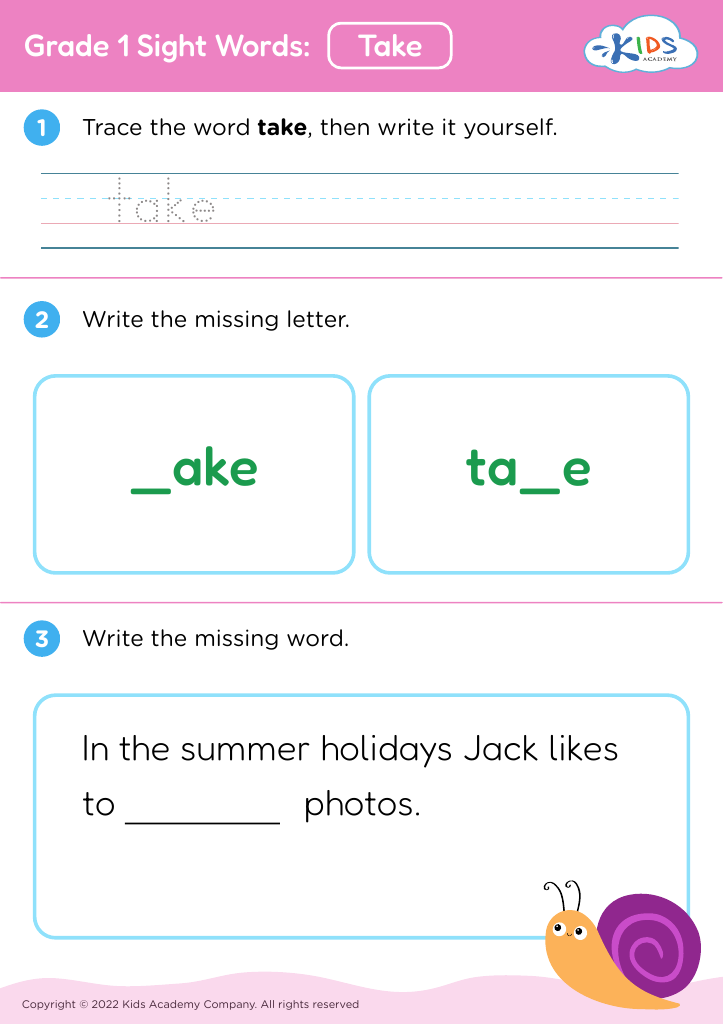
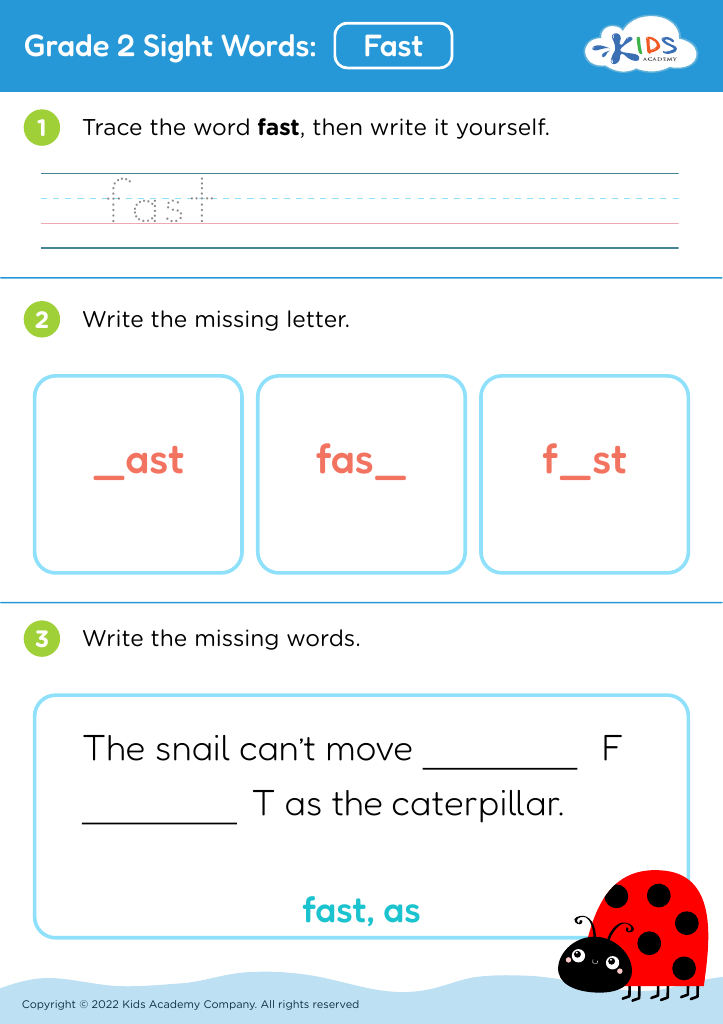
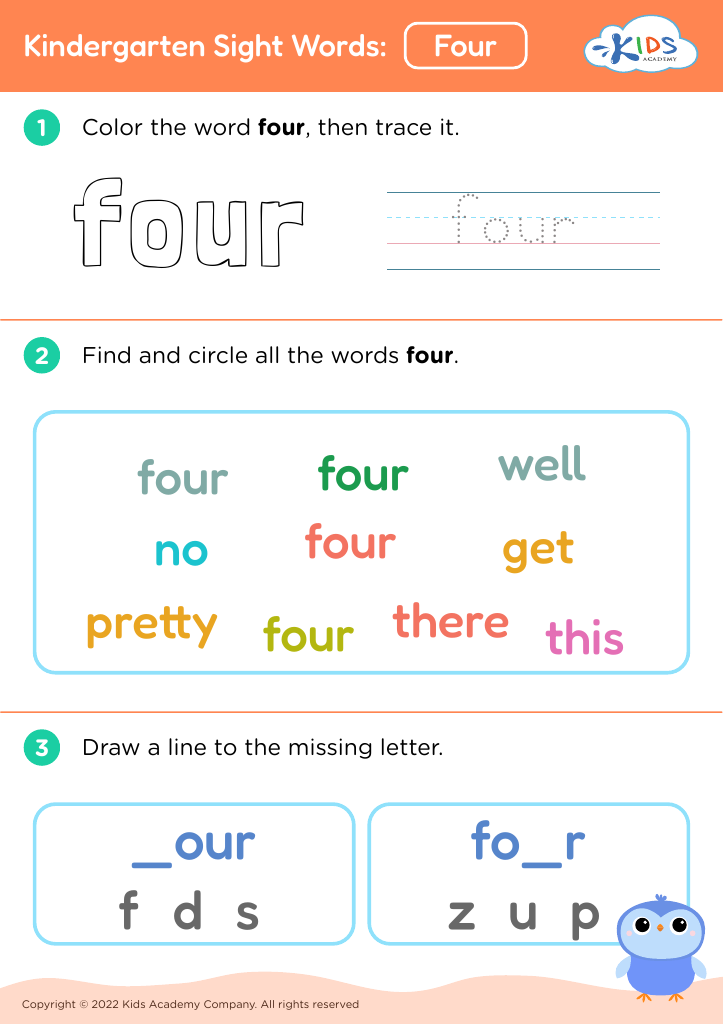
Our "Subtraction Practice Building Vocabulary Worksheets for Ages 3-8" blend essential math skills with engaging language activities. Tailored for young learners, these worksheets improve subtraction fluency while enhancing vocabulary knowledge. With visually appealing designs and interactive tasks, children solve subtraction problems while simultaneously expanding their word understanding. Ideal for both classrooms and home learning, our materials support foundational numeracy and literacy growth, ensuring a well-rounded educational experience. Perfect for ages 3-8, these practice sheets align with early learning standards, providing a fun and effective way to build key academic competencies in young minds.















.jpg)



Caring about subtraction practice and building vocabulary for children aged 3-8 is crucial for foundational development in both numeracy and literacy skills. Subtraction practice helps children understand the concept of "taking away," which is a fundamental math operation that forms the basis for more complex arithmetic in later grades. Learning to subtract at an early age enhances problem-solving skills and critical thinking abilities. Engaging, age-appropriate subtraction exercises support cognitive development and foster a positive attitude towards math, making children more confident learners.
Simultaneously, building vocabulary is integral to language development. A rich vocabulary allows children to communicate effectively, understand instructions, and express their thoughts and feelings more clearly. When children learn new words, they improve their reading comprehension, listening skills, and overall literacy. Combining subtraction practice with vocabulary building can make learning more interdisciplinary, reinforcing concepts through varied contexts. For instance, word problems that incorporate new vocabulary can make math more relatable and easier to grasp.
Parents and teachers should prioritize these practices to ensure balanced cognitive growth and prepare children for future academic challenges. Just as a strong foundation in math is essential for future coursework, a robust vocabulary sets the stage for lifelong learning and effective communication.








