Addition Practice Reading Worksheets for Ages 3-8
8 filtered results
-
From - To
Elevate your child's learning with our engaging Addition Practice Reading Worksheets designed for ages 3-8! These fun and interactive worksheets blend mathematics and literacy, helping young learners enhance their addition skills while promoting reading comprehension. Each worksheet features colorful graphics and relatable scenarios, making math exciting and accessible. Perfect for classrooms or home learning, our resources support various learning styles and promote independent practice. With clear instructions and progressive difficulty levels, kids can build confidence in their abilities. Empower your little ones to explore the world of numbers through these creative addition practice worksheets that will spark their curiosity and love for learning!
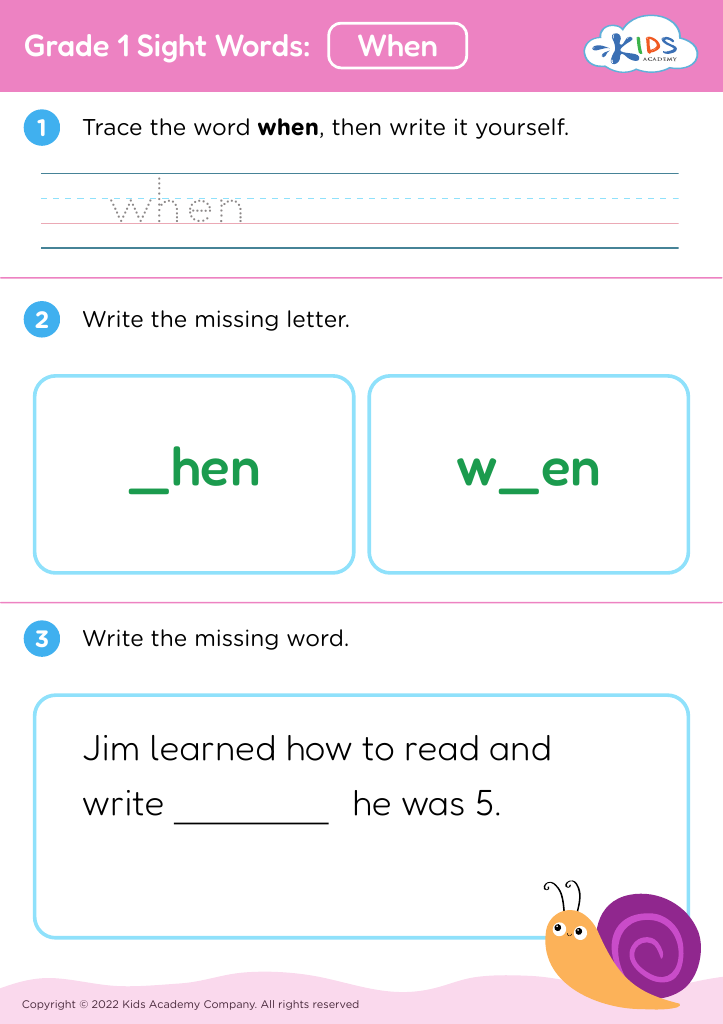
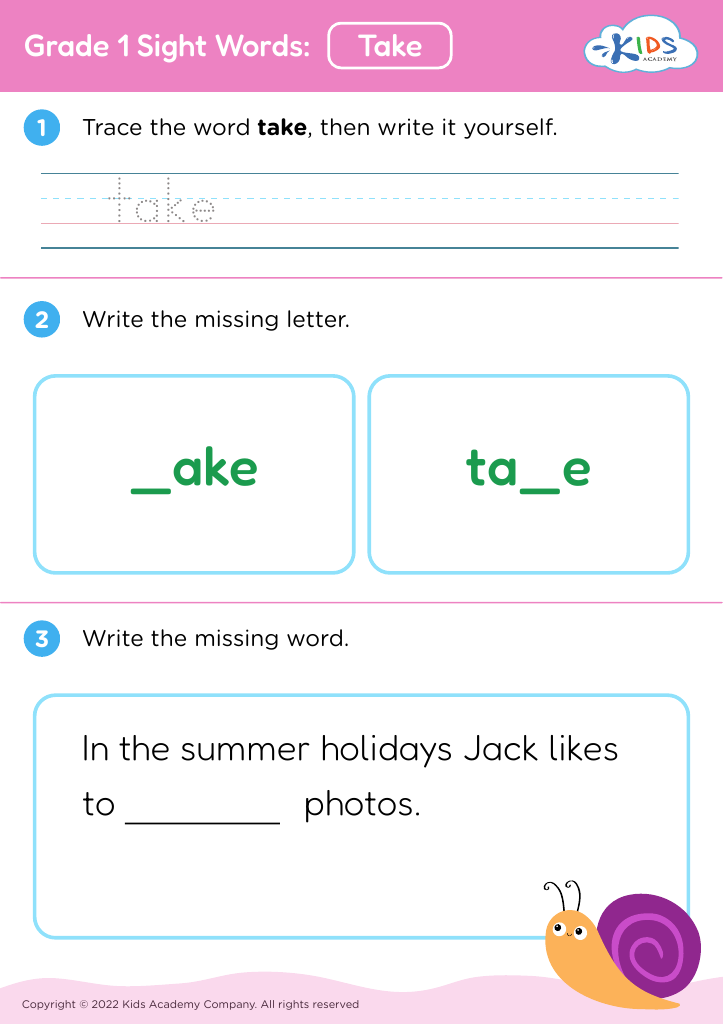
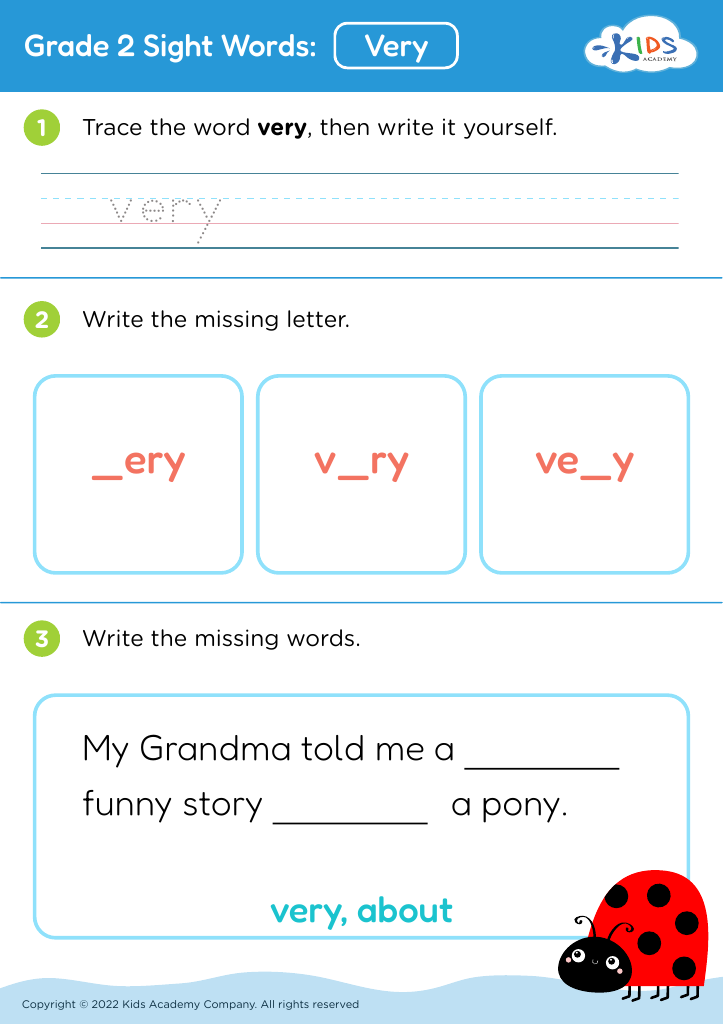
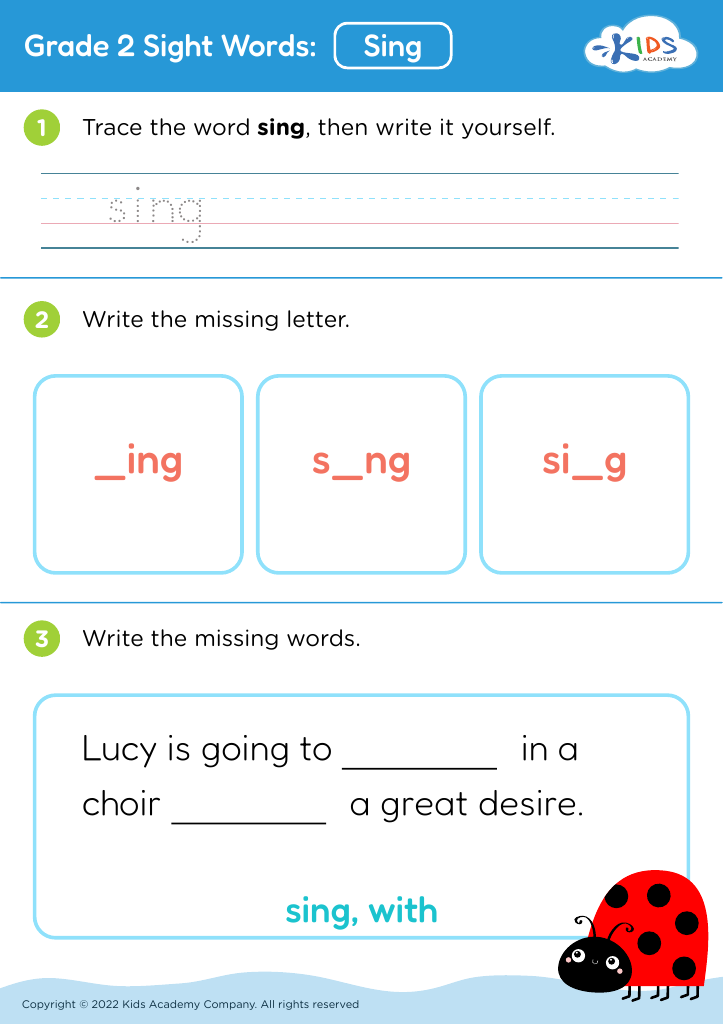
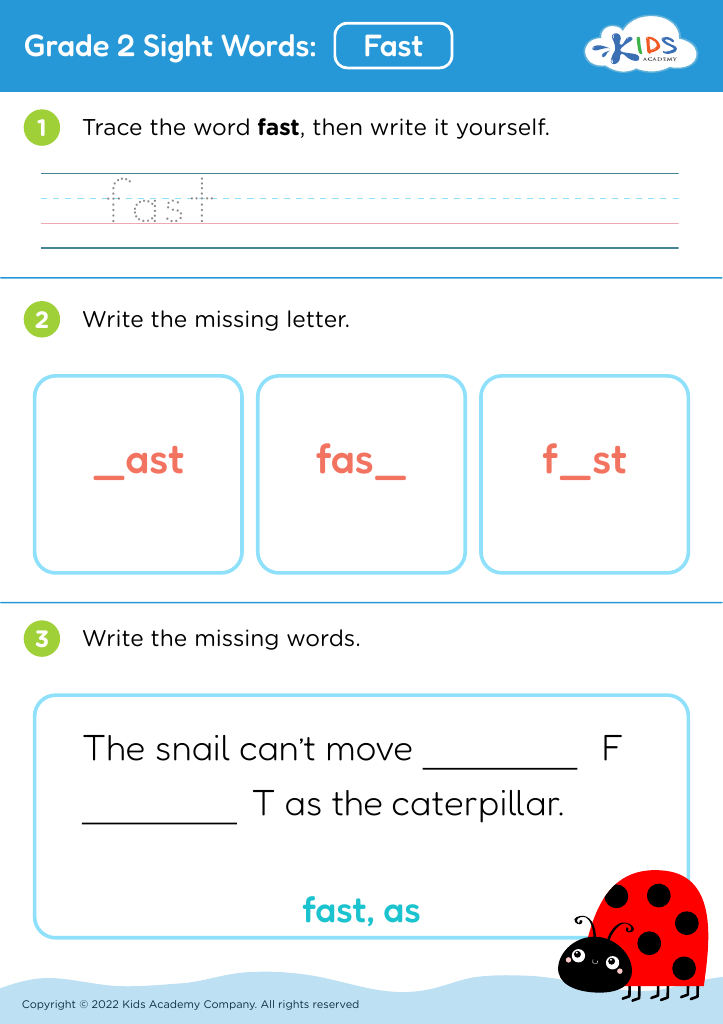
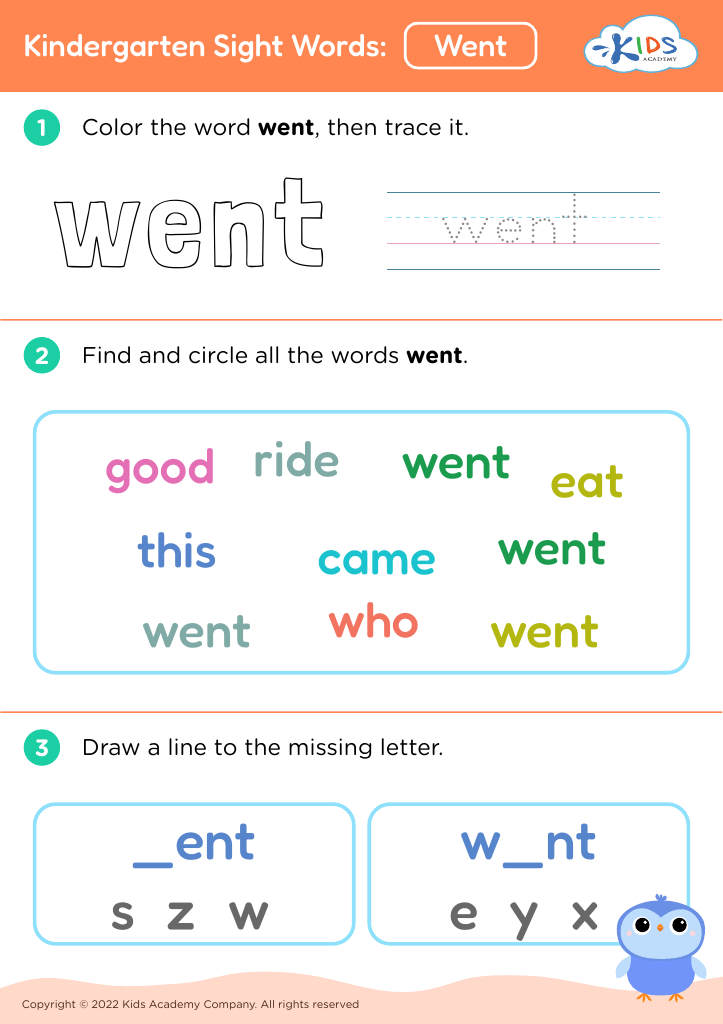
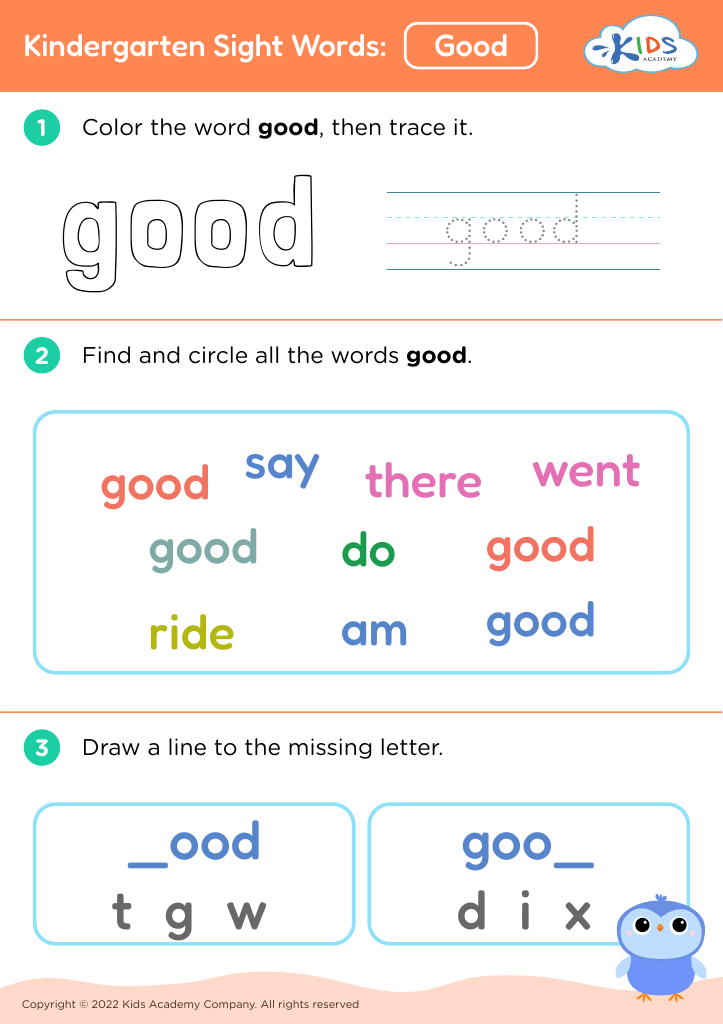
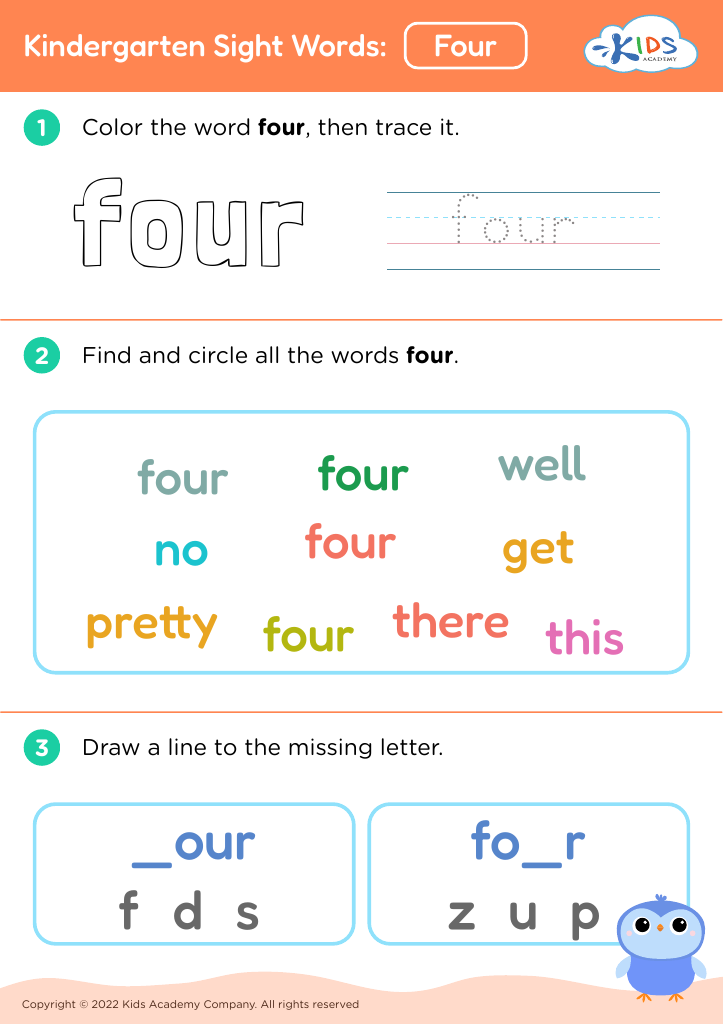







Addition practice reading for ages 3-8 is essential for several reasons. First, it builds foundational math skills that children will use throughout their education and daily lives. Early exposure to addition helps develop number sense, enabling kids to understand quantities and relationships between numbers. When coupled with reading, these activities promote critical thinking as children begin to decode math problems through word problems, bridging literacy and numeracy.
Furthermore, engaging addition practice ensures kids develop persistence and problem-solving skills. As they encounter challenges, they learn to think creatively and tackle problems, a valuable skill set for future academic success. Combining reading with math reinforces comprehension abilities—reading math questions can enhance understanding and foster a love for learning.
Involving parents and teachers in this process fosters a collaborative learning environment. Parents can help reinforce these skills at home, making learning more enjoyable, while teachers can introduce engaging strategies and resources to sustain students' interest. Ultimately, by prioritizing addition practice reading, caregivers create well-rounded learners who are equipped with essential tools for future academic growth. This approach not only suits children’s developmental readiness but also instills confidence, curiosity, and a positive attitude towards both mathematics and reading.








