Animal recognition Reading Worksheets for Ages 3-8
5 filtered results
-
From - To
Discover our engaging Animal Recognition Reading Worksheets, designed for children ages 3-8. These fun, interactive worksheets help young learners identify and name various animals while enhancing their reading skills. With a variety of activities, including matching, coloring, and tracing, children will develop a love for reading and an understanding of the animal kingdom. Perfect for home or school use, our worksheets foster creativity and promote early literacy through playful learning experiences. Support your child’s educational journey and spark their curiosity about animals with our thoughtfully designed resources! Explore our collection today and watch their reading skills flourish.
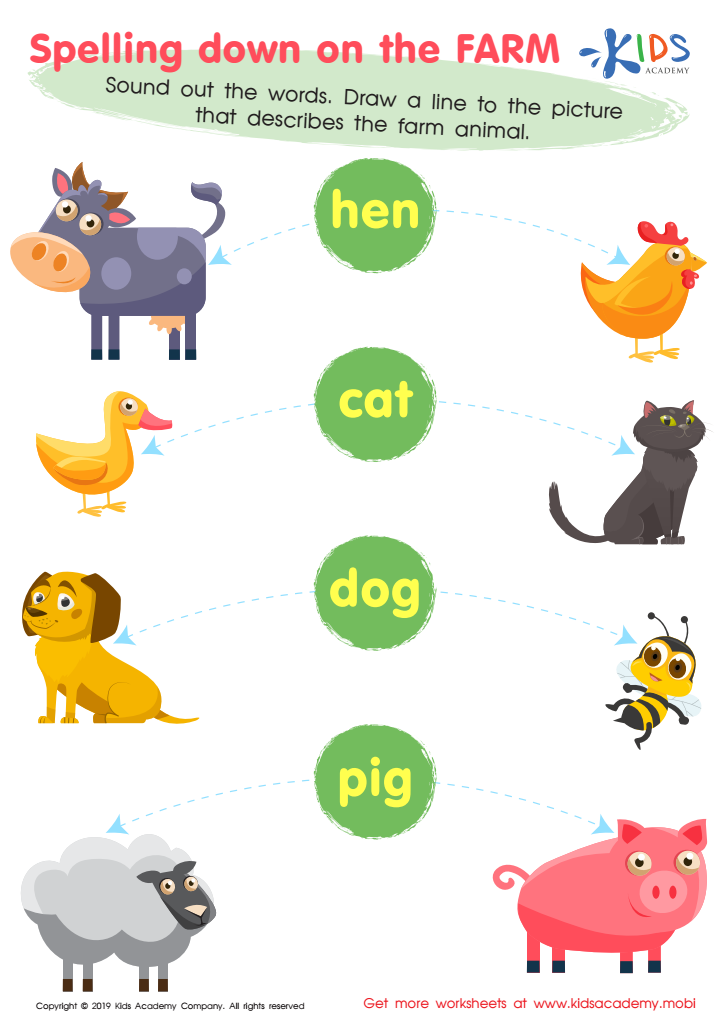
Spelling Down on the Farm Worksheet
 Assign to My Students
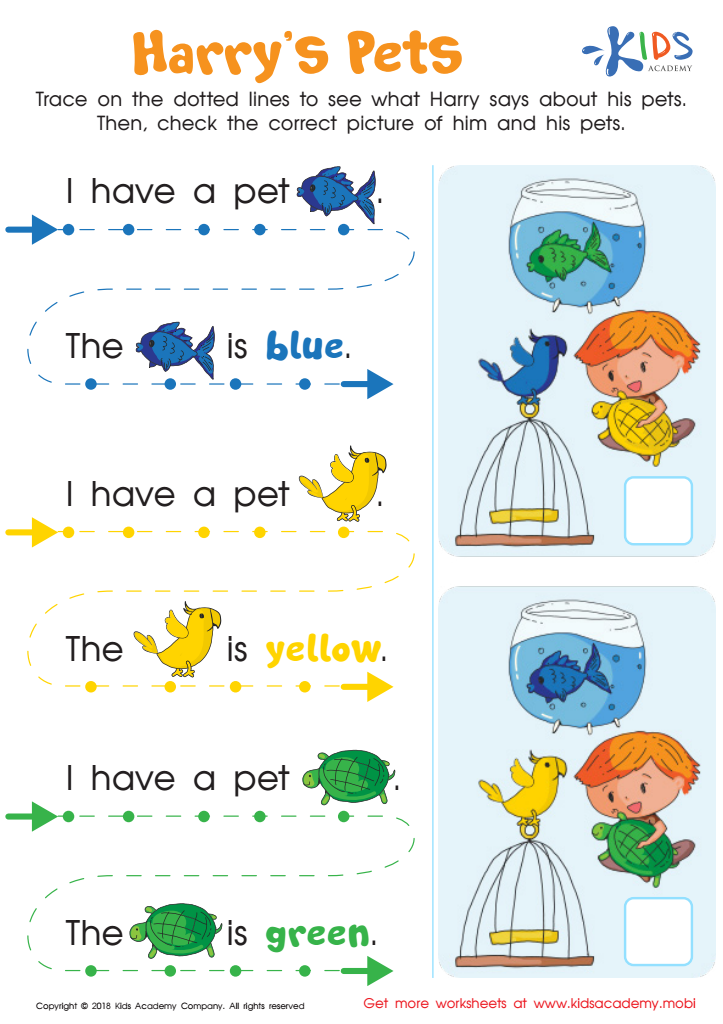
Read from Left to Right: Harry's Pets Worksheet
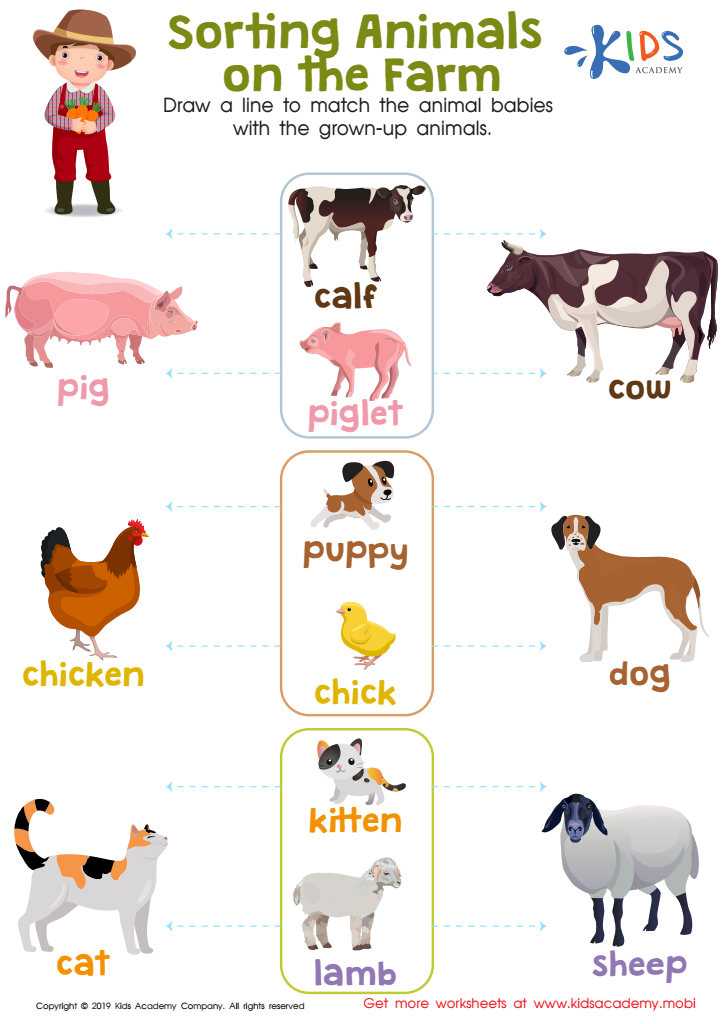
Sorting Animals on the Farm Worksheet
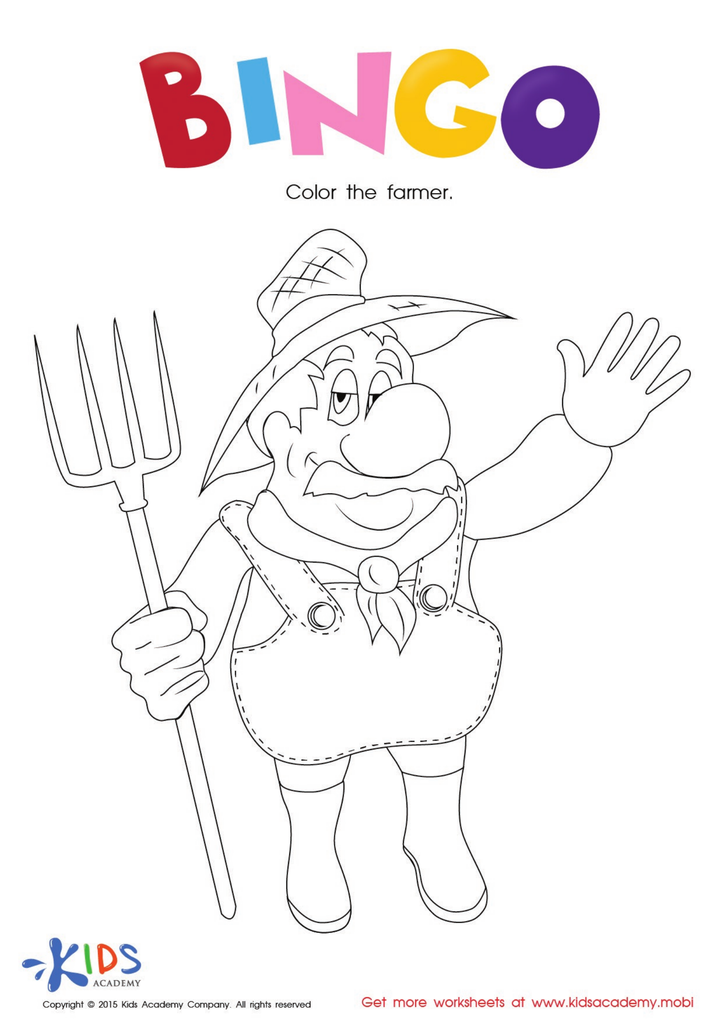
The Bingo Song: Coloring The Farmer Worksheet
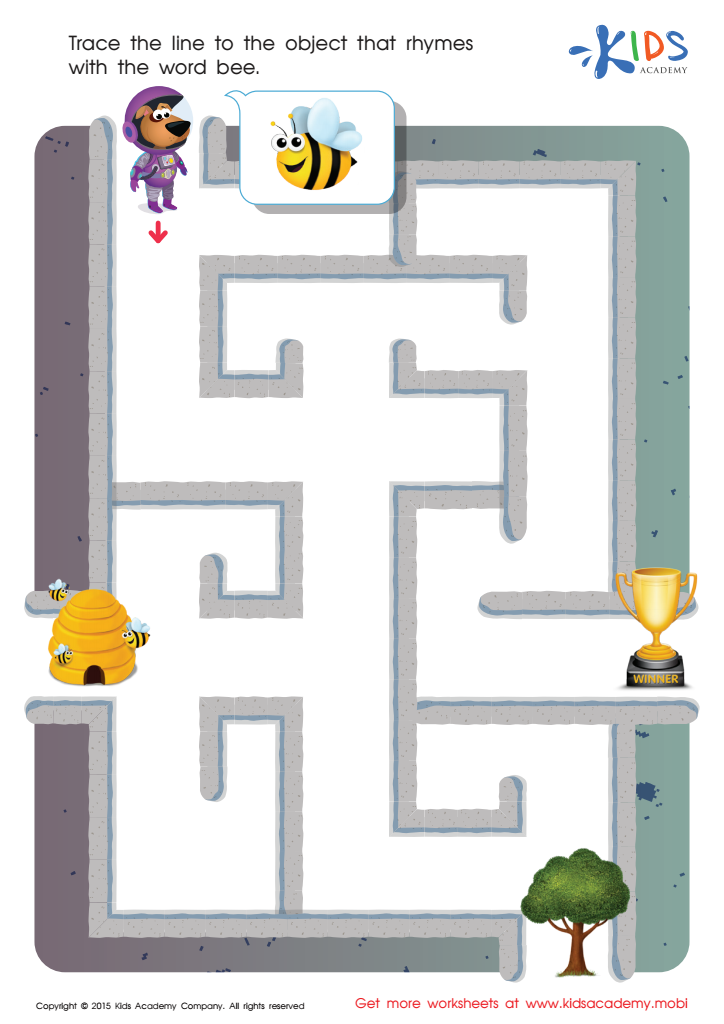
Bee Rhyming Words Worksheet






Animal recognition reading is an essential developmental tool for children ages 3-8, offering numerous benefits that both parents and teachers should prioritize. At this age, children are naturally curious, and introducing them to animals can enhance their cognitive and linguistic skills. Recognizing different animals builds vocabulary, as children learn not just the names of the animals but also their characteristics, habitats, and behaviors.
Engaging with animal-themed books fosters a love for reading and develops comprehension skills. Illustrations and narratives involving animals capture young readers' imaginations, making the learning experience enjoyable. Moreover, this reading activity can promote empathy by encouraging children to understand and care for living creatures. It also lays the groundwork for discussions about biodiversity and the environment, fostering awareness of the world's natural world.
For teachers and parents, incorporating animal recognition into literacy activities opens opportunities for enriching lessons that include art, science, and social studies. By connecting literacy with the wonders of nature, educators can create a holistic learning atmosphere that nurtures curiosity and fosters a lifelong love of learning. Ultimately, supporting animal recognition reading shapes children into informed, compassionate, and engaged individuals.








