Color recognition Reading Worksheets for Ages 3-8 - Page 2
30 filtered results
-
From - To
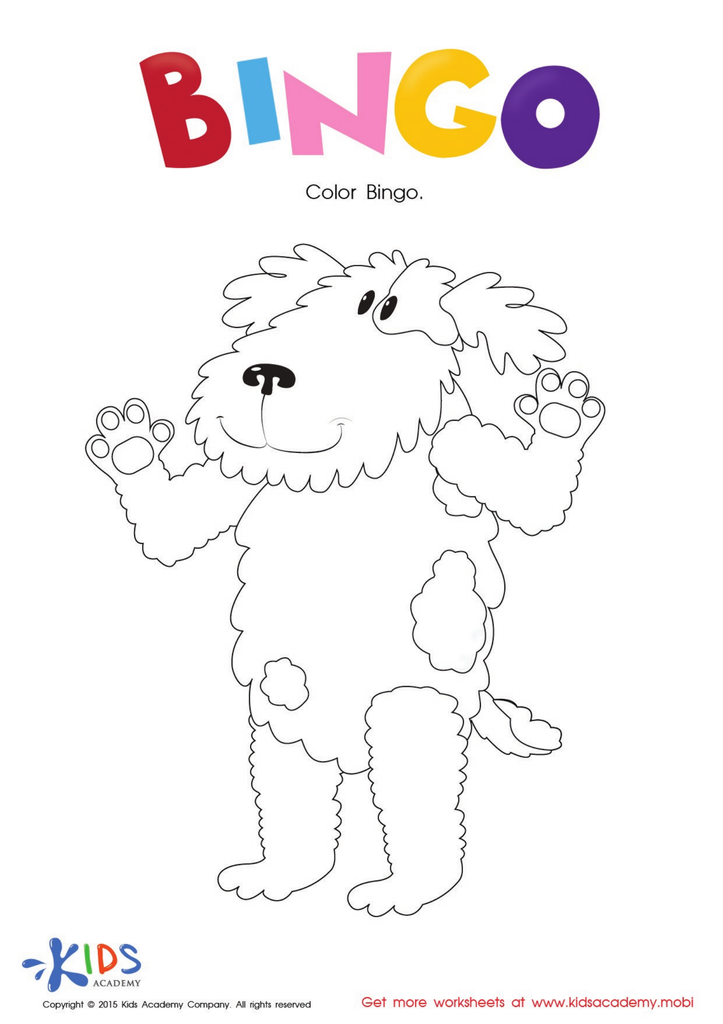
The Bingo Song: Coloring The Dog Worksheet
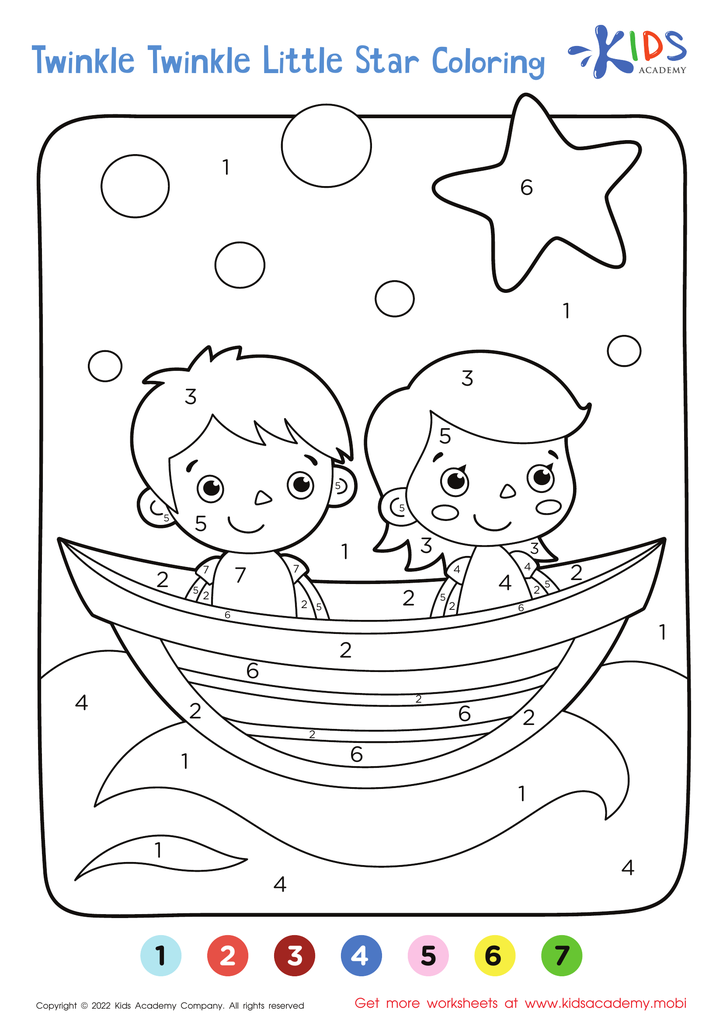
Twinkle, Twinkle, Little Star – Coloring by Numbers
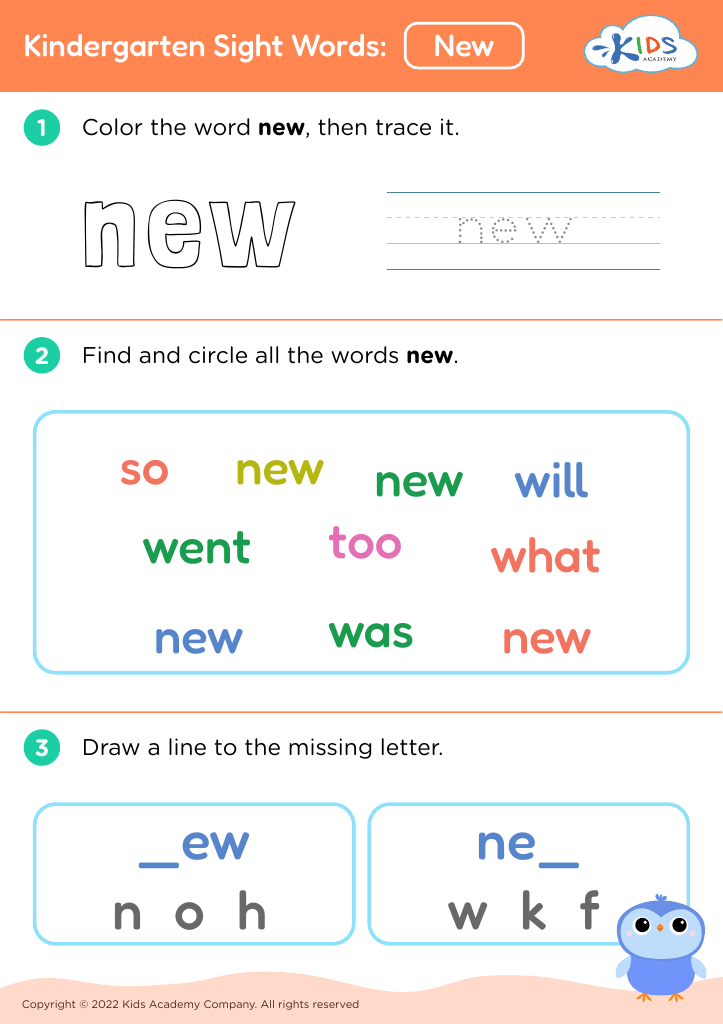
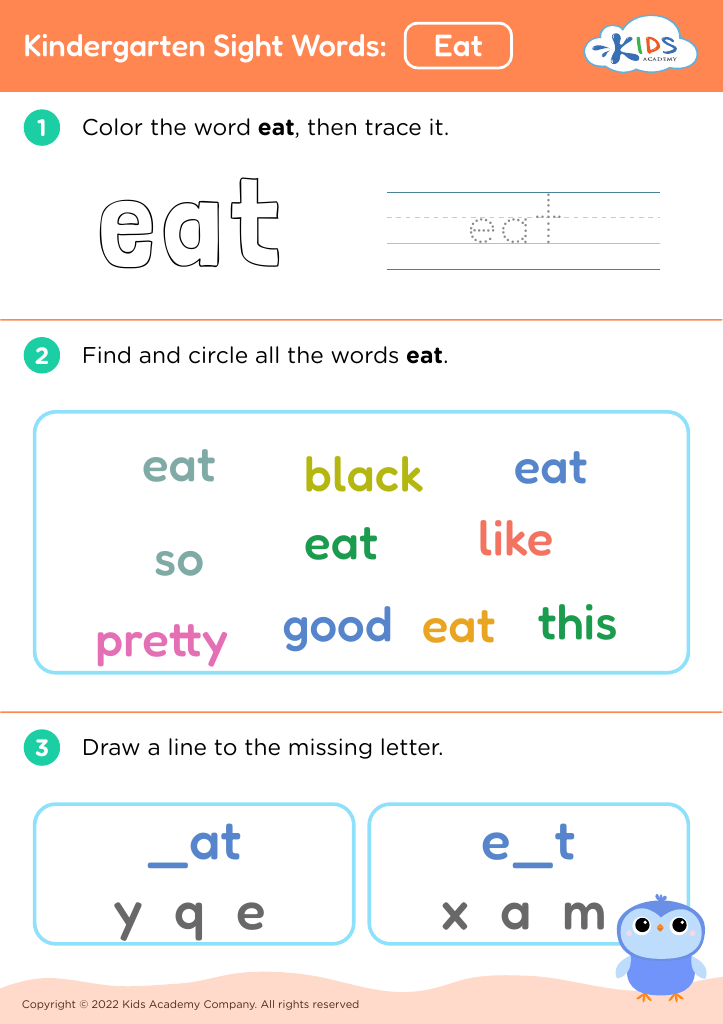







Color recognition is a foundational skill that significantly enhances early literacy development for children aged 3-8. This critical ability not only helps children in identifying objects and navigating their environment but also plays a vital role in reading and language acquisition. Understanding colors can facilitate vocabulary development, as children learn to associate colors with words, making their communication richer.
Moreover, color recognition fosters cognitive development through categorization and differentiation. Children begin to understand relationships and patterns, which are essential skills in both mathematical thinking and reading comprehension. For example, recognizing colors in books can enhance their ability to decode and make meaning from stories.
Furthermore, incorporating color recognition in reading activities can make learning enjoyable and interactive. For example, colorful illustrations can engage children more effectively, capturing their attention and encouraging a love for reading at an early age. When teachers and parents utilize everyday experiences—like naming colors in surroundings or during reading sessions—they support and reinforce this vital skill, laying a strong foundation for future academic success. Ultimately, attention to color recognition enhances critical thinking and fosters a holistic approach to learning that benefits children well into their educational journeys.








