Fraction simplification Reading Worksheets for Ages 3-8
16 filtered results
-
From - To
Discover our engaging Fraction Simplification Reading Worksheets designed for children aged 3-8! These worksheets make learning about fractions fun and accessible, helping young learners simplify fractions through easy-to-follow activities and vibrant illustrations. Perfect for reinforcing classroom lessons or enriching home study, our resources promote critical thinking and improve mathematical skills. As children practice fraction concepts, they develop their reading comprehension and reasoning abilities. Tailored for various learning styles, our fraction simplification worksheets are ideal for kids eager to master foundational math concepts. Explore our collection today and support your child's educational journey with delightful and effective learning tools!
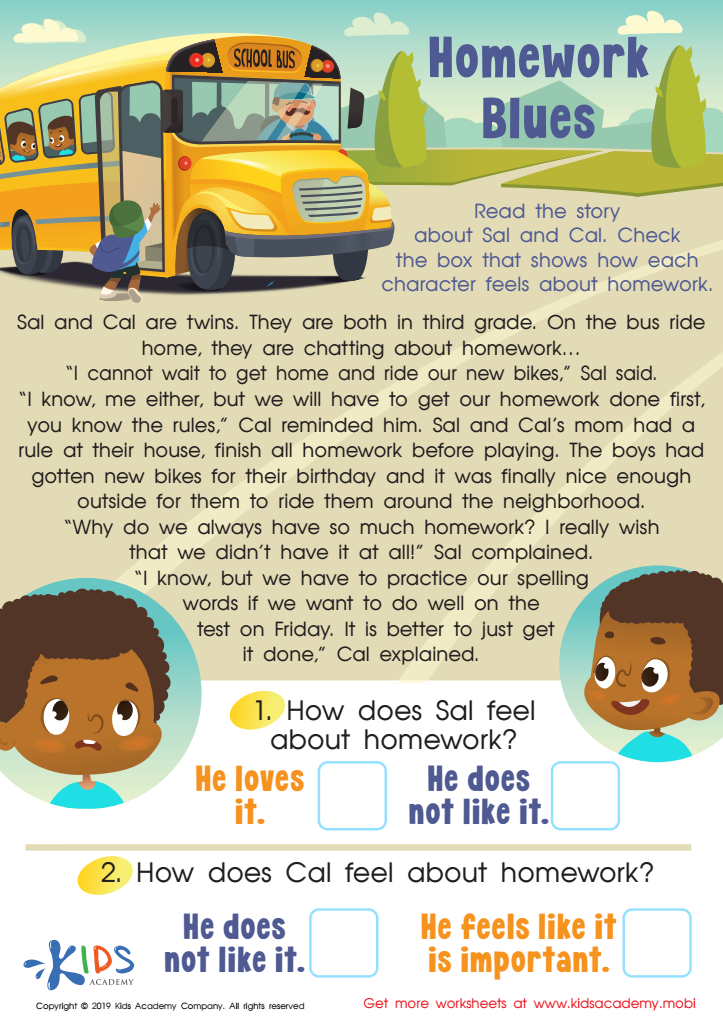
Homework Blues Worksheet
 Assign to My Students
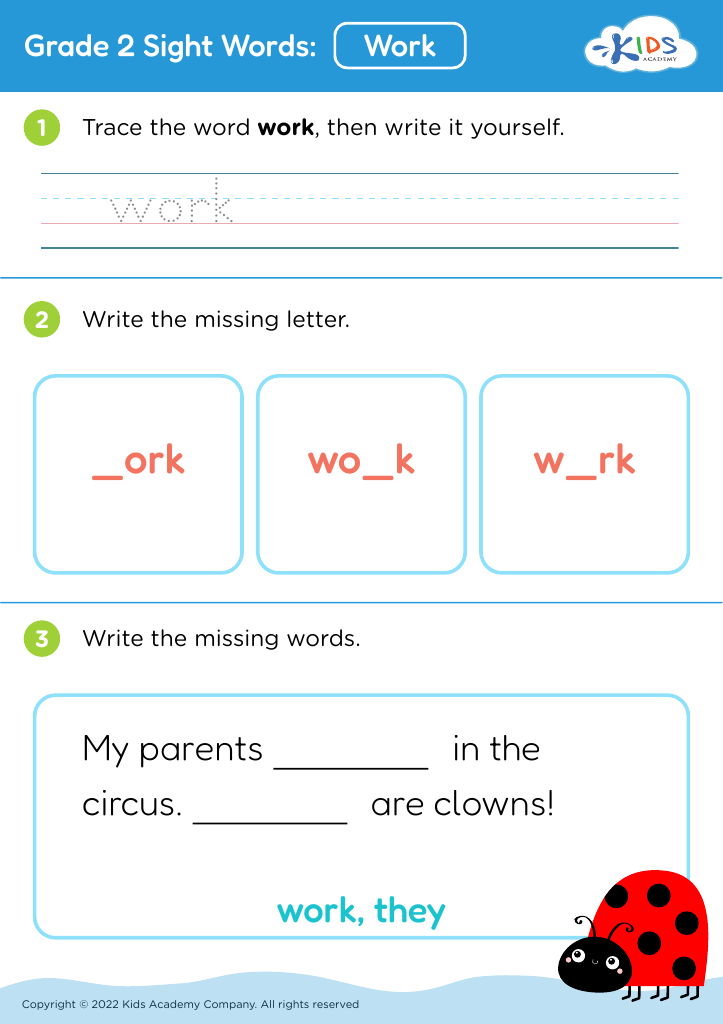
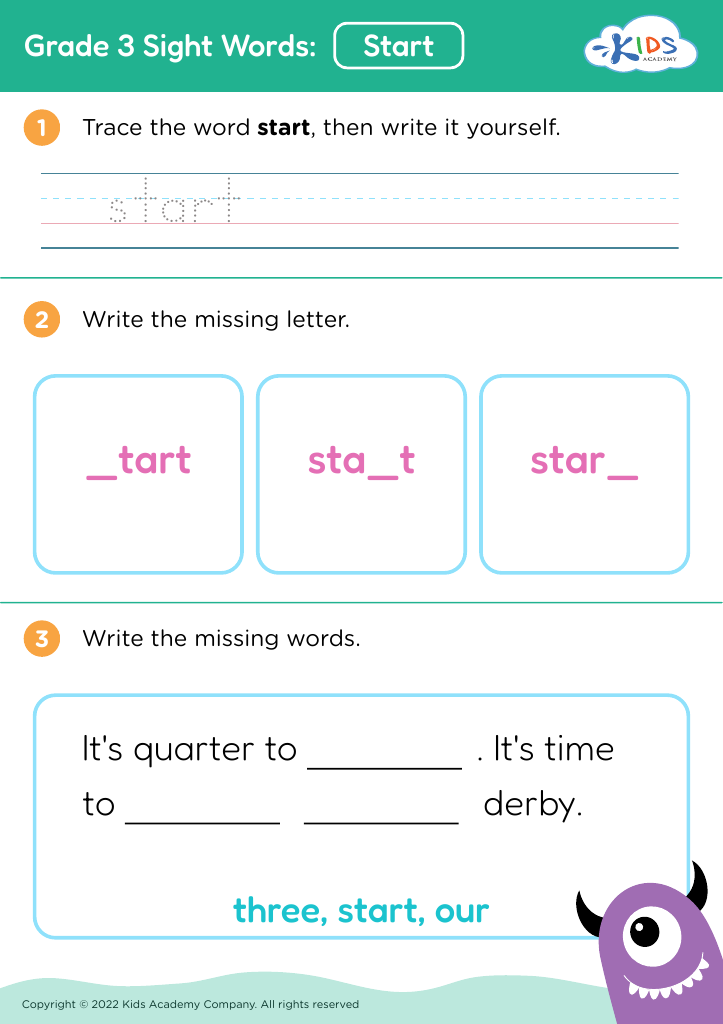
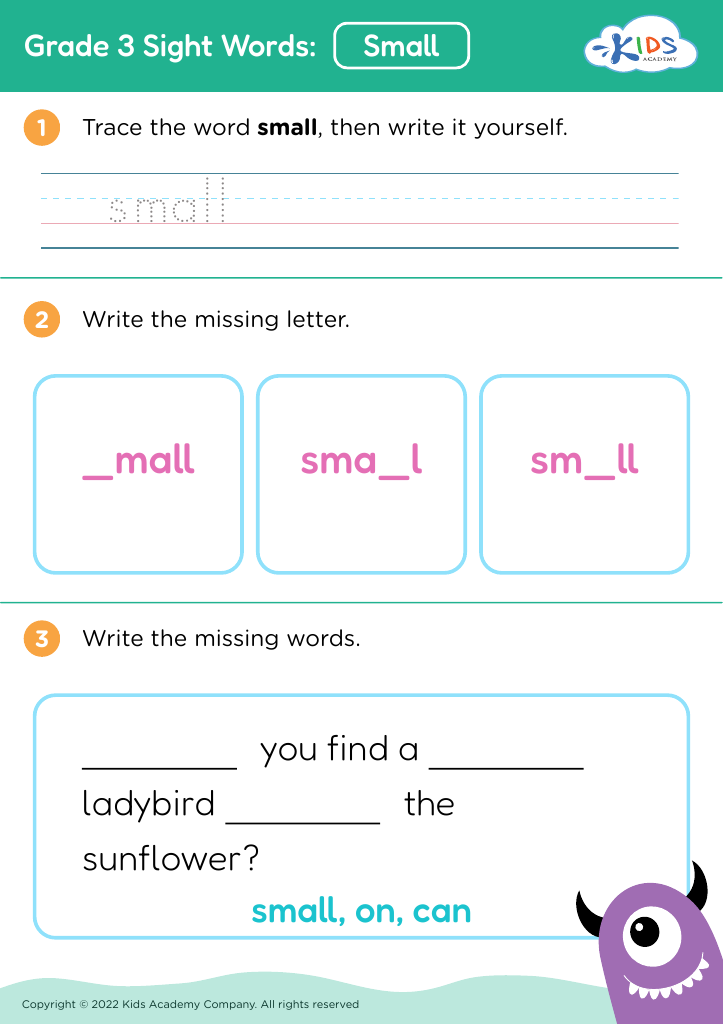







Parents and teachers should care about fraction simplification because it lays a foundational understanding of mathematics that children will build upon as they grow. At ages 3-8, children are in a crucial phase of cognitive development, and introducing them to concepts of fraction simplification can help enhance their problem-solving and critical thinking skills. Understanding how to simplify fractions encourages them to recognize patterns and relationships between numbers, fostering an early affinity for math.
Furthermore, simplifying fractions teaches kids not just the "how," but the "why" behind mathematical operations. This comprehension develops a deeper sense of numerical literacy that is critical in today's world, chock-full of data and mathematical relationships.
Incorporating fraction simplification into playful reading activities can engage young minds, making learning fun and meaningful. Using stories, visual aids, and hands-on activities can make abstract concepts more tangible and relatable.
Additionally, early mastery can boost children's confidence in their math abilities and lower the fear associated with mathematical subjects as they advance in school. This positive attitude toward math nurtures lifelong learning habits and prepares them for more complex concepts in future educational endeavors. Ultimately, focusing on such foundational skills supports holistic development in young learners.








