Identifying shapes Reading Worksheets for Ages 3-8
10 filtered results
-
From - To
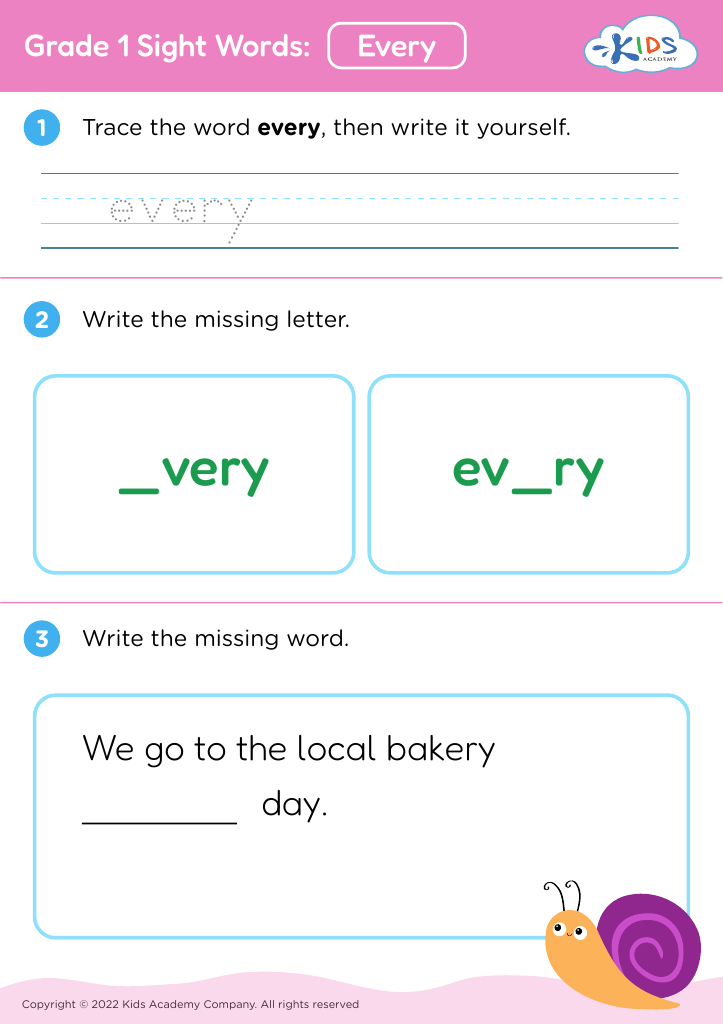
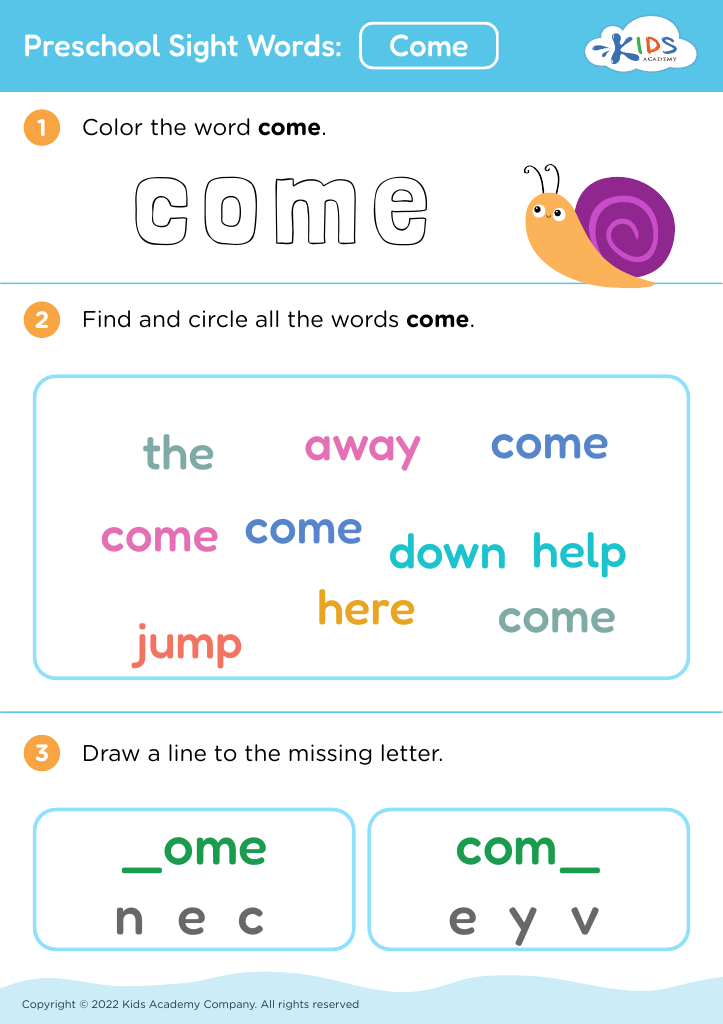
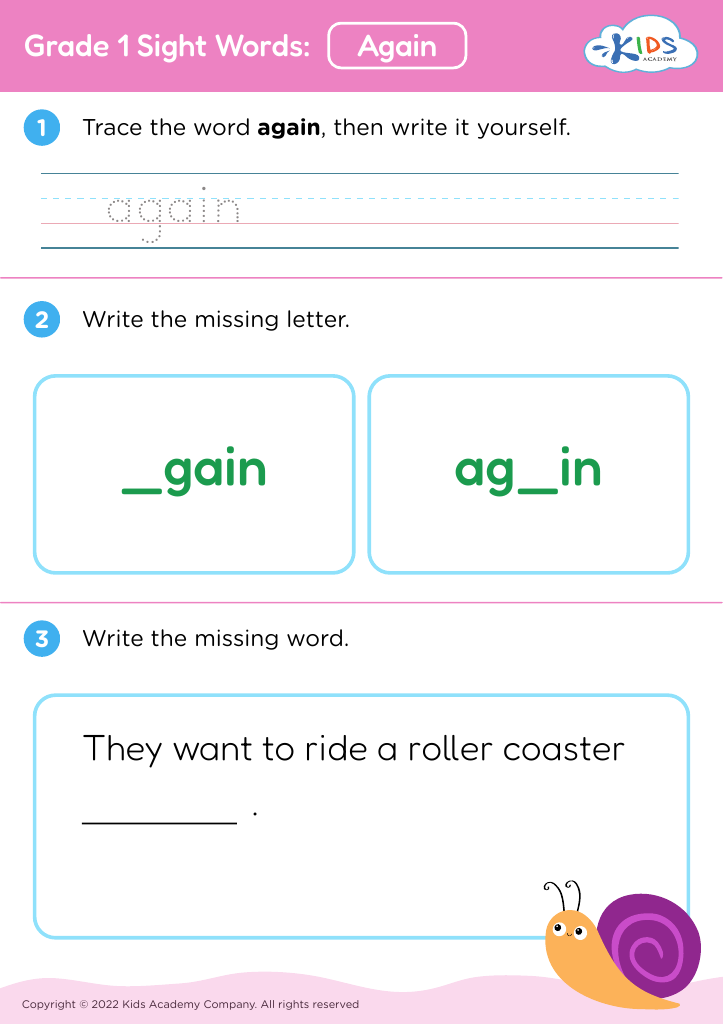
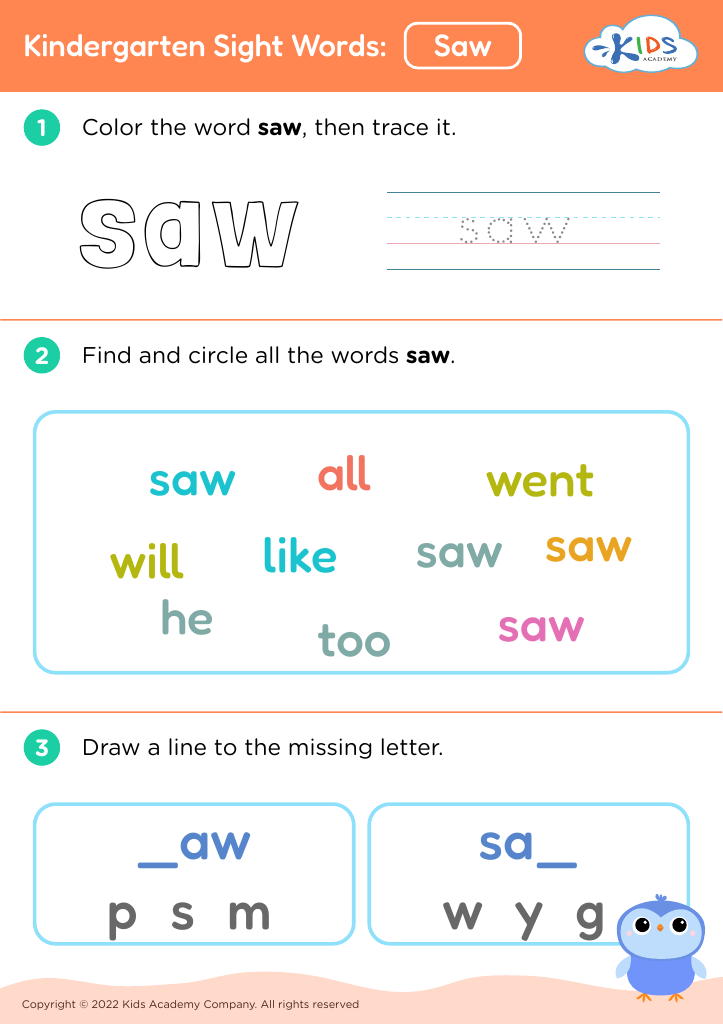
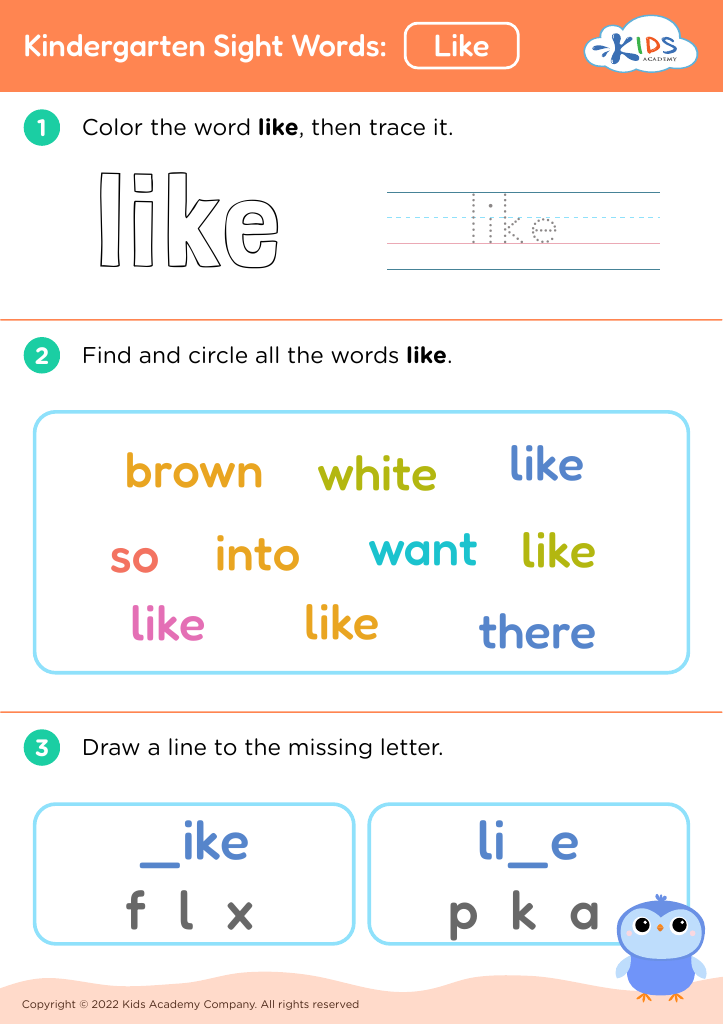
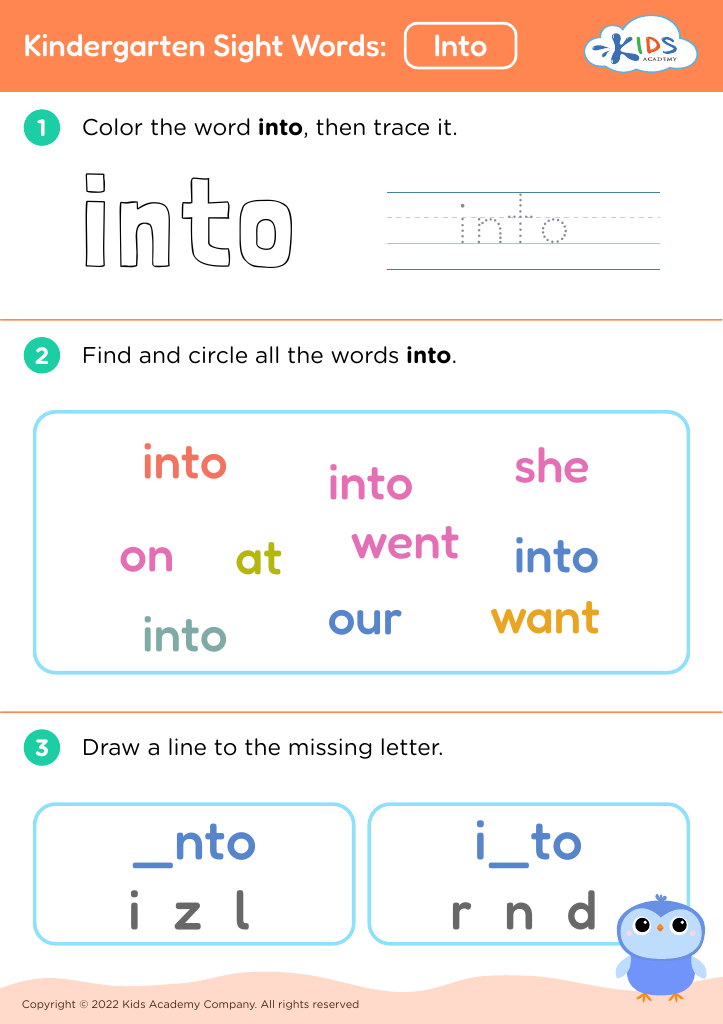
Unlock your child's potential with our "Identifying Shapes Reading Worksheets" designed for ages 3-8. These engaging worksheets seamlessly blend shape recognition with early reading skills, fostering essential learning in a playful environment. Your little ones will enjoy coloring, tracing, and matching various shapes while developing critical thinking and vocabulary. Each activity is crafted to enhance hand-eye coordination, understanding of geometric concepts, and language skills. Perfect for home or classroom use, our worksheets provide a fun way to build foundational knowledge. Start your child’s learning journey today and watch them explore the world of shapes and reading with excitement!








Identifying shapes is a fundamental skill for young children that lays the groundwork for their overall cognitive development. For students aged 3-8, mastering shape recognition fosters essential cognitive skills such as spatial awareness, critical thinking, and problem-solving abilities. Recognizing and naming shapes serves as an early form of mathematical literacy, helping children to understand patterns, construct relationships, and grasp basic geometry, which will be critical for their later math education.
Furthermore, shape identification exercises encourage language development and vocabulary expansion when children learn to articulate and describe shapes. Engaging in activities focused on shapes also promotes fine motor skills as children cut, draw, or manipulate various shapes.
Parents and teachers should regard shape identification as an important and engaging aspects of early learning, integrating hands-on activities like shape sorting and drawing to make learning fun. These activities not only enhance children’s understanding but also foster a sense of curiosity and exploration. Ultimately, recognizing shapes equips children with the skills they will need in school and everyday life, laying a solid foundation for future academic achievement and a lifelong love for learning. Thus, prioritizing shape identification should be a key focus for parents and educators alike.








