Mathematical reasoning Reading Worksheets for Ages 3-8
6 filtered results
-
From - To
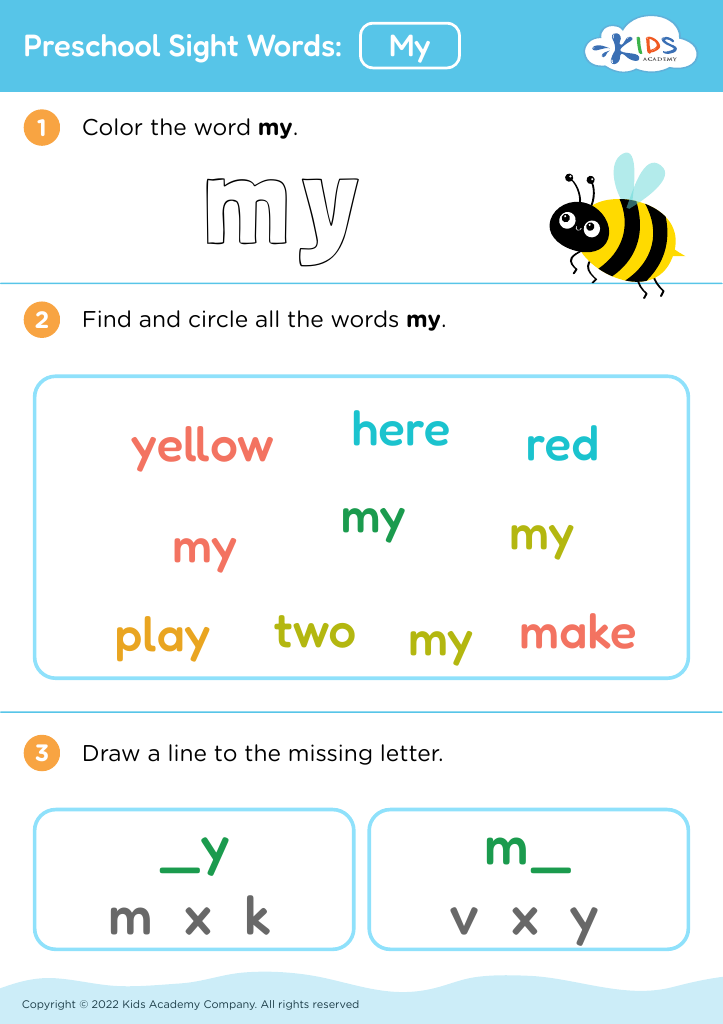
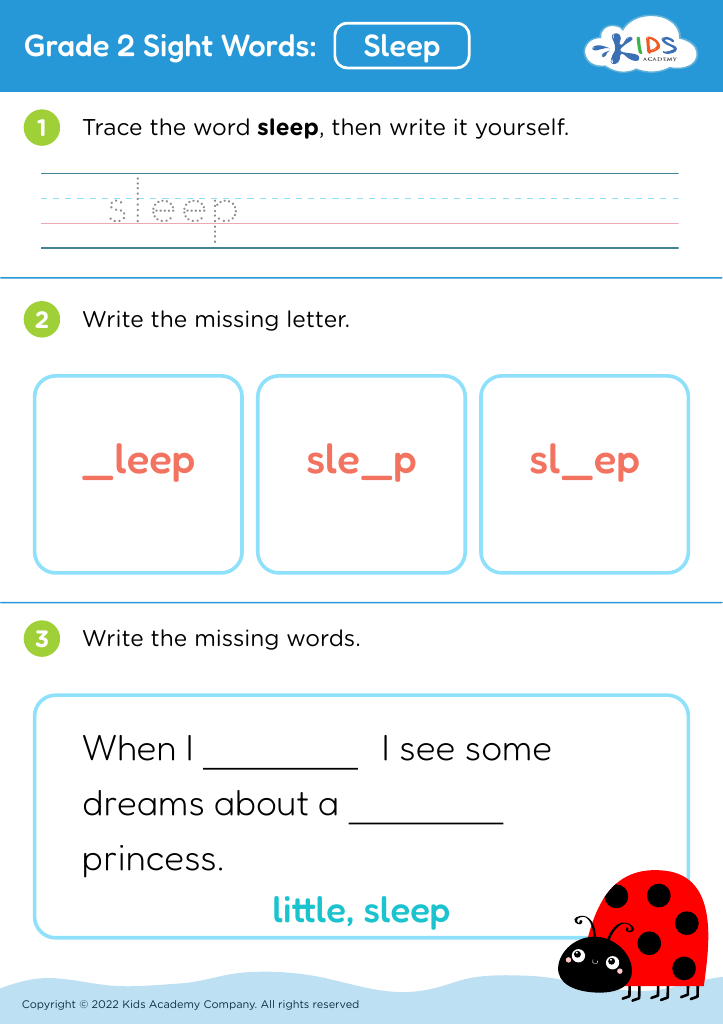
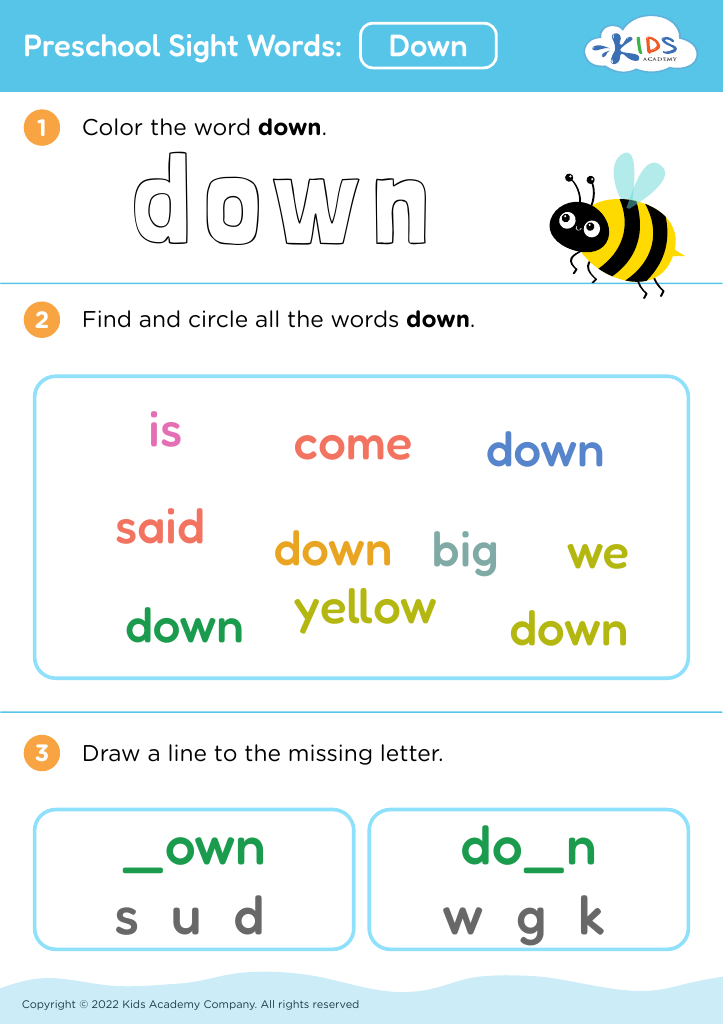
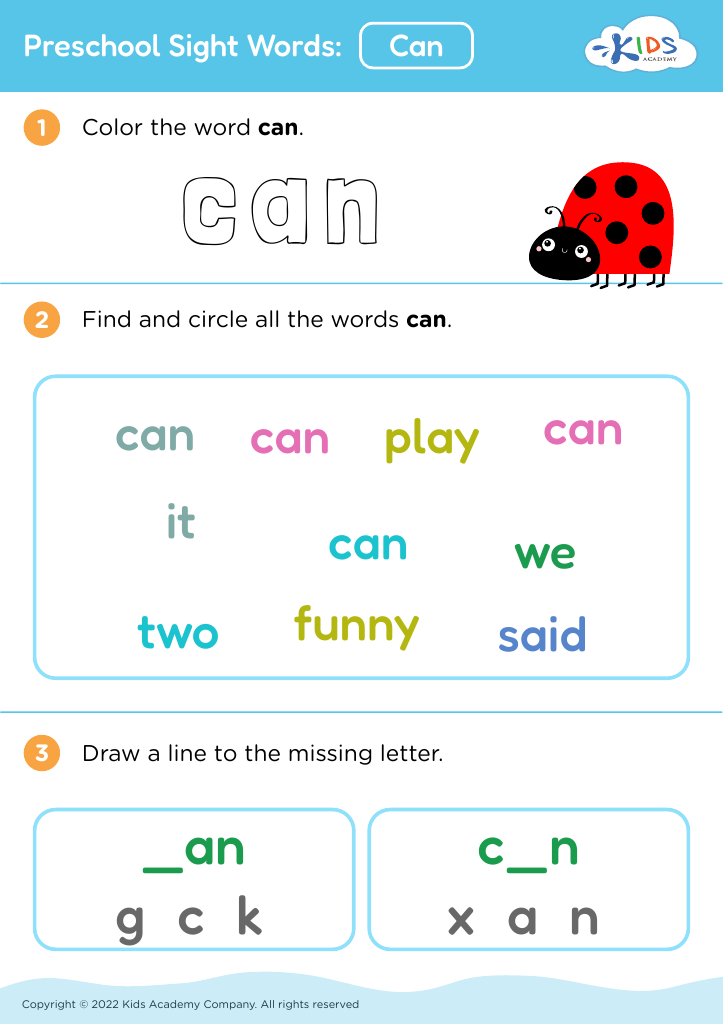
Discover our engaging Mathematical Reasoning Reading Worksheets designed for children aged 3 to 8! These interactive resources foster essential math skills through fun, age-appropriate activities. Your child will enjoy reading exercises that promote logical thinking, problem-solving, and basic mathematical concepts. Our worksheets encourage critical reasoning and help reinforce the connection between reading comprehension and mathematics. Ideal for home or classroom use, they cater to diverse learning styles, ensuring that every child thrives. Spark a love for learning and set a solid foundation for your child’s future success in math and reading. Explore our collection today and watch your young learners excel!
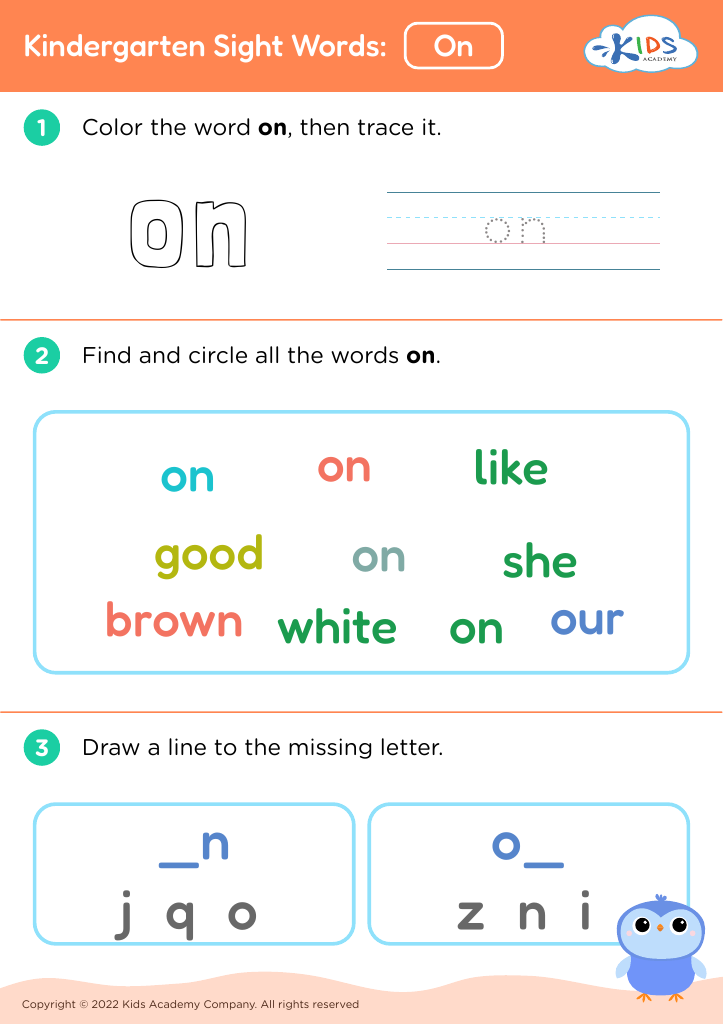
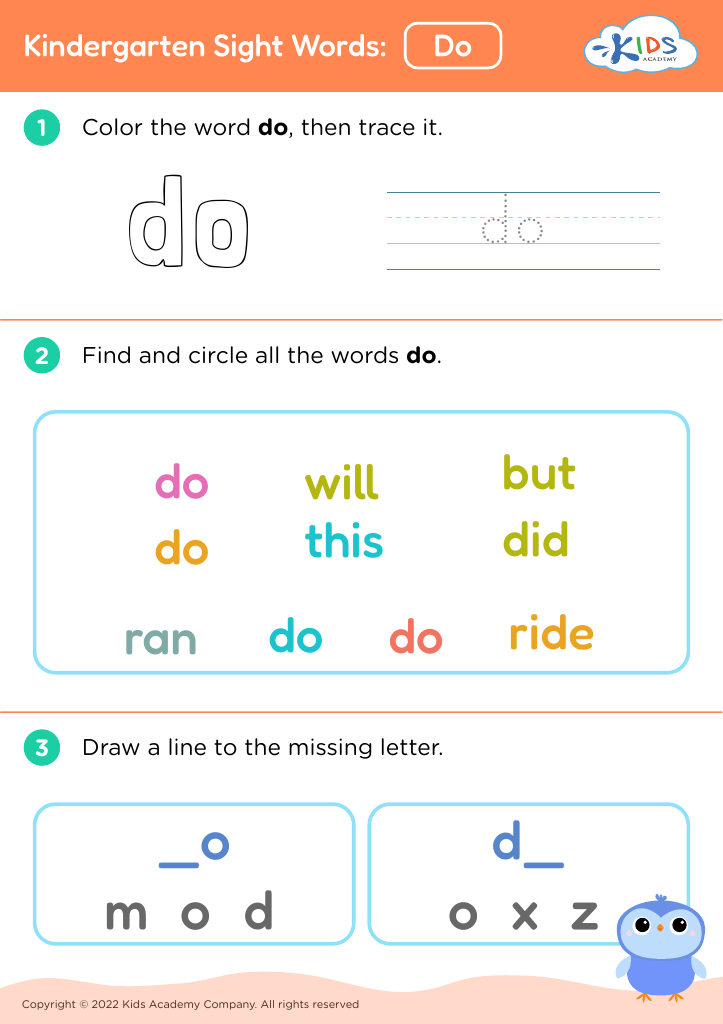








Mathematical reasoning plays a crucial role in the development of children aged 3-8, making it essential for parents and teachers to prioritize this skill. At this early age, children are naturally curious and eager to explore the world around them. Introducing mathematical reasoning helps them make sense of their experiences, understand relationships, and recognize patterns. Engaging in activities that promote reasoning, such as counting, sorting, and problem-solving, boosts cognitive development and lays a strong foundational skill set for future learning.
Moreover, mathematical reasoning is directly linked to overall academic success. Children who develop strong reasoning habits are better equipped to approach more complex mathematical concepts as they progress through school. Encouraging children to think critically and creatively about numbers fosters a growth mindset and enhances their ability to tackle real-world problems.
Furthermore, integrating reading with mathematical reasoning introduces an enjoyable approach to learning. It nurtures literacy skills while reinforcing quantitative concepts, often leading to improved engagement and retention. By cultivating these skills early on, parents and teachers empower children to gain confidence and become problem solvers, essential qualities that will benefit them throughout their educational journey and beyond. Thus, investing time and resources in mathematical reasoning is vital to holistic childhood development.








