Practice addition Reading Worksheets for Ages 3-8
3 filtered results
-
From - To
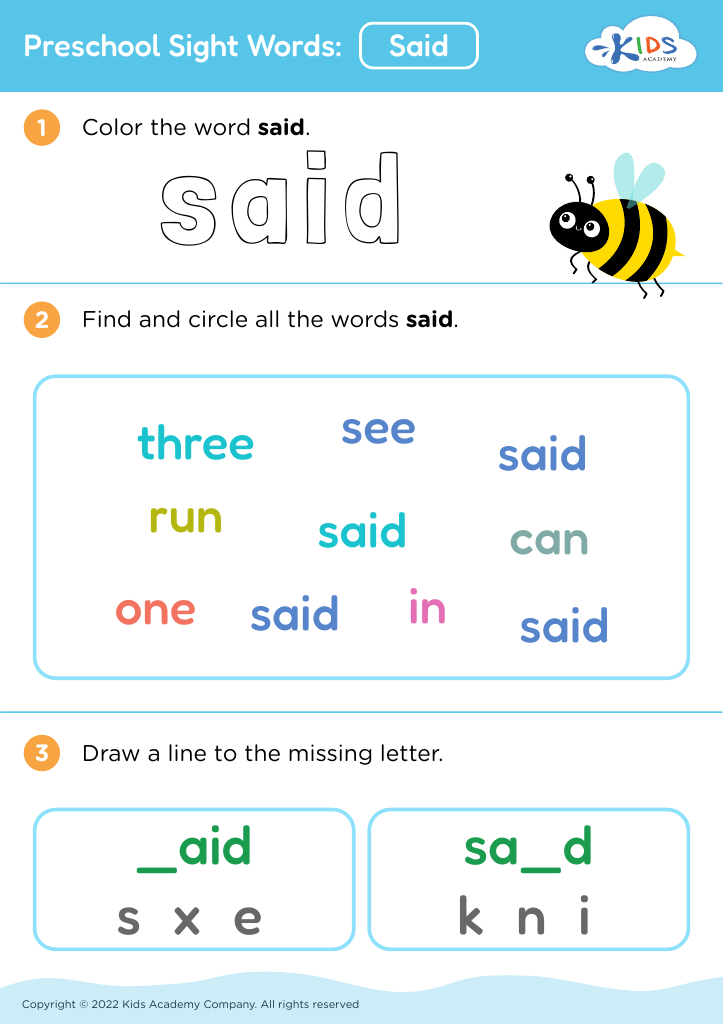
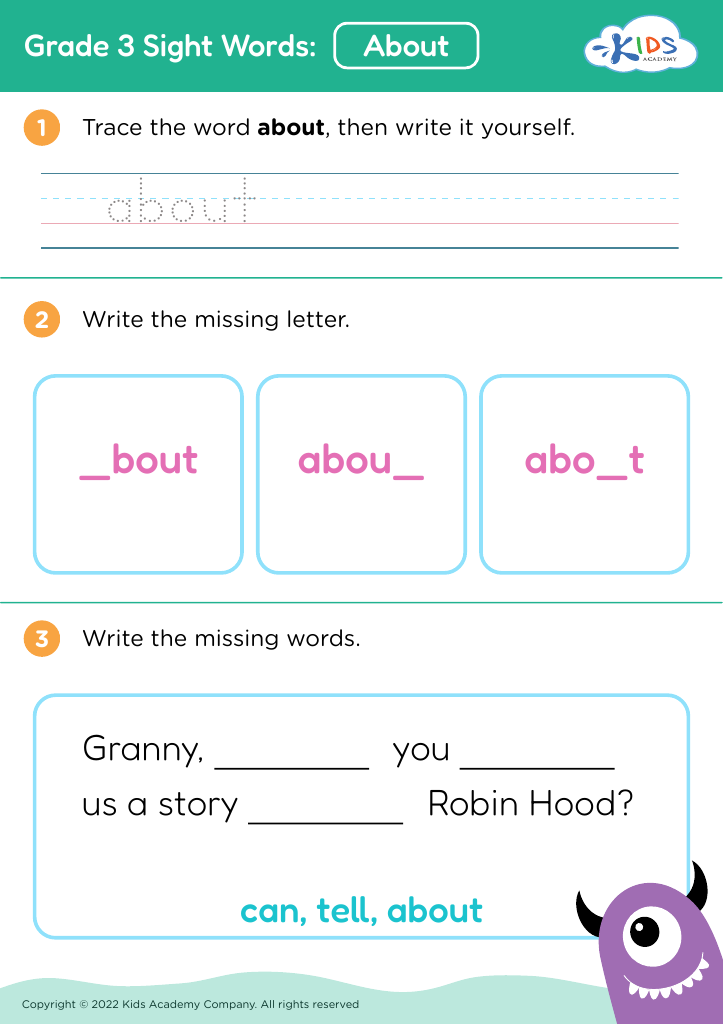
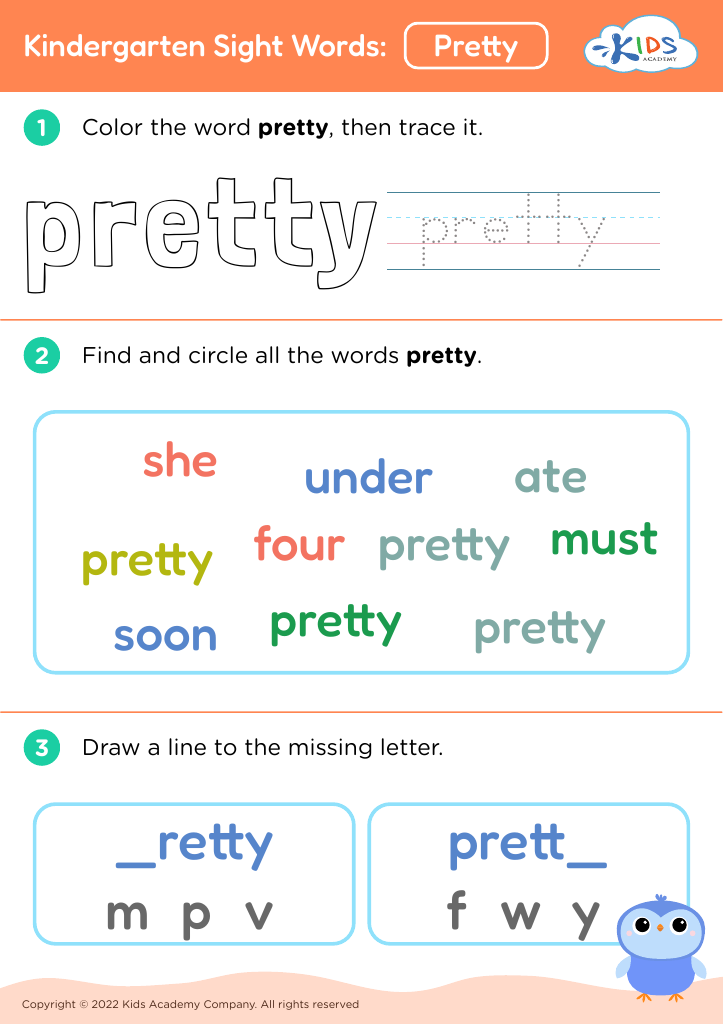
Explore our comprehensive collection of Practice Addition Reading Worksheets tailored for children ages 3-8! Designed to make learning fun, our worksheets help young learners develop essential math skills through engaging activities that blend reading and basic addition concepts. Each worksheet is crafted to boost confidence and enhance number recognition, addition facts, and problem-solving abilities. With colorful illustrations and interactive exercises, kids will enjoy practicing their addition skills while improving their reading comprehension. Perfect for classroom use or at-home learning, these worksheets support early math development with ease. Start nurturing your child’s mathematical skills today!






.jpg)

Practice addition reading is essential for children aged 3-8 as it lays the foundation for their mathematical understanding and literacy skills. At this age, children are at a critical developmental stage where they are absorbing new concepts rapidly. Engaging them in story-based addition exercises not only makes mathematics fun but also contextualizes numbers in everyday life, enhancing comprehension.
Additionally, integrating reading with addition practice fosters a love for both literacy and numeracy. This dual approach bolsters cognitive skills, encouraging children to think critically as they solve problems within the narratives. It also promotes language development through new vocabulary and storytelling, which are vital for effective communication.
Moreover, parental and teacher involvement in these activities reinforces positive attitudes toward mathematics, combatting common anxieties surrounding the subject. Such practices build confidence, ensuring that children perceive math as an enjoyable challenge rather than a daunting task.
Incorporating practice addition reading into early education establishes essential skills, fueling a lifelong appreciation for learning. By prioritizing these activities, parents and teachers invest in children’s future academic success and overall development, equipping them with tools that will benefit them in their educational journey and beyond.








