Understanding fractions Reading Worksheets for Ages 3-8
60 filtered results
-
From - To
Our "Understanding Fractions Reading Worksheets for Ages 3-8" turn complex concepts into engaging exercises for young learners. Carefully crafted to align with early education standards, these worksheets use fun visuals and simple language to introduce whole-to-part relationships, making fractions accessible and enjoyable. Each activity encourages kids to recognize fractions in everyday contexts, boosting their confidence and comprehension. Ideal for at-home practice or classroom reinforcement, these resources help build a strong mathematical foundation through interactive play. Foster your child’s early math skills and watch them master fractions with ease while having fun with our expertly designed worksheets.
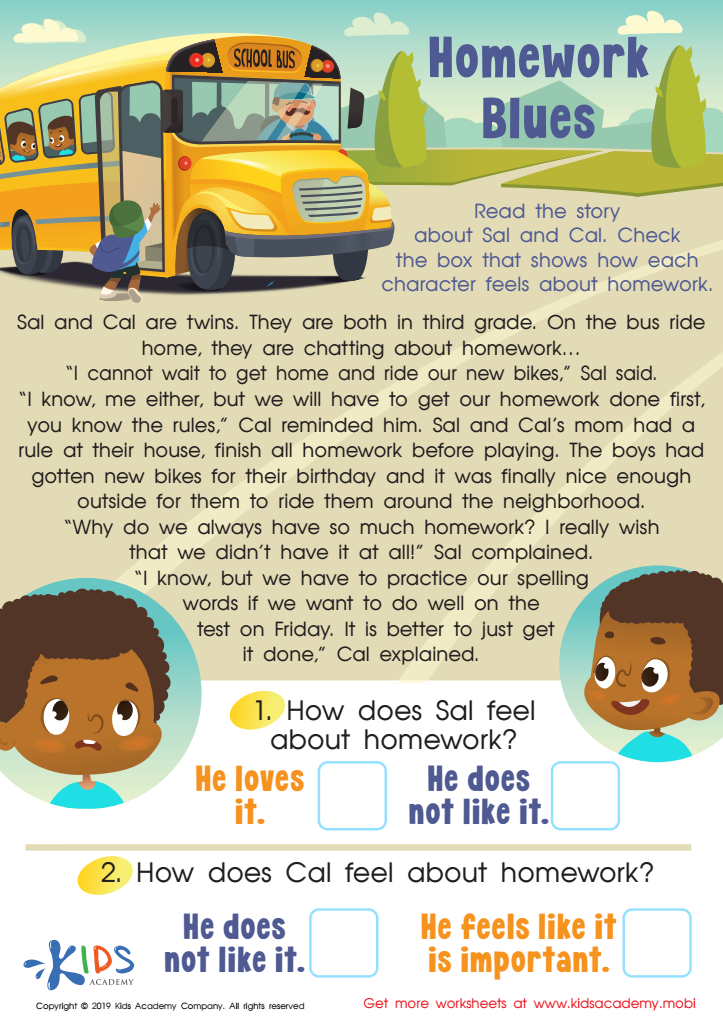
Homework Blues Worksheet
 Assign to My Students
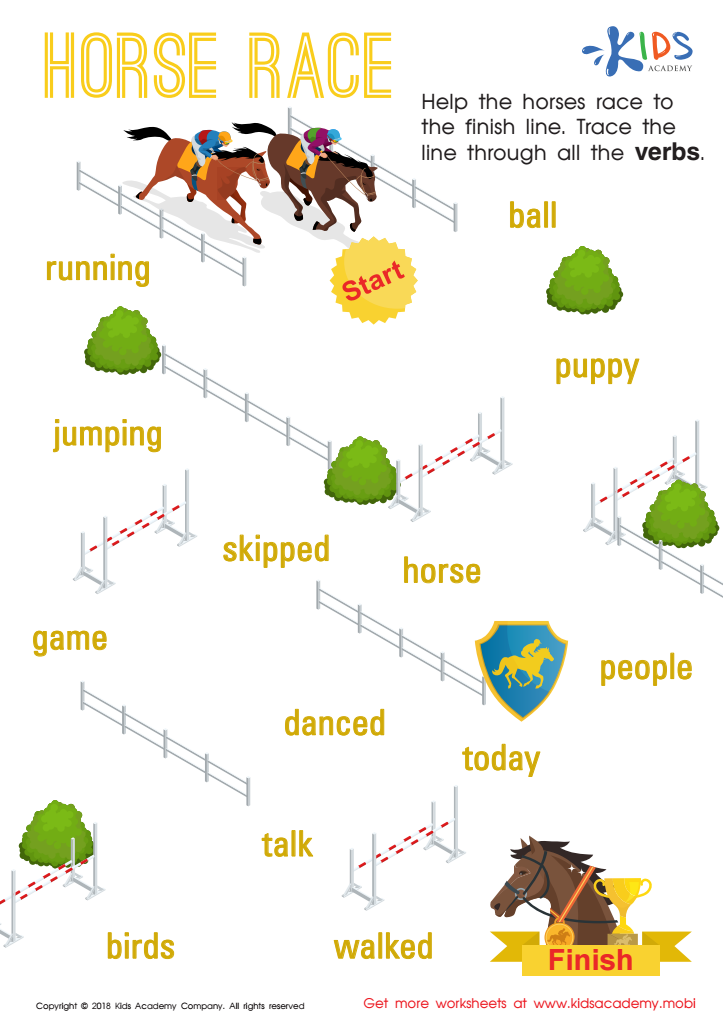
Horse Race Worksheet
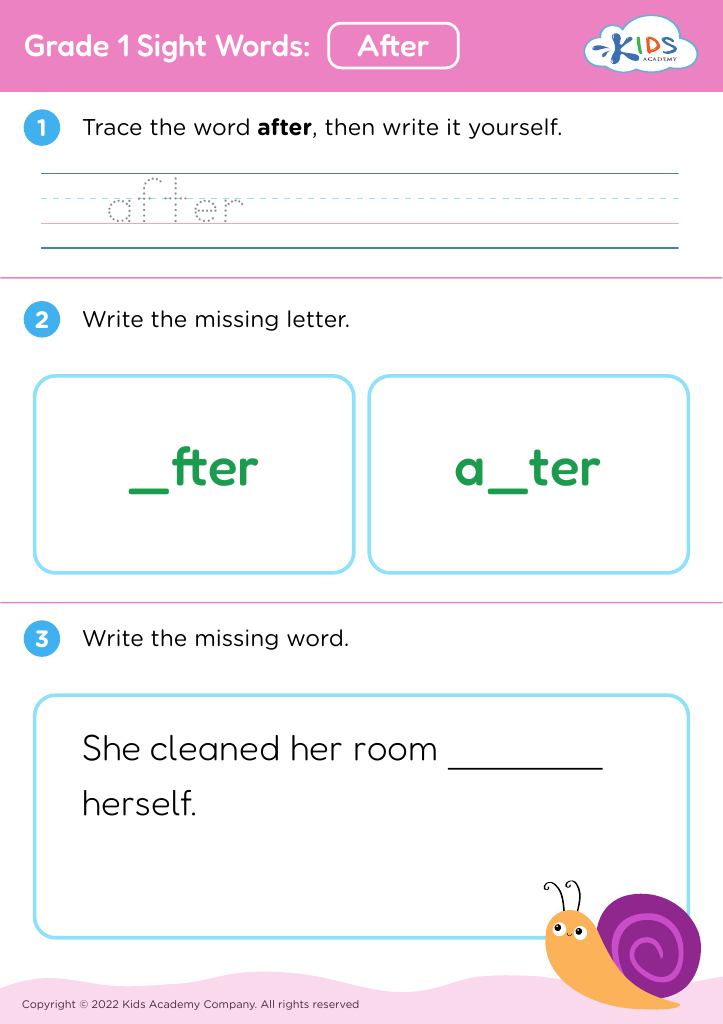
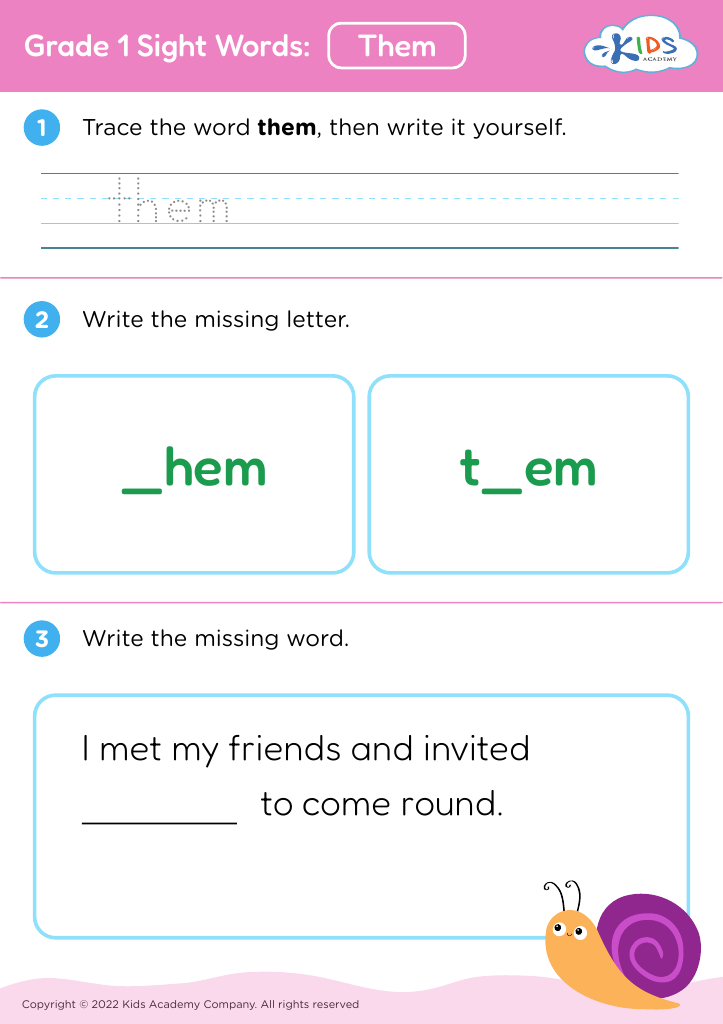
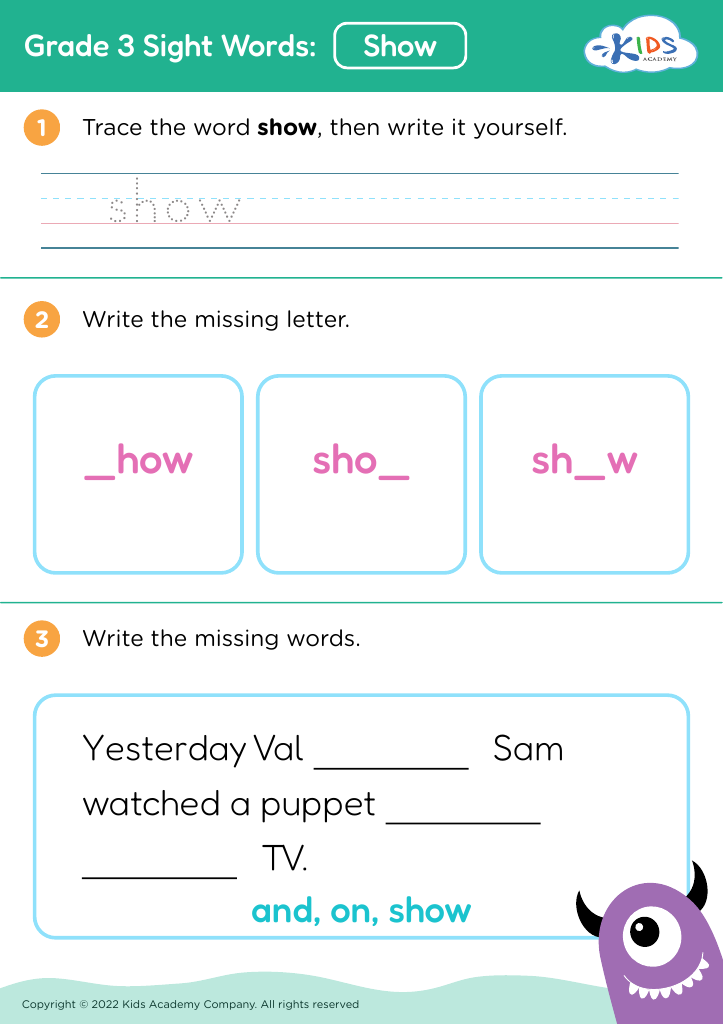
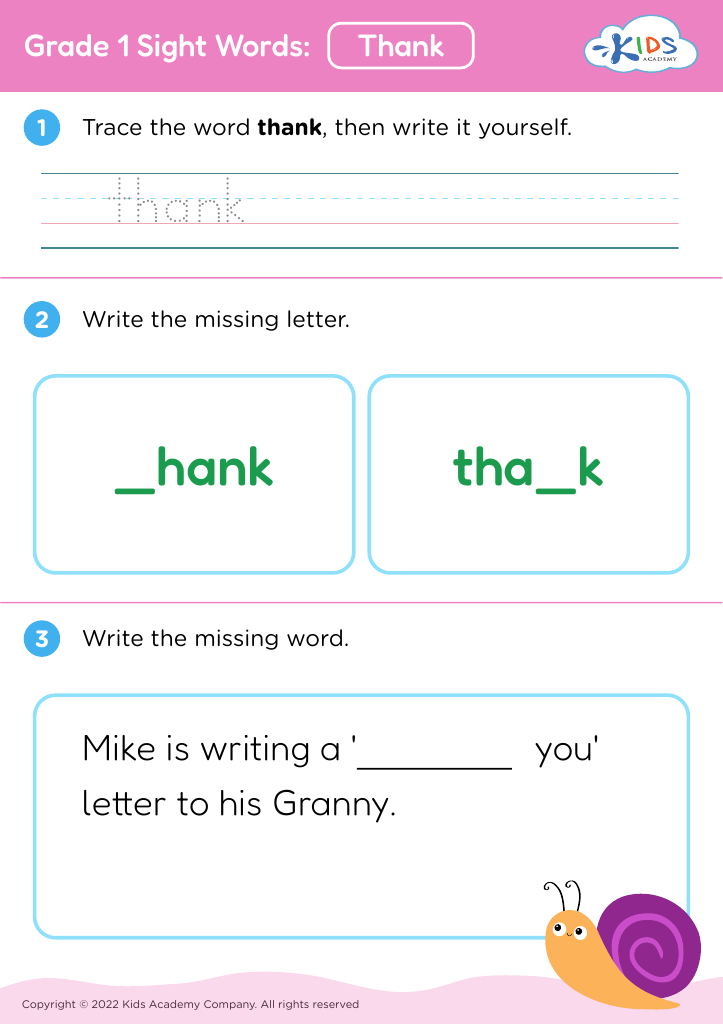
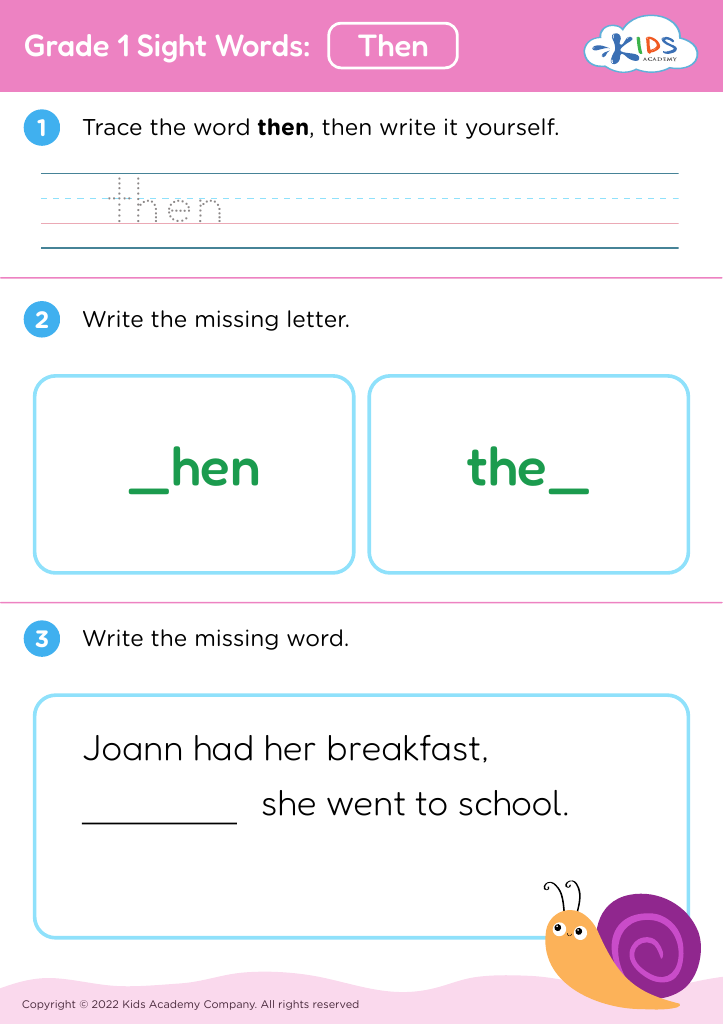
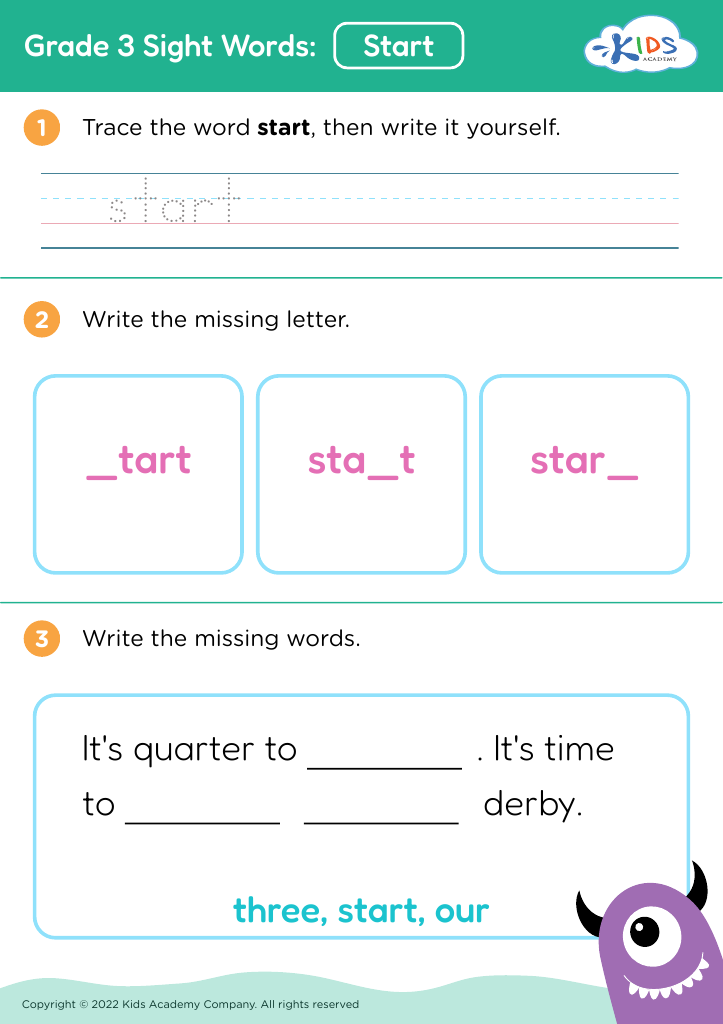







Understanding fractions is foundational for young learners because it nurtures critical thinking, problem-solving, and a deeper comprehension of mathematics. For children ages 3-8, grasping the concept of fractions offers several significant benefits. Firstly, it builds a strong mathematical foundation. Early exposure to fractions prepares them for more complex mathematical concepts, not just in their academic years, but in real-life situations like cooking or dividing objects.
For parents and teachers, it is crucial to understand that fostering an early appreciation for fractions can reduce the anxiety often associated with math. When taught creatively through stories, games, and practical examples, fractions become less intimidating and more relatable. This engagement can spark a lifelong interest in math and related fields.
Moreover, learning about fractions enhances cognitive development. It refines children's ability to think in parts and wholes, which translates to better decision-making and analytical skills. This understanding, though mathematical, is fundamentally about improving logical reasoning and thinking patterns.
Finally, early mastery of fractions prepares children for future academic success. It aligns with educational standards and benchmarks, ensuring they remain on par with their peers. Therefore, parents and teachers should prioritize fractions to cultivate confident, competent, and enthusiastic learners ready to tackle various academic and life challenges.








