Character analysis Reading Comprehension Worksheets for Ages 3-8
5 filtered results
-
From - To
Unlock your child's reading potential with our engaging Character Analysis Reading Comprehension Worksheets, designed specifically for ages 3-8! These worksheets encourage young readers to dive deep into the characters of their favorite stories, enhancing their ability to understand motivations, emotions, and actions. With a variety of fun and interactive activities, children will improve their critical thinking while enjoying diverse stories. Our resources promote essential literacy skills, making learning both effective and enjoyable. Perfect for both home and classroom use, these worksheets will help foster a love for reading and strengthen your child's comprehension skills. Start your adventure in character exploration today!
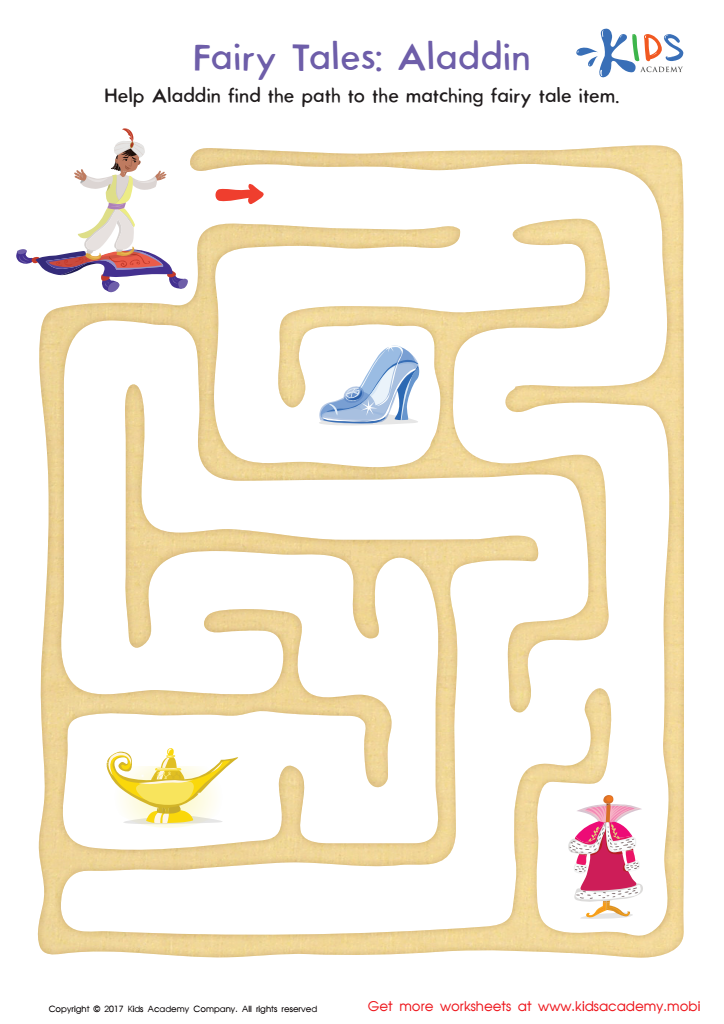
Fairy Tales Aladdin Printable
 Assign to My Students
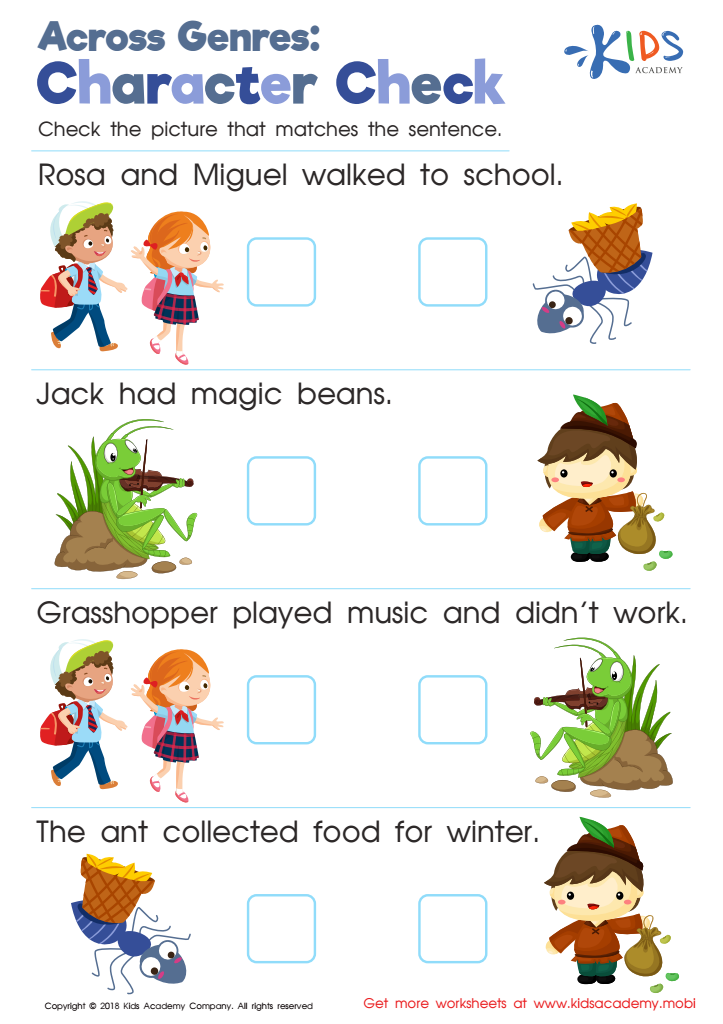
Across Genres: Character Check Worksheet
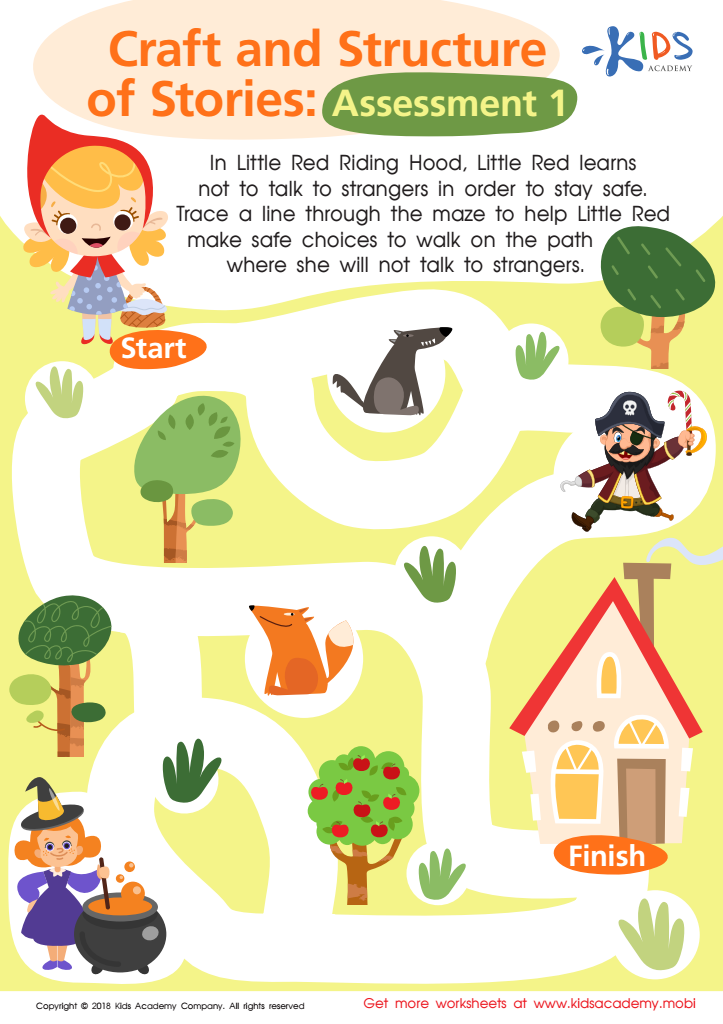
Craft and Structure of Stories: Assessment 1 Worksheet
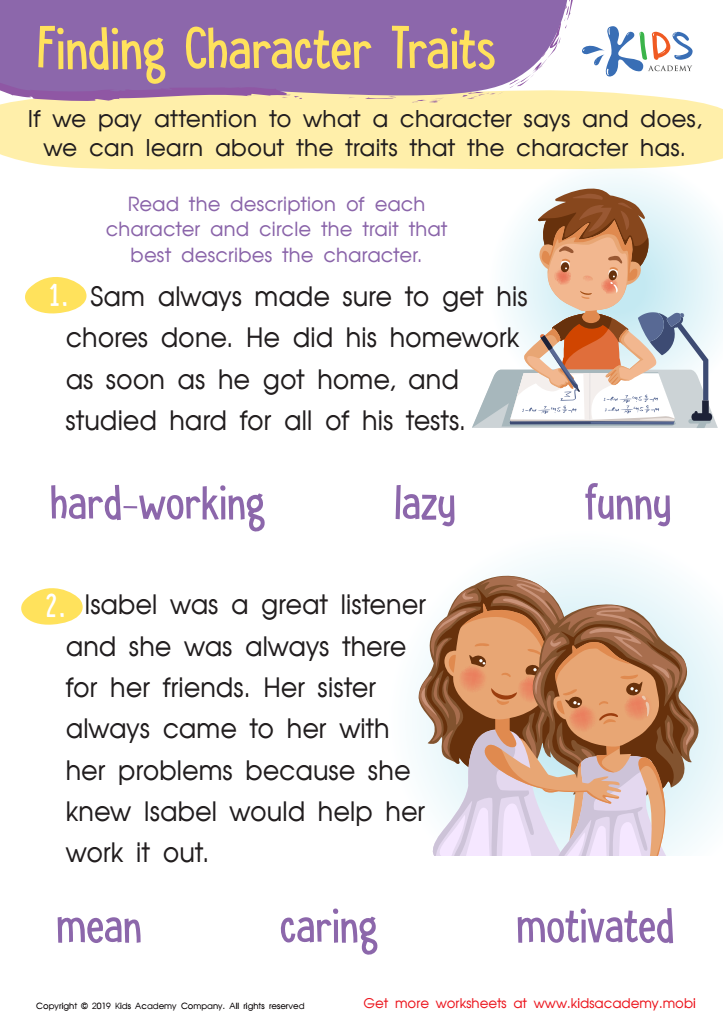
Finding Character Traits Worksheet
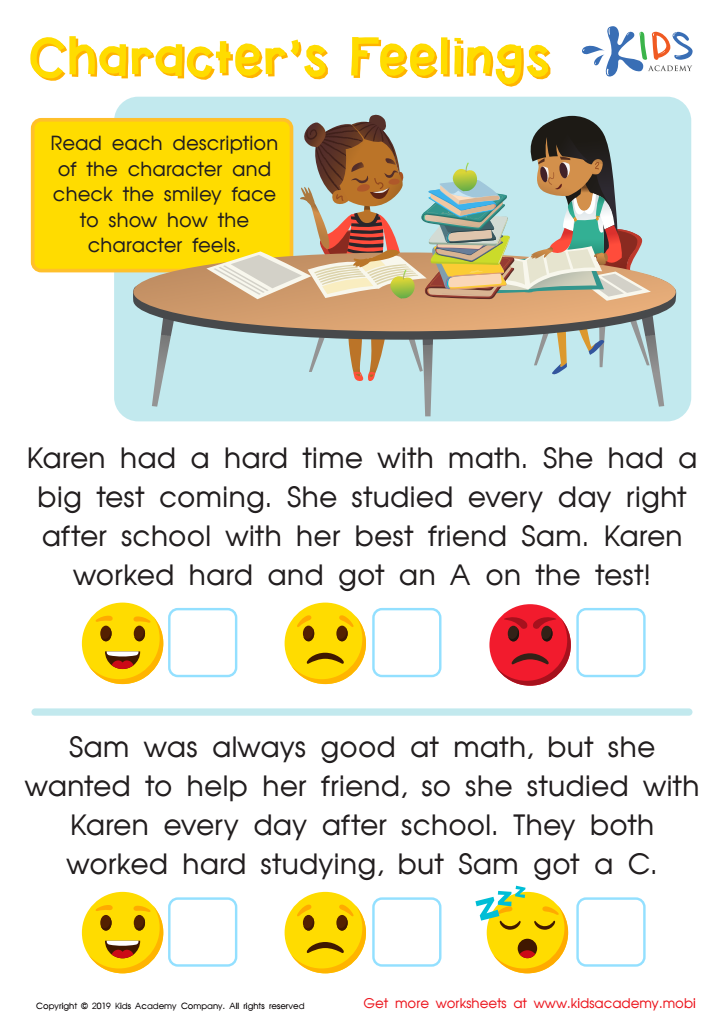
Character’s Feelings Worksheet








Character analysis in reading comprehension is crucial for young children, ages 3-8, as it lays a foundation for their cognitive and emotional development. When parents and teachers focus on character analysis, they help children understand emotions, motivations, and actions, essential for fostering empathy and social skills. By exploring characters, children learn to relate their experiences to those of others, enhancing their ability to interpret and respond to complex social situations.
Engaging in character analysis cultivates critical thinking skills. Children learn to ask questions about a character’s decisions and feelings, promoting analytical reasoning. This practice not only makes reading more enjoyable but also supports overall literacy development.
Additionally, understanding characters introduces young readers to cause-and-effect relationships, improving their ability to follow narratives and grasp thematic lessons. Parents and teachers can use character analysis as a tool to inspire discussions around morals and values, reinforcing the importance of integrity and kindness in personal growth.
Overall, prioritizing character analysis in early reading activities nurtures essential life skills, turning reading into an interactive, thoughtful experience, and equips children with the tools needed for both academic success and emotional intelligence. This attention to character analysis early on ensures a well-rounded foundation for future learning.








