Story comprehension Reading Comprehension Worksheets for Ages 3-8
8 filtered results
-
From - To
Explore our engaging Story Comprehension Reading Worksheets designed for children aged 3-8! These thoughtfully crafted resources enhance reading comprehension skills while building a love for storytelling. Kids will immerse themselves in fun and educational activities that encourage critical thinking, vocabulary development, and imaginative expression. Our worksheets include entertaining stories paired with questions and prompts that foster comprehension and retention. Ideal for classroom use or at-home learning, these worksheets cater to diverse learning styles. Spark your child's passion for reading and storytelling today with our interactive and enjoyable comprehension exercises, perfect for young learners eager to explore the world of books!
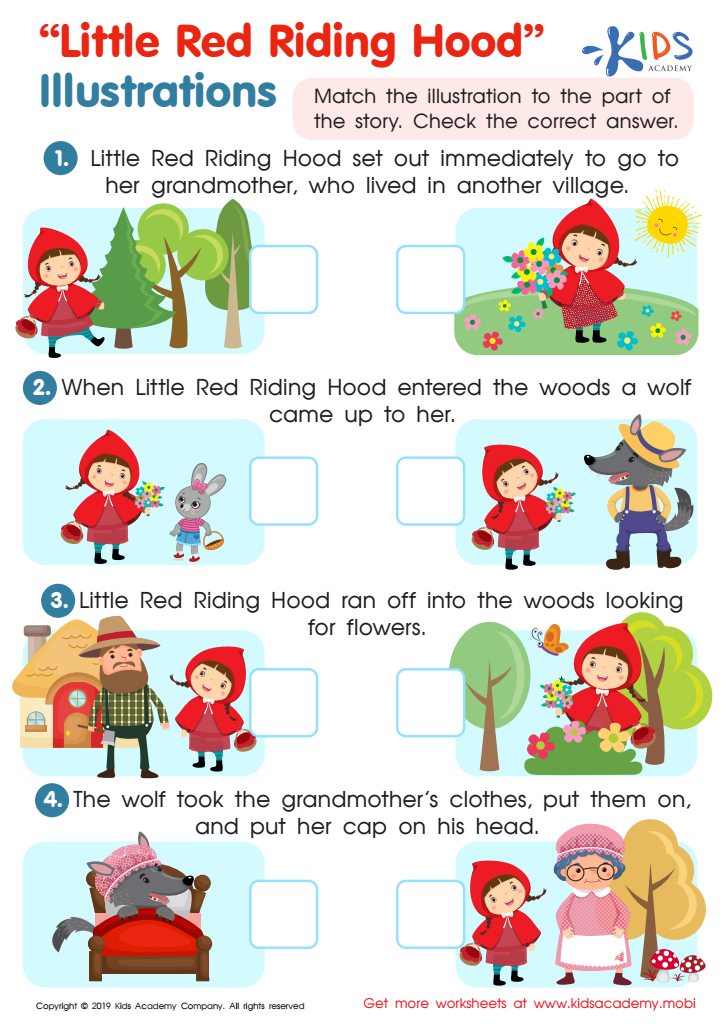
Little Red Riding Hood: Illustrations Worksheet
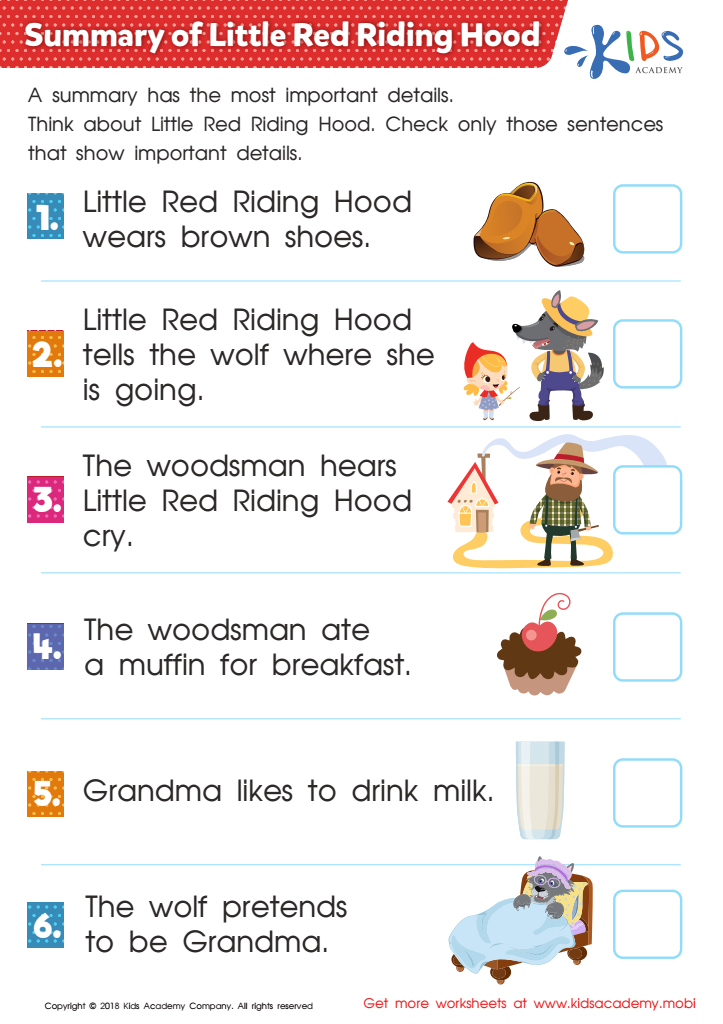
Summary of Little Red Riding Hood Worksheet
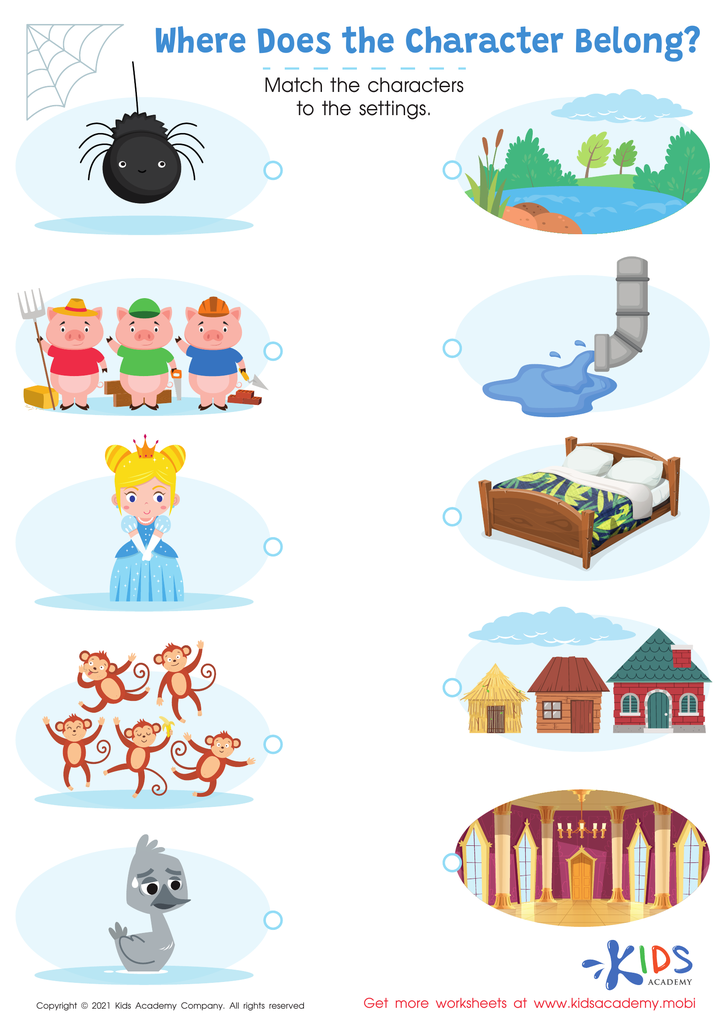
Where Does the Character Belong? Worksheet
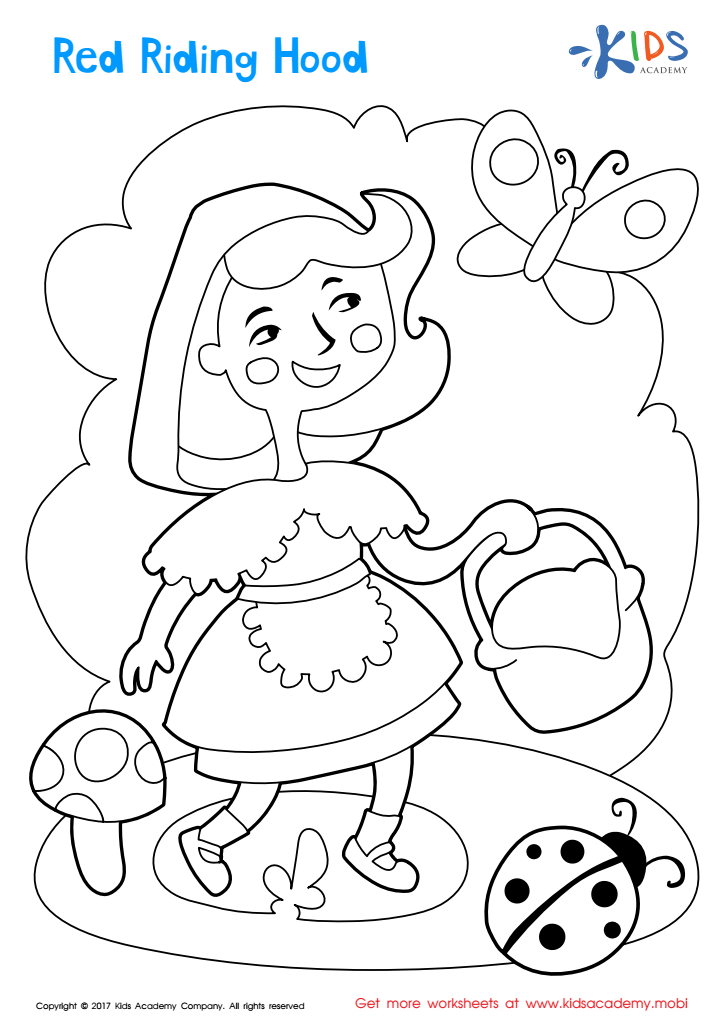
Red Riding Hood Coloring Page
 Assign to My Students
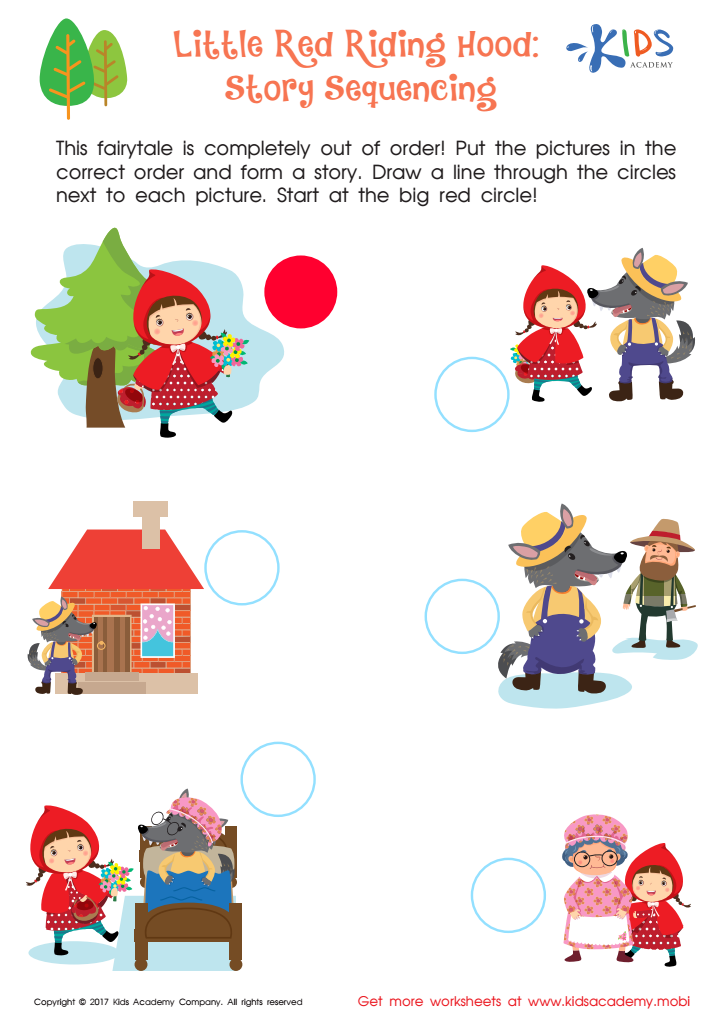
Story Sequencing Printable
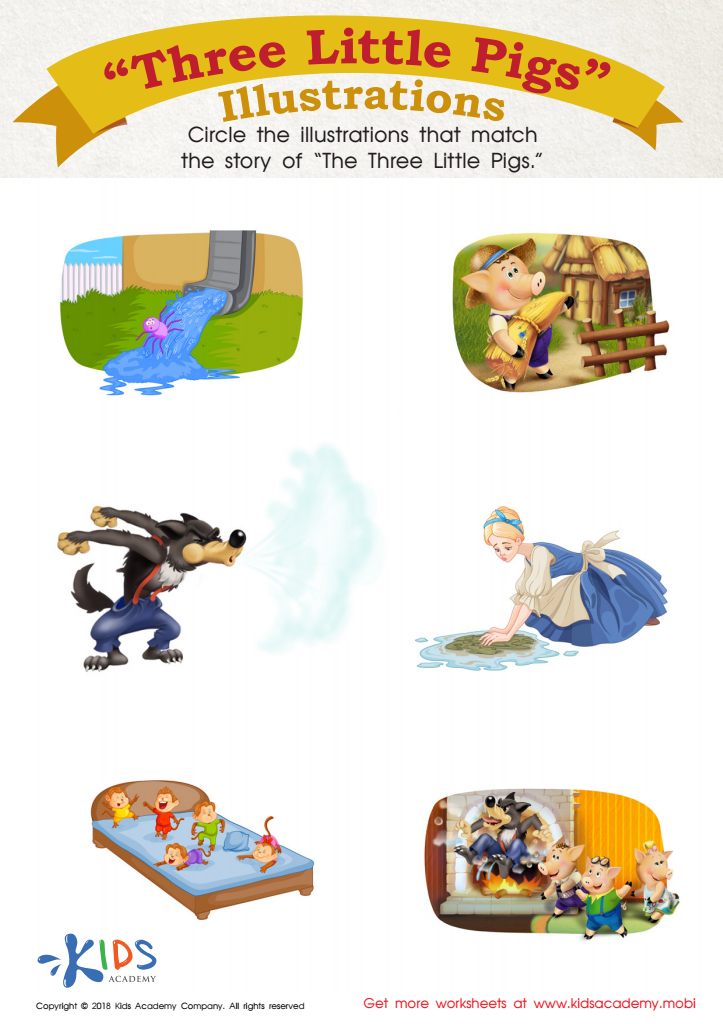
Three Little Pigs: Illustrations Worksheet
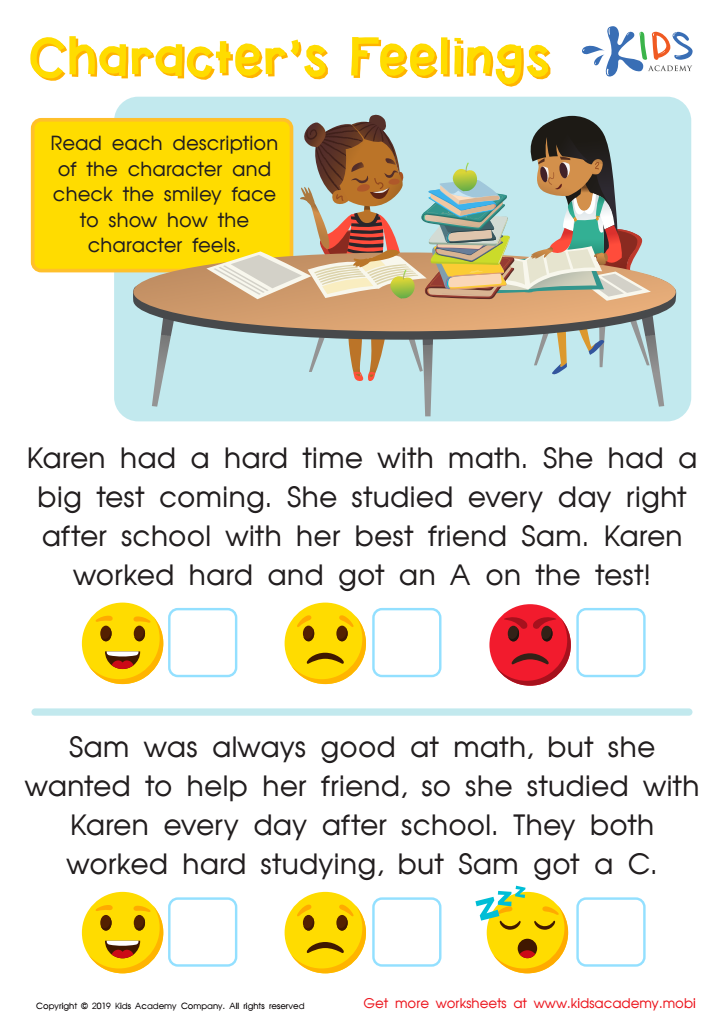
Character’s Feelings Worksheet
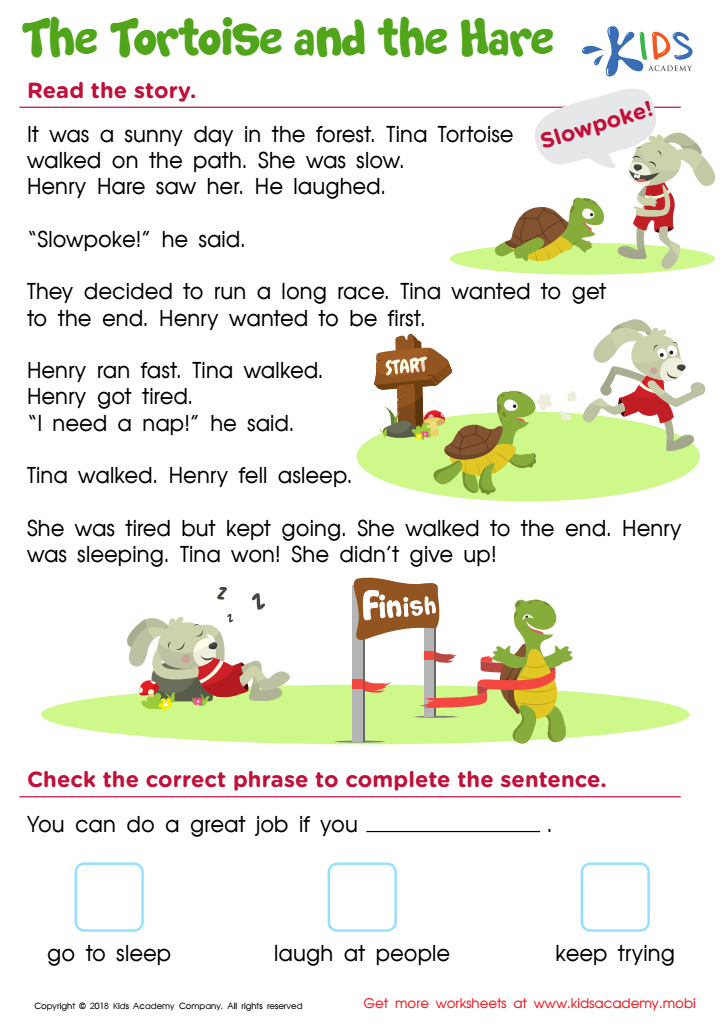
The Tortoise and the Hare Worksheet







Story comprehension is a critical skill for young learners, particularly between the ages of 3 to 8, as it lays the foundation for future literacy and overall academic success. When children comprehend stories, they not only grasp the plot and characters but also engage their imagination and develop critical thinking skills. This ability fosters a deeper understanding of the world around them and enhances their vocabulary and language skills.
For parents and teachers, investing time in story comprehension means nurturing a child's ability to connect ideas and concepts. It promotes empathy as children learn to see through others' perspectives within narratives. This engagement can create a love for reading, instilling habits that will serve them well throughout their lives.
Additionally, strong story comprehension can significantly contribute to a child’s emotional and social development. Understanding themes like friendship, bravery, and problem-solving equips children with essential life skills. For educators, incorporating story comprehension activities into the curriculum can facilitate targeted learning, allowing teachers to monitor progress and address individual needs effectively.
Ultimately, fostering story comprehension in early education enhances cognitive abilities and disposition toward lifelong learning, making it a priority for both parents and teachers.








