Vocabulary Building Reading Comprehension Worksheets for Ages 3-8
16 filtered results
-
From - To
Explore our engaging vocabulary building reading comprehension worksheets designed for children ages 3-8! These interactive activities promote early literacy, helping young learners enhance their vocabulary while improving reading comprehension skills. Each worksheet features fun, age-appropriate themes that encourage creativity and critical thinking. Children will enjoy completing exercises that include matching words with pictures, filling in blanks, and answering questions that reinforce their understanding of new words. Perfect for home, preschools, and kindergartens, our printable resources make learning enjoyable and effective. Boost your child’s confidence in reading and their love of language with our exciting vocabulary building worksheets!
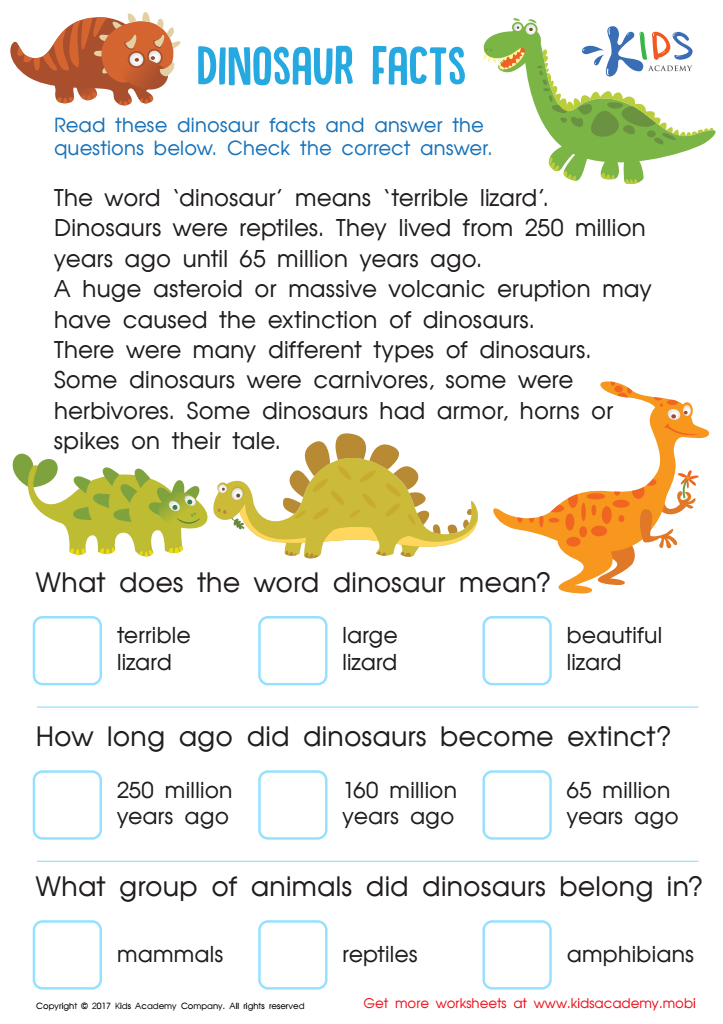
Dinosaur Facts Worksheet
 Assign to My Students
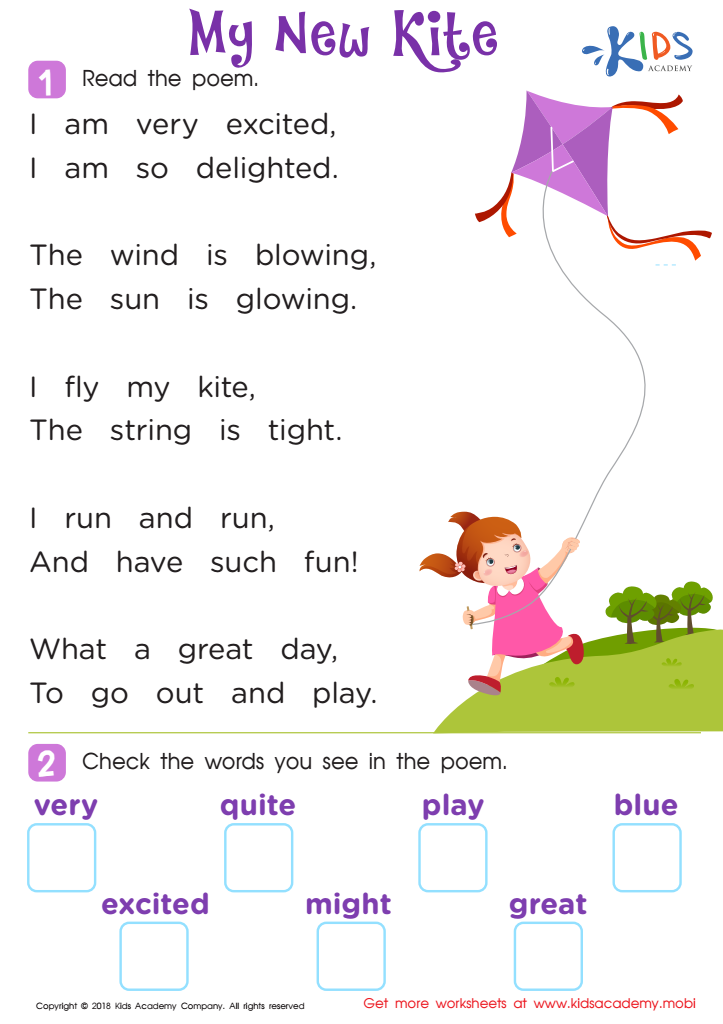
Poem: My New Kite Worksheet
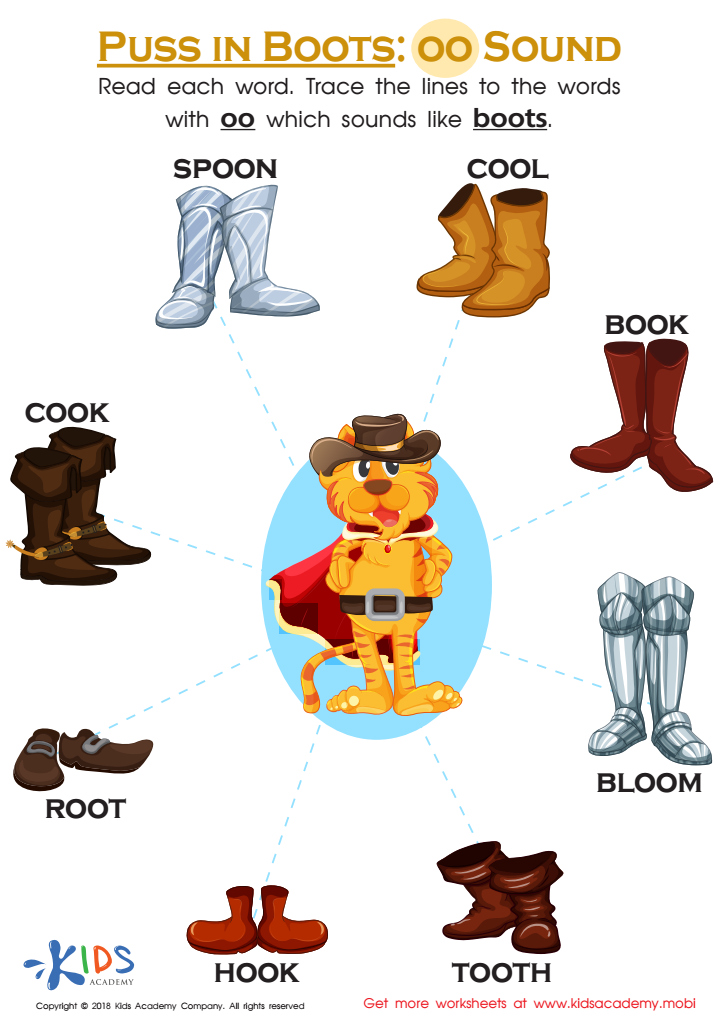
Puss in Boots: OO Sound Worksheet
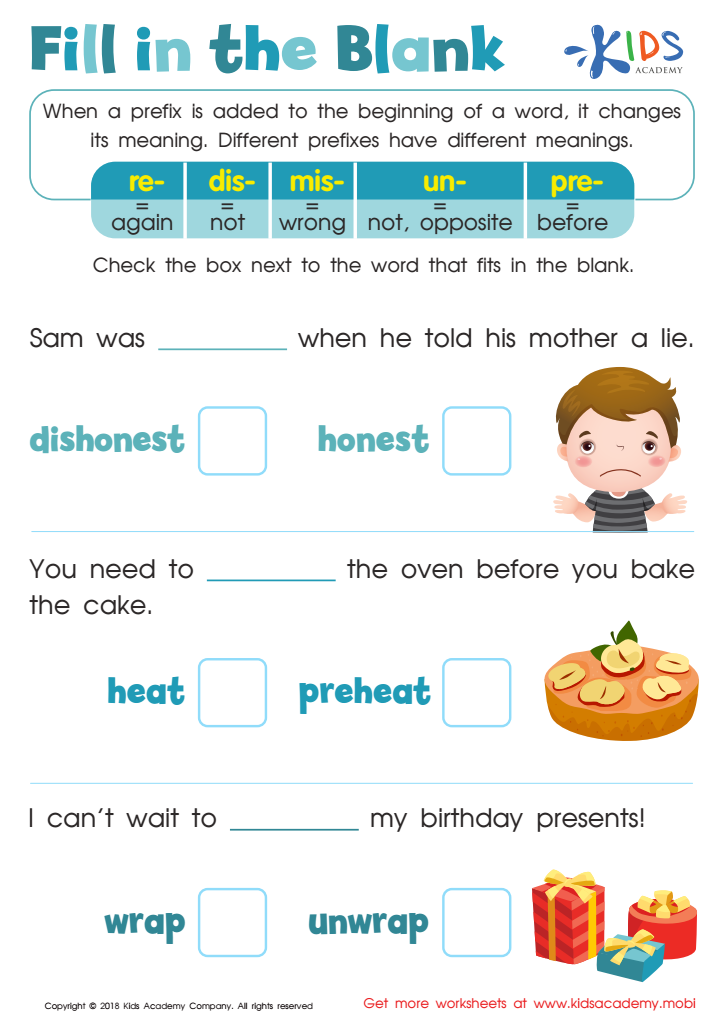
Reading: Fill in the Blank Worksheet
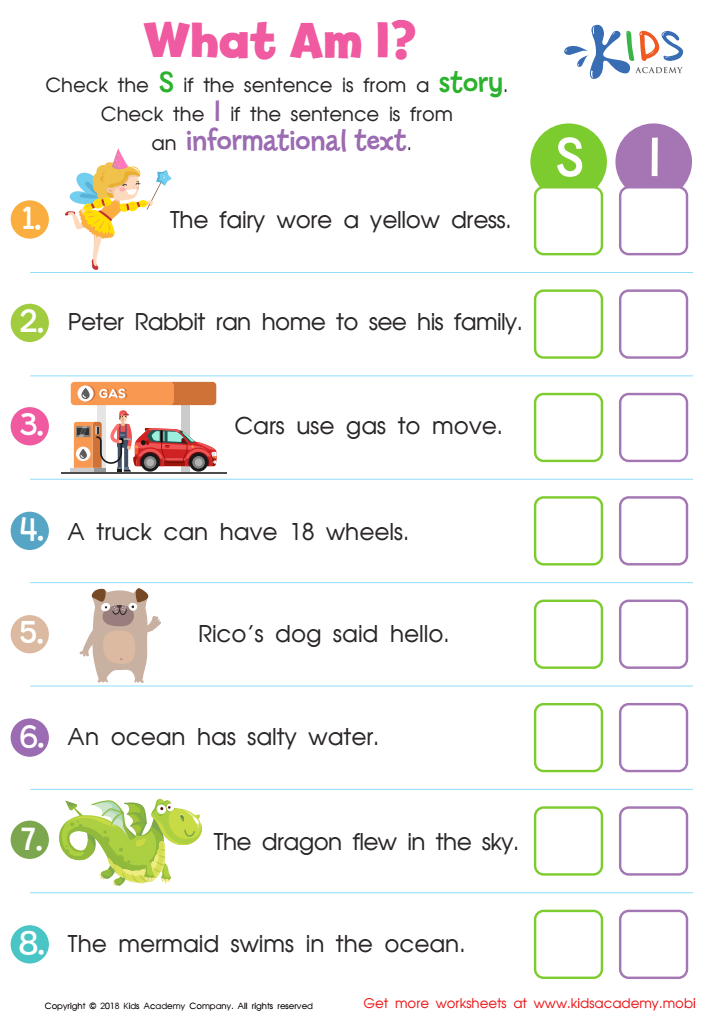
What Am I? Worksheet
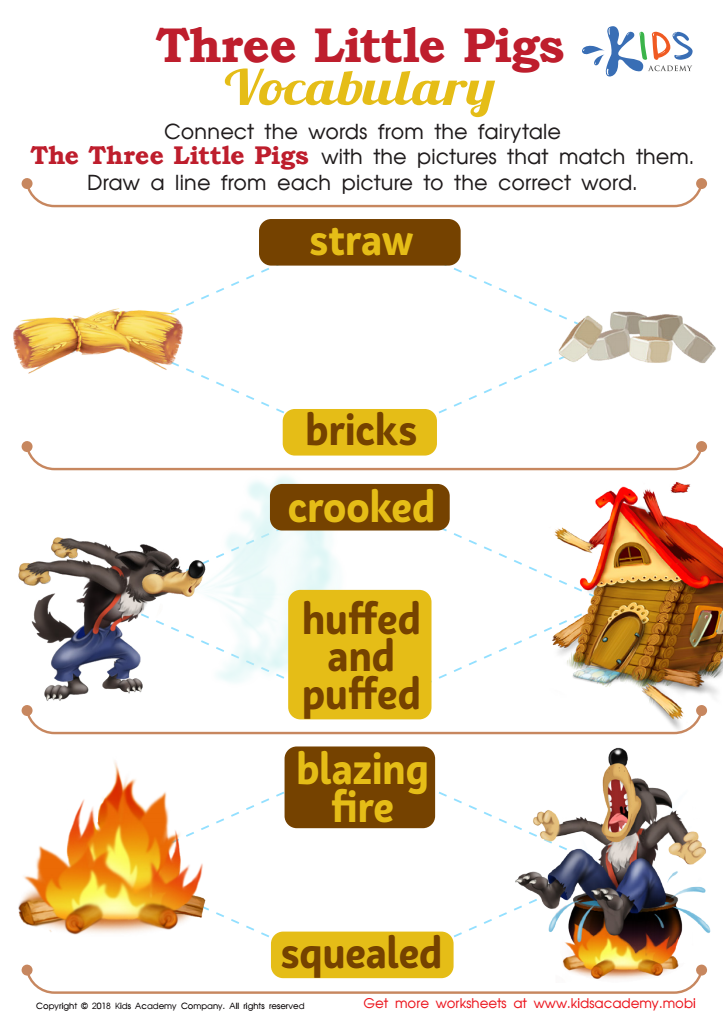
Three Little Pigs Vocabulary Worksheet
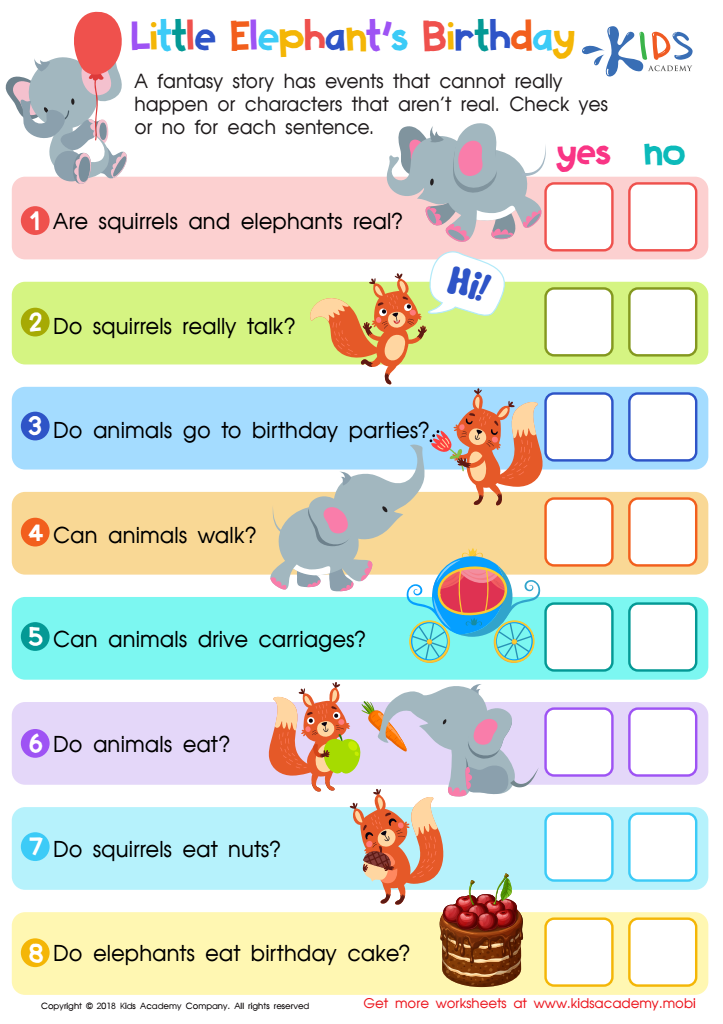
Little Elephant's Birthday Worksheet
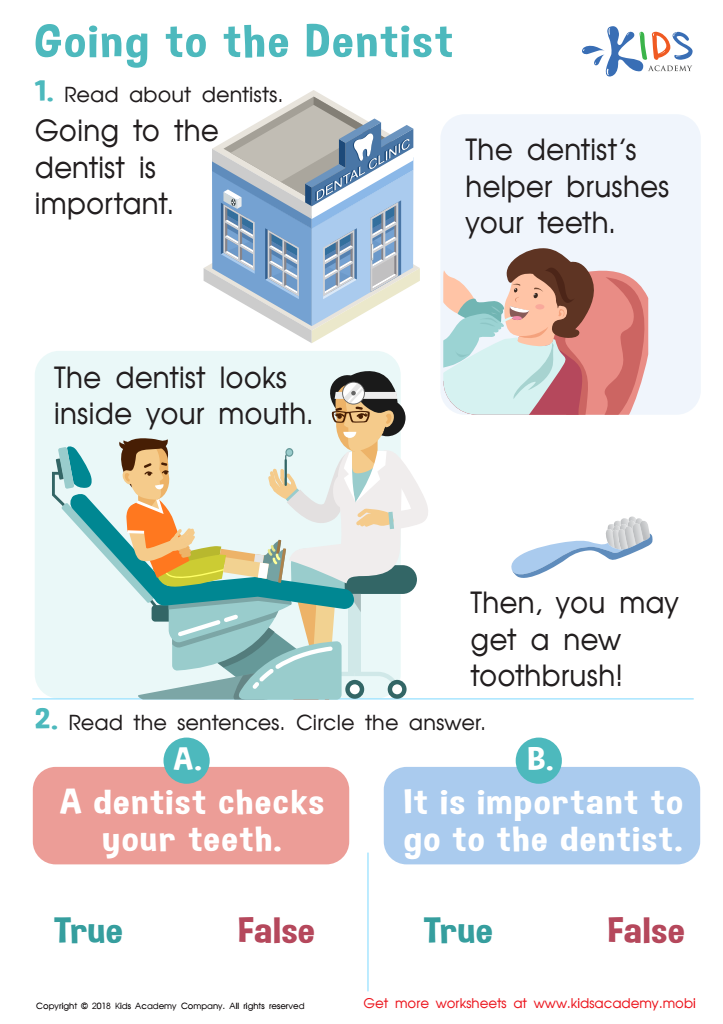
Going to the Dentist Part 2 Worksheet
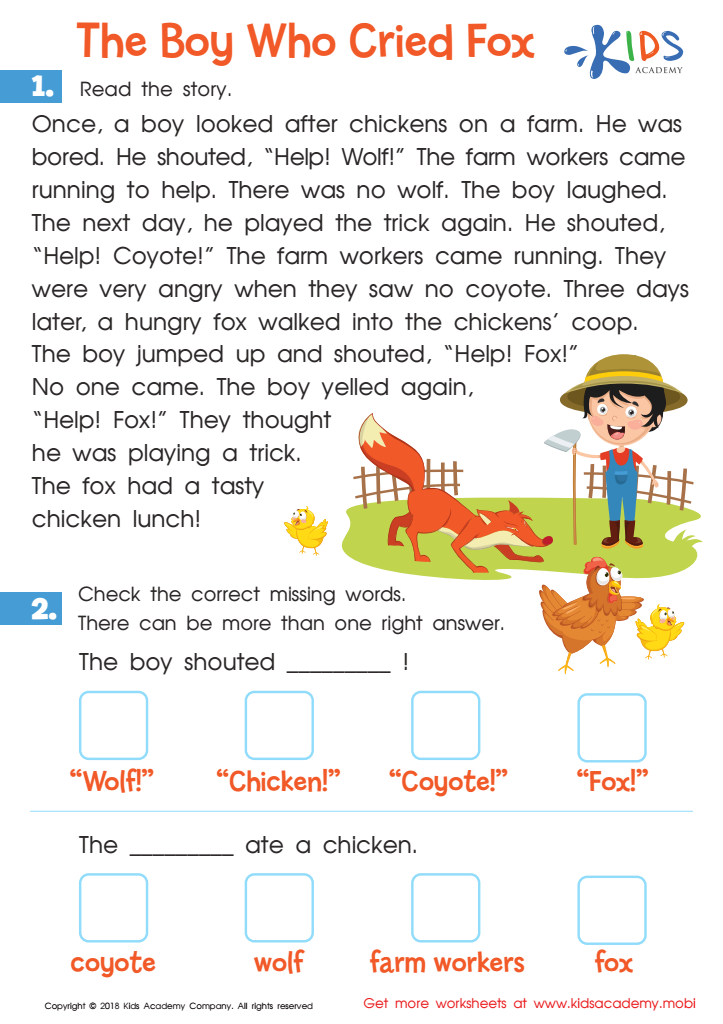
The Boy Who Cried Fox Worksheet
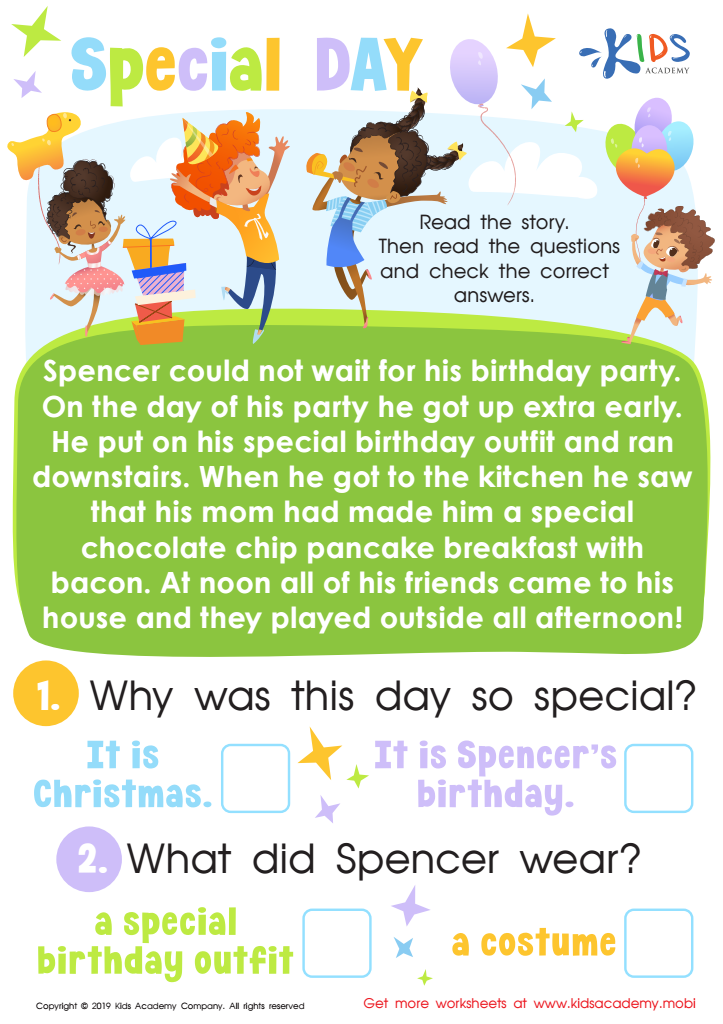
Special Day Worksheet
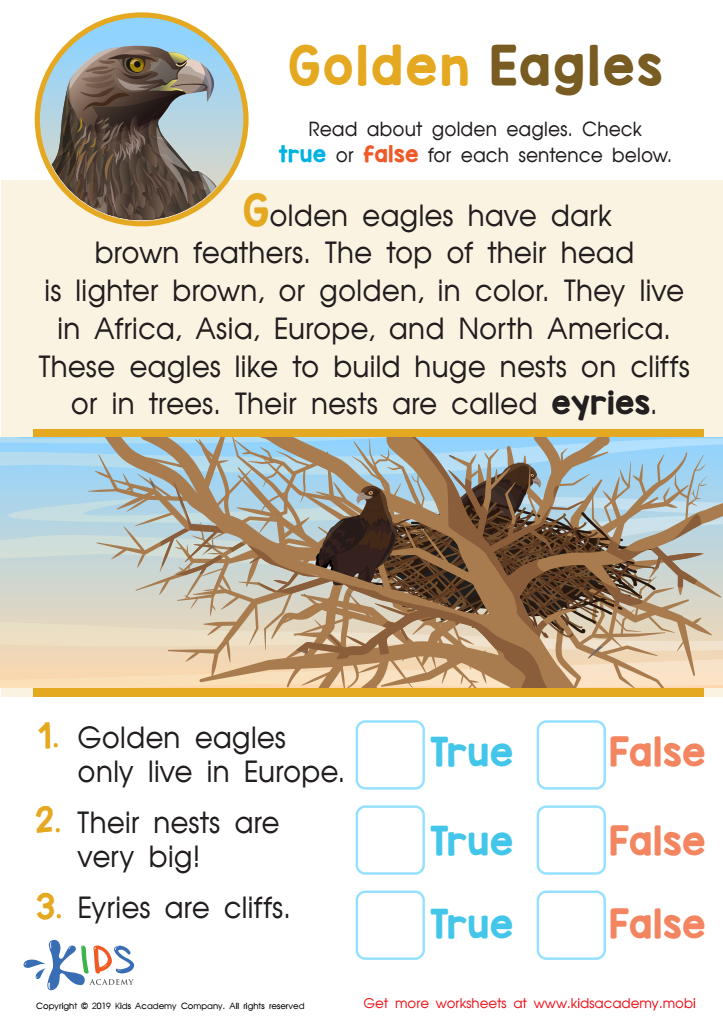
Golden Eagles Worksheet
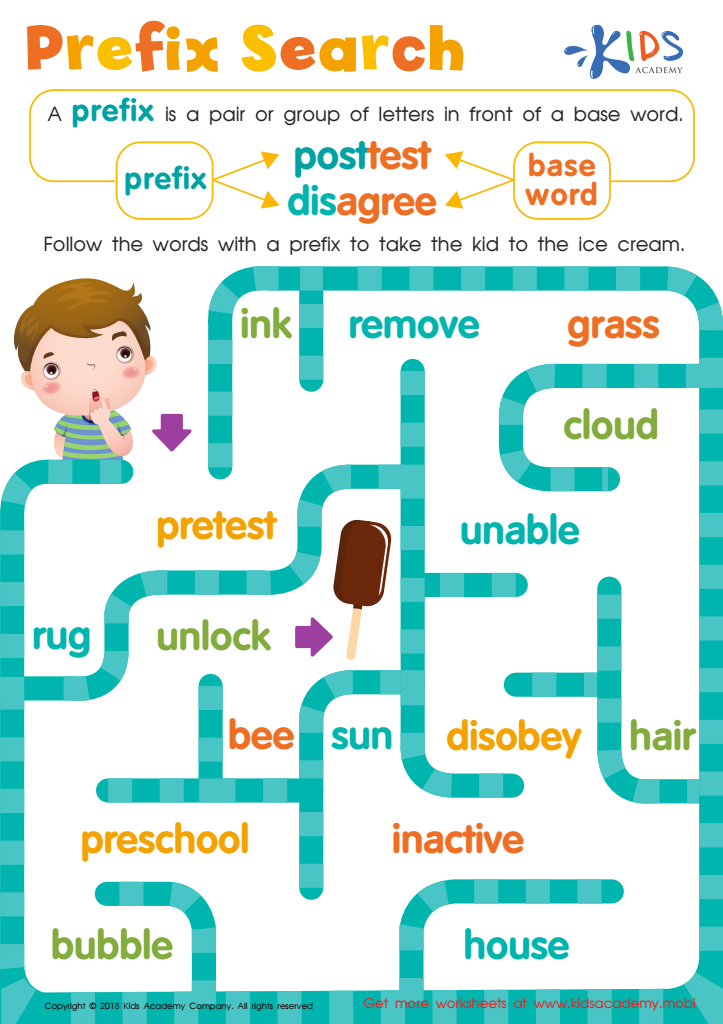
Reading: Prefix Search Worksheet
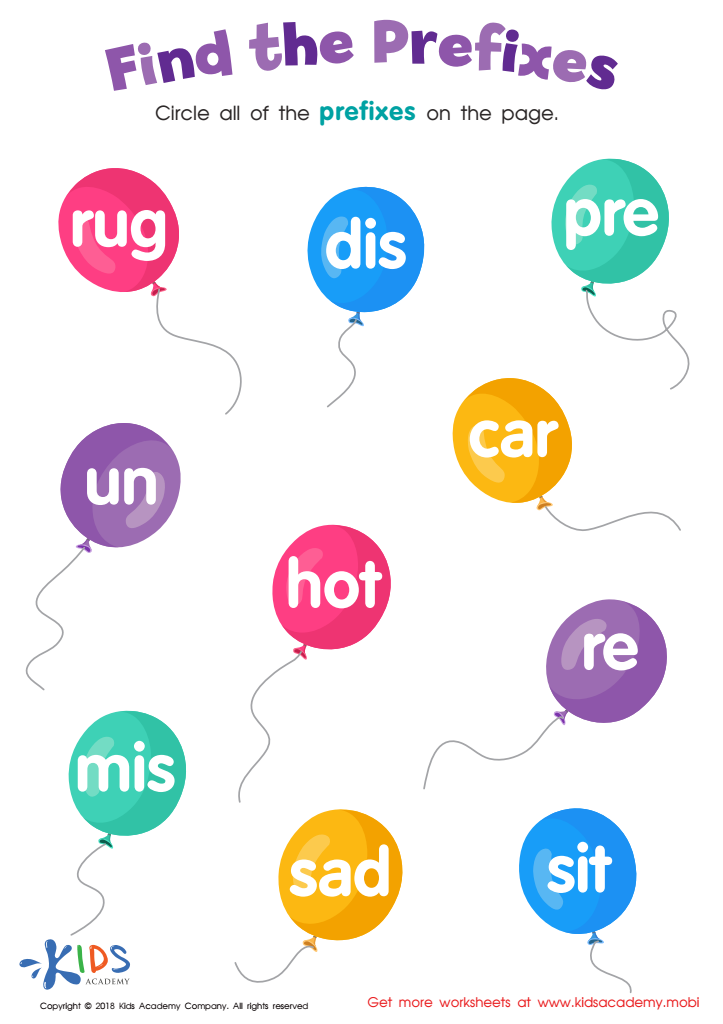
Reading: Find the Prefixes Worksheet
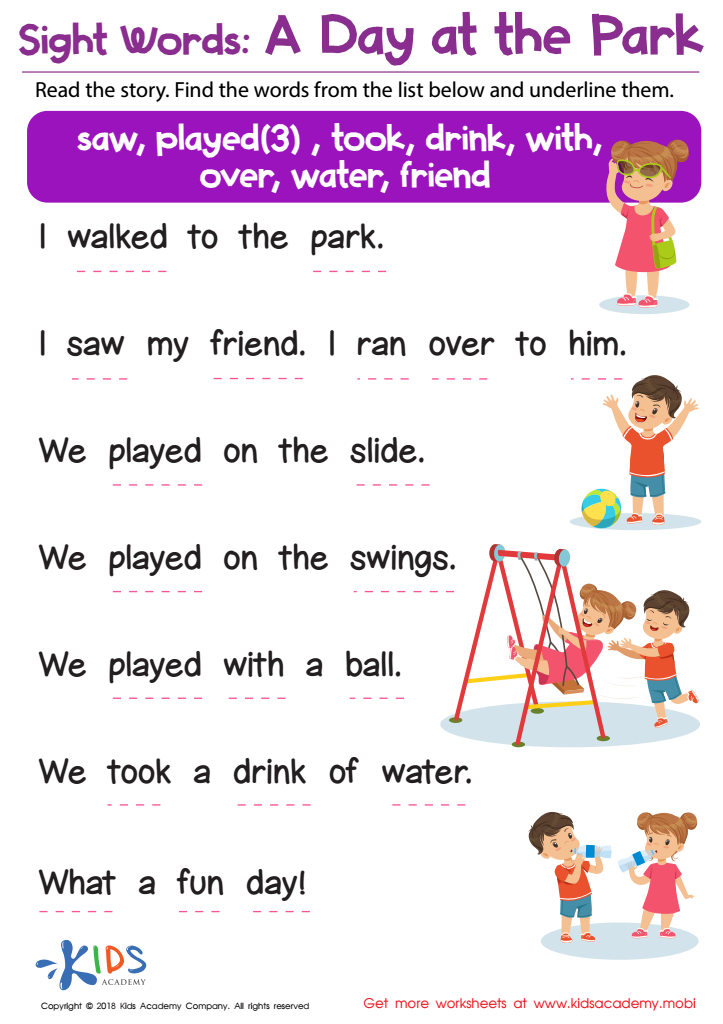
Sight Words: A Day at the Park Worksheet
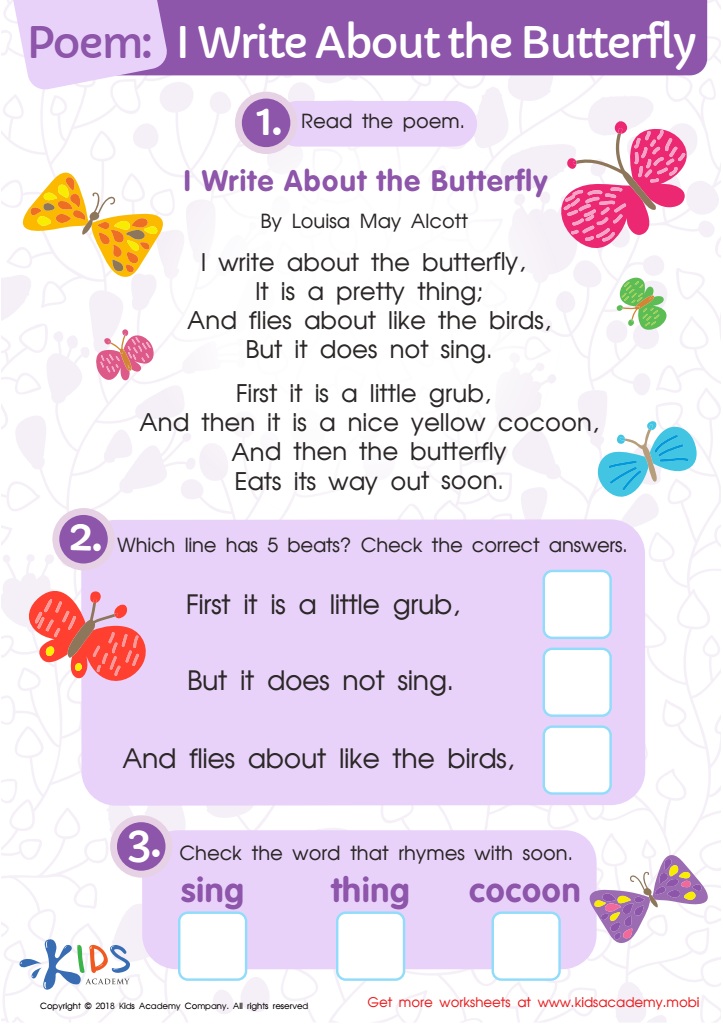
Poem: I Write About The Butterfly Worksheet
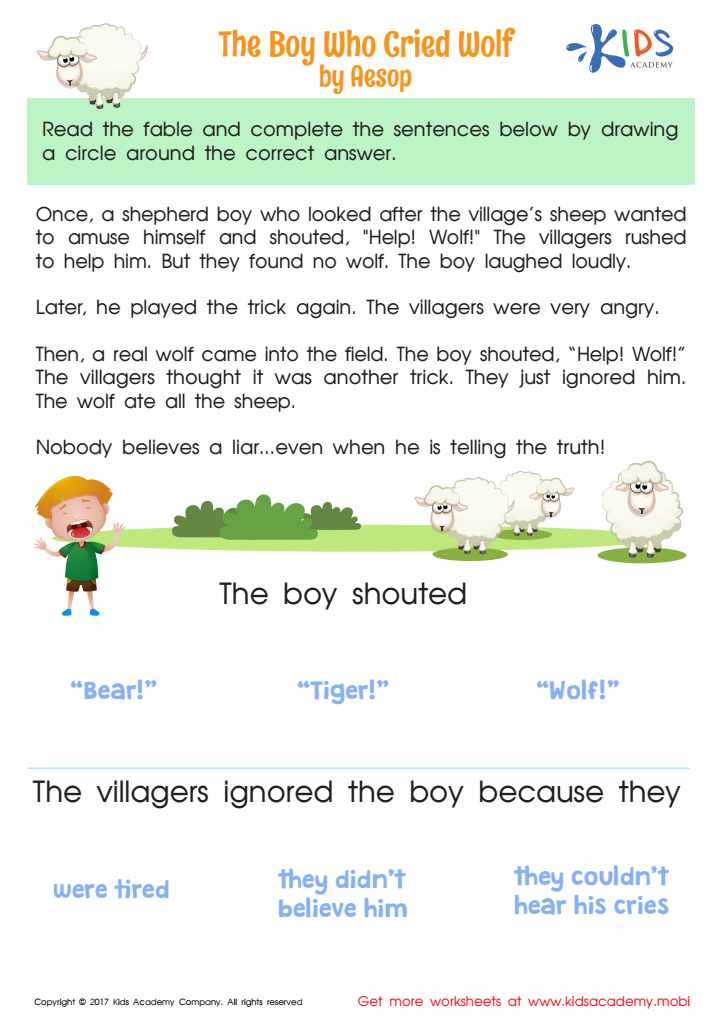
The Boy Who Cried Wolf Worksheet








Vocabulary building and reading comprehension are crucial components of early childhood education, significantly impacting a child's cognitive development and academic success. For children aged 3-8, a strong vocabulary provides the foundation for effective communication and understanding of the world around them. When parents and teachers prioritize vocabulary development, they foster a love for language, helping children express their thoughts, feelings, and ideas more clearly.
At this age, children rapidly acquire language skills. Engaging in activities such as reading together, storytelling, or word games enhances their vocabulary and comprehension abilities. This builds not only linguistic skills but also critical thinking and problem-solving capabilities. Furthermore, children with a rich vocabulary tend to excel in reading comprehension, allowing them to make connections between texts, predict outcomes, and draw inferences.
Moreover, reading comprehension is crucial for success in all subjects, as it influences the ability to analyze information in mathematics, science, and social studies. By investing time in vocabulary building and reading comprehension, parents and teachers equip children with essential tools for lifelong learning. Ultimately, fostering these skills cultivates confident learners who are better prepared for school and beyond. Prioritizing early literacy development shapes future academic achievements and nurtures a curious, engaged mindset.








