Enhancing vocabulary Reading Fiction Worksheets for Ages 3-8
4 filtered results
-
From - To
Discover our engaging "Enhancing Vocabulary Reading Fiction Worksheets" designed specifically for children aged 3 to 8. These interactive worksheets foster a love for reading while building essential vocabulary skills. Through colorful illustrations and captivating storylines, young learners will enhance their word recognition and comprehension abilities. Each worksheet encourages children to explore new words in context, making learning fun and effective. Ideal for both classroom and home use, our resources help educators and parents support language development in an enjoyable way. Empower your child’s literacy journey with these creative and educational tools that make vocabulary-building an adventure!
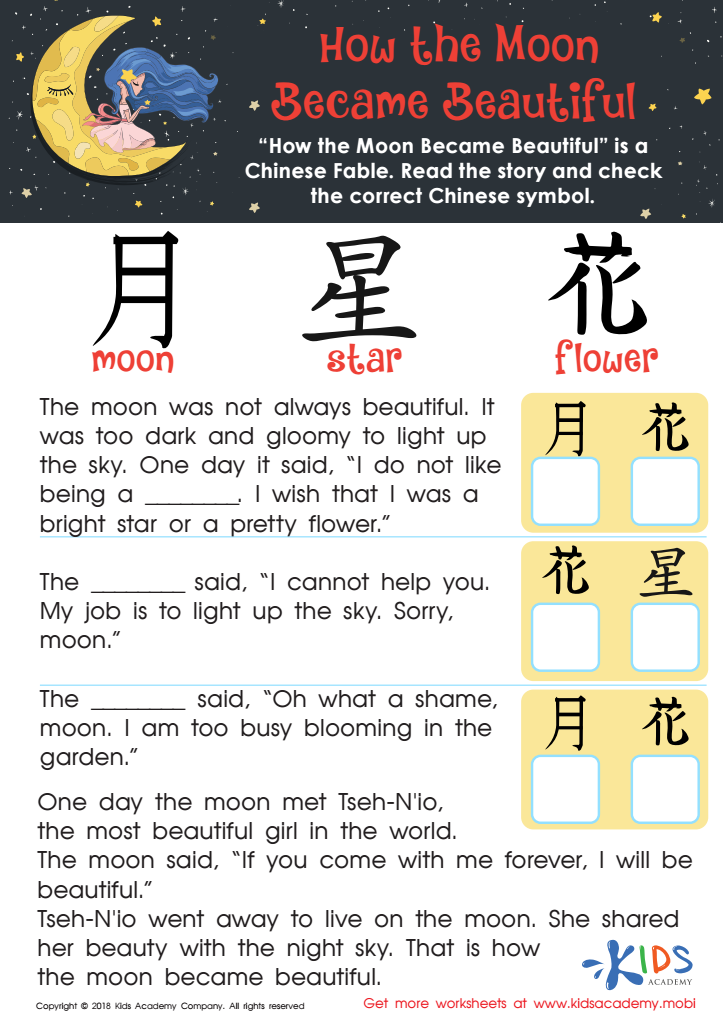
How the Moon Became Beautiful Worksheet
 Assign to My Students
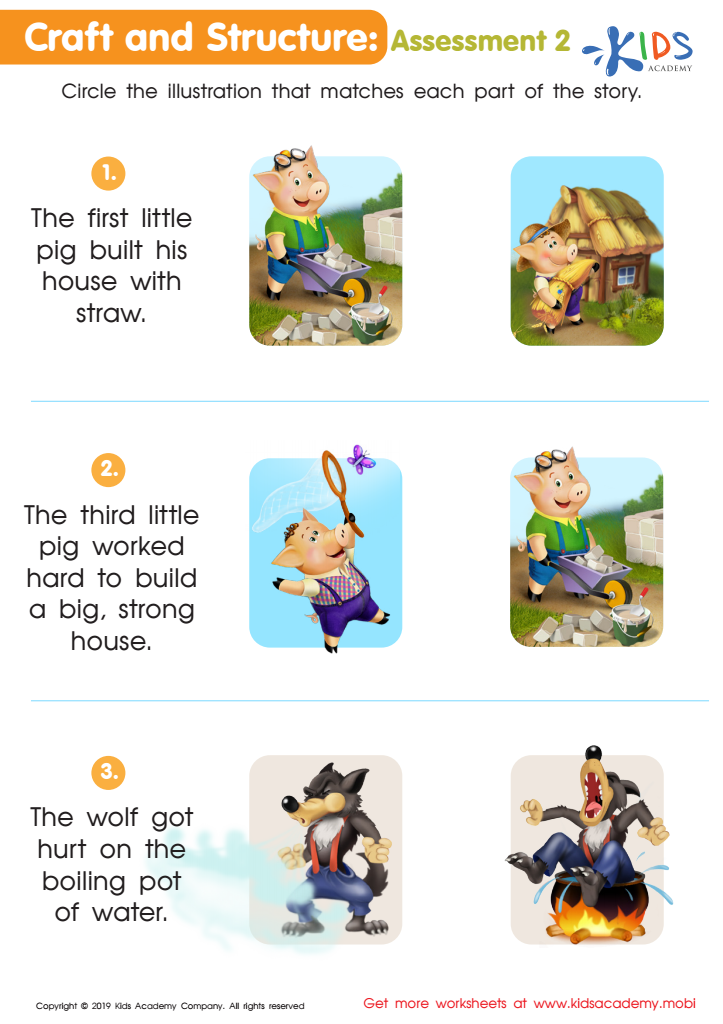
Craft and Structure: Assessment 2 Worksheet 2
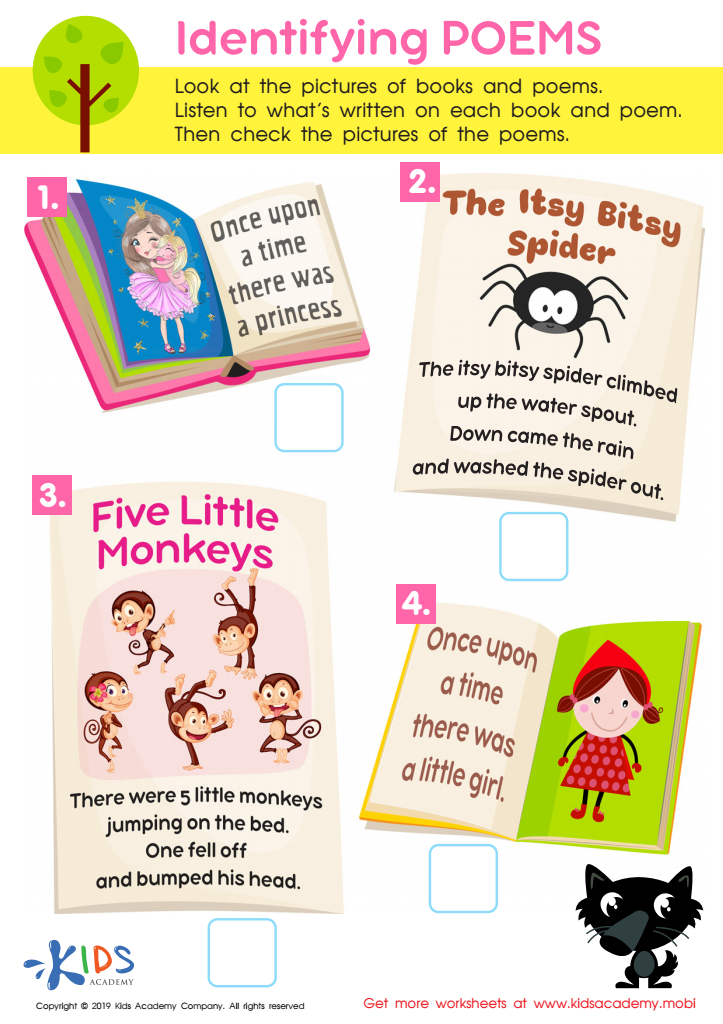
Identifying Poems Worksheet
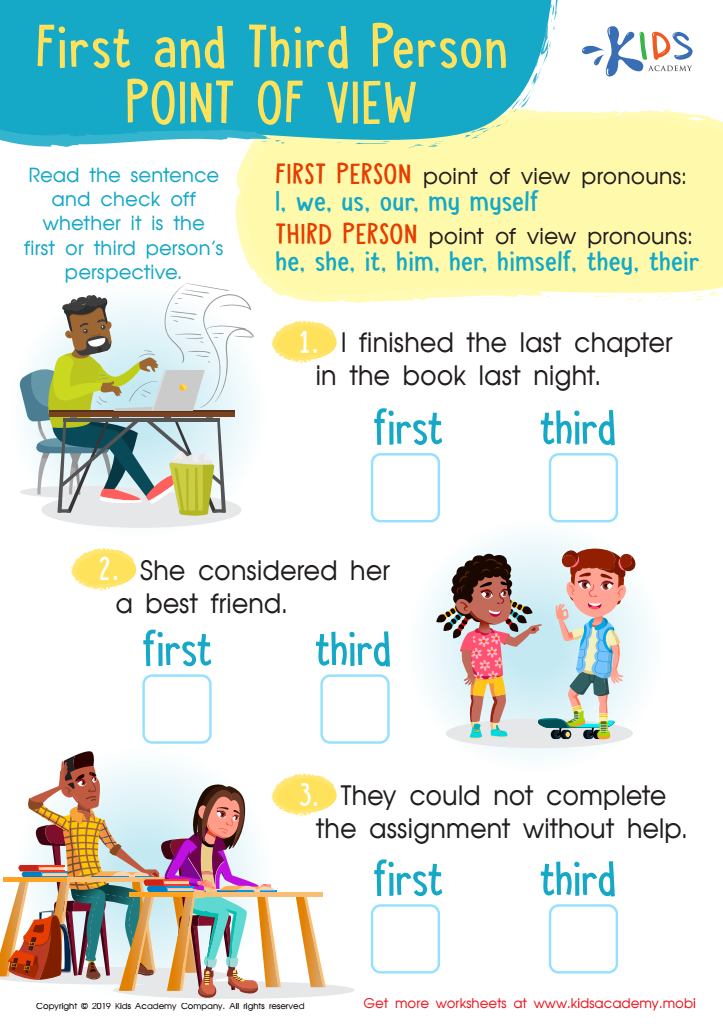
First and Third Person Point of View Worksheet




.jpg)
.jpg)

Enhancing vocabulary through reading fiction for children aged 3-8 is essential for their cognitive and linguistic development. During these formative years, children are incredibly receptive to language and learning, making exposure to rich, diverse vocabulary crucial. Fiction presents new words in contextual settings, helping children understand meanings, pronunciation, and usage in a way that is often more engaging than rote memorization.
Moreover, reading fiction fosters imagination and creativity, allowing children to explore different worlds and perspectives. It stimulates critical thinking as they analyze stories, predict outcomes, and relate to characters. This imaginative play enhances verbal skills and encourages discussions around themes and emotions, allowing for a deeper understanding of language nuances.
From a parental and educational perspective, investing time in reading fiction creates meaningful bonding experiences and instills a love for reading that can last a lifetime. Additionally, strong vocabulary correlates with academic success, as it aids in comprehension and expression in other subjects. Ultimately, prioritizing vocabulary development by engaging with fictional stories equips children with the tools they need for effective communication and a lifelong enthusiasm for learning.








