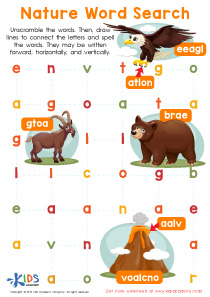
Math problem-solving Sight Words Worksheets for Ages 3-8
6 filtered results
-
From - To
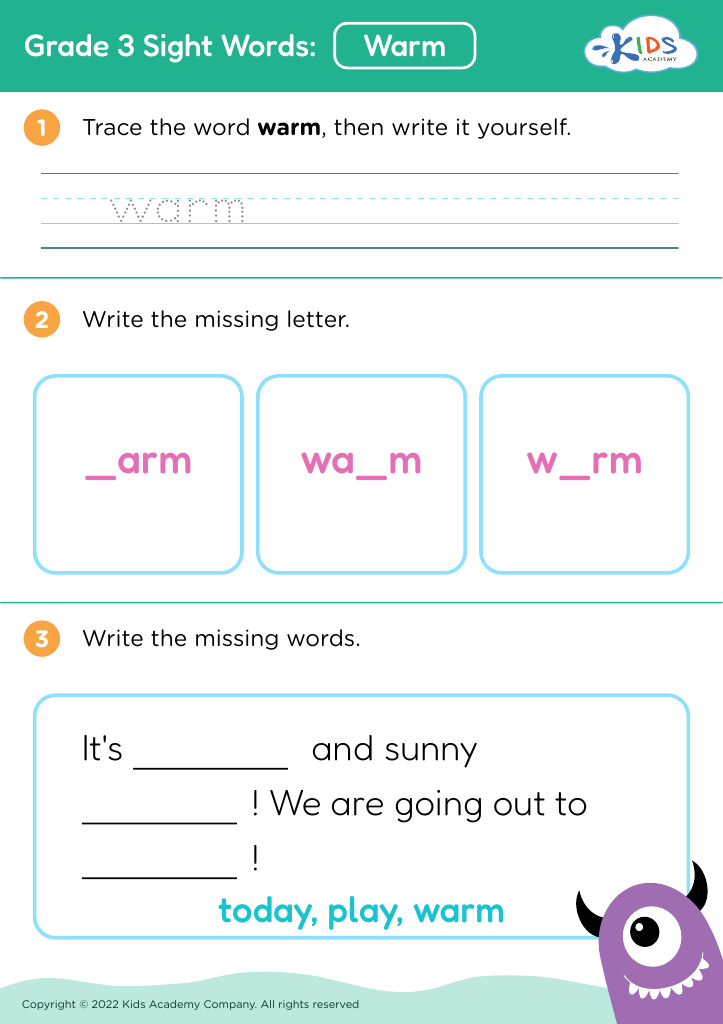
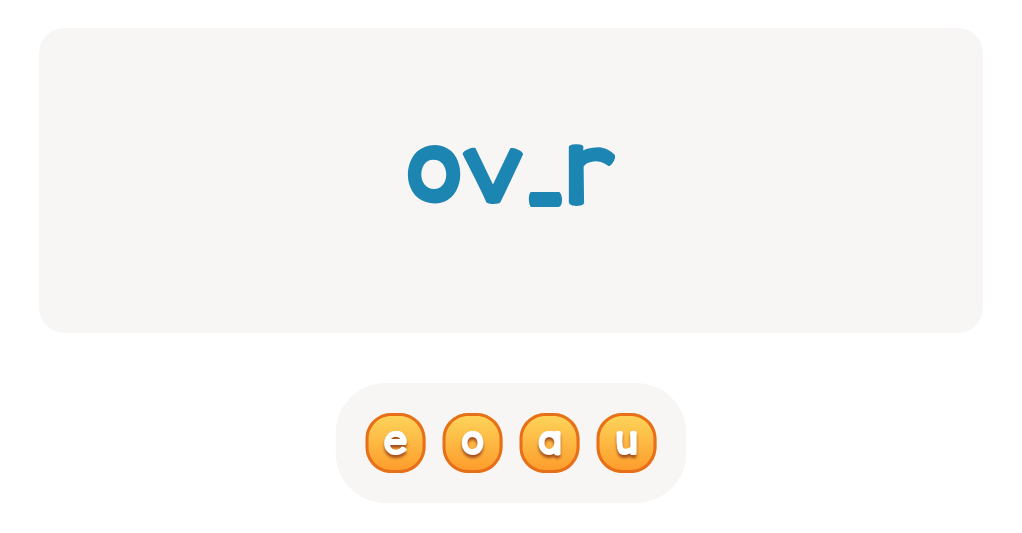
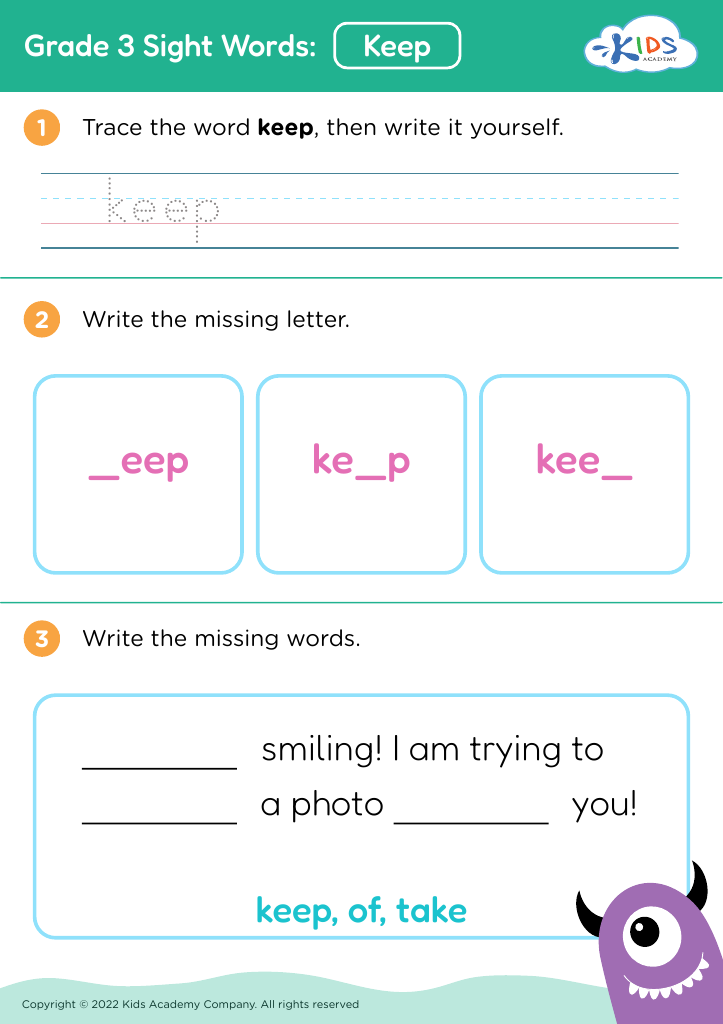
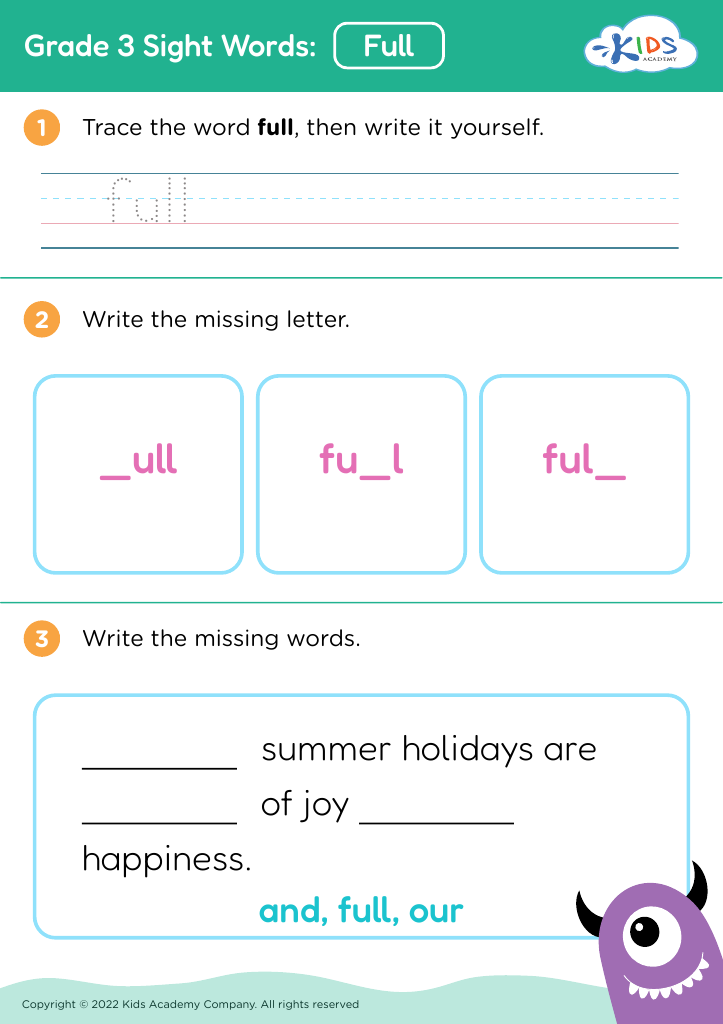
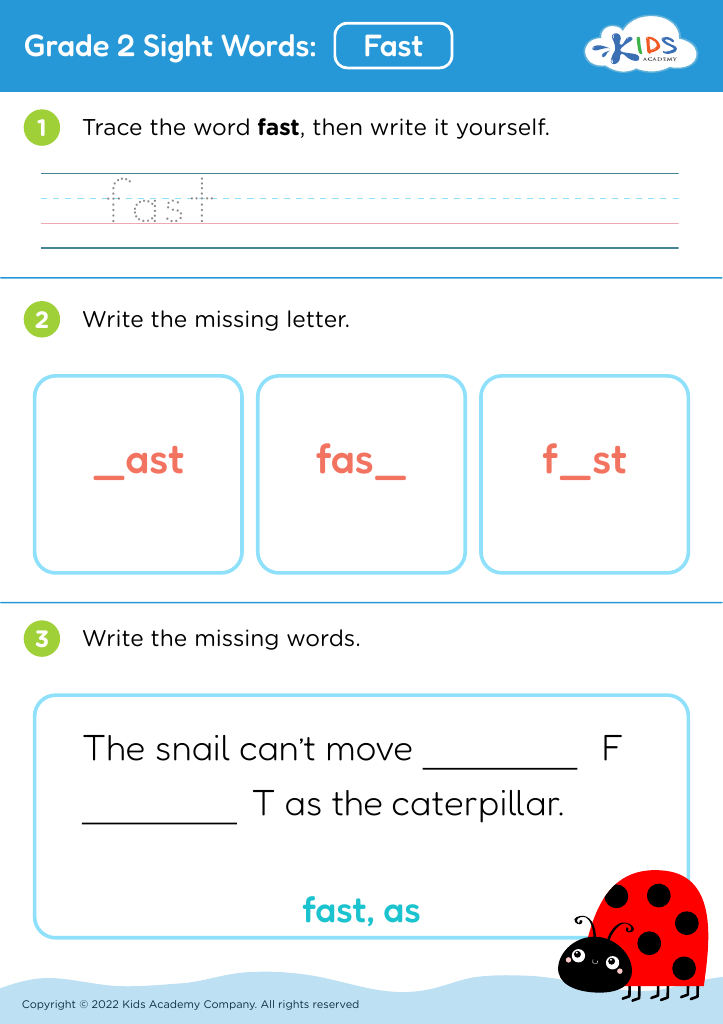
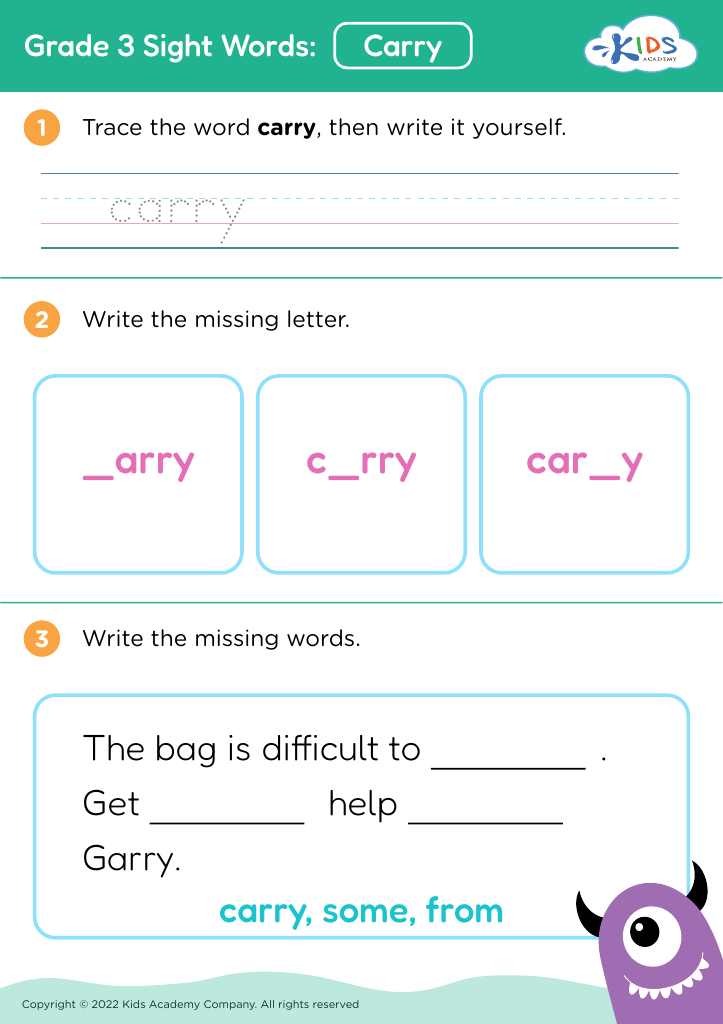
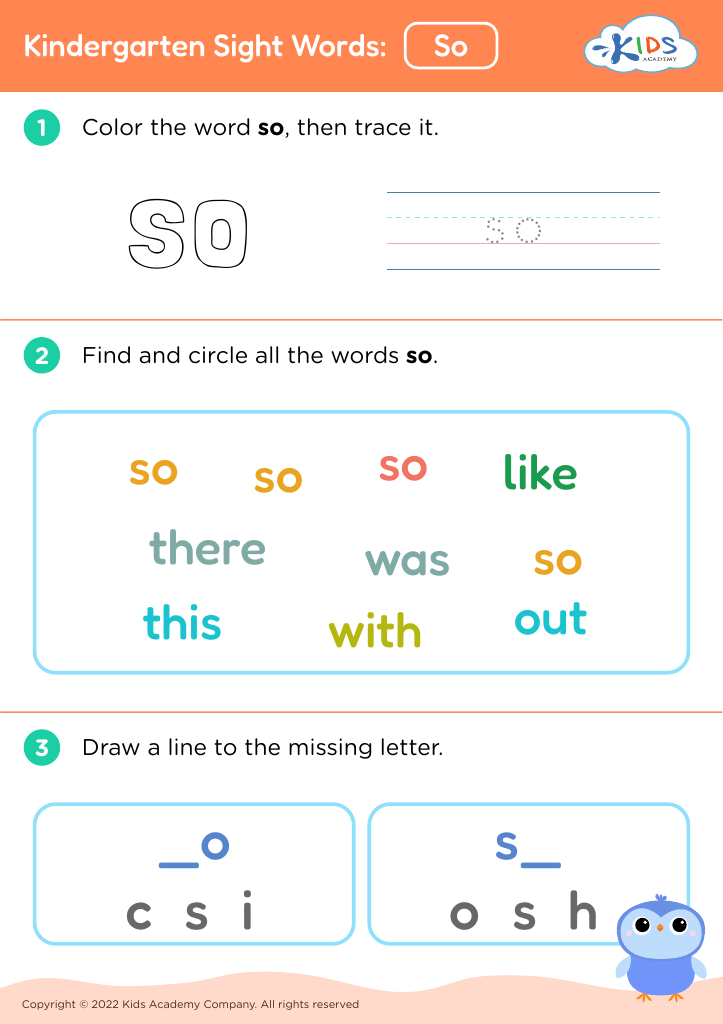
Discover the perfect blend of math and literacy with our "Math Problem-Solving Sight Words Worksheets" designed for ages 3-8. These engaging worksheets aid in the development of essential reading skills while simultaneously honing problem-solving abilities in young learners. Each worksheet is crafted to introduce and reinforce key sight words within stimulating math contexts, making learning both fun and effective. Encourage your child to build a strong foundation in both subjects with tailored activities that promote critical thinking and comprehension. Ideal for preschoolers and early grade schoolers, our worksheets provide a rich, dual-learning experience for your little one.













.jpg)
Understanding math problem-solving sight words is crucial for young children aged 3-8 as it lays the foundation for future academic success and everyday problem-solving skills. At this developmental stage, children are natural sponges when it comes to learning. Integrating sight words specific to math helps in numerous ways.
Firstly, familiarity with math-related vocabulary such as “sum,” “divide,” “minus,” or “equal” assists children in grasping basic math concepts more easily. Recognizing these words instantly reduces cognitive load, allowing children to focus on solving the problems rather than deciphering instructions.
Secondly, early exposure to math sight words boosts confidence and reduces math anxiety. When children can quickly understand and process what is asked of them, they are more likely to engage positively and enthusiastically with math.
Additionally, math vocabulary is foundational not only for basic arithmetic but also for more complex subjects such as geometry, fractions, and algebra down the line. This foundation provides a seamless progression into advanced math, ensuring that children are not disadvantaged from the start.
Finally, parents and teachers who prioritize math problem-solving sight words contribute to a child's overall language development, analytical thinking, and problem-solving skills. These abilities are invaluable both academically and in real-life situations. Therefore, investing in this aspect of early education benefits children comprehensively.