Subtraction practice Sight Words Worksheets for Ages 3-8
4 filtered results
Difficulty Level
Grade
Age
-
From - To
Subject
Activity
Standards
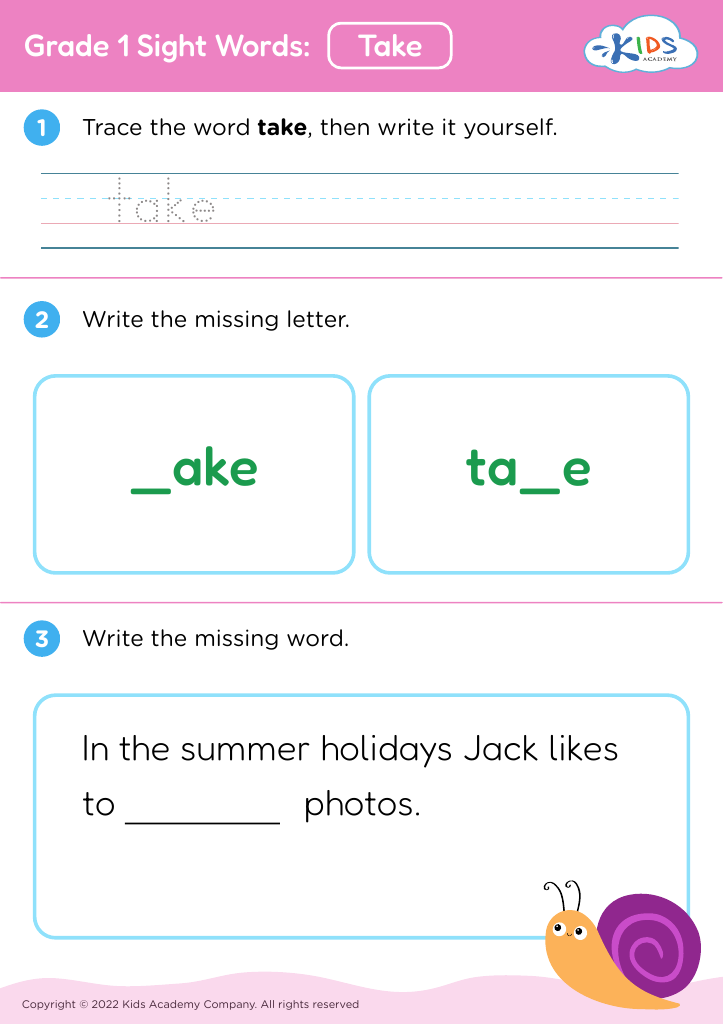
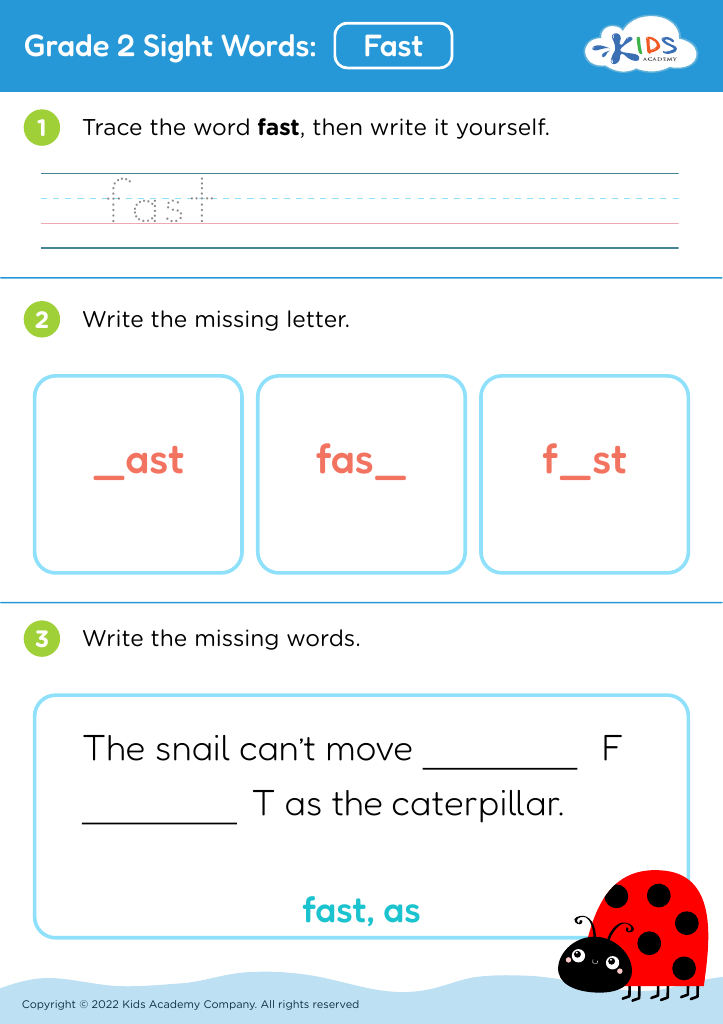
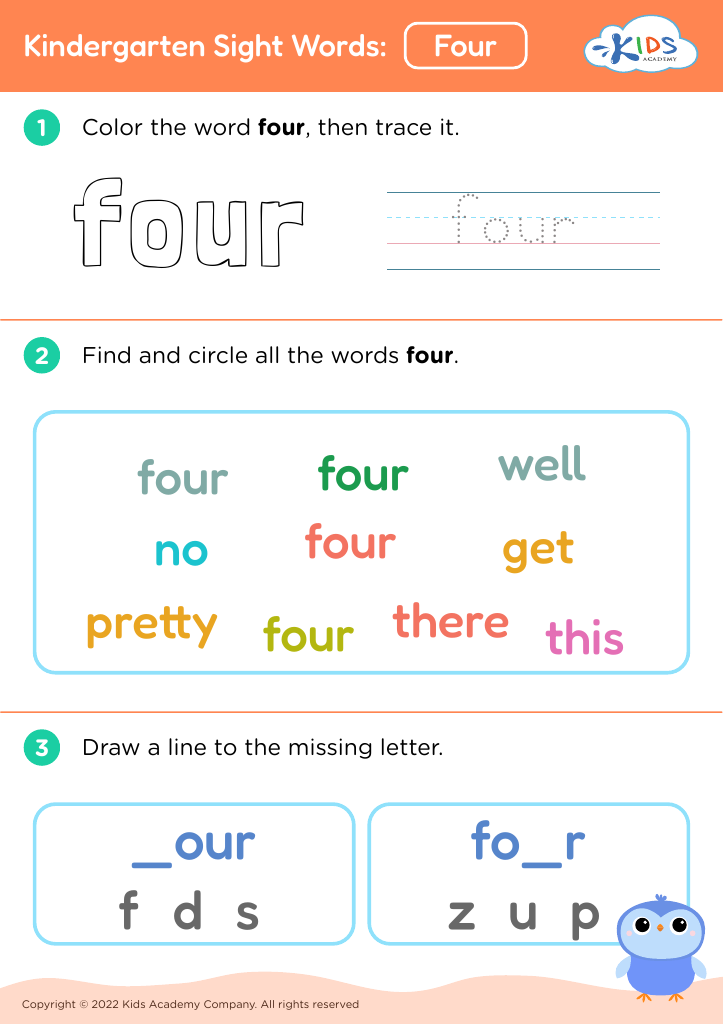
Explore our Subtraction Practice Sight Words Worksheets, designed specifically for children ages 3-8! These interactive worksheets combine the foundational skills of reading sight words with essential subtraction practice, promoting both literacy and numeracy. Engaging and visually appealing, each worksheet encourages young learners to recognize words while applying subtraction in fun and meaningful ways. Ideal for classrooms or at-home learning, our resources help build confidence and fluency. Empower your child with the tools they need for academic success and watch as they develop critical thinking skills in a playful environment. Perfect for parents and educators looking to enrich early learning experiences!
Favorites
With answer key
Interactive






Join Kids Academy for Free
Who is primarily going to use this learning content?








Subtraction practice and sight words play a crucial role in the development of early learners aged 3-8, shaping their foundational skills in mathematics and literacy. For young children, mastering subtraction not only enhances their numeracy but also nurtures critical thinking and problem-solving abilities. When they practice subtraction, they begin to understand the concepts of quantity, relationships between numbers, and how to manipulate them—skills essential for more advanced math later on.
Simultaneously, sight words are indispensable for reading fluency. Recognizing these common words instantly helps young learners decode texts more effortlessly, boosting their confidence and encouraging a love for reading. Familiarity with sight words lays the groundwork for comprehension and expression, making it easier for children to engage with stories and written content intuitively.
Moreover, practicing subtraction and sight words together can create a holistic learning approach, where children can experience interdisciplinary connections. For instance, number-related games involving subtraction can be blended with reading activities, enhancing both skill sets in an interactive way. Thus, parents and teachers should prioritize these core activities to foster well-rounded development, ensuring children thrive academically and socially as they build essential life skills.