Learning about ecosystems Animals Worksheets for Ages 3-8
4 filtered results
-
From - To
Discover engaging "Learning about Ecosystems Animals Worksheets for Ages 3-8" designed to spark curiosity in young minds! Perfect for budding scientists, our worksheets introduce children to various animal habitats, including wetlands, rainforests, and deserts. Each sheet features fun activities that teach kids about the animals that thrive in these ecosystems while enhancing their understanding of biodiversity. With colorful illustrations and interactive tasks, children will develop a love for nature and improve essential skills like critical thinking, observation, and classification. Ideal for early learners, these worksheets make science fun and education effortless! Explore now for successful STEM education!
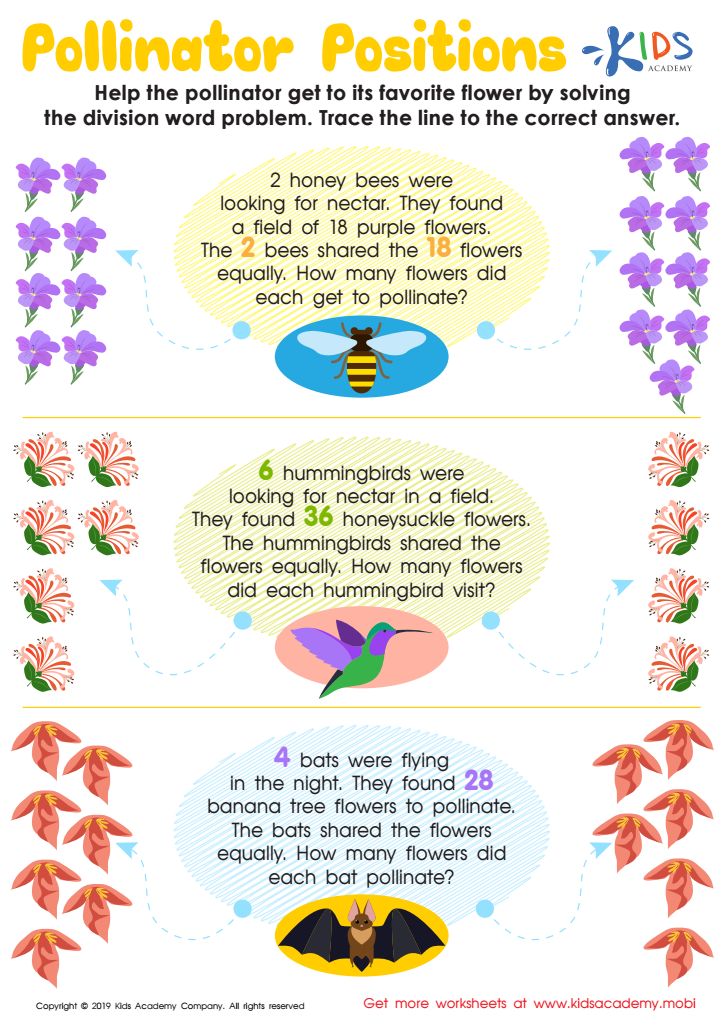
Pollinator Positions Worksheet
 Assign to My Students
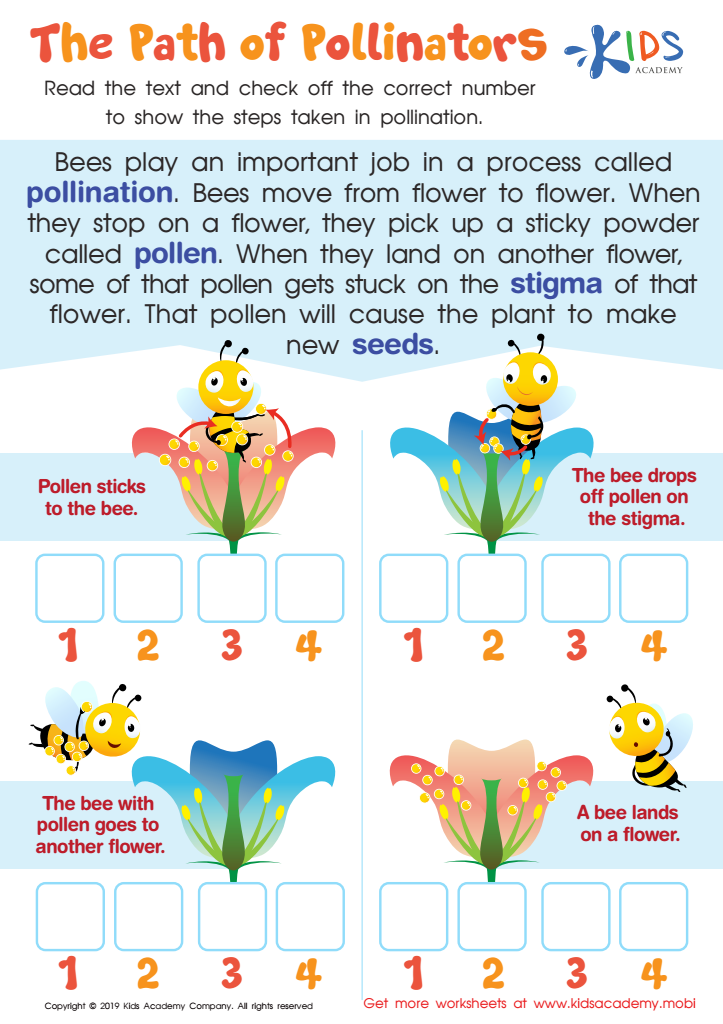
The Path of Pollinators Worksheet
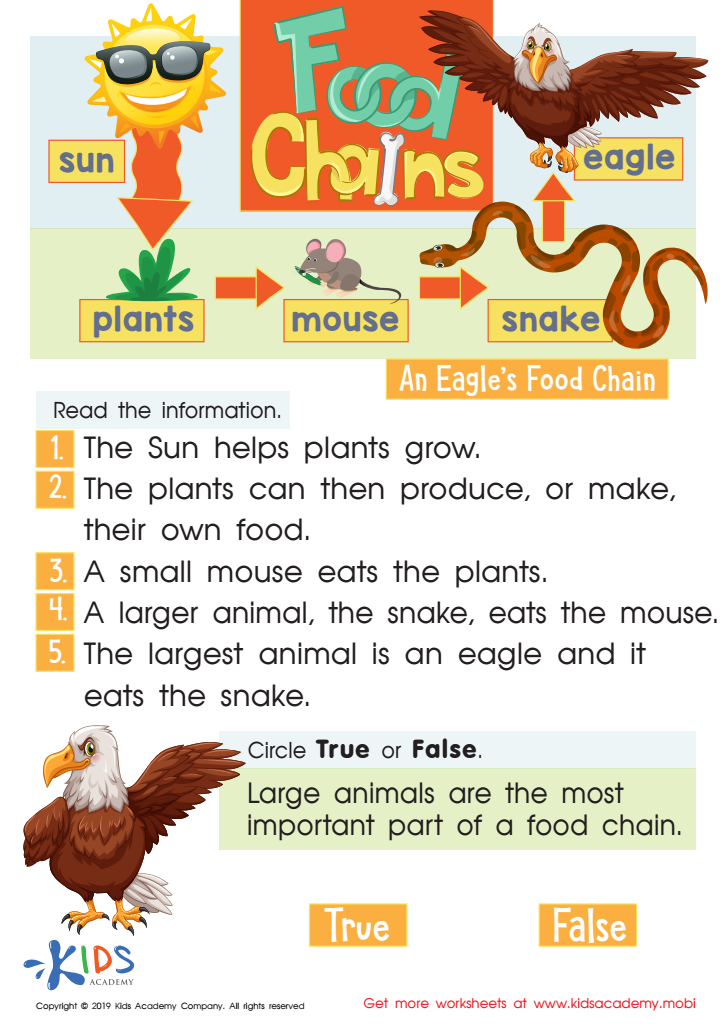
Food Chains Worksheet
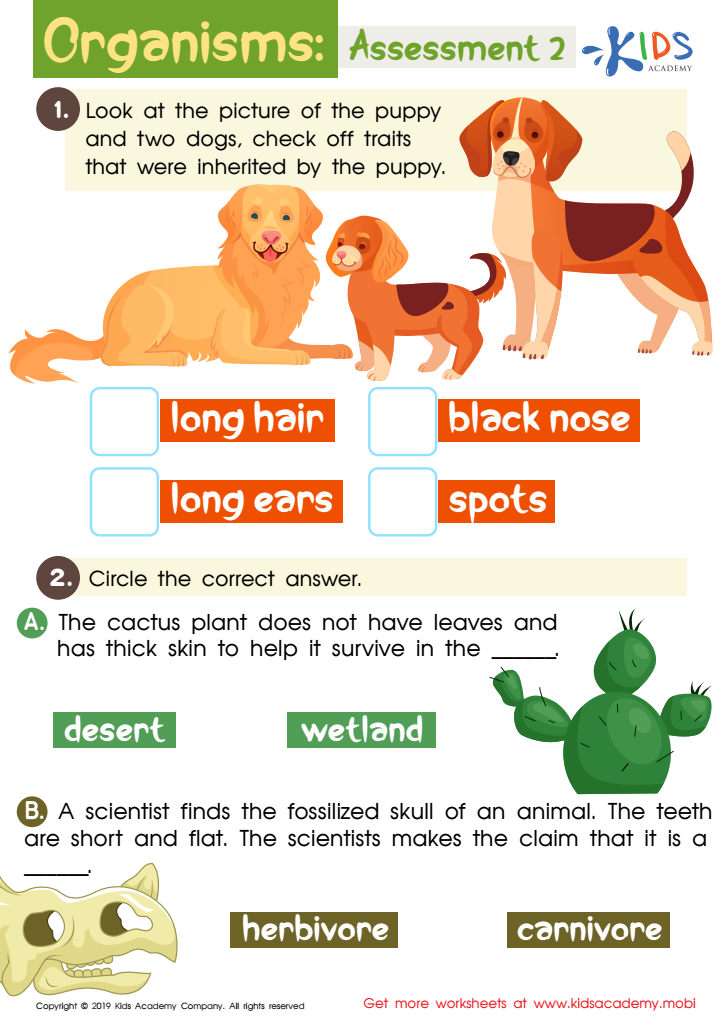
Organisms: Assessment 2 Worksheet




%20(1).jpg)



Learning about ecosystems and animals is crucial for young children aged 3-8 for several reasons. First, it fosters a sense of curiosity and wonder about the natural world, laying the foundation for lifelong learning and environmental stewardship. Early exposure helps children develop an understanding of biodiversity and the interdependence of living things, concepts essential for grasping more complex scientific ideas later.
Second, learning about animals and ecosystems enhances cognitive development. It introduces children to basic biological principles, such as life cycles and habitats, while also boosting their observational and critical thinking skills. These foundational abilities are not only important for science education but are also transferrable to other subject areas.
Additionally, empathy and social skills can be nurtured. Understanding the needs and behaviors of various animals can help children develop empathy, realizing that all creatures deserve care and respect. This attitude often translates into better peer relationships and compassionate behaviors toward others.
Lastly, incorporating topics like ecosystems into lessons supports holistic learning. Activities related to these subjects can be multidisciplinary, combining literacy, art, and play. For instance, storytelling about animals, creating ecosystem dioramas, and outdoor exploration can engage multiple senses and cater to varied learning styles, making education both effective and enjoyable.








