Categorization skills Science Worksheets for Ages 3-8
5 filtered results
-
From - To
Unlock your child's learning potential with our Categorization Skills Science Worksheets, designed specifically for ages 3-8! These engaging worksheets foster essential cognitive skills by helping young learners classify objects, animals, and plants. Through interactive exercises, children will develop their ability to identify similarities and differences, promoting critical thinking and problem-solving. Our thoughtfully crafted materials align with early childhood education standards, ensuring a fun and educational experience. Perfect for homeschooling or classroom use, these worksheets make learning enjoyable. Explore our diverse range of categorization activities and watch your child's confidence and knowledge grow as they master this foundational skill in science!
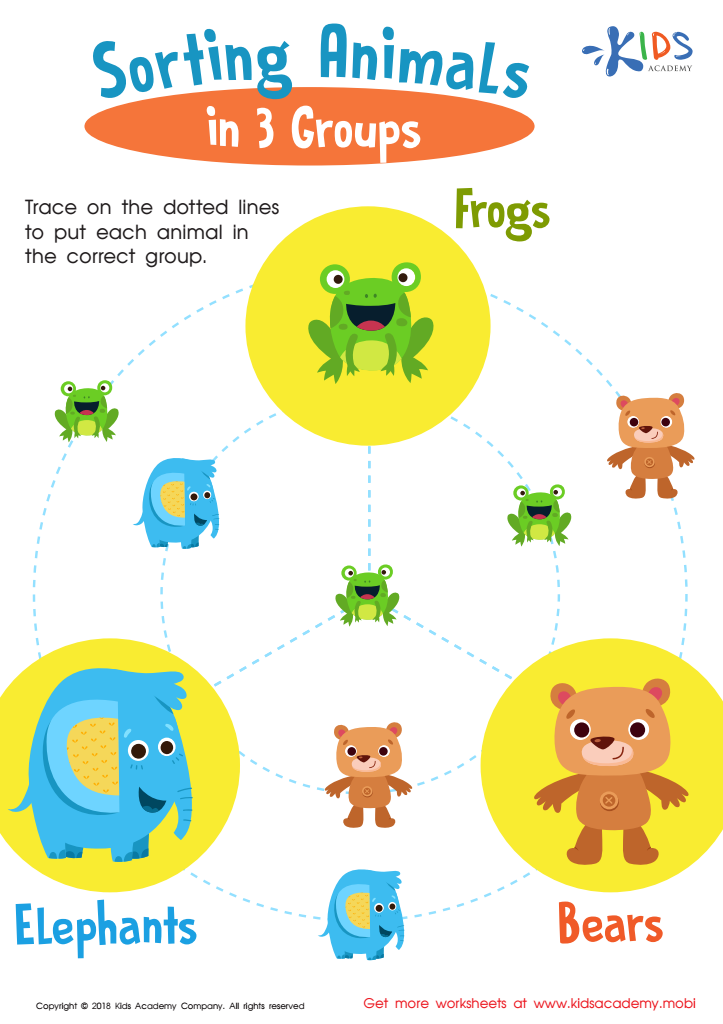
Sorting Animals in 3 Groups Worksheet
 Assign to My Students
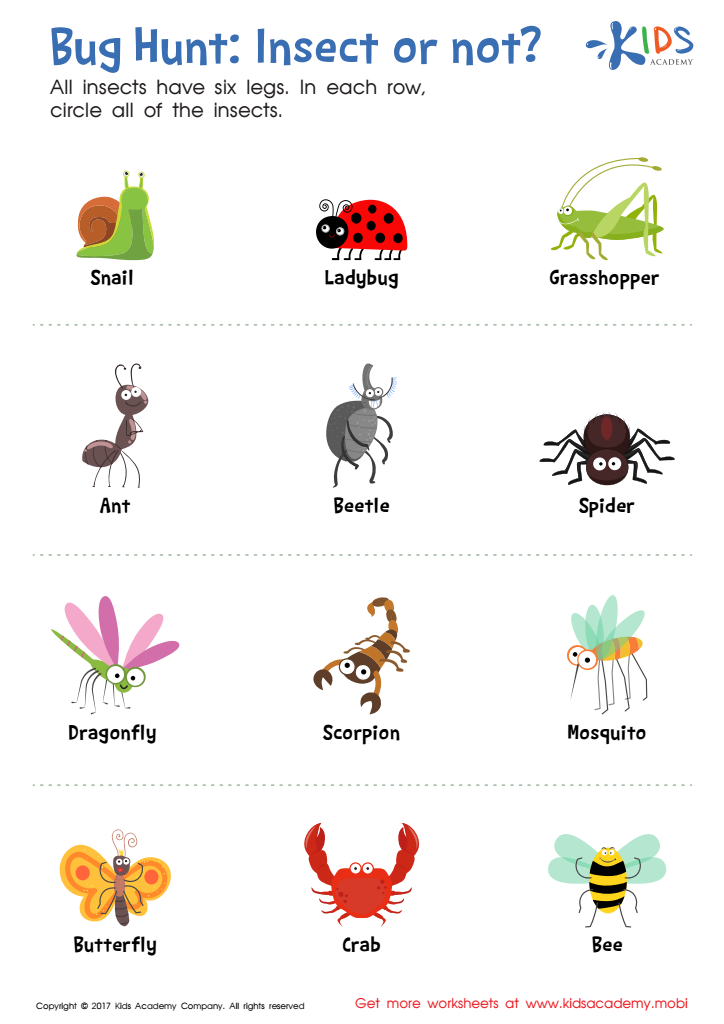
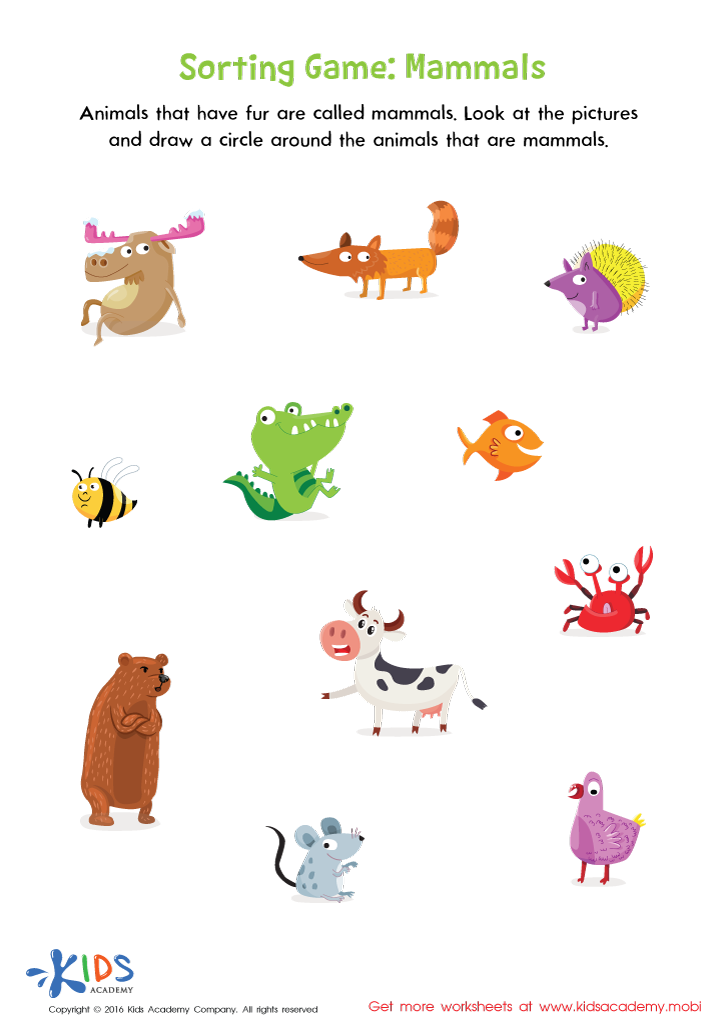
Mammals Sorting Worksheet
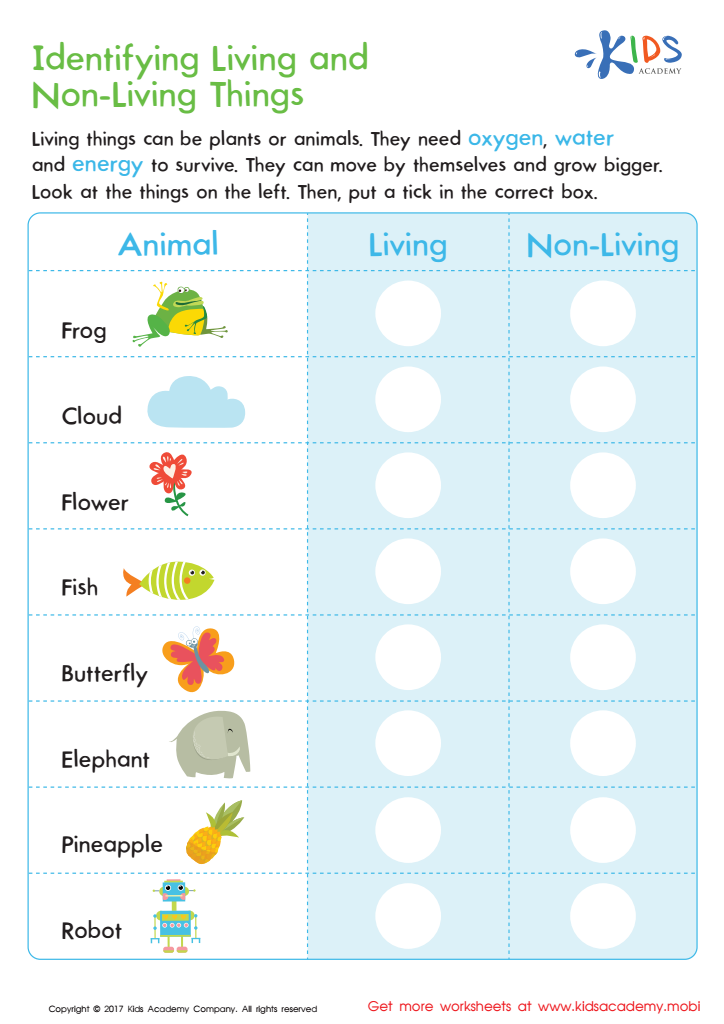
Identifying Living or Non–living Worksheet
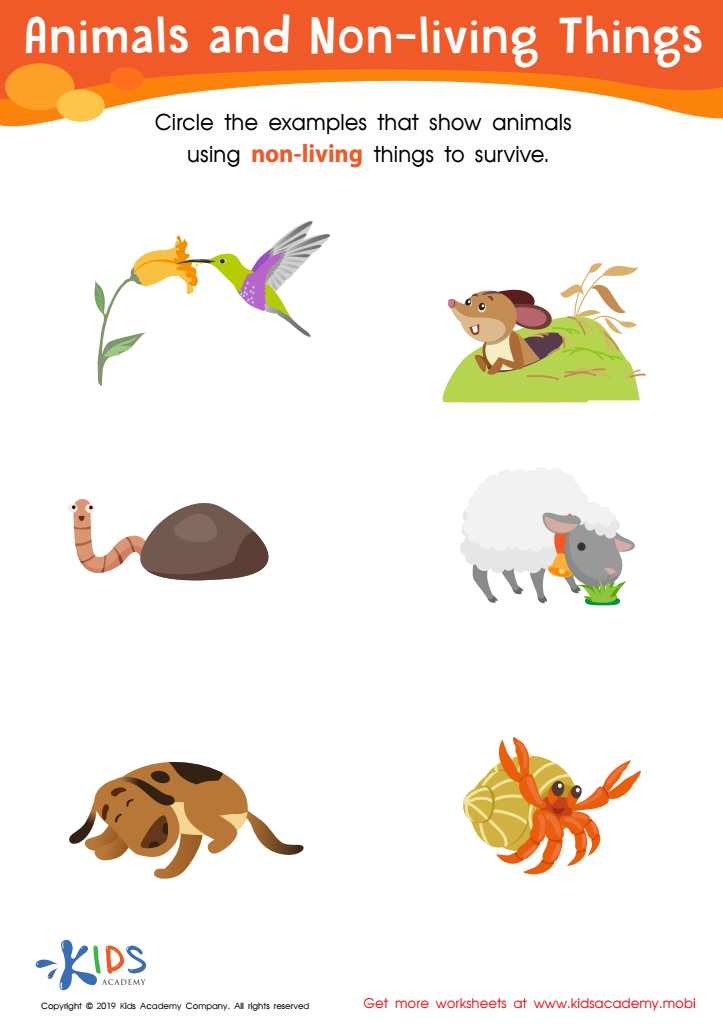
Animals and Non-Living Things Worksheet








Categorization skills in science are vital for children aged 3-8 as they lay the foundation for critical thinking, problem-solving, and an understanding of the world around them. At this developmental stage, children begin to recognize and group objects based on shared characteristics—such as size, color, shape, or function.
By encouraging these skills, parents and teachers help children make sense of their environment, which can enhance their scientific inquiry and observation abilities. For instance, when children categorize animals into mammals, birds, or reptiles, they are not only learning about biology but also developing analytical skills that carry over into other academic areas. Furthermore, identifying patterns and organizing information fosters cognitive development, enabling children to create connections that deepen their understanding.
Additionally, strong categorization skills contribute to linguistic development as children learn to articulate their reasoning and share their knowledge with others. This interaction also supports social development by encouraging collaboration and communication.
In summary, nurturing categorization skills through science provides young children with essential tools for lifelong learning and fosters an innate curiosity about their surroundings, positioning them for academic and personal success in the future.







