Categorizing animals Science Worksheets for Ages 3-8
3 filtered results
-
From - To
Explore our engaging "Categorizing Animals Science Worksheets" designed for young learners aged 3-8! This collection of printable worksheets provides fun, interactive ways for children to learn about different animal categories such as mammals, birds, reptiles, and more. Encourage critical thinking and enhance observational skills as kids sort and group animals based on various characteristics. These worksheets promote an understanding of biodiversity and the natural world, making science fun and accessible. Perfect for classroom activities or at-home learning, our resources will keep your little scientists excited about exploring the animal kingdom. Dive into learning with our thoughtfully crafted worksheets today!
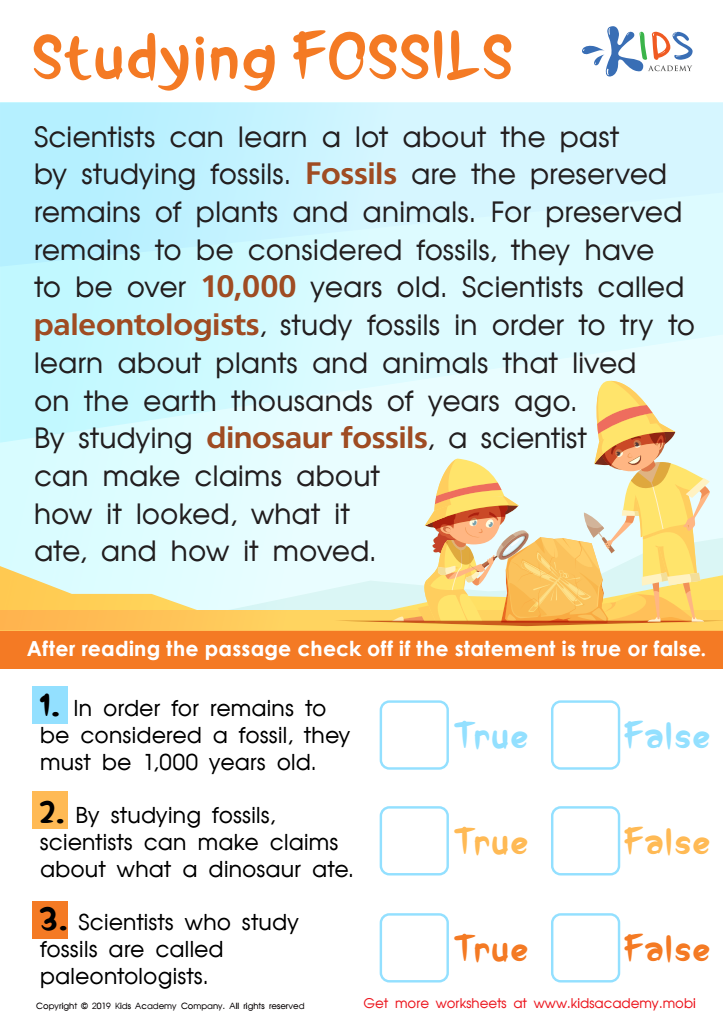
Studying Fossils Worksheet
 Assign to My Students
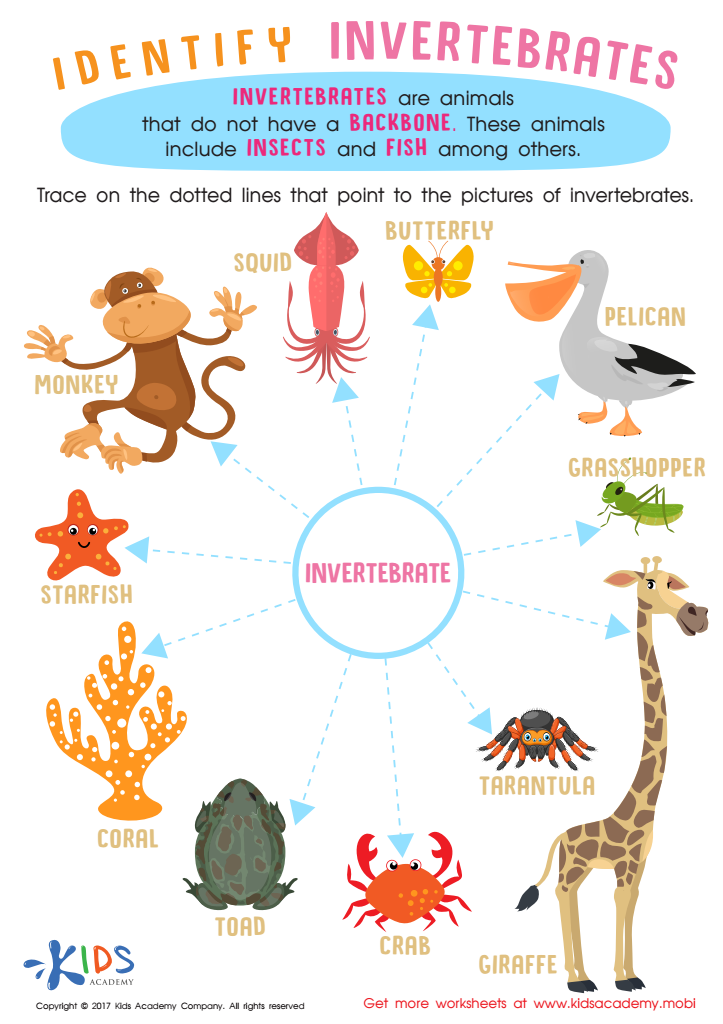
Invertebrates Worksheet for Grade 3
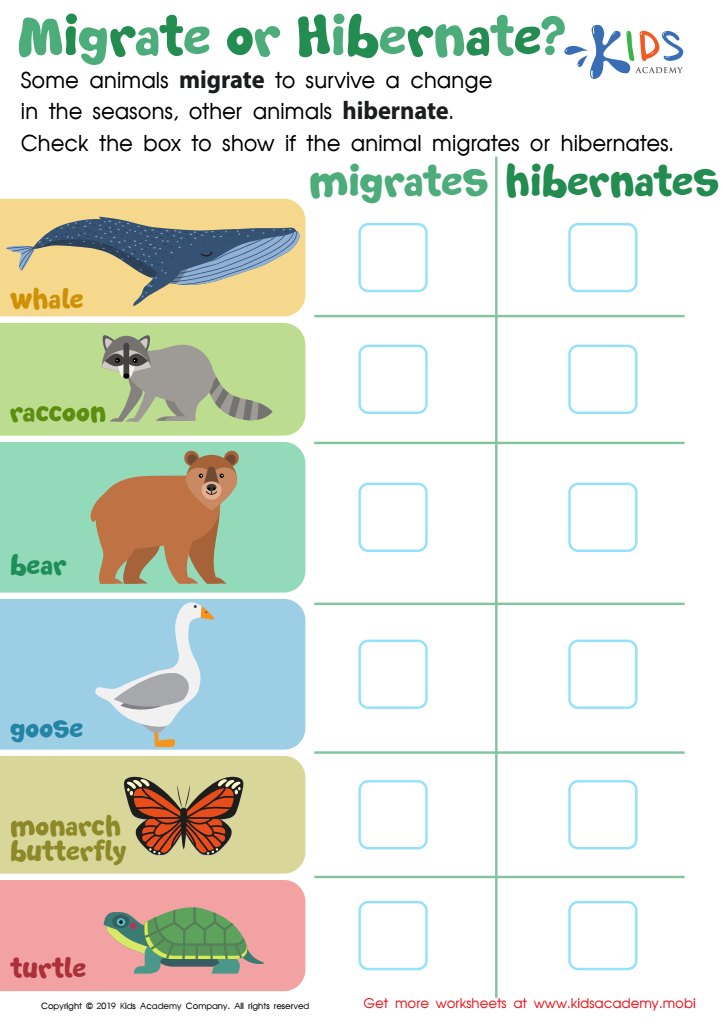
Migrate or Hibernate? Worksheet






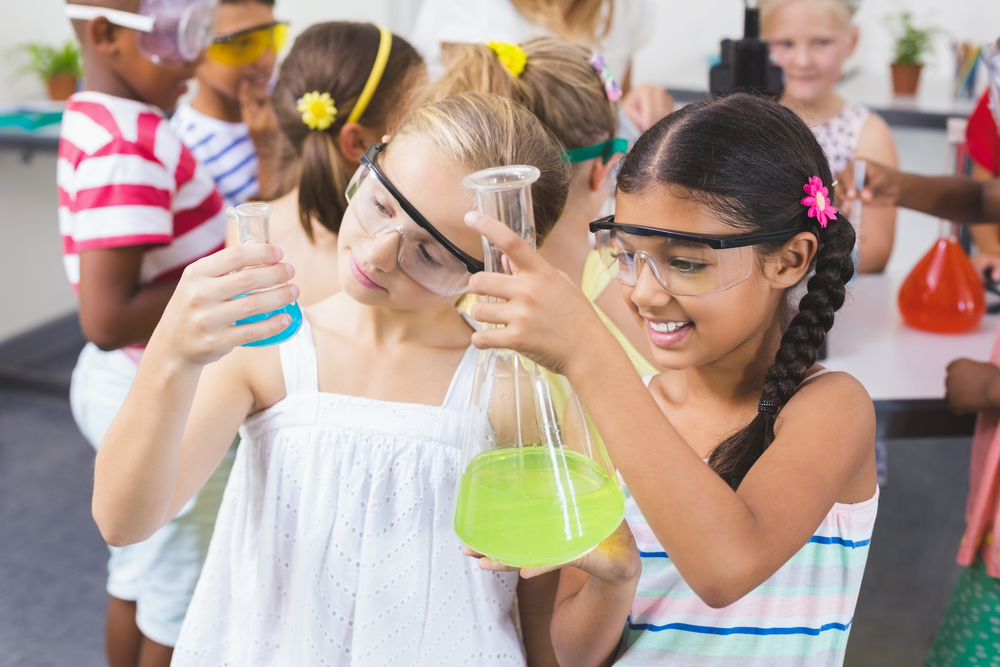

Categorizing animals is an essential aspect of early science education for children aged 3 to 8. Understanding how to classify animals fosters crucial cognitive skills, including critical thinking, observation, and problem-solving. These foundational skills are vital for cognitive development and will support children as they progress through their academic journey.
By learning to classify animals, children begin to understand the characteristics that differentiate species, such as habitat, diet, and physical traits. This not only enriches their vocabulary but also nurtures their natural curiosity about the world around them, laying the groundwork for a lifelong interest in nature and science.
Furthermore, engaging in animal categorization can enhance social skills, as children often work in groups and must communicate their findings and reasoning. These collaborative activities promote teamwork and ensure children learn from one another.
Teachers and parents should also recognize that such activities can be integrated across subjects, including art, language, and social studies, making learning interdisciplinary. Introducing children to the diverse world of animals highlights the importance of biodiversity and conservation, instilling values of empathy and respect for all living creatures. Ultimately, teaching animal classification equips children with critical knowledge and skills essential for understanding their environment and shaping responsible future citizens.







