Enhancing categorization skills Science Worksheets for Ages 3-8
4 filtered results
-
From - To
Enhance your child’s categorization skills with our engaging science worksheets designed for ages 3-8. At Kids Academy, we provide hands-on activities to help young learners distinguish, sort, and classify various objects based on characteristics such as color, shape, and size. Our expertly crafted worksheets not only nurture critical thinking but also foster a deeper understanding of the natural world. Perfect for preschool and early elementary students, these resources make learning fun and interactive. Promote cognitive development and scientific curiosity with our tailored worksheets, ensuring active and enjoyable learning experiences for your child.
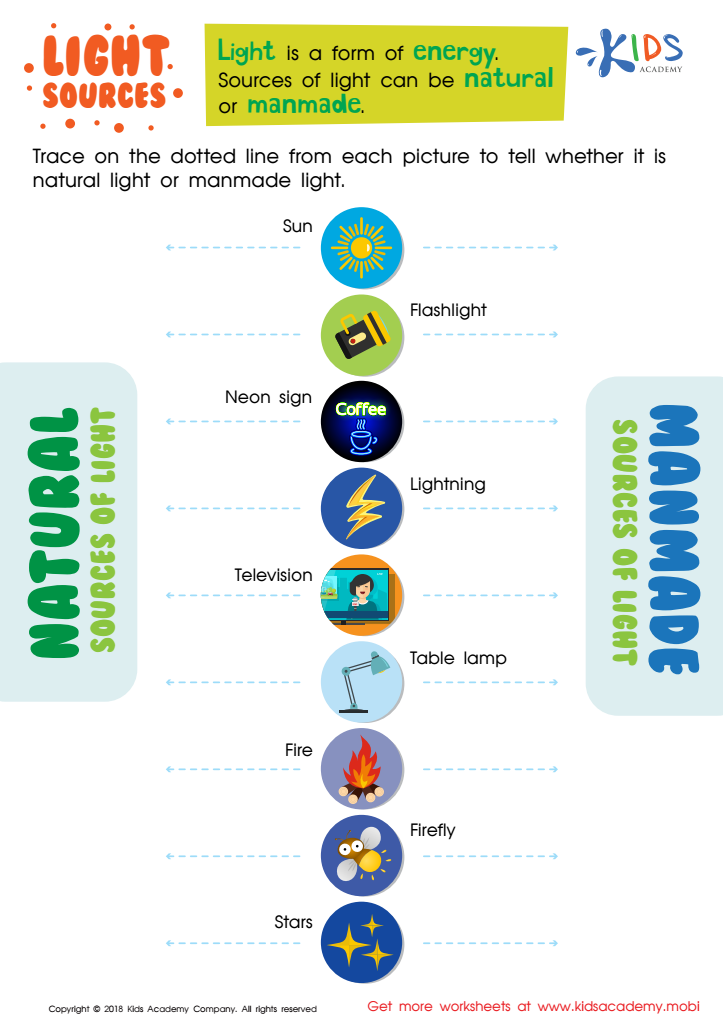
Natural and Manmade Light Sources Worksheet
 Assign to My Students
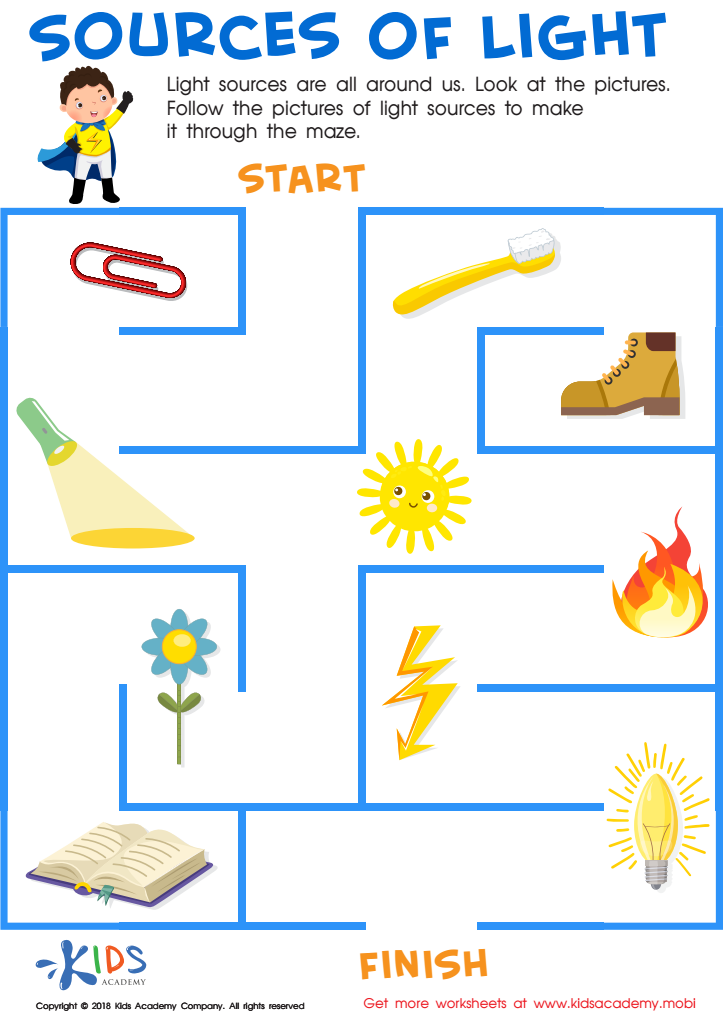
Sources of Light Worksheet
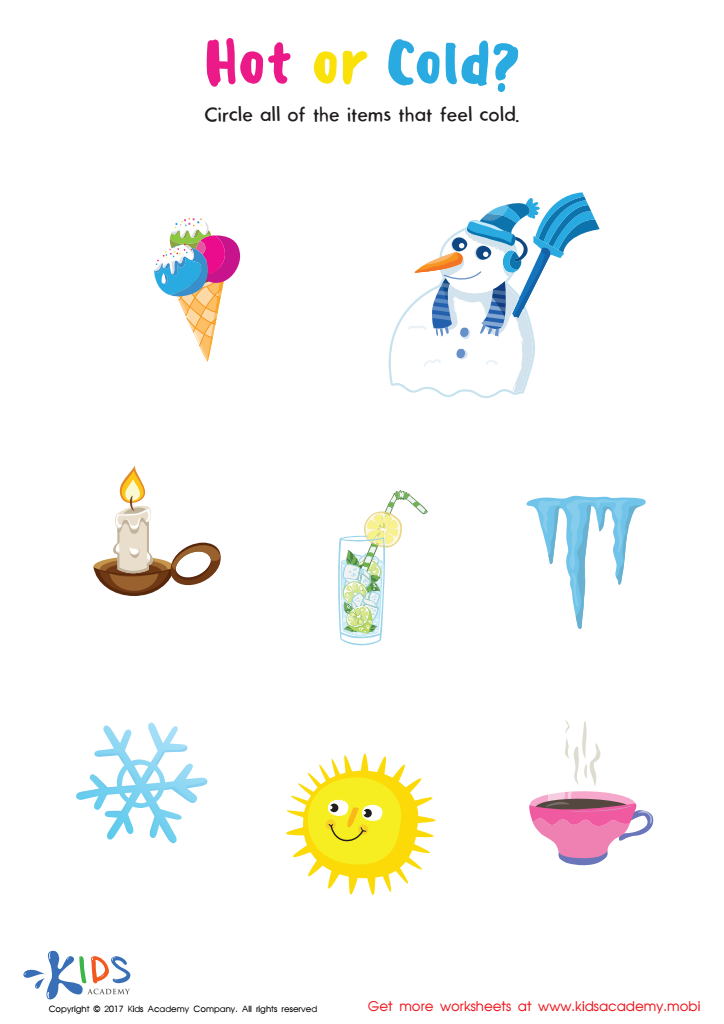
Hot or Cold Printable
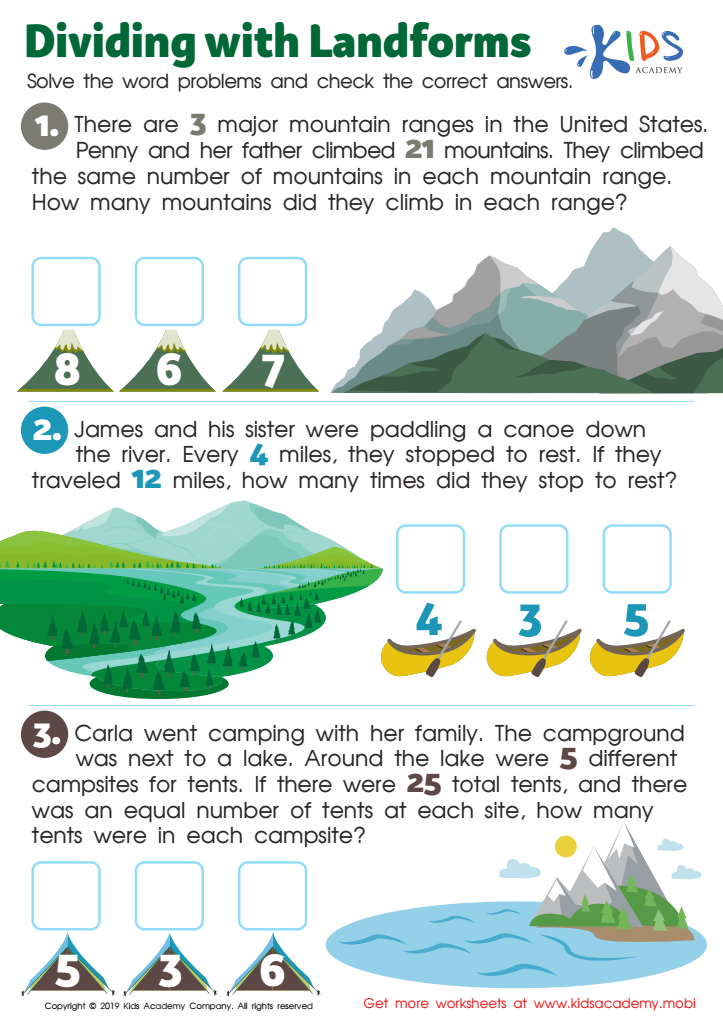
Dividing with Landforms



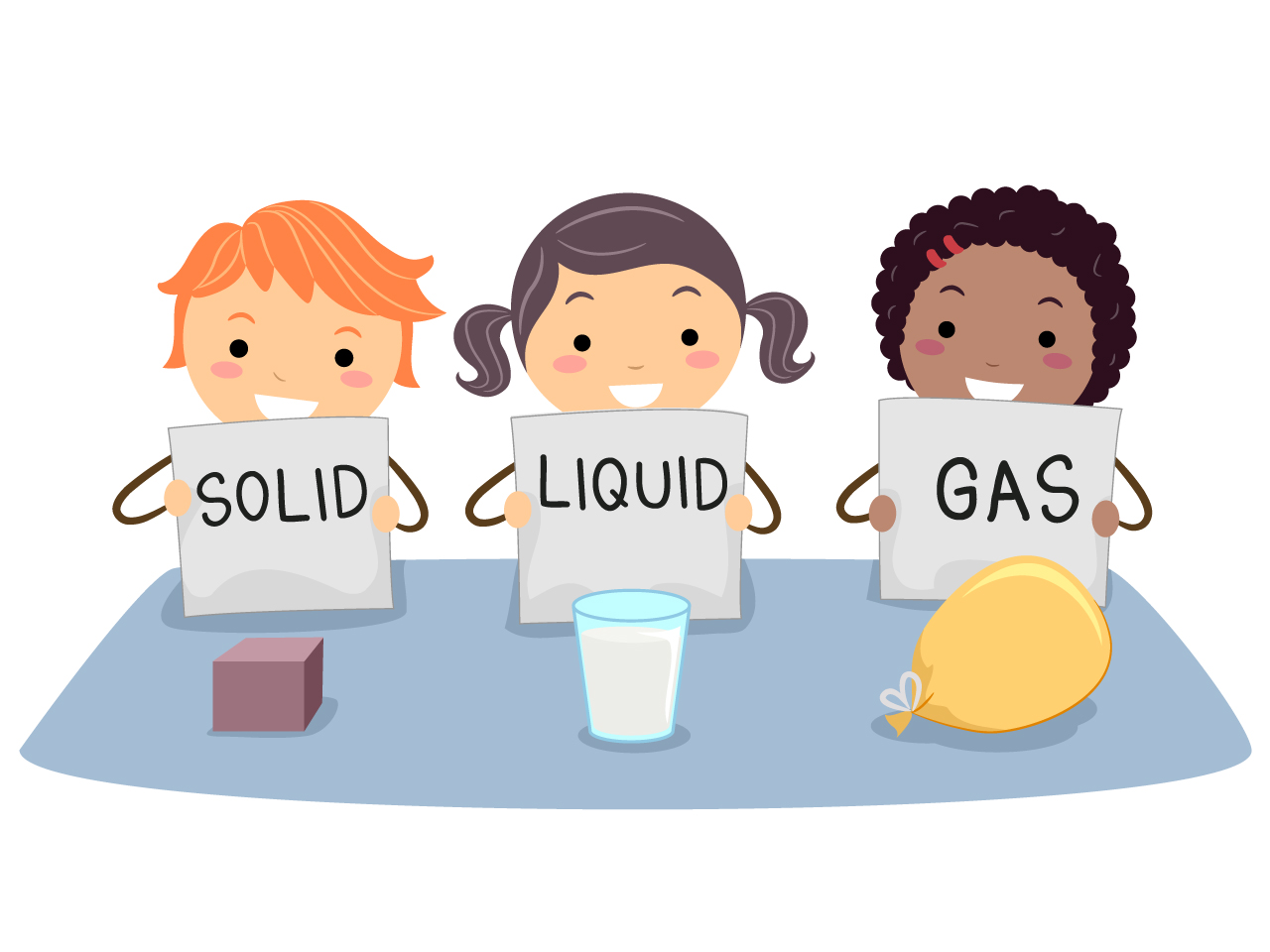

Enhancing categorization skills in science for children aged 3-8 is crucial for their cognitive and educational development. At this developmental stage, children are naturally curious about the world around them. Categorization helps them make sense of their observations and develop organized thinking. By exploring scientific concepts through categorization, children learn to identify patterns, make connections, and differentiate between various objects and phenomena.
These early skills in sorting, grouping, and classifying information lay the foundation for critical thinking and problem-solving abilities. For example, when children categorize animals by their habitats or food types, they begin to understand broader ecological concepts. This also enhances their memory and recall abilities by structuring their learning process in an organized manner.
Parents and teachers play a pivotal role by providing opportunities and resources for these activities. Simple tasks like sorting leaves, grouping toys, or separating foods can foster an early interest in science and encourage observational skills. Moreover, these foundational skills support learning in other academic disciplines, such as math and reading.
Prioritizing the enhancement of categorization skills in science education from ages 3-8 ensures children build essential cognitive tools, enabling them to become more effective learners and thinkers, preparing them for more complex scientific concepts in their later years.







