
Word Recognition Science Worksheets for Ages 3-8
3 filtered results
Difficulty Level
Grade
Age
-
From - To
Subject
Activity
Standards
Unlock the world of reading with our "Word Recognition Science Worksheets for Ages 3-8"! Tailored to young learners, these interactive worksheets blend fun and education, making it easier for children to recognize and understand words through engaging science themes. With activities designed to boost sight word recognition, phonics, and vocabulary, your child will build essential reading skills while exploring their curiosity about the natural world. Perfect for home or classroom use, these worksheets are your go-to resource for fostering a lifelong love of reading and science in your young learners. Explore our collection and watch them thrive!
Favorites
With answer key
Interactive
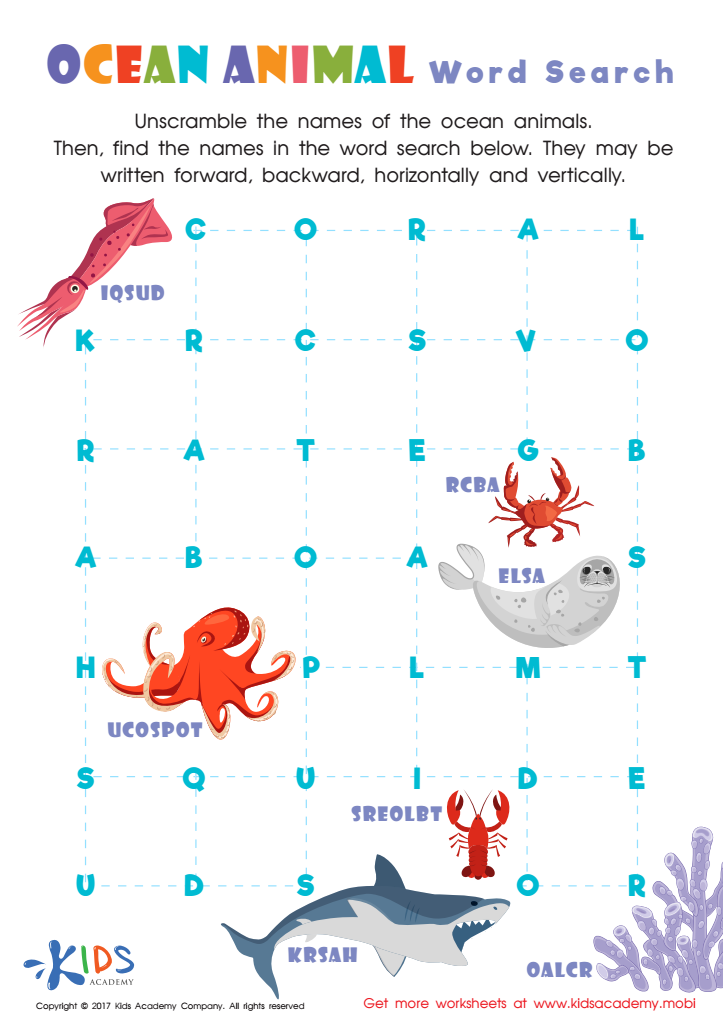
Ocean Animals Word Search Printable
Challenge your child to unscramble the names of ocean animals and find them in the word search. This ocean animals printable is a fun way to teach kids more about these fascinating creatures!
 Assign to My Students
Ocean Animals Word Search Printable
Worksheet
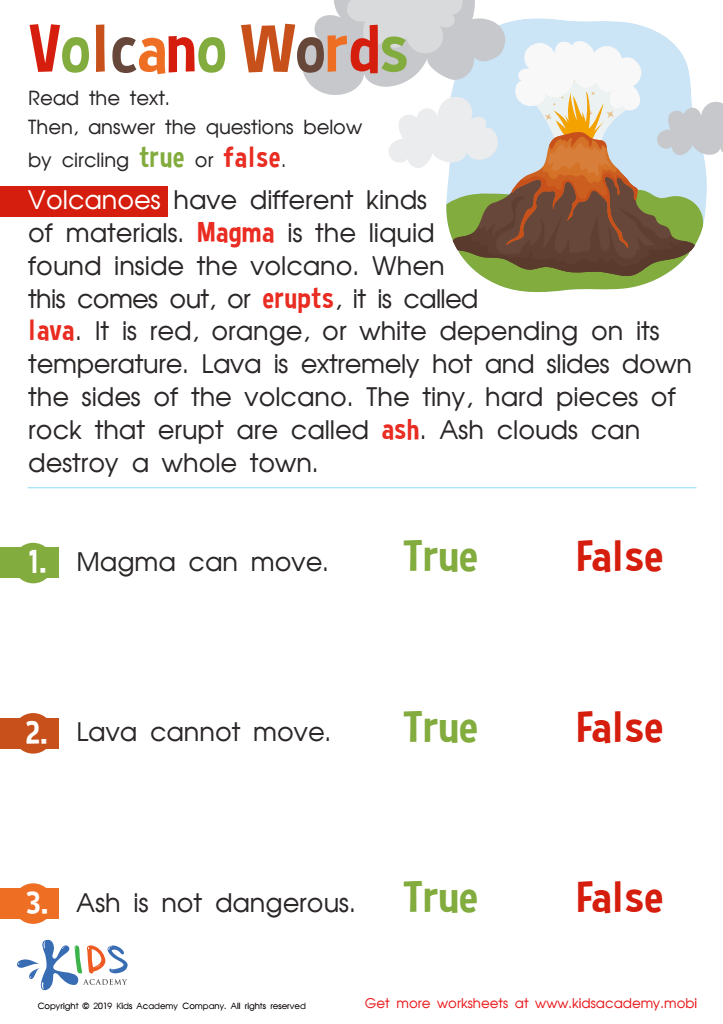
Volcano Words Worksheet
This worksheet helps kids focus and improve their reading comprehension skills. Start by reading a passage about volcanos and noting the bolded red words. Then answer true/false statements below, double-checking in the text if needed.
Volcano Words Worksheet
Worksheet
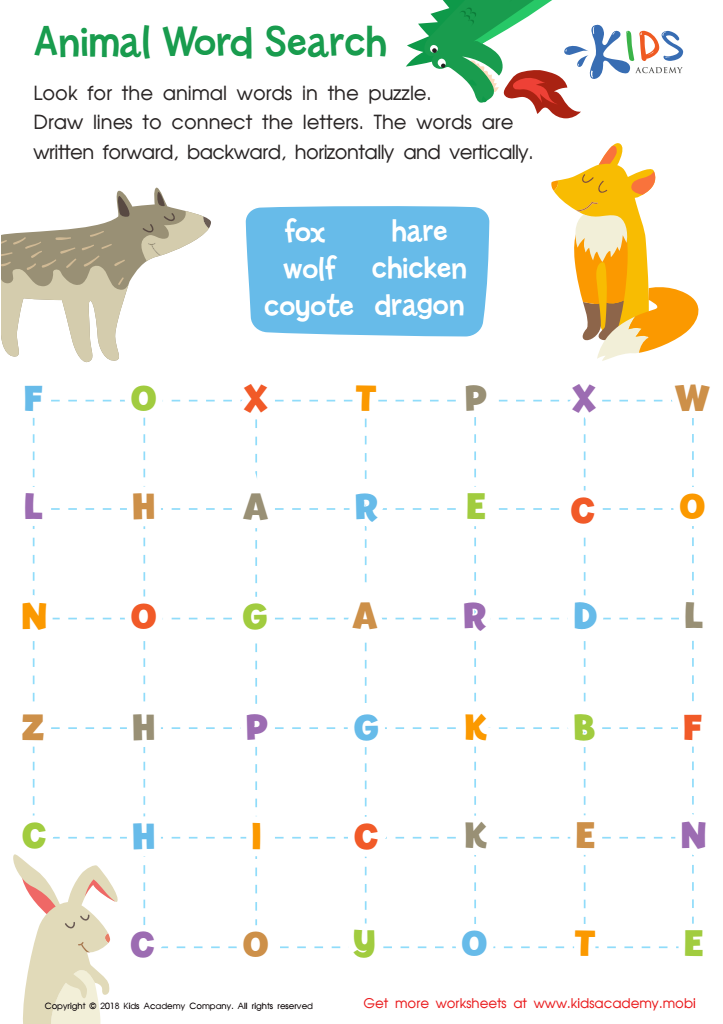
Animal Word Search Worksheet
Students can have fun and strengthen spelling and vocabulary skills with this word search worksheet. Search for animal words and circle the letters in the puzzle. Words can be found forwards, backwards, horizontally or vertically, providing a great challenge to foster critical thinking skills. An enriching activity for all ages!
Animal Word Search Worksheet
Worksheet
Join Kids Academy for Free
Who is primarily going to use this learning content?




.jpg)



Word recognition is the foundation of skilled reading, and understanding its science is crucial for parents and teachers of children ages 3-8. During these formative years, children's brains are highly receptive to language acquisition. The proficiency with which they recognize words can significantly impact their future academic and life success.
First, research indicates that early word recognition skills are predictive of later reading ability. Children who develop strong word recognition abilities often find it easier to read fluently, comprehend text, and learn new vocabulary. Consequently, they tend to perform better academically as reading is integral to most subjects.
Moreover, effective word recognition supports a child's confidence and motivation in reading. When children can easily recognize and understand words, they enjoy reading more and are more likely to develop a lifelong love for it. This engagement is crucial as it fosters self-directed learning and curiosity.
Additionally, understanding the science can help in identifying and addressing reading difficulties early. This might include dyslexia or other processing disorders which, if recognized early, can be managed with targeted interventions.
In sum, word recognition science is not just about reading but about equipping children with a critical skillset that underpins their overall cognitive and educational development, making it a vital area of focus for both parents and teachers.







