Plants Worksheets for Ages 3-8 - Page 2
25 filtered results
-
From - To
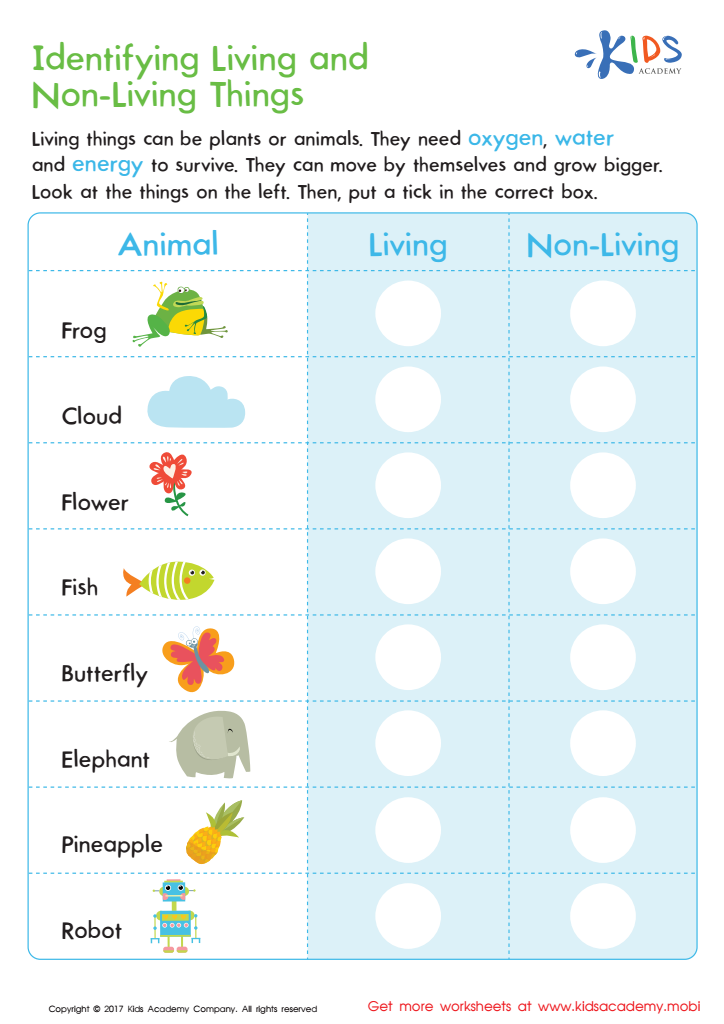
Identifying Living or Non–living Worksheet
 Assign to My Students



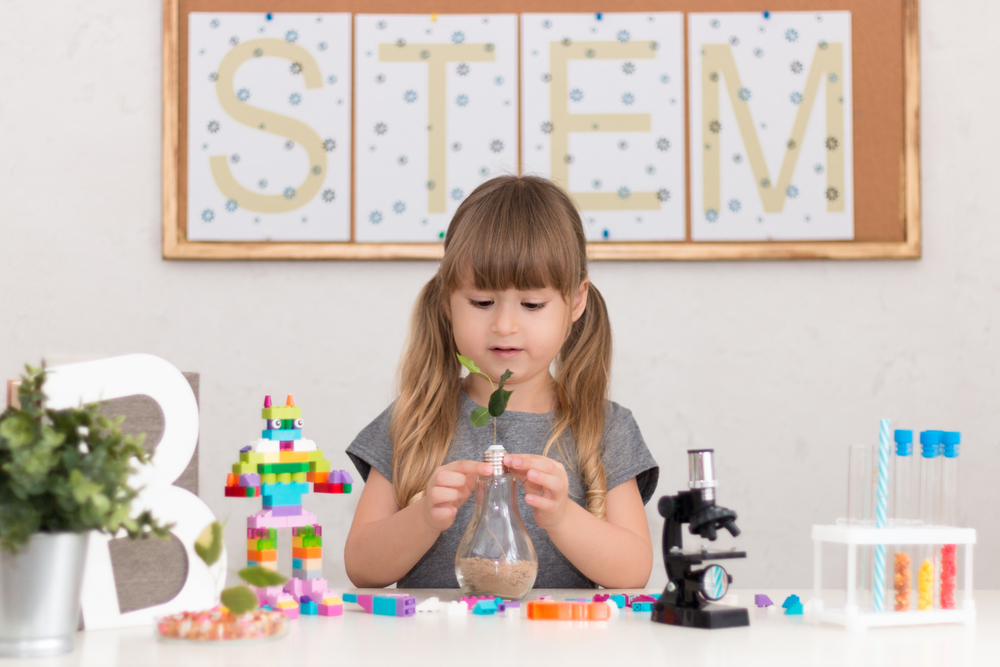
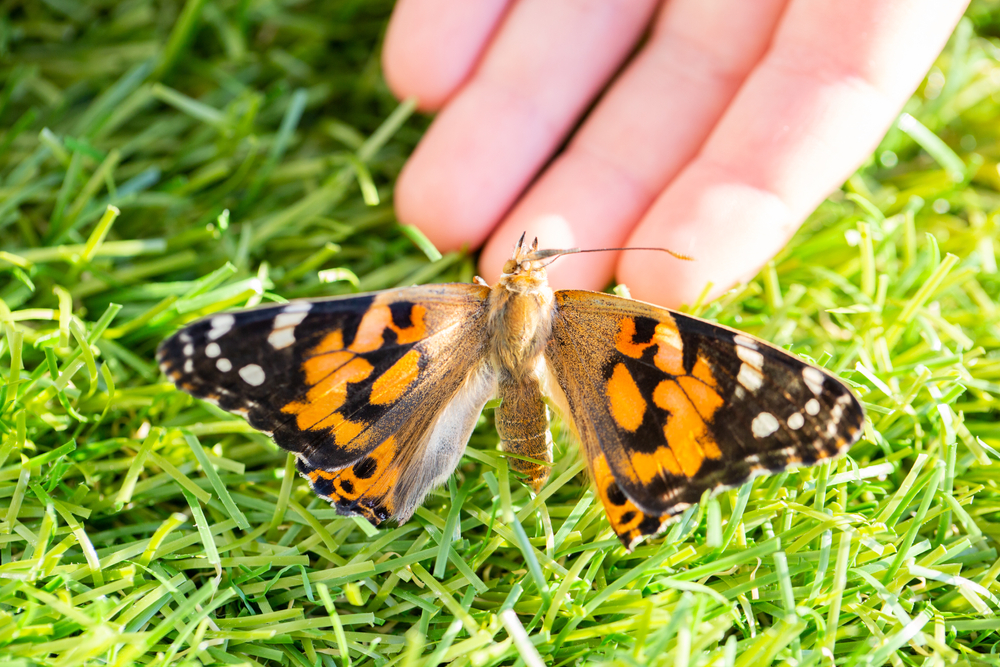


Plants play a crucial role in early childhood education and development for children ages 3-8. Engaging with plants fosters curiosity and a sense of wonder, allowing children to explore the natural world hands-on. This interaction promotes sensory experiences as they observe colors, textures, and scents, igniting their imagination and creativity.
Moreover, learning about plants instills essential life skills and values, such as responsibility and empathy. Caring for a plant teaches children about nurturing and the importance of respecting living things. This sense of responsibility can bolster their self-esteem and confidence as they witness their efforts leading to tangible growth.
Educationally, plants serve as a dynamic tool for teaching fundamental concepts in science and literacy. Through activities like planting seeds or observing growth, children can learn about life cycles, ecosystems, and the importance of sustainability. These lessons enhance vocabulary and language skills as they describe their observations and experiments.
Incorporating plants into daily activities also encourages healthy habits. Gardening and outdoor play naturally lead to increased physical activity, contributing to better overall health. Thus, fostering a love and understanding of plants not only enhances academic learning but also nurtures emotional intelligence, creativity, and a lifelong appreciation for nature.