Critical thinking development Plants and Animals Worksheets for Ages 3-8
3 filtered results
Difficulty Level
Grade
Age
-
From - To
Subject
Activity
Standards
Our engaging "Critical Thinking Development: Plants and Animals Worksheets" for ages 3-8 are designed to nurture young minds. These worksheets focus on enhancing analytical skills by exploring the fascinating world of plants and animals. Each activity encourages children to observe, ask questions, and solve problems, promoting cognitive growth while making learning fun. Tailored for preschool to early elementary students, our resources blend colorful illustrations with interactive challenges, sparking curiosity and fostering a love for science. Develop your child's critical thinking and observation skills with our thoughtfully crafted worksheets, perfect for home or classroom use.
Favorites
With answer key
Interactive
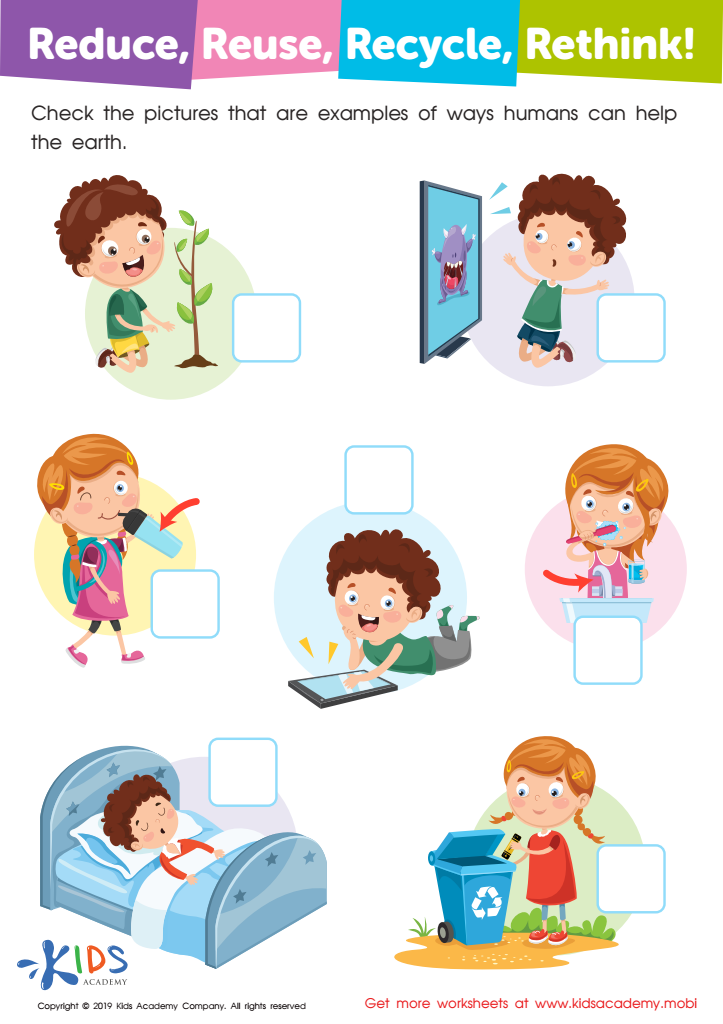
Reduce, Reuse, Recycle, Rethink Worksheet
Recycling is a great way to reduce waste and help our planet — instead of throwing away a can of soda, recycle it! Look at the pictures in the worksheet — what are the kids doing? They're learning about ways to help the environment. Check the pictures for examples of how to help the earth.
 Assign to My Students
Reduce, Reuse, Recycle, Rethink Worksheet
Worksheet
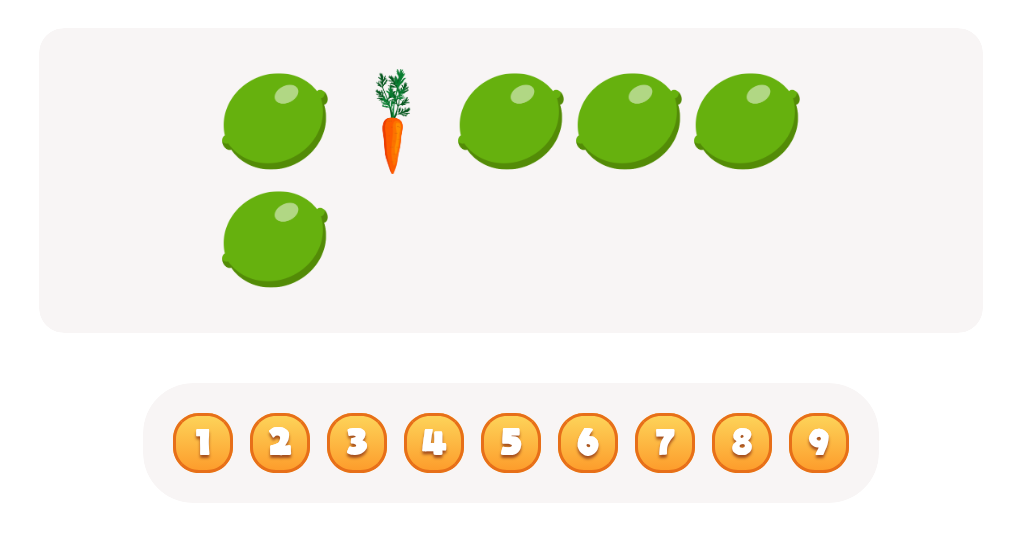

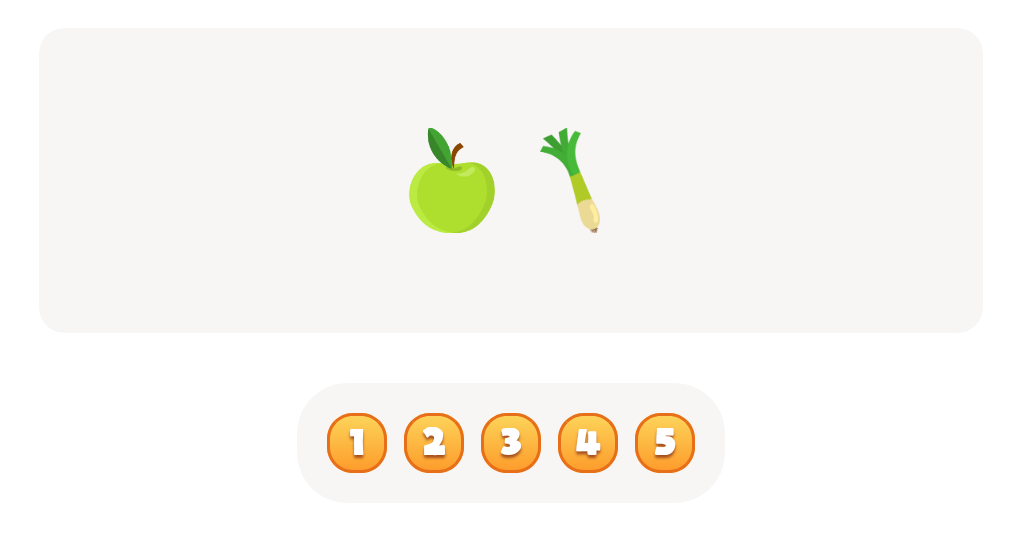
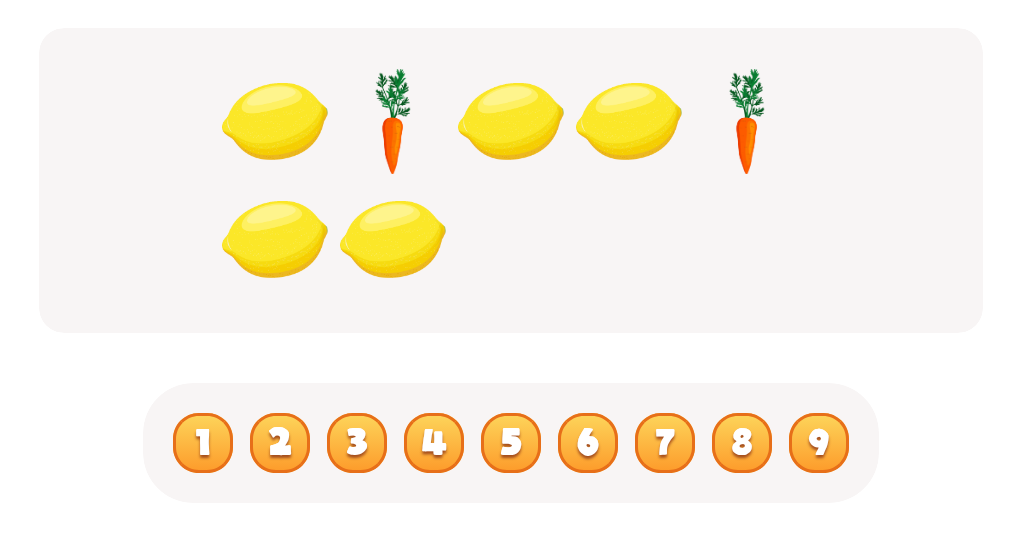
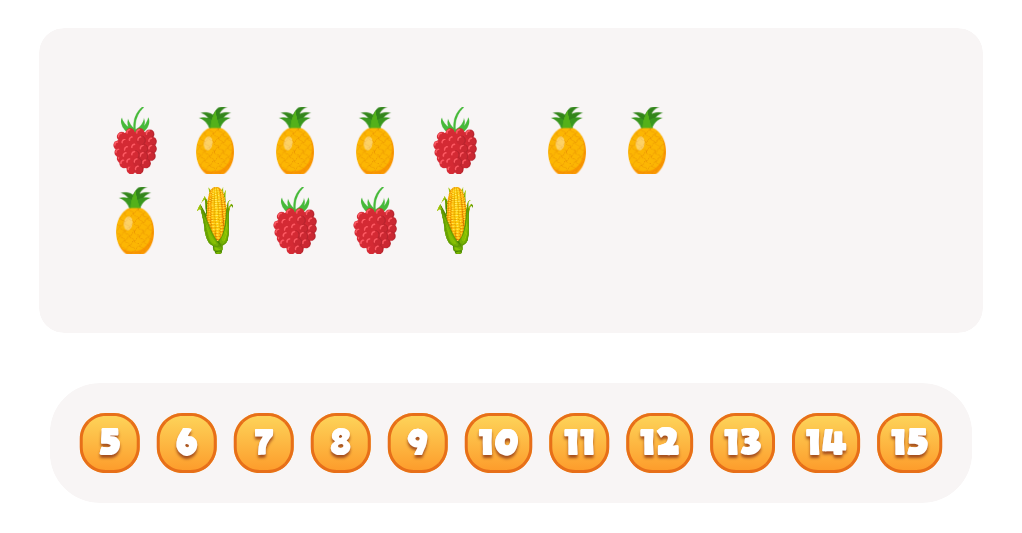
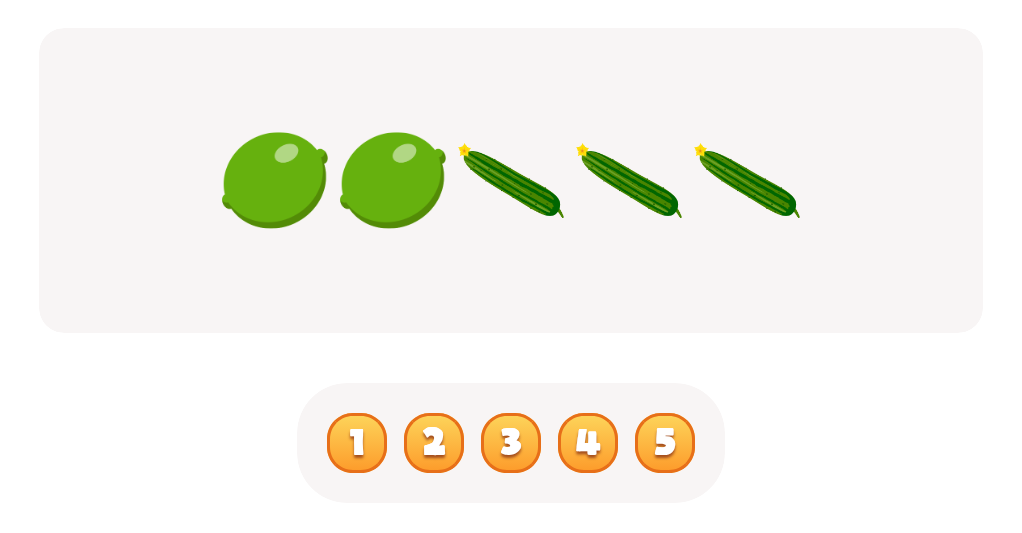
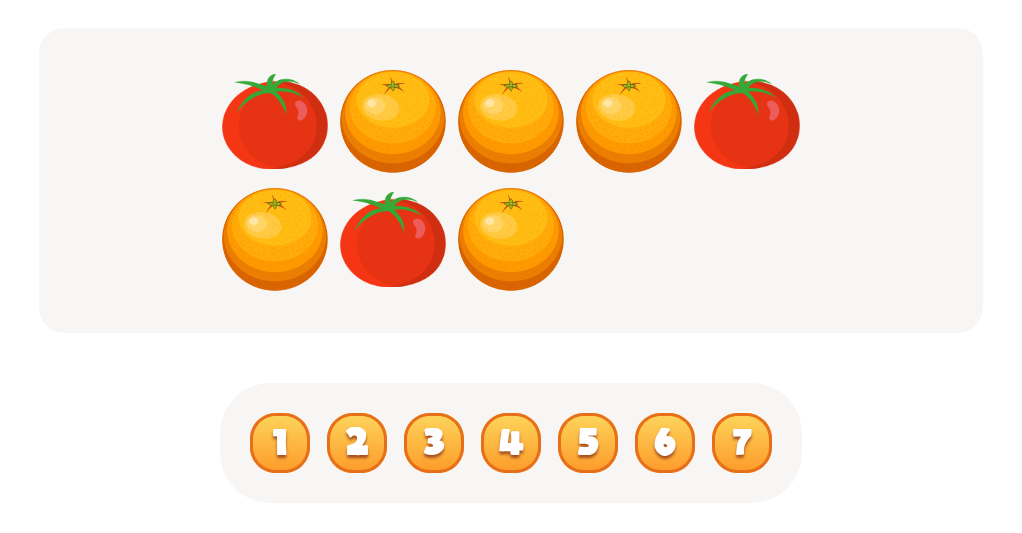
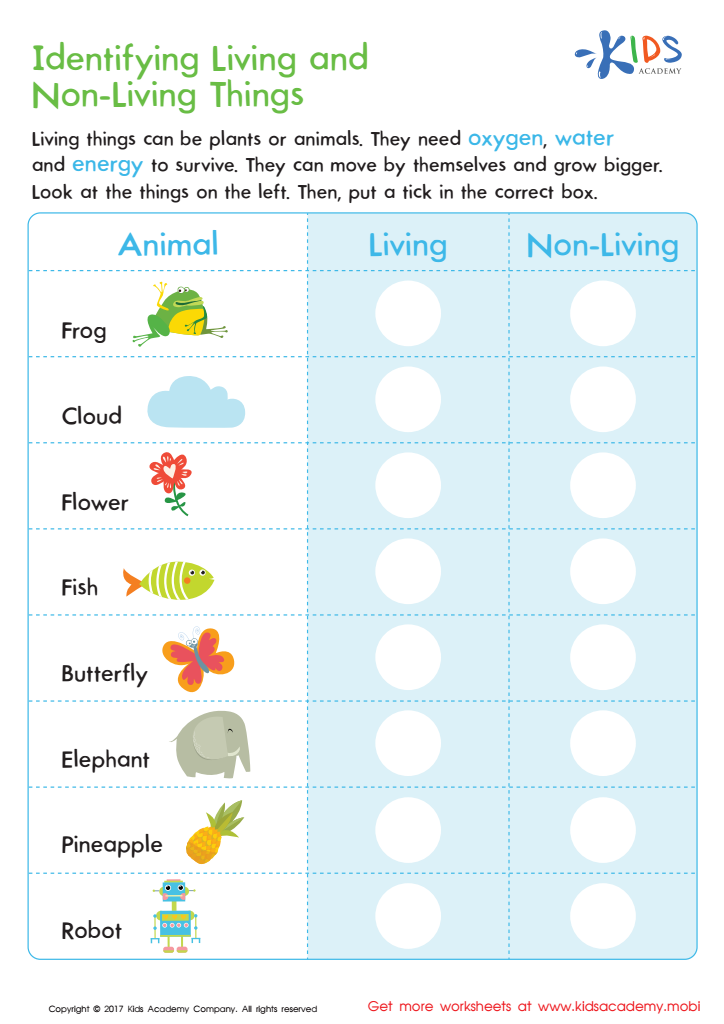
Identifying Living or Non–living Worksheet
Help your child learn to sort and categorize in a new way! Teach them to classify things as living or non-living using this worksheet. It's the perfect way to build their scientific understanding, and to have some learning fun! Print this worksheet and watch them discover the world of science!
Identifying Living or Non–living Worksheet
Worksheet
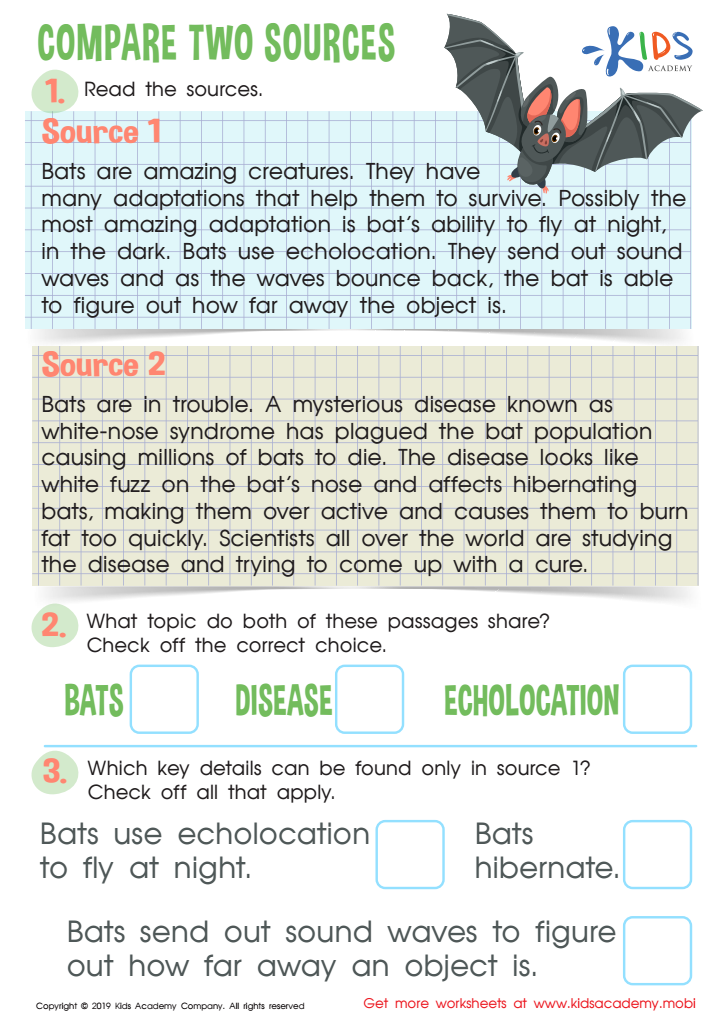
Compare Two Sources Worksheet
Reading exposes us to new words, spelling, and info about different topics. Kids can practice their reading skills, and learn about bats, with this worksheet. Read the two sources in the picture, then help your kids answer the questions at the bottom.
Compare Two Sources Worksheet
Worksheet
Join Kids Academy for Free
Who is primarily going to use this learning content?



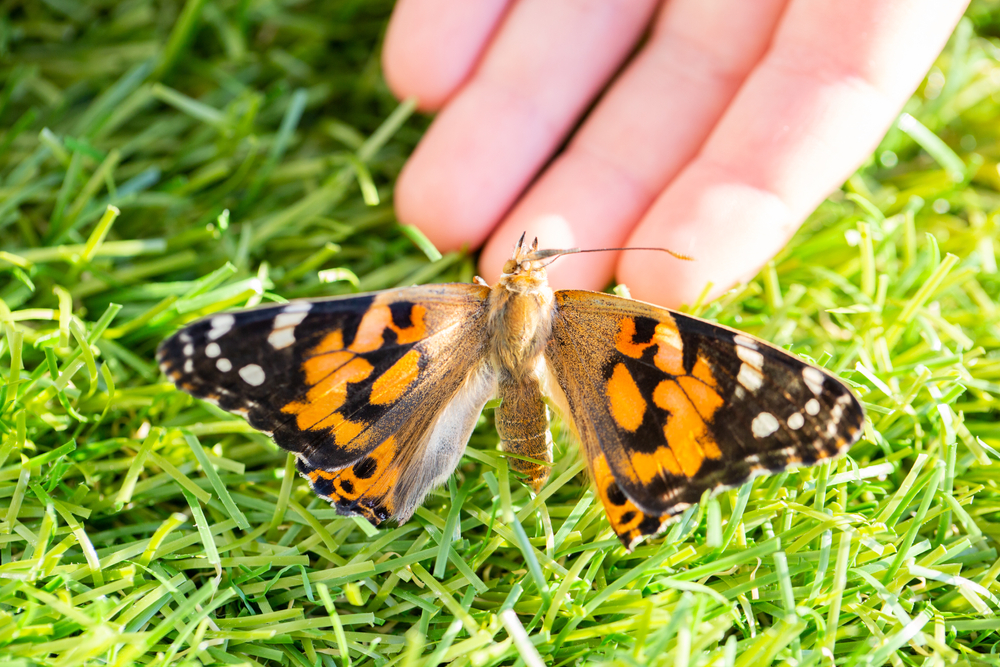


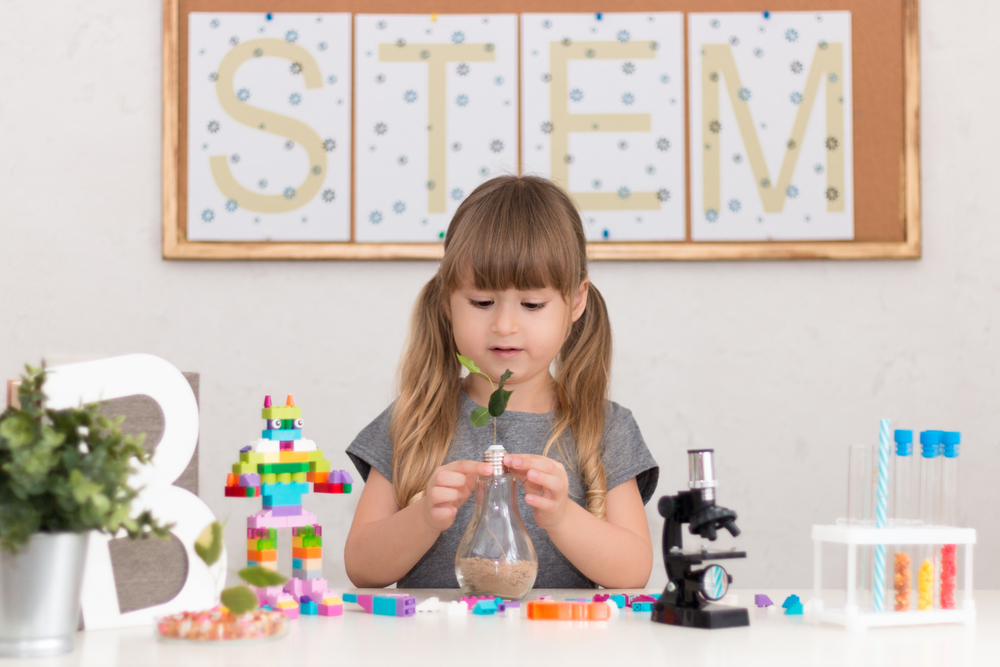

Critical thinking skills are crucial in building a child's foundation for lifelong learning and problem-solving. Between ages 3-8, children exhibit curiosity about the world, making it an opportune time to nurture these skills. Introducing critical thinking in the context of plants and animals leverages their natural interest in living things to foster deeper understanding and inquiry.
First, learning about plants and animals encourages children to ask questions and seek answers, which promotes an investigative mindset. For example, understanding how plants grow from seeds or how animals adapt to their environment helps develop observational skills, pattern recognition, and logical reasoning.
Second, these topics teach classification and comparison. Sorting leaves by shape or categorizing animals by habitat not only builds vocabulary but also enhances categorization skills. This kind of mental organization is fundamental to developing structured thinking.
Moreover, discussions about ecosystems and animal behavior cultivate empathy and an appreciation for biodiversity. Realizing the interdependence of living things can seed respect for nature, fostering environmental stewardship from an early age.
Finally, such early experiences set the stage for future academic subjects like science and geography, by providing a relatable context for abstract concepts. Encouraging critical thinking within these realms ensures children are not only absorbing information but also learning to interact with and question the world around them thoughtfully.