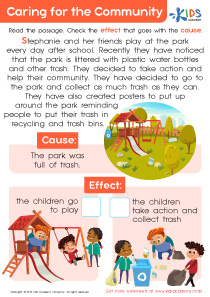
Handwriting practice Governance and Civics Worksheets for Ages 3-8
4 filtered results
-
From - To
Introduce your young learners to the fascinating world of governance and civics with our engaging handwriting practice worksheets designed for ages 3-8. These printables seamlessly blend foundational writing skills with essential concepts of citizenship, community, and civic responsibility. Perfect for preschool and early elementary students, each worksheet offers fun activities that promote letter formation, concentration, and fine motor skills while instilling the values of cooperation, fairness, and respect. Educators and parents alike will appreciate how these worksheets create an enriching learning experience, helping kiddos develop strong writing habits while discovering the principles of their community and government. Start your journey today!
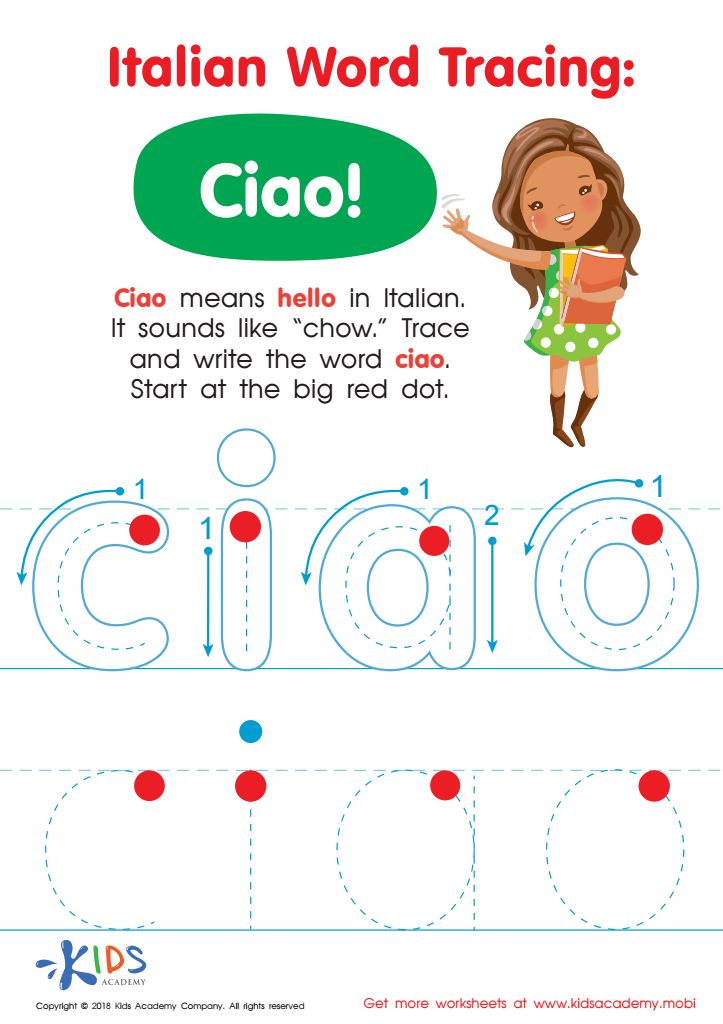
Italian Word Tracing: Ciao Worksheet
 Assign to My Students
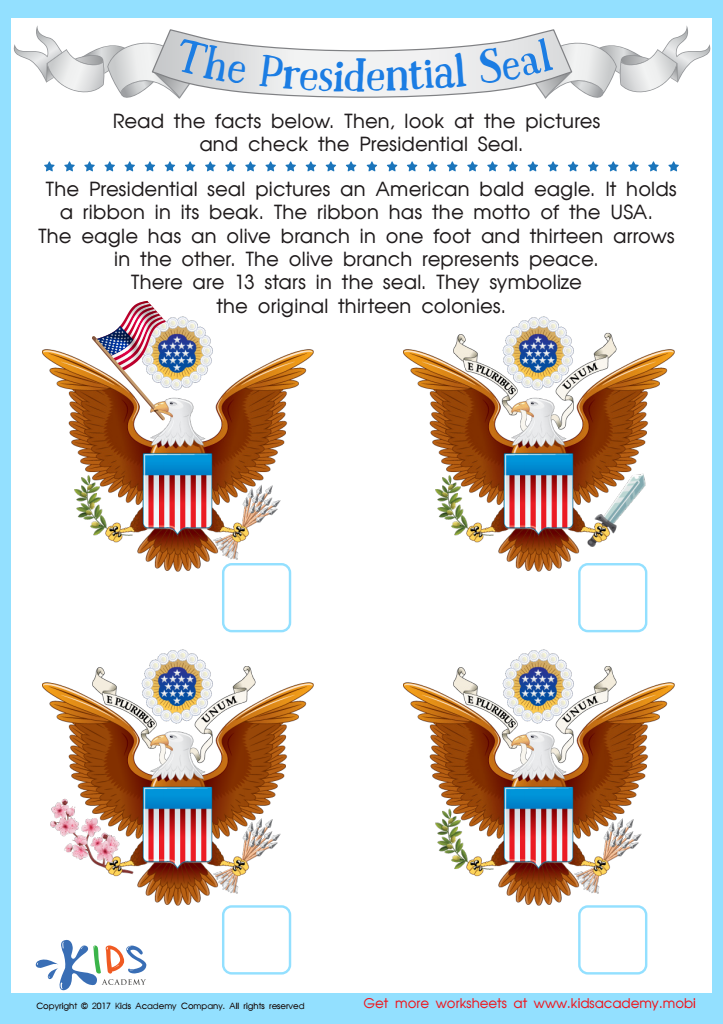
The Presidential Symbol Worksheet
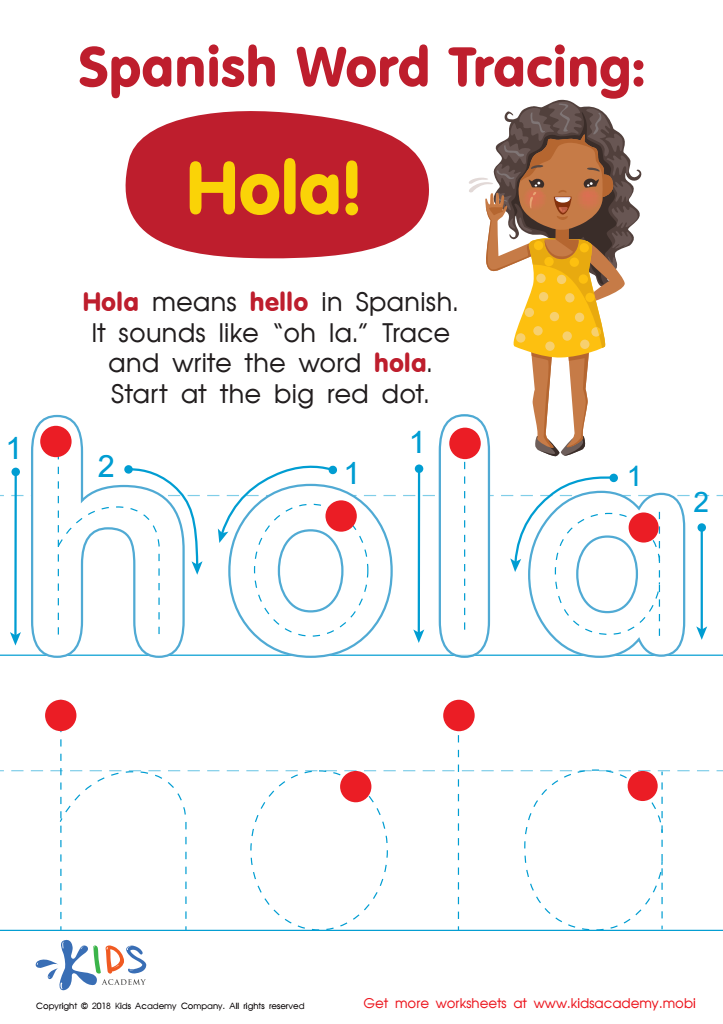
Spanish Word Tracing: Hola Worksheet
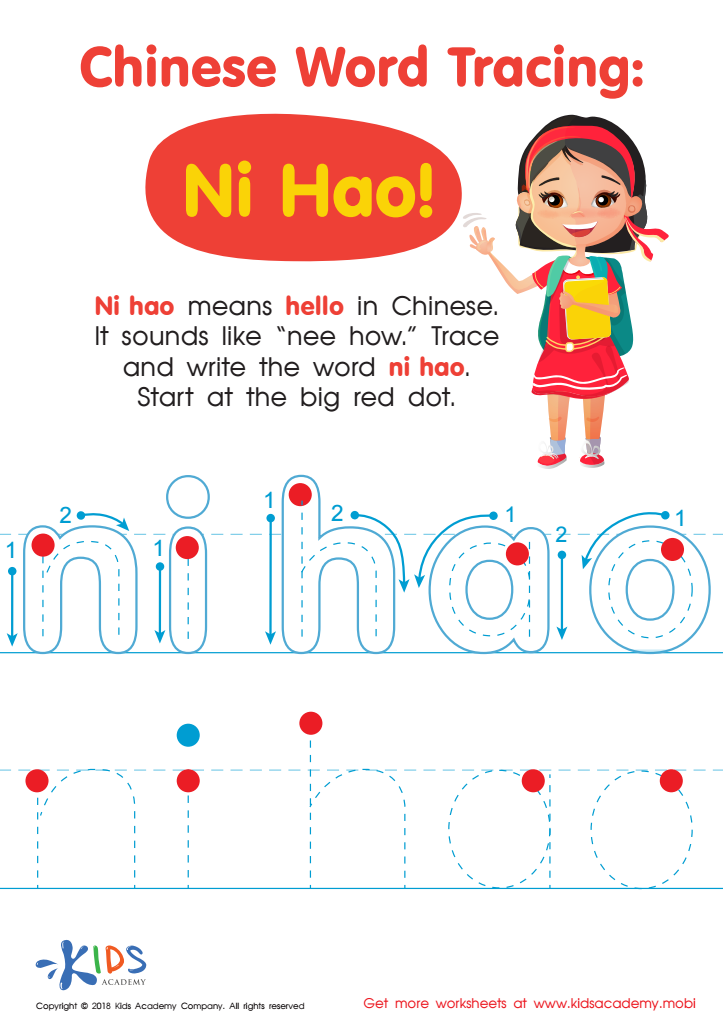
Chinese Word Tracing: Ni Hao Worksheet


Handwriting practice in the context of governance and civics is crucial for young learners aged 3-8, as it not only develops fine motor skills but also fosters an understanding of civic concepts. Early handwriting instruction helps children articulate their thoughts and feelings, supporting the development of their voices as future citizens. As they learn to write, children can also engage with fundamental democratic principles, exploring topics such as rules, community, and representation through simple writing exercises.
Additionally, practicing handwriting in civic education encourages collaboration among students, as they can share their written work and discuss ideas related to governance. This interaction instills an awareness of teamwork, respect for differing opinions, and the importance of effective communication—skills essential for a functioning democracy.
Moreover, handwriting itself is a tactile, deeply personal form of expression. When children learn to express civic ideas through writing, they begin to perceive themselves as active participants in their communities. For parents and teachers, supporting handwriting practice within the context of governance and civics lays the foundation for responsible, engaged citizens who are equipped to advocate for themselves and others in an increasingly complex world. Balancing fine motor development with civic understanding in early education ultimately enriches both individual growth and societal cohesion.