Word Recognition Governance and Civics Worksheets for Ages 3-8
3 filtered results
-
From - To
Discover our engaging "Word Recognition Governance and Civics Worksheets" tailored for children ages 3-8. These worksheets are designed to introduce young learners to essential concepts of governance and civics while enhancing their vocabulary skills. Each activity encourages children to recognize key words related to citizenship, community, and government, fostering an early understanding of civic responsibilities. Fun and interactive, our printable resources support comprehensive learning through illustrations and relatable scenarios, making learning enjoyable. Perfect for homeschooling, classroom activities, or supplemental education, these worksheets serve as a valuable tool for nurturing informed, engaged citizens of tomorrow. Start your child’s civic journey today!
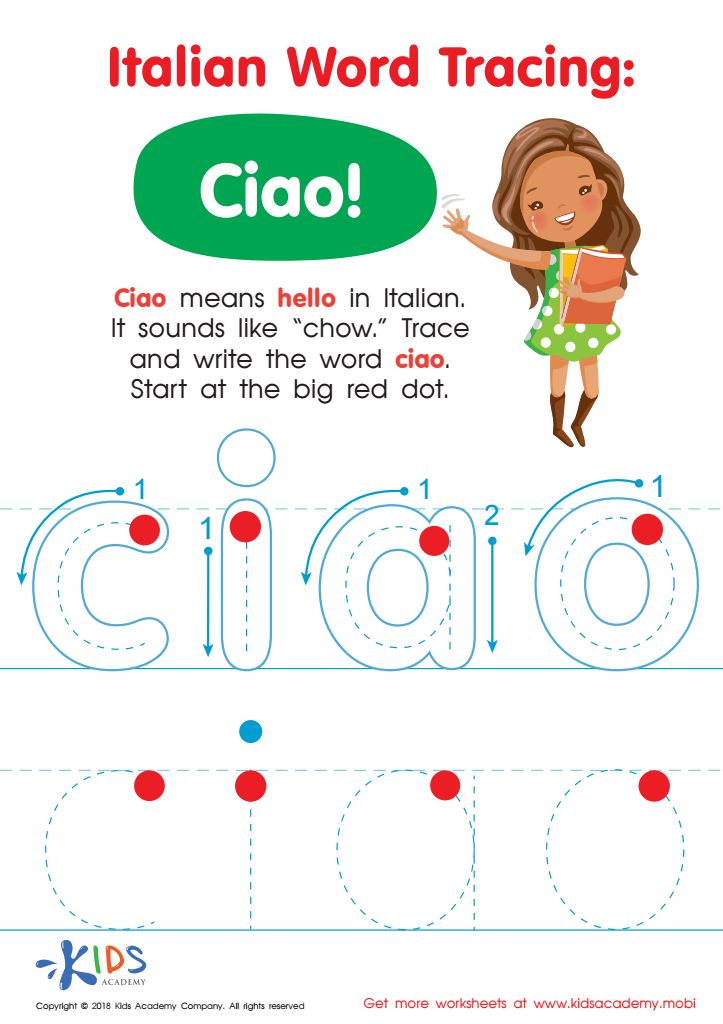
Italian Word Tracing: Ciao Worksheet
 Assign to My Students
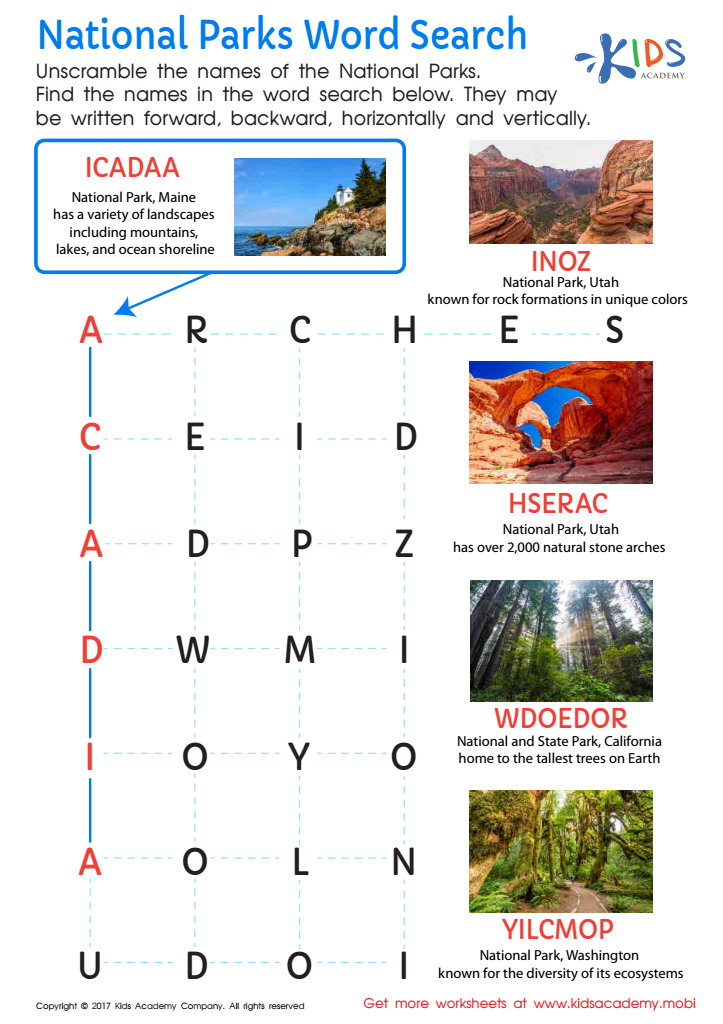
National Parks Word Search Worksheet
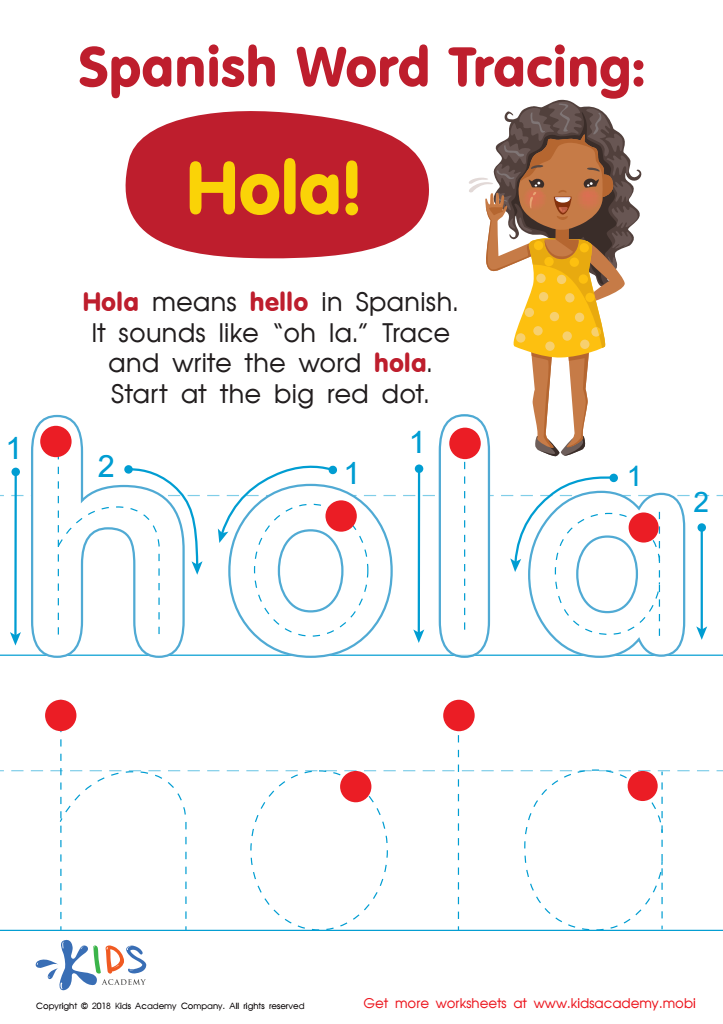
Spanish Word Tracing: Hola Worksheet


Word recognition is foundational for early literacy development, making it a critical component of education for children aged 3-8. By fostering strong word recognition skills, parents and teachers set the stage for academic success, enabling children to decode words and understand texts more effectively. This foundation is essential not only for reading but also for comprehension across subjects, including governance and civics.
Understanding governance and civics empowers young learners to engage actively and thoughtfully as upright citizens. An introduction to relevant vocabulary and concepts at an early age fosters curiosity and comprehension, allowing children to grasp the basic structures of their community, rights, and responsibilities. This early exposure enhances their critical thinking, collaboration, and communication skills—vital competencies in a democratic society.
Moreover, promoting literacy and civics aligns with broader educational goals, including social-emotional development and cultural awareness. Teachers and parents who prioritize word recognition in civic contexts nurture informed, responsible future citizens from a young age. By incorporating word recognition within governance and civics discussions, adults can engage children in meaningful conversations and creative exploration that resonates with their lives and encourages lifelong learning. This holistic approach ultimately fosters an informative and participatory citizenry.








