Filters

8 filtered results

Clear all filters
Favorites
With answer key
Interactive

8 filtered results

Difficulty Level

Grade


Unlock your child's cognitive potential with our "Cognitive Development World Around Us Worksheets for Ages 3-8." These engaging, age-appropriate printables are designed to enhance critical thinking, problem-solving, and decision-making skills. With fun, hands-on activities, kids will explore their environment, asking questions, and understanding how things work. Each worksheet supports foundational learning skills tailored to young minds' curiosity and capacity. Whether at home or in school, these tools offer essential brain-boosting exercises to foster intellectual growth and a lifelong love for learning. Click to discover a world of knowledge waiting to be explored!

Check out this FREE Trial Lesson on World Around Us for age 3-8!

My Kitchen

Favorites
With answer key
Interactive
  • 3-8
  • Cognitive Development
  • World Around Us
Is this a Home? Worksheet

Is this a Home? Worksheet

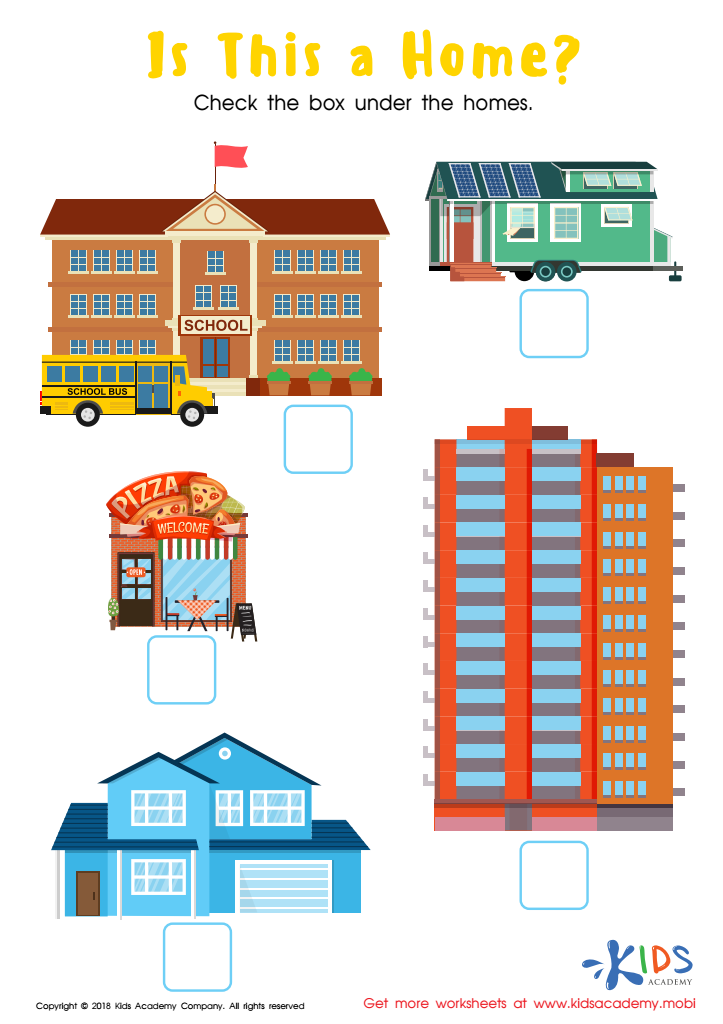
Ask your child what the building you live in is called. Is it a home, restaurant or hospital? Then look at the pictures in the worksheet and ask them to identify which are homes - even if they don't look like yours. Check the box next to the homes in the pictures.
Is this a Home? Worksheet
Worksheet
Feelings and emotions worksheet

Feelings and Emotions Worksheet

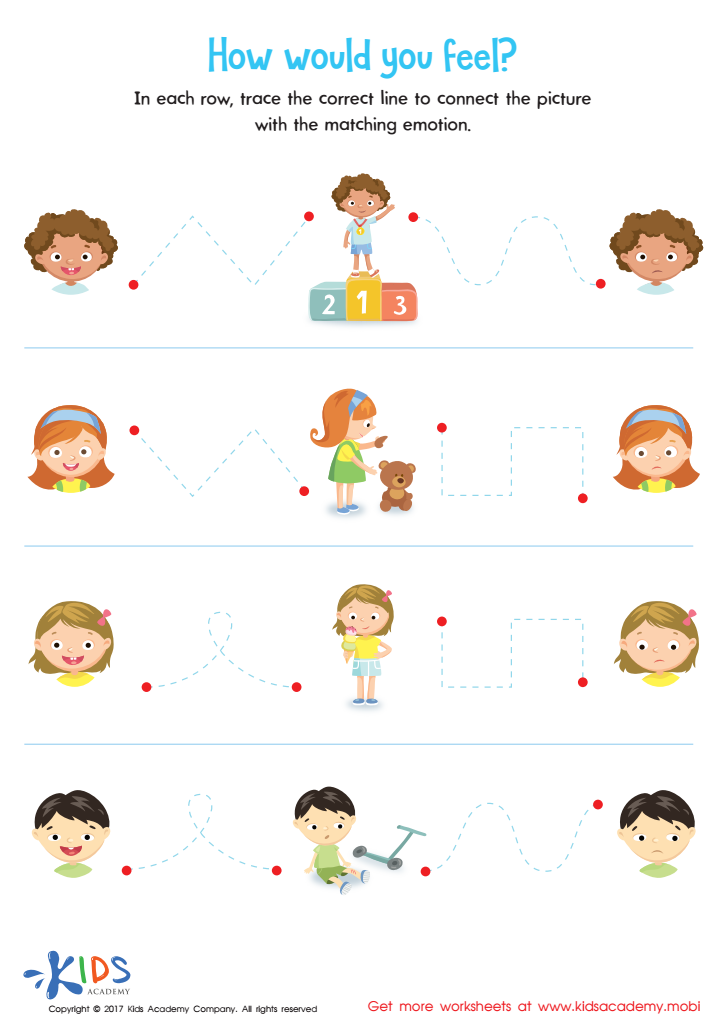
Kids must learn how to deal with situations and handle their own emotions. This worksheet helps them practice empathy and resilience, making them more self-aware and confident. It also helps them to relate their life experiences to common disappointments and develop coping mechanisms.
Feelings and Emotions Worksheet
Worksheet
Let's Look! Assessment Worksheet

Let's Look! Assessment Worksheet

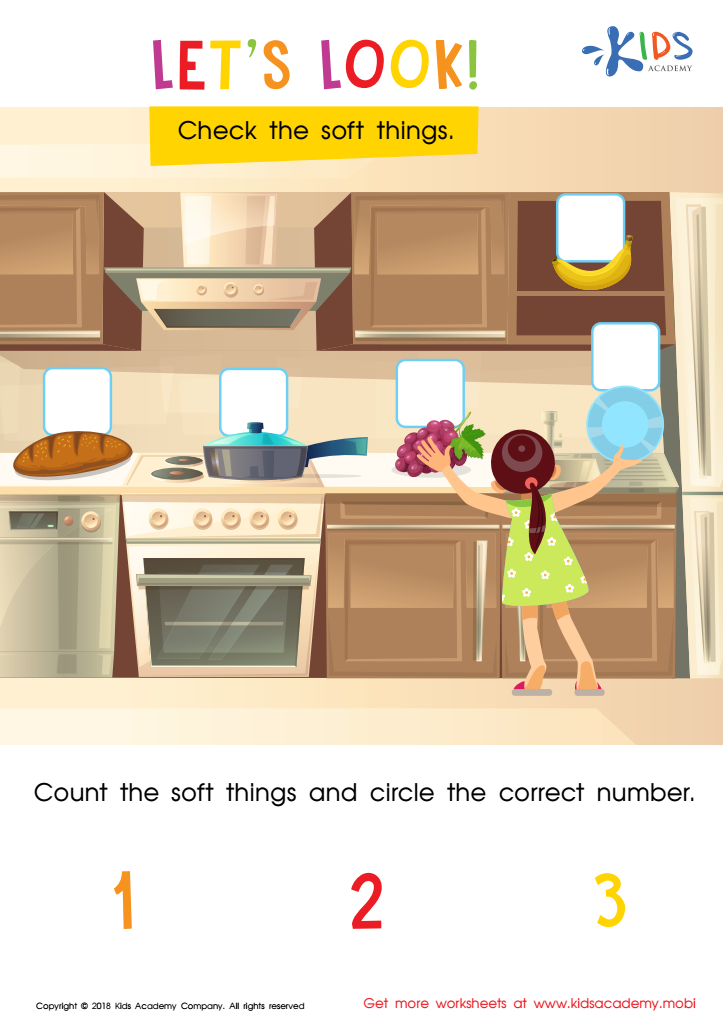
Have your child look at the picture in the printout and name the objects. Ask which ones are soft and hard and have them count the soft objects and circle the number. This worksheet will engage your child's thinking and teach them about texture.
Let's Look! Assessment Worksheet
Worksheet
Carnivorous animals worksheet

Carnivores Worksheet

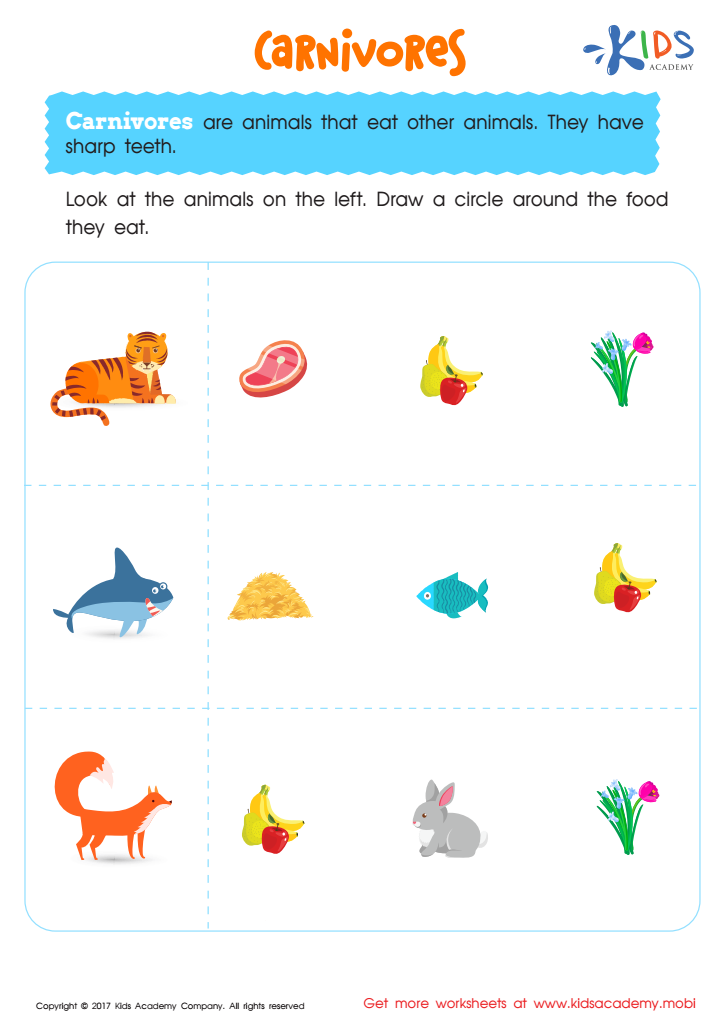
Boost their vocabulary and help them explore the incredible world of carnivores.
Carnivores Worksheet
Worksheet
How’s the Weather Printable Worksheet

Hows the Weather Worksheet

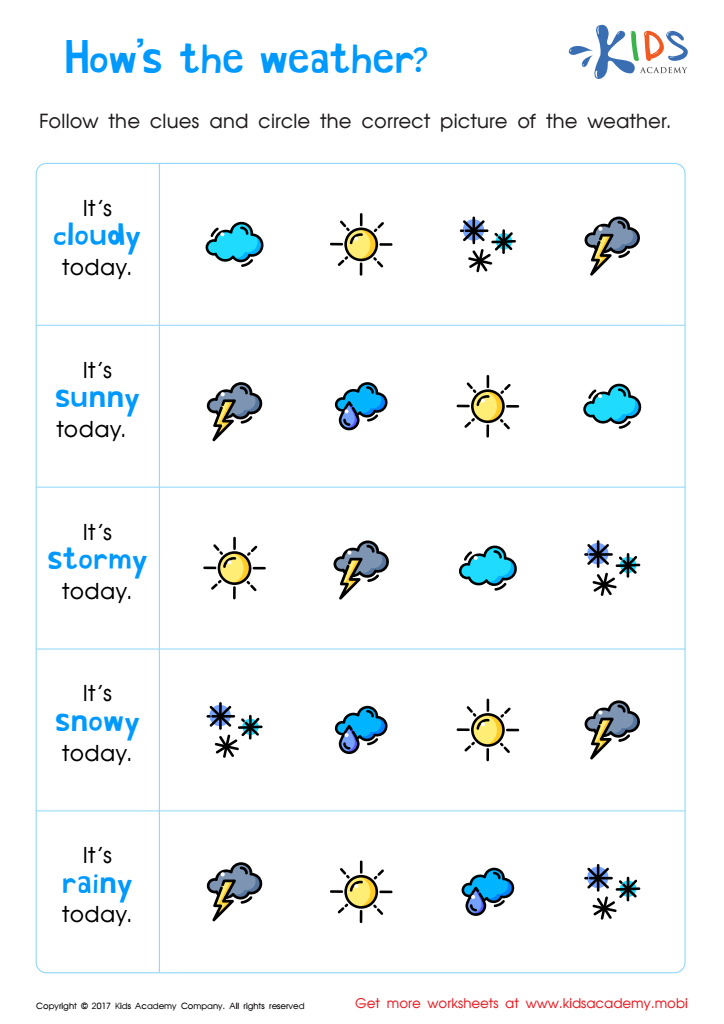
Teaching kids about weather is a fun way to start science learning. This worksheet helps recognize symbols, literacy skills and make real world connections. Your child will love it!
Hows the Weather Worksheet
Worksheet
Traditional Dance Worksheet

Traditional Dance Printable
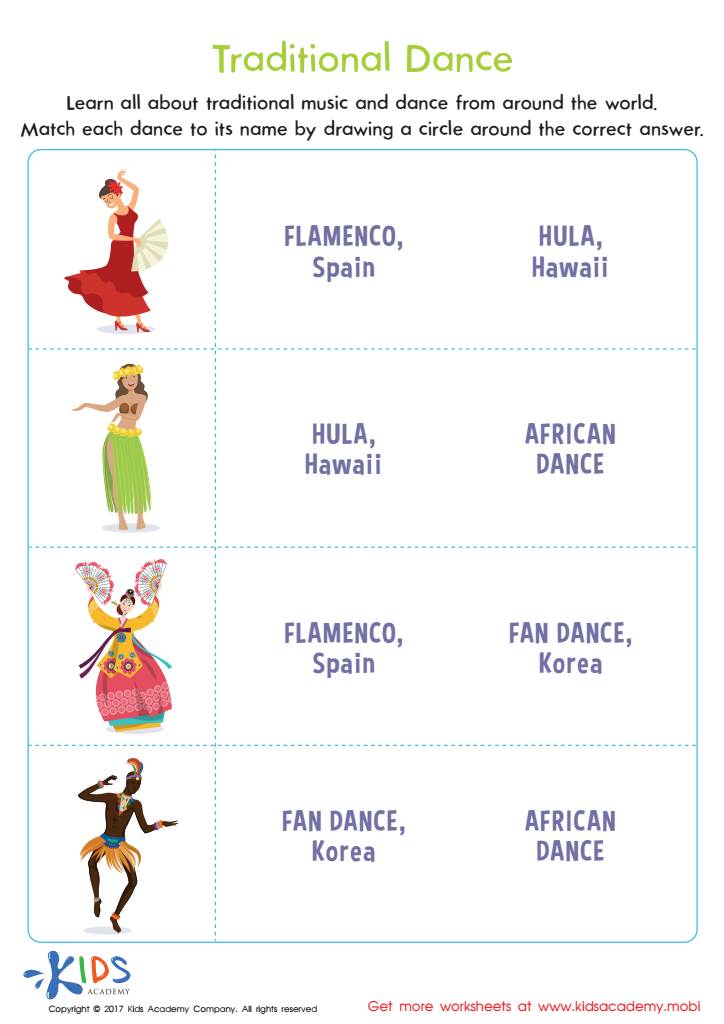
Introduce your child to traditional dances from across the globe with this worksheet. They'll learn to identify dances from different cultures, use their critical thinking skills and build an appreciation for different cultures. Let’s help kids to appreciate people’s differences and explore the world with this fun, colorful worksheet.
Traditional Dance Printable
Worksheet
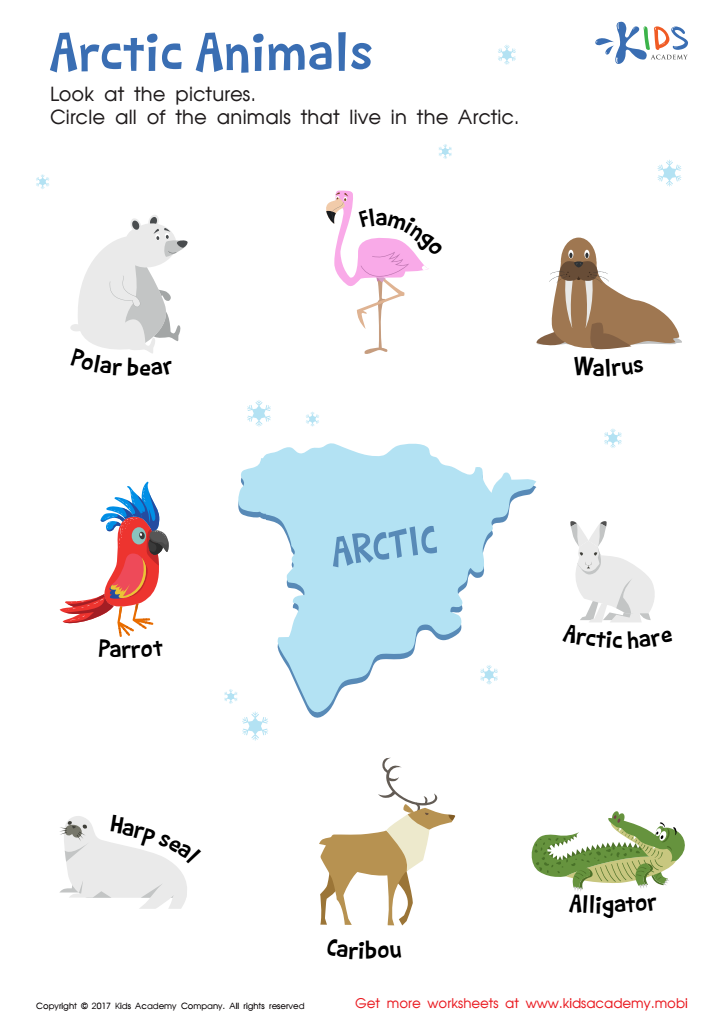
Arctic Animals Worksheet

Arctic Animals Worksheet

Kids love animals and this worksheet is a great way to teach them where they live. It reinforces classification skills and introduces new animals, like the Arctic hare. Use it to discuss the Arctic climate and how these animals live, then ask your child where other animals live to keep the conversation going.
Arctic Animals Worksheet
Worksheet
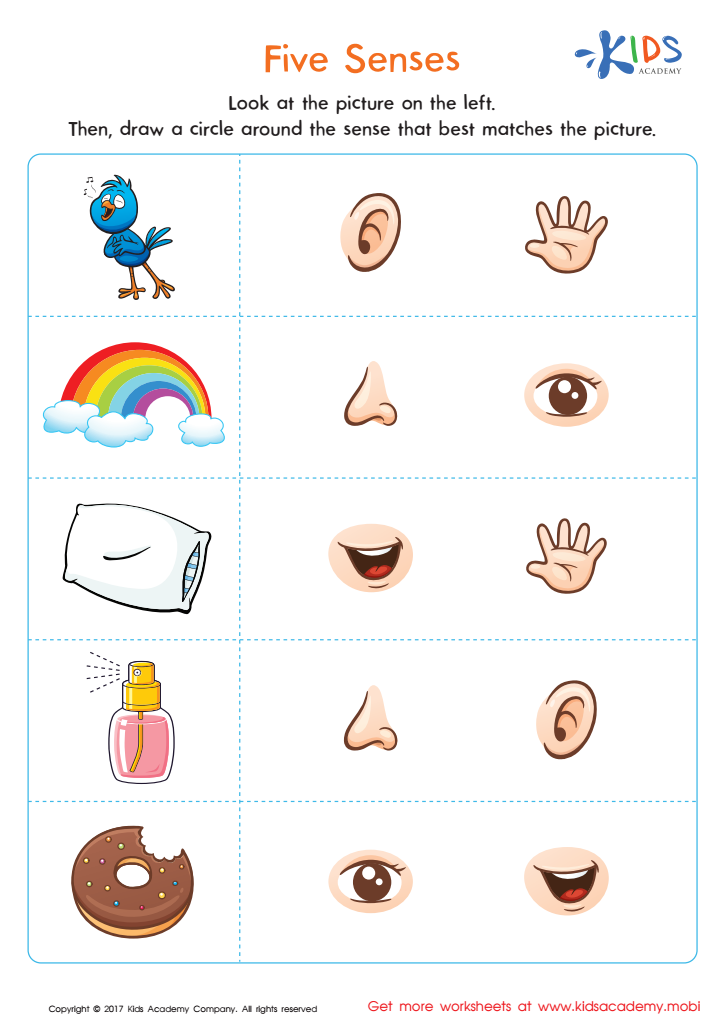
Free Printable Five Senses Worksheets

Five Senses Printable

For an easy way to jumpstart your child's critical thinking and introduce the five senses, print our free worksheets! These are great for reviewing each sense and practicing critical thinking skills. Work with your child and discuss each image. After completing the worksheet, find objects around the house so they can quiz themselves!
Five Senses Printable
Worksheet


Parents and teachers should care about cognitive development in ages 3-8 because it lays the foundation for a child's future learning and problem-solving abilities. At this stage, children are exceptionally curious and rapidly absorbing the world around them, which is vital for developing critical thinking and understanding. Engaging their cognitive skills helps them to better process information, make connections, and understand cause-and-effect relationships.

Active cognitive development promotes language skills, social understanding, and self-regulation, all of which are essential for success in school and beyond. For instance, richer vocabularies and better communication skills aid in expressing needs and understanding instructions, while strong problem-solving abilities help children navigate daily challenges.

Moreover, fostering cognitive development during these formative years ensures that children are emotionally resilient and adaptable. They learn to work with peers, handle frustrations, and navigate social interactions more effectively. Engaging children in age-appropriate activities, such as exploratory play, storytelling, and hands-on projects, stimulates their brains and makes learning enjoyable, holding their interest longer.

Interactions with parents and teachers who value and support cognitive development create a positive environment that nurtures a lifelong love for learning. Investing time and resources into this aspect of children's early education results in well-rounded individuals ready to thrive in future academic and personal endeavors.