Spelling practice Grammar Worksheets for Ages 3-8 - Page 2
44 filtered results
-
From - To
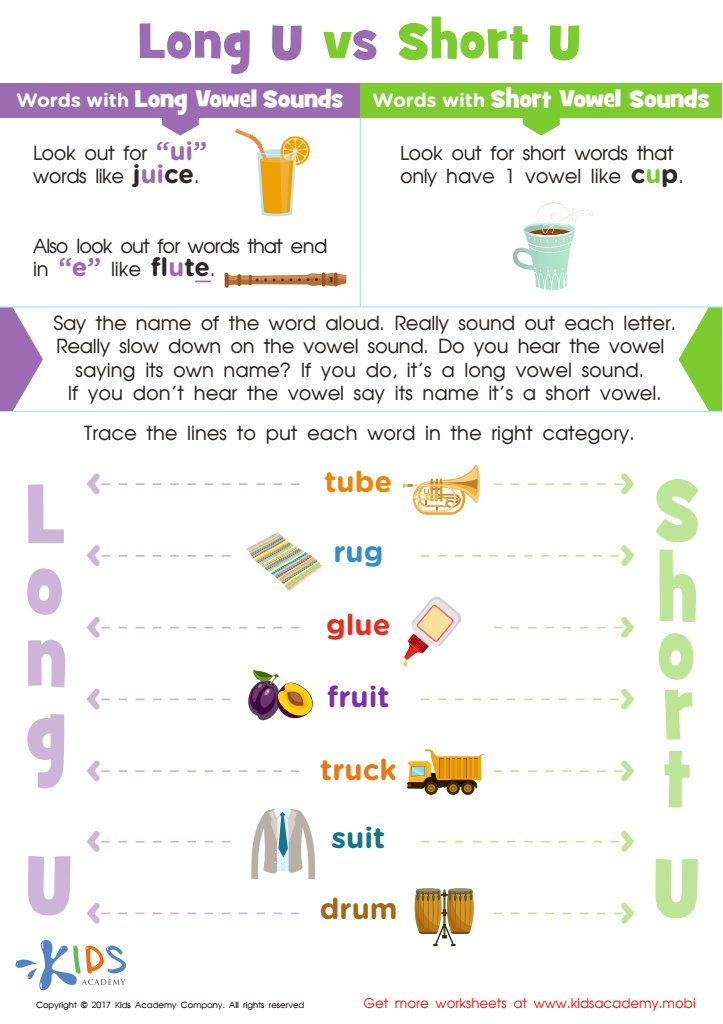
Long and Short Vowel U Spelling Worksheet
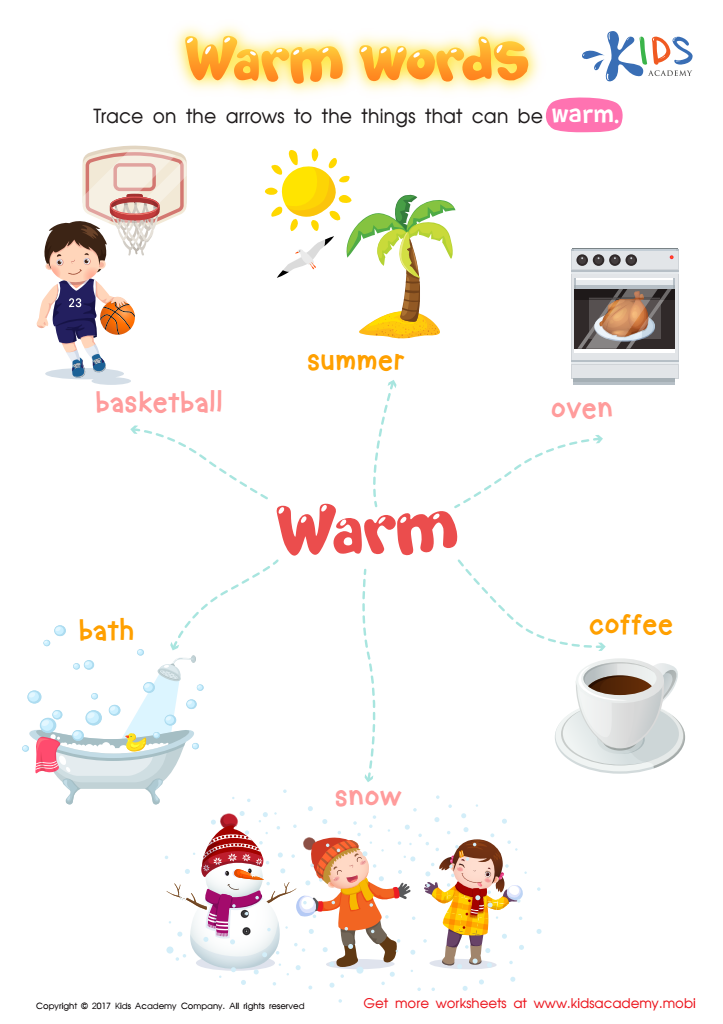
Warm Words Worksheet
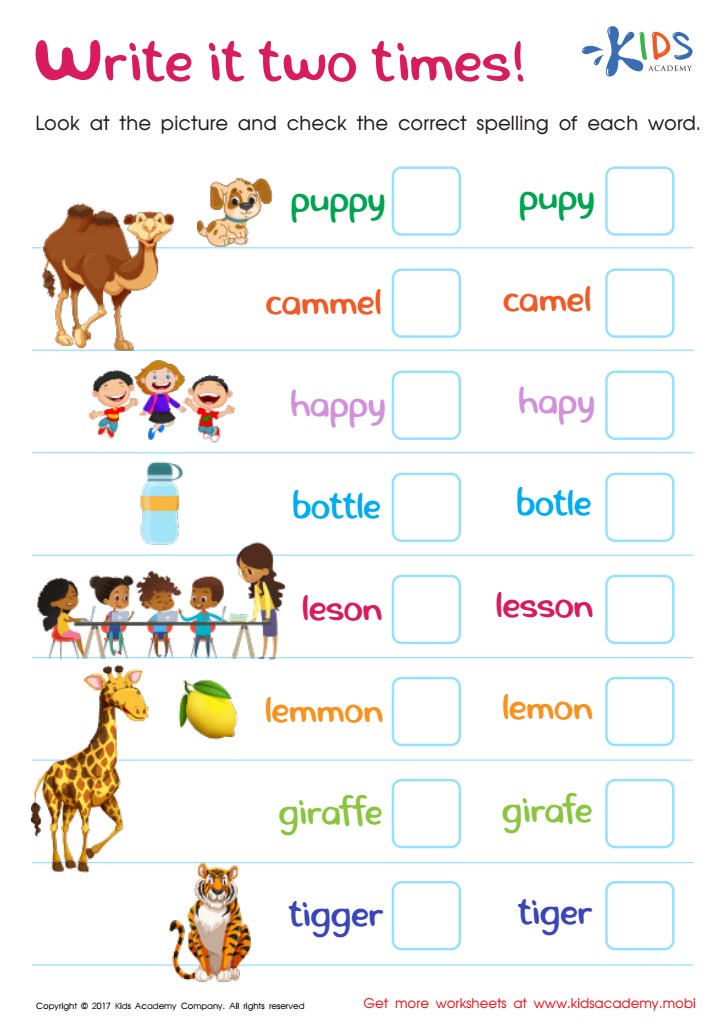
Spelling Practice Worksheet
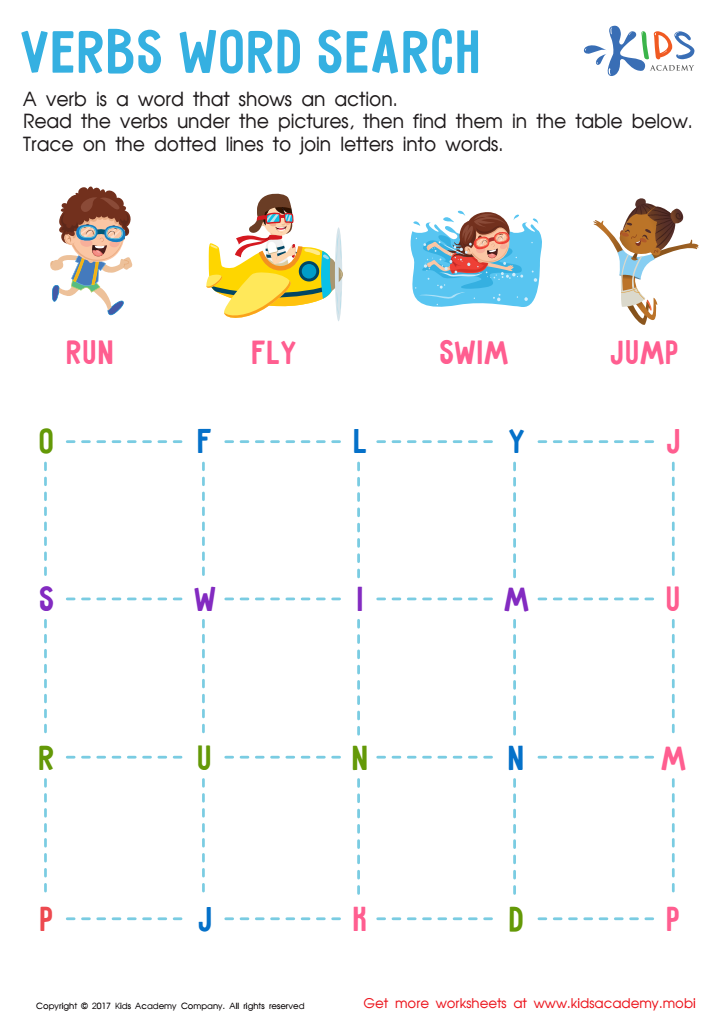
Verbs Word Search Worksheet
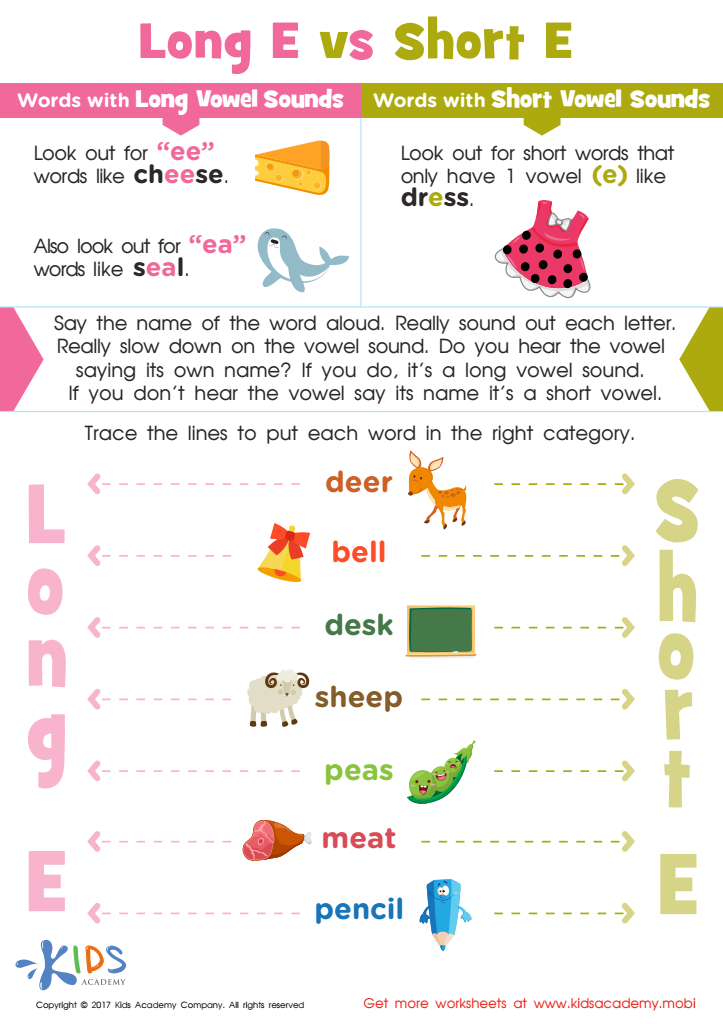
Long and Short Vowel E Spelling Worksheet
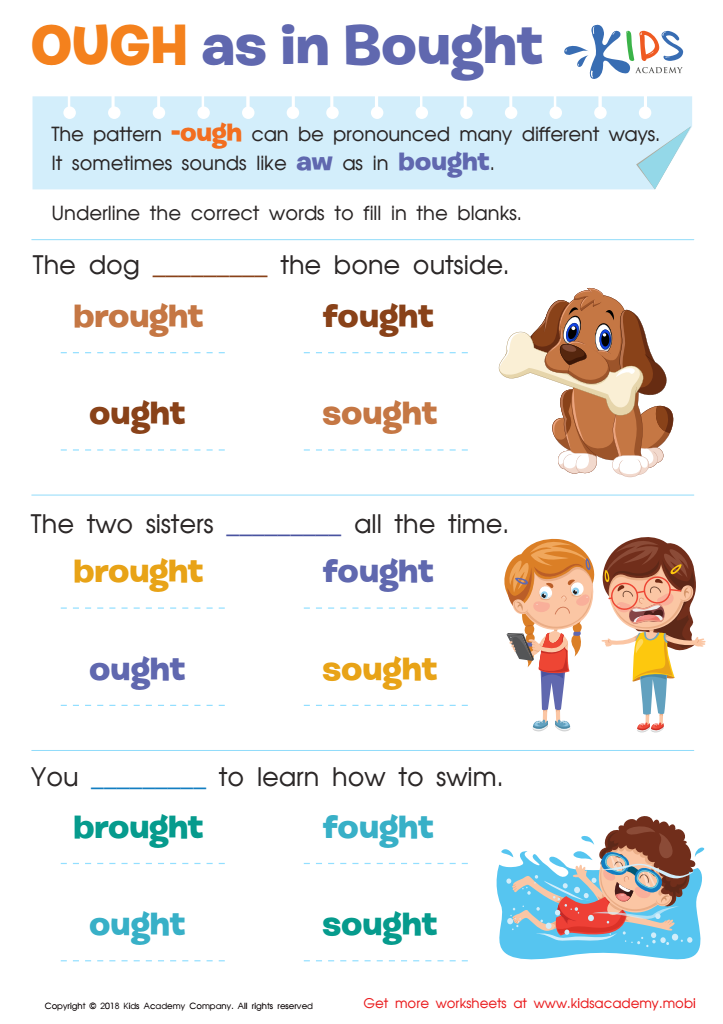
OUGH as in Bought Worksheet
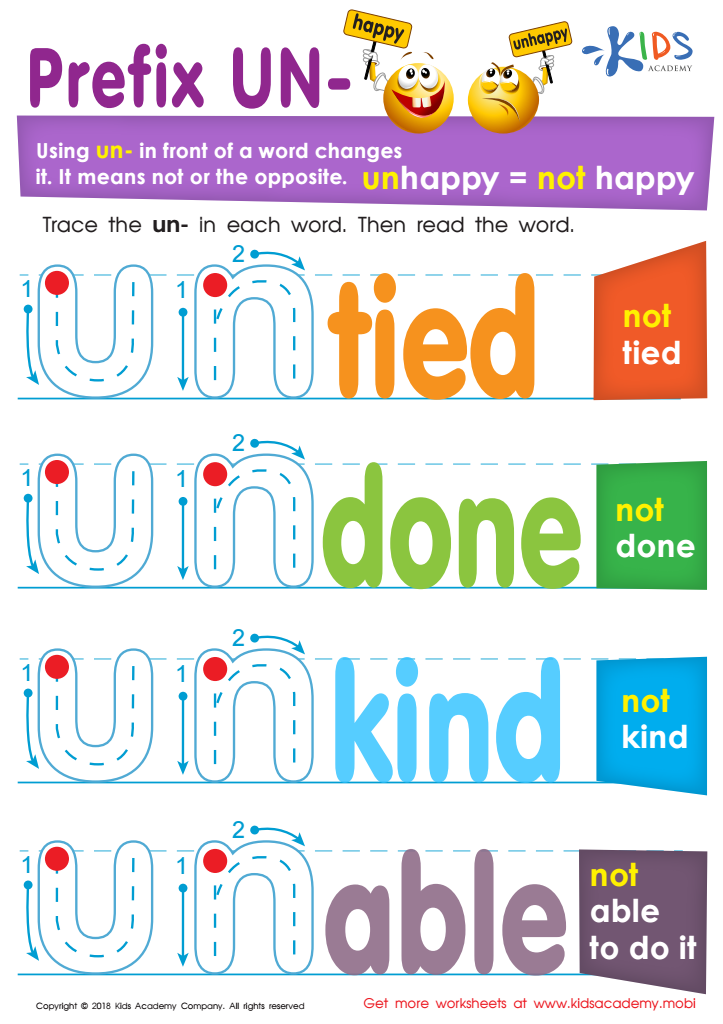
Prefix Un- Worksheet
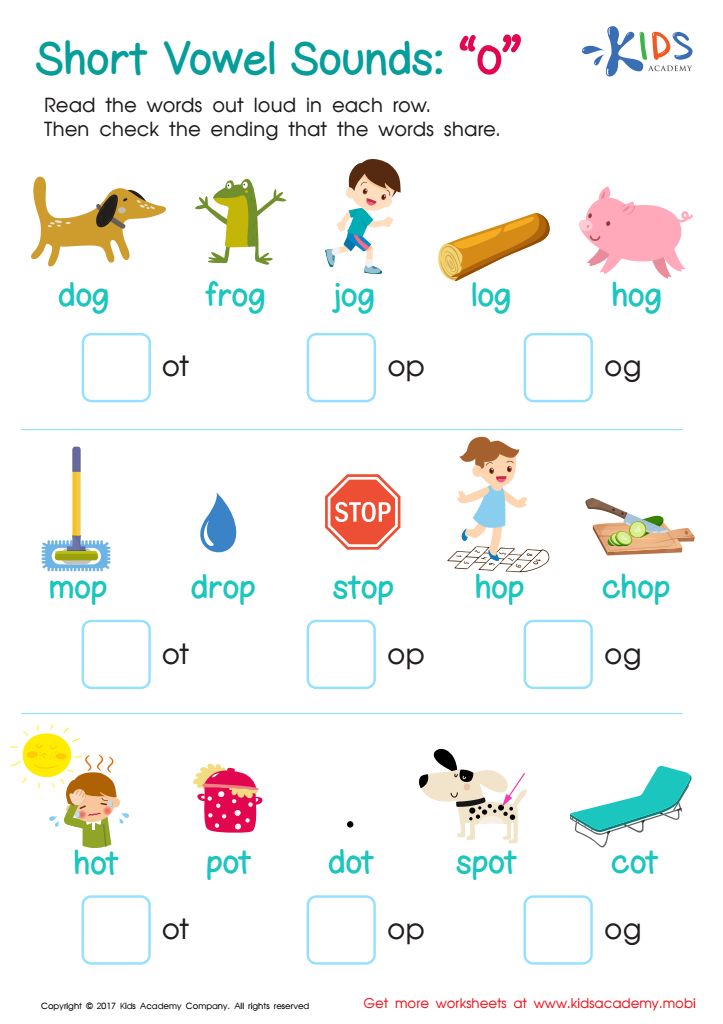
Short vowel Sounds "o" Spelling Worksheet
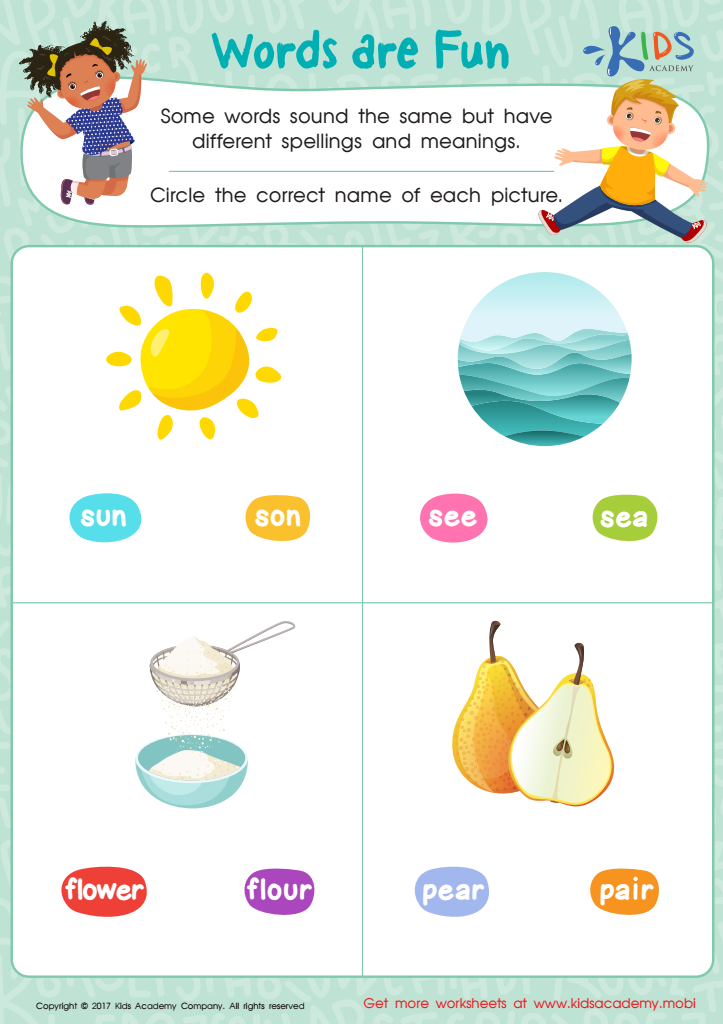
Words Are Fun Worksheet
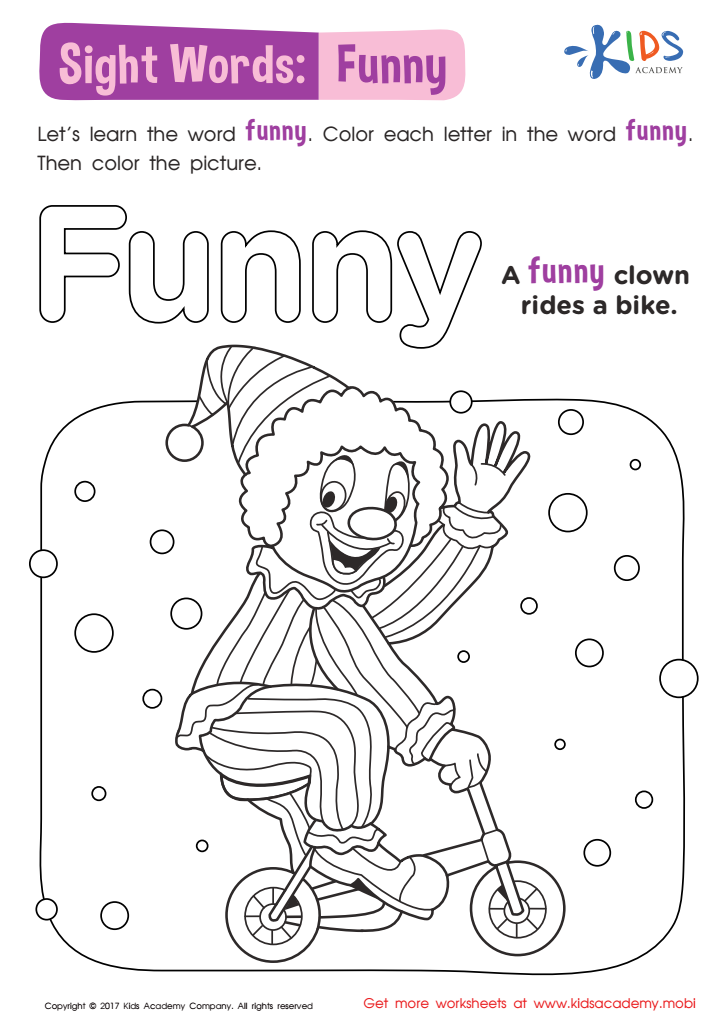
Funny Worksheet Sight Words Worksheet
 Assign to My Students
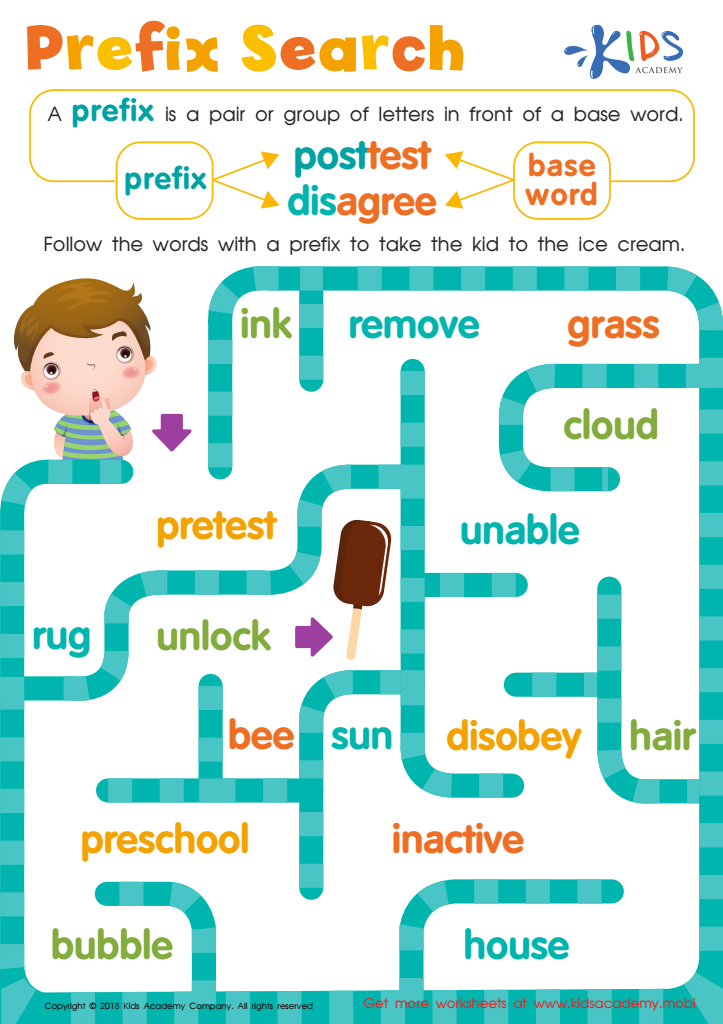
Reading: Prefix Search Worksheet
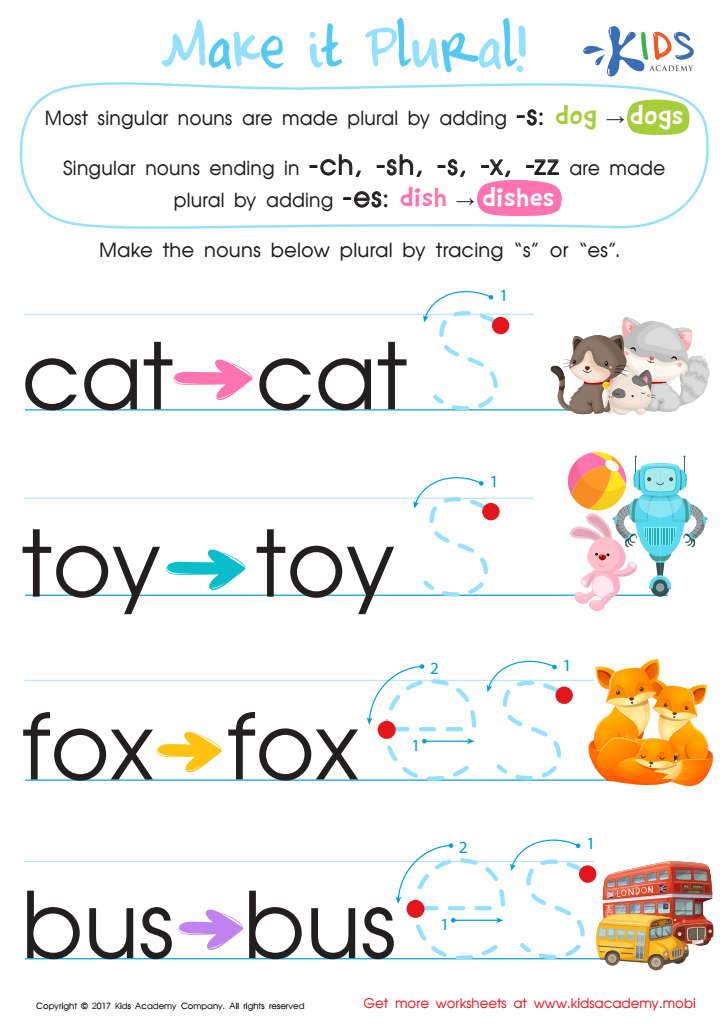
Make it Plural Worksheet
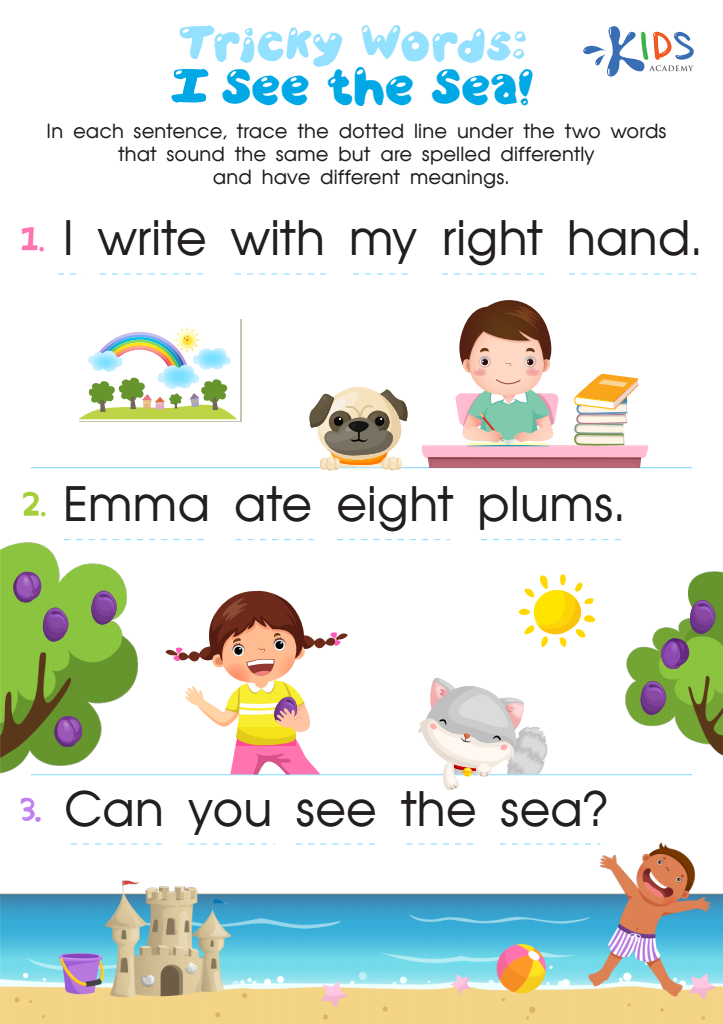
Tricky Words Worksheet
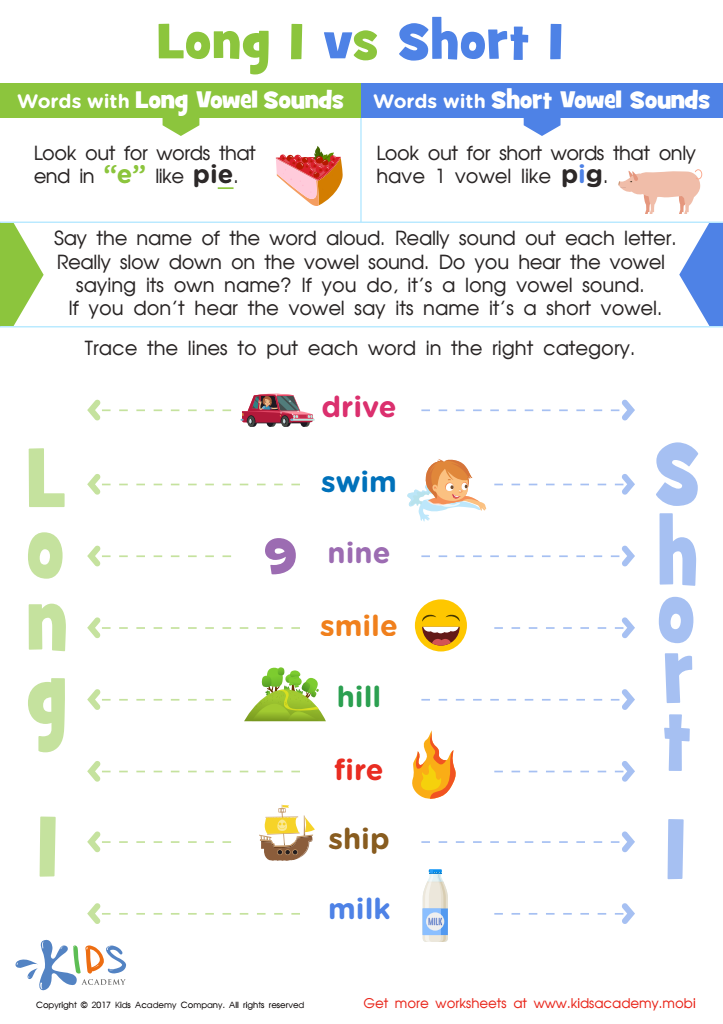
Long and Short Vowel I Spelling Worksheet
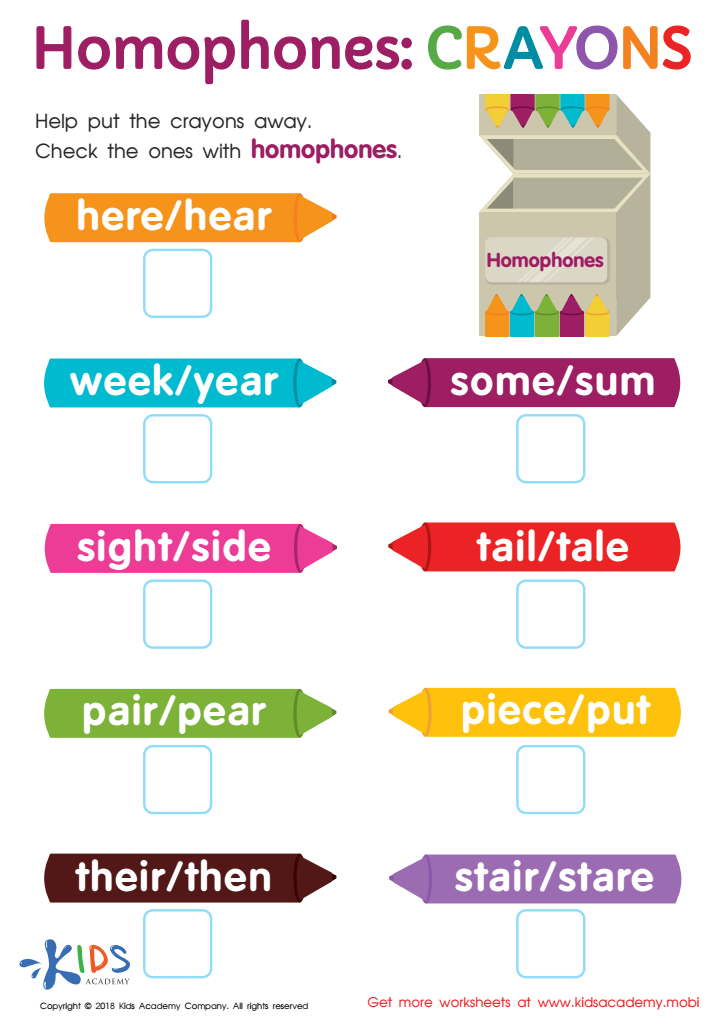
Homophones: Crayons Worksheet
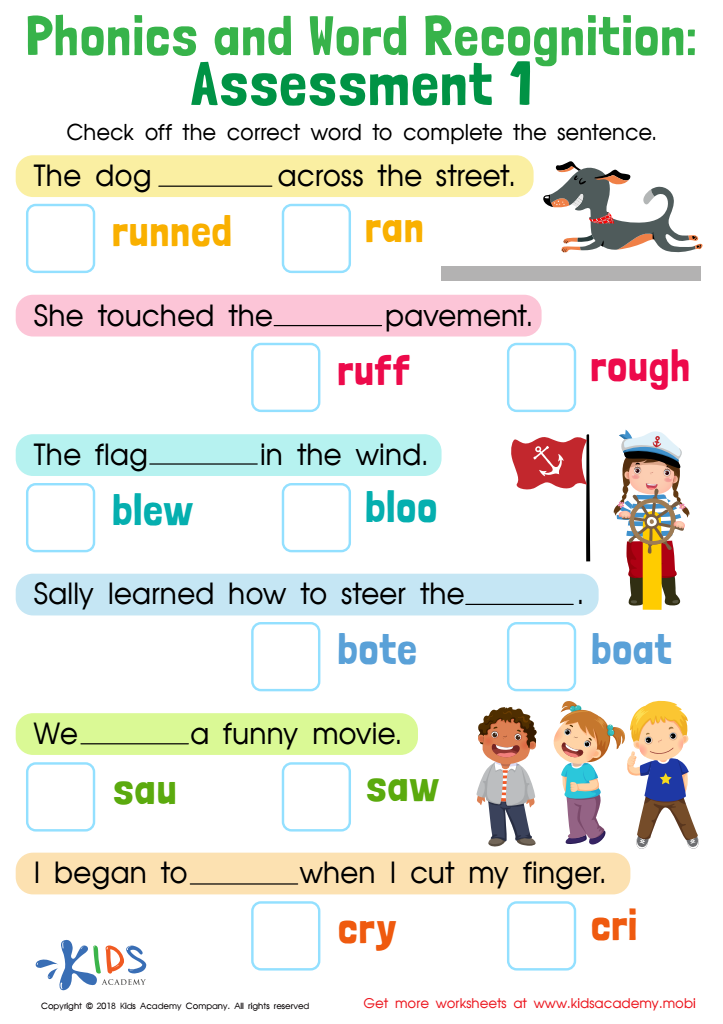
Phonics and Word Recognition: Assessment 1 Worksheet
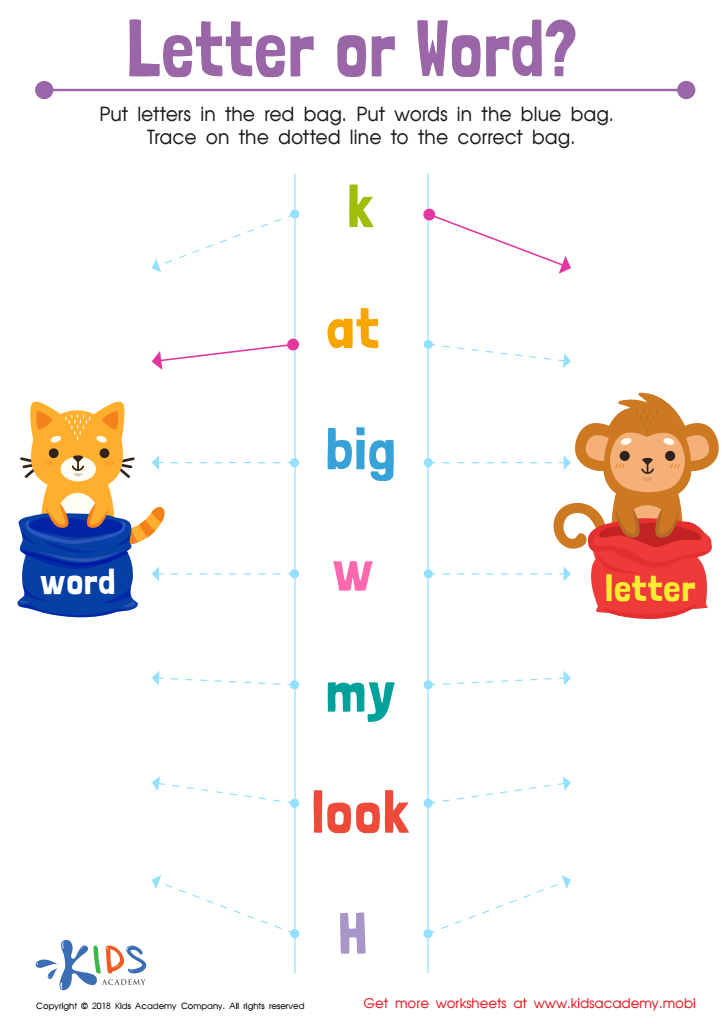
Letter or Word? Worksheet
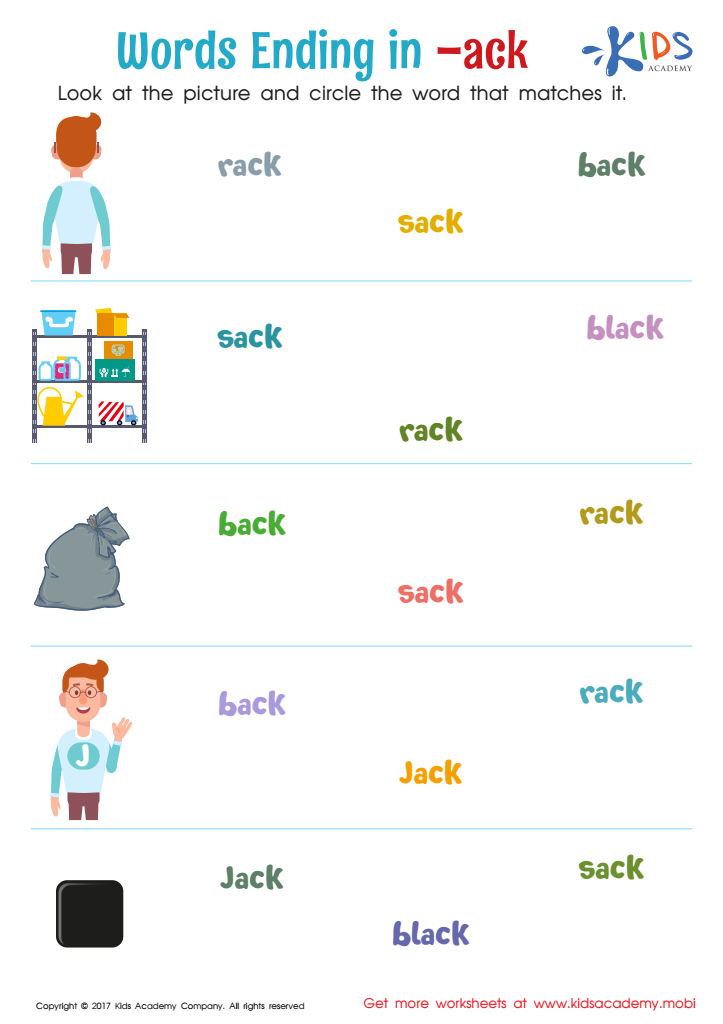
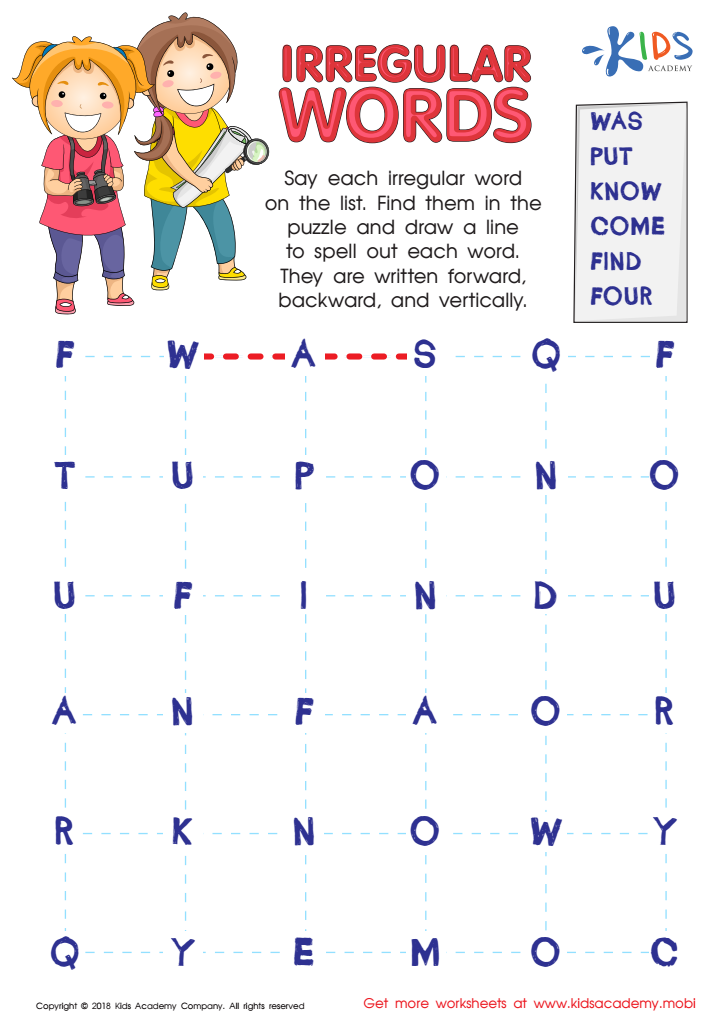
Irregular Words Worksheet
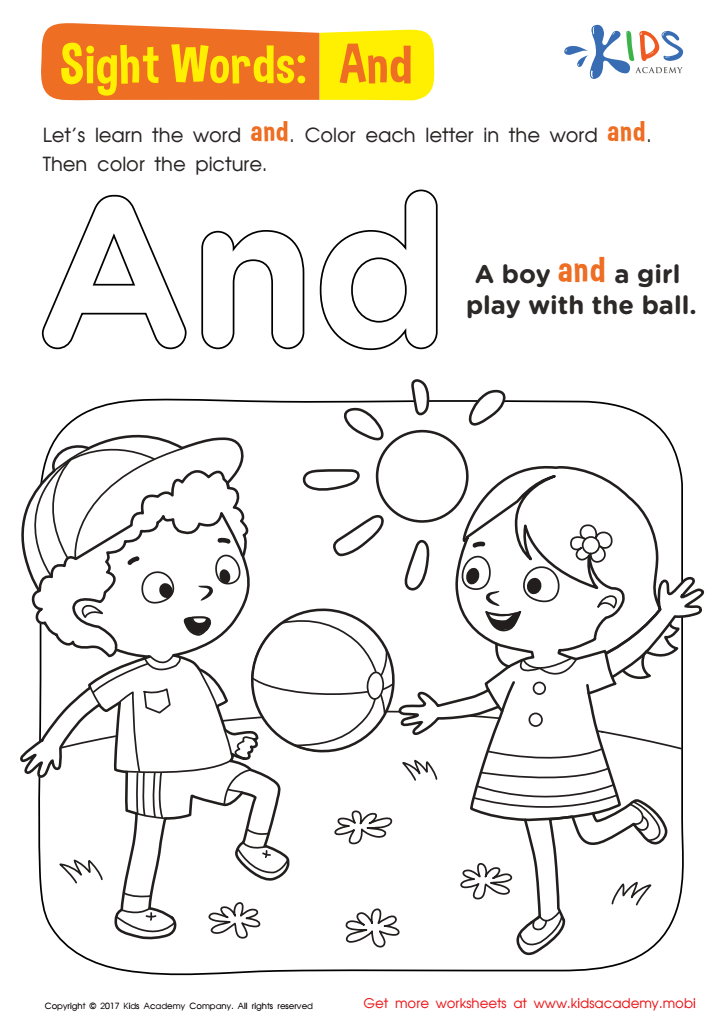
And Worksheet Sight Words Worksheet
Assign to My Students






.jpg)
Spelling practice and grammar are essential components in the early development of literacy skills for children aged 3-8. At this crucial stage, fostering these skills lays the groundwork for effective communication and reading proficiency. Parents and teachers should care deeply about spelling and grammar for several reasons.
First, mastering spelling enhances vocabulary and reading comprehension. When children engage in spelling practice, they become more familiar with word structures and meanings, which supports their overall language development. Understanding grammar, including punctuation and sentence structure, enables children to construct clear and coherent sentences, promoting precise expression of their thoughts.
Moreover, effective spelling and grammar skills boost children's confidence in both academic and social settings. As they become adept at writing and speaking, they feel more empowered to participate in discussions and express their ideas without hesitation, leading to increased self-esteem.
Finally, these foundational skills are critical for academic success in later years. Good spelling and grammatical knowledge influence performance in reading, writing, and even mathematics, where language understanding is vital. Therefore, prioritizing spelling practice and grammar education in early childhood influences not only literacy but also fosters a love for learning that can last a lifetime.








