Spelling Skills Grammar Worksheets for Ages 3-8
5 filtered results
-
From - To
Enhance your child's language development with our Spelling Skills Grammar Worksheets, thoughtfully designed for ages 3-8. These engaging worksheets promote foundational spelling and grammar skills, helping young learners recognize patterns, build vocabulary, and understand sentence structure. Our fun, colorful activities not only foster academic growth but also ignite a love for learning. Perfect for both classroom and at-home practice, Kids Academy's worksheets provide essential support to develop confident readers and writers. Explore our collection today and empower your child with the tools they need for academic success. Visit our website at Kids Academy for more details.
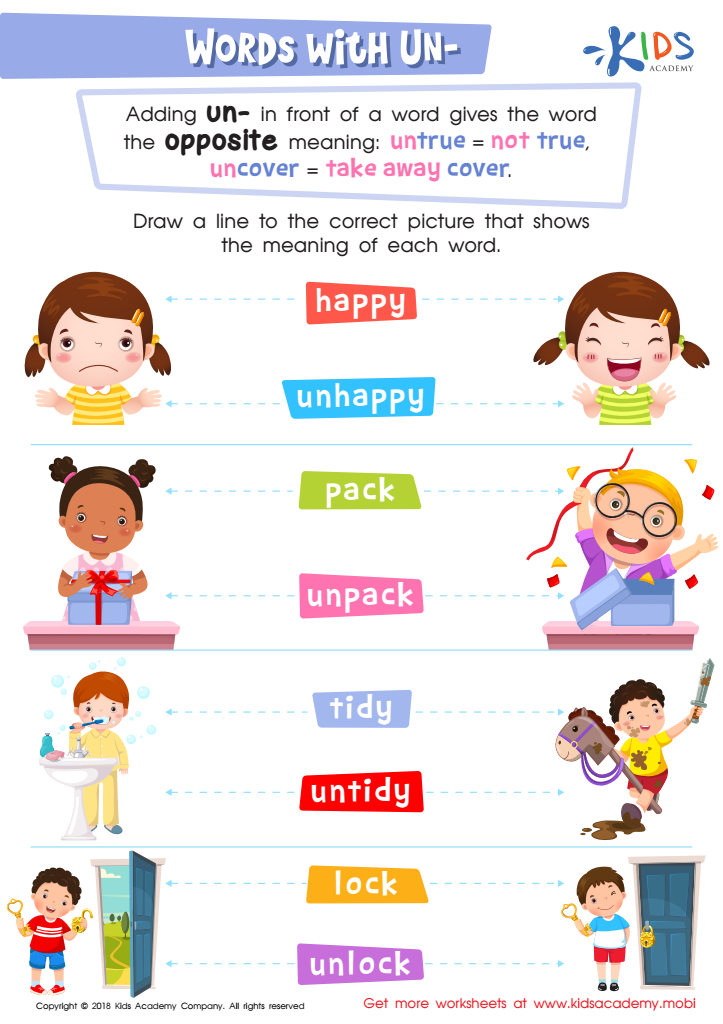
Words with Un– Worksheet
 Assign to My Students
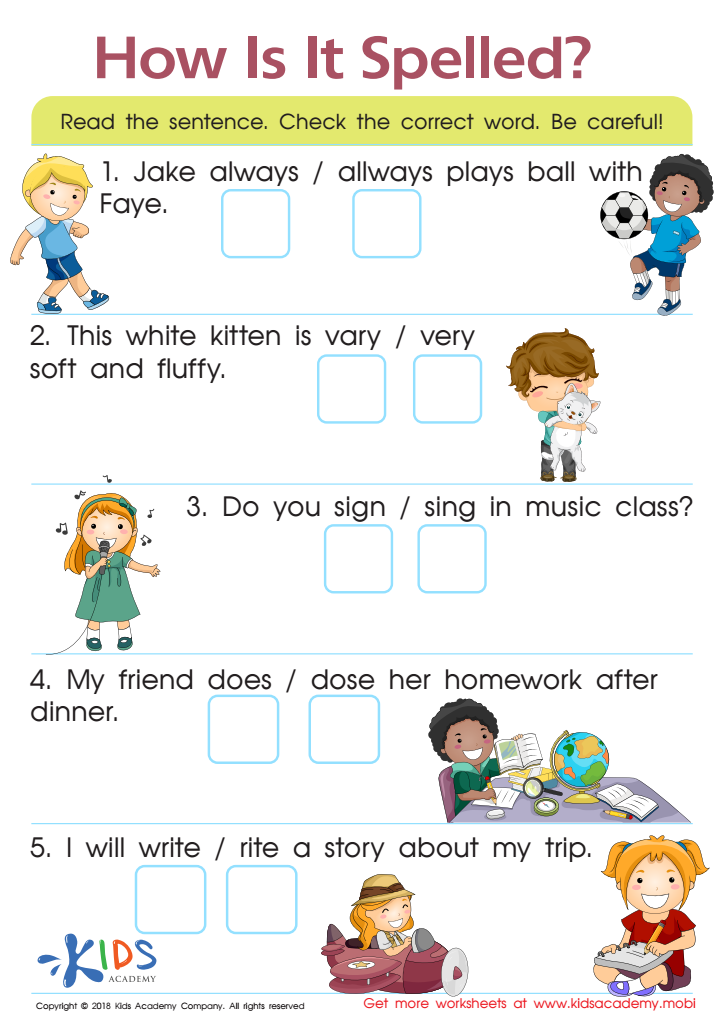
How is it spelled? Worksheet
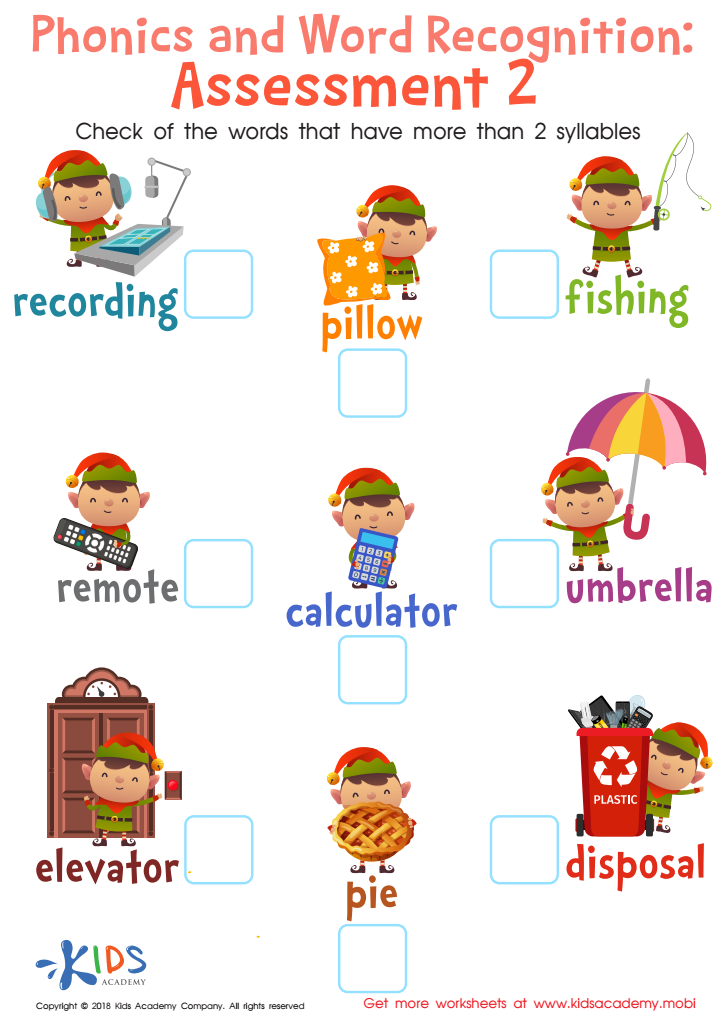
Phonics and Word Recognition: Assessment 2 Worksheet
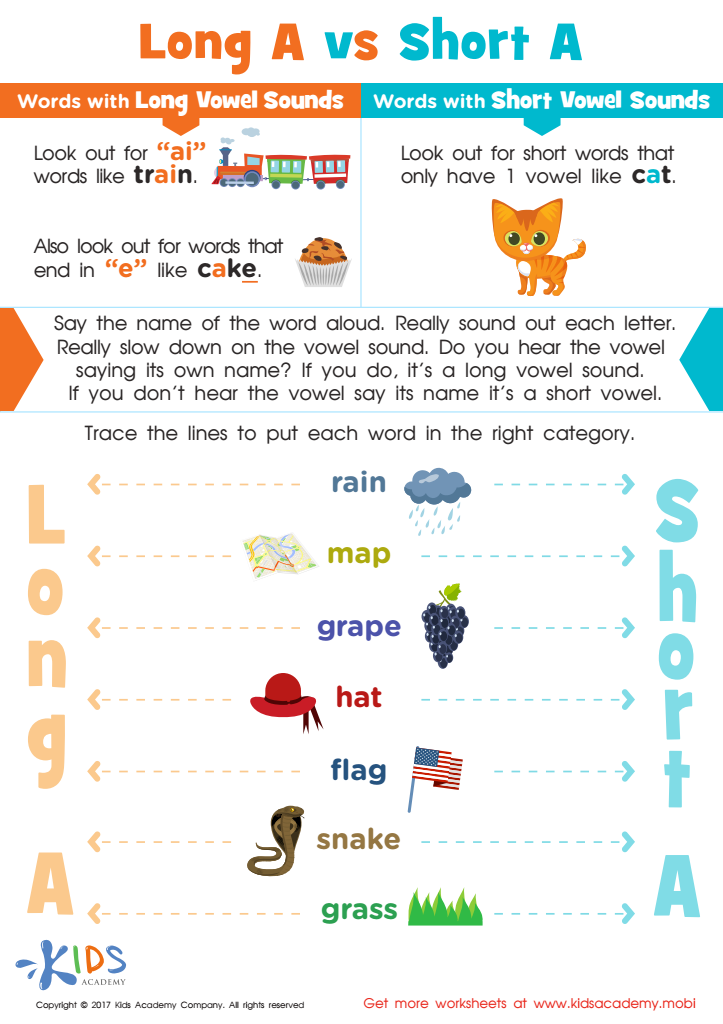
Long and Short Vowel A Spelling Worksheet
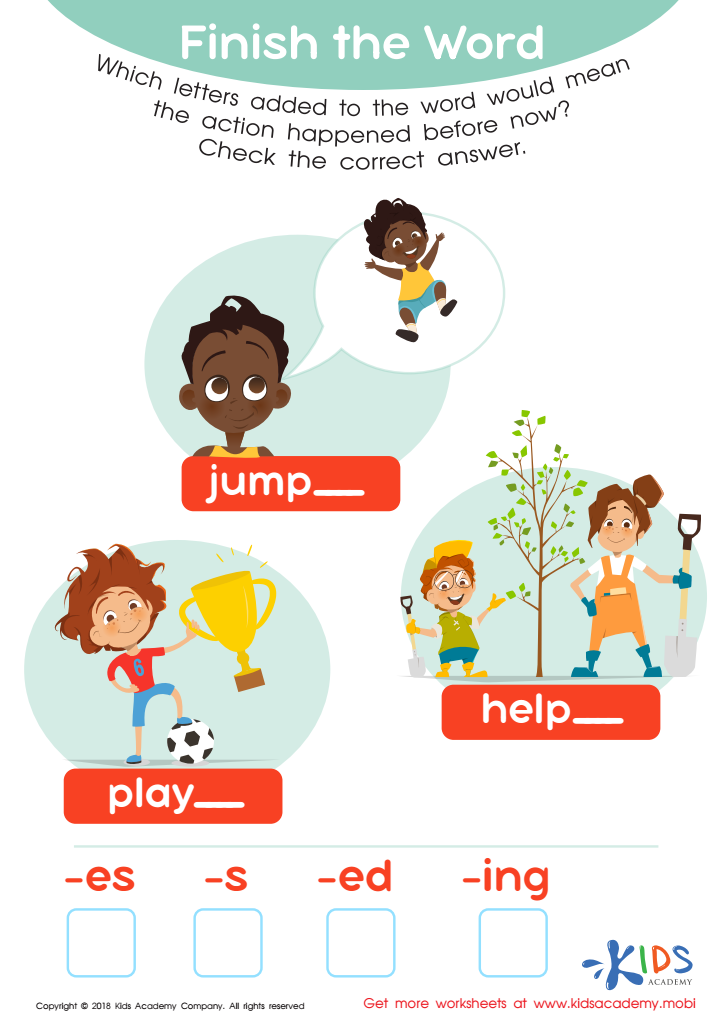
Finish the Word Worksheet


.jpg)
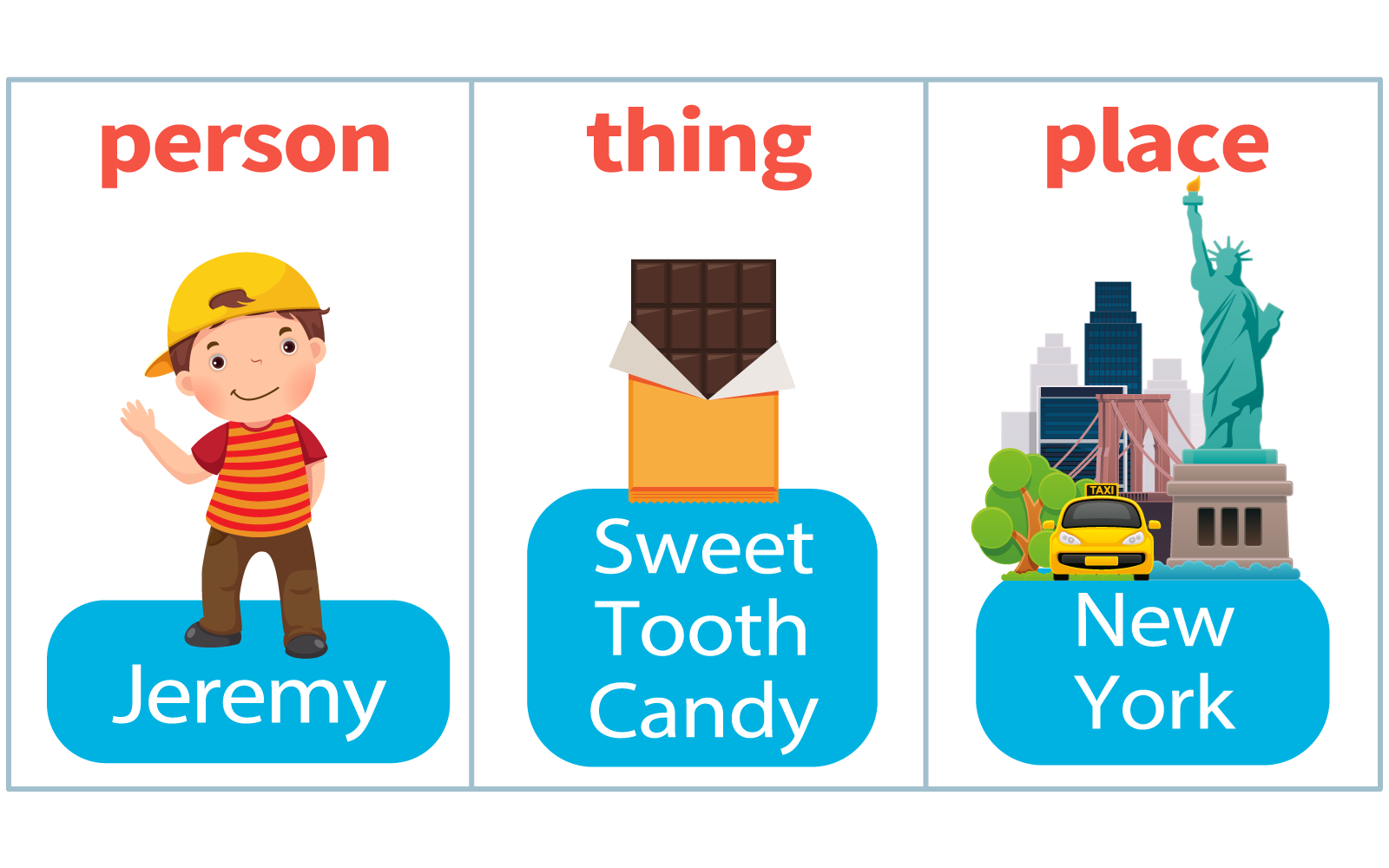
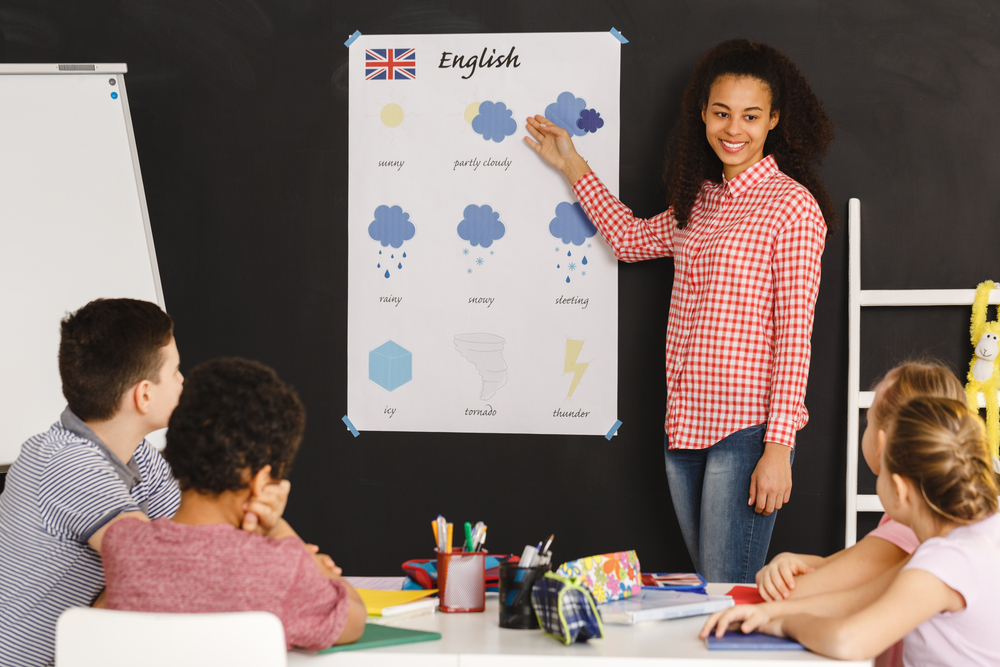

Spelling and grammar skills form the cornerstone of effective communication, even in early childhood. For children aged 3-8, mastering these skills provides critical cognitive benefits. At this developmental stage, brains are highly receptive to new information, and grasp of spelling and grammar enhances vocabulary acquisition, reading comprehension, and expressive capabilities. When children can spell correctly, they read more fluidly and understand texts better, which propels academic success across all subjects.
In addition, grammar fosters logical thinking. Understanding sentence structure helps children make sense of how language works, building patterns for problem-solving in mathematics and science. Early competence in these areas instills confidence, encouraging kids to participate more, ask questions, and express ideas creatively.
For parents and teachers, focusing on spelling and grammar skills from a young age sets the foundation for lifelong learning. It reduces learning challenges later and creates smoother educational pathways. Moreover, children develop stronger social skills; clear communication allows for better interactions with peers and adults, leading to more meaningful relationships.
Ultimately, prioritizing these skills during early education doesn't just enhance academic performance but cultivates capable, confident, and expressive individuals well-equipped for future challenges. The impacts extend far beyond the classroom, contributing positively to all aspects of a child’s life.