Alphabet Recognition ABC Letters Worksheets for Ages 3-9 - Page 2
31 filtered results
-
From - To
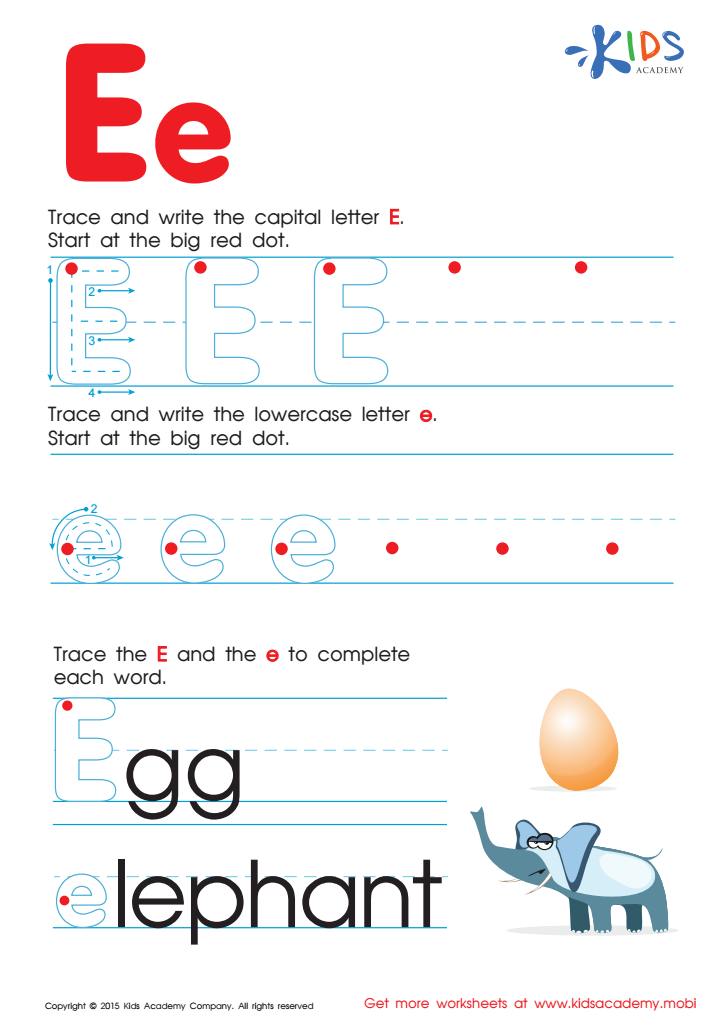
Letter E Tracing Page





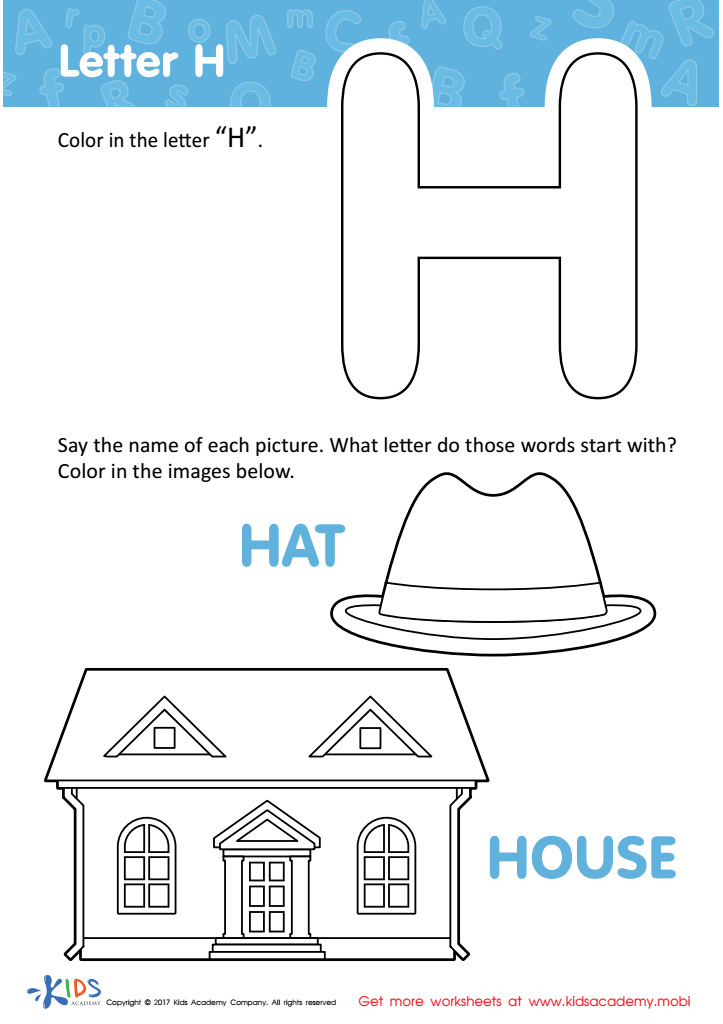
Letter H Coloring Sheet
 Assign to My Students
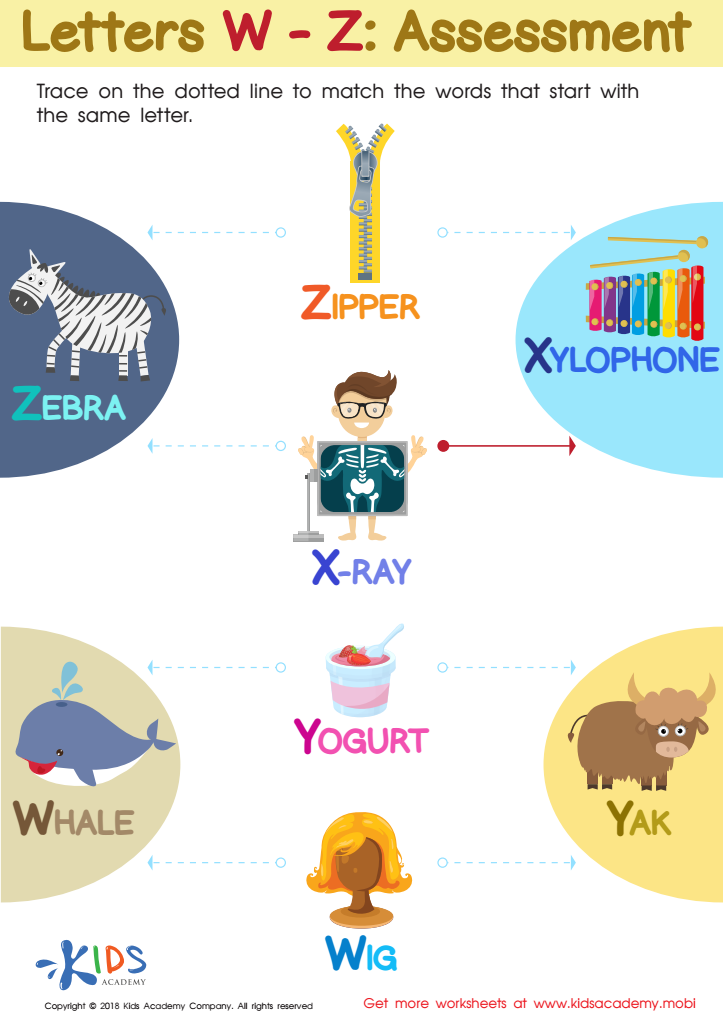
Letters W–Z Tracing Worksheet
Letter Y Coloring Sheet
Assign to My Students
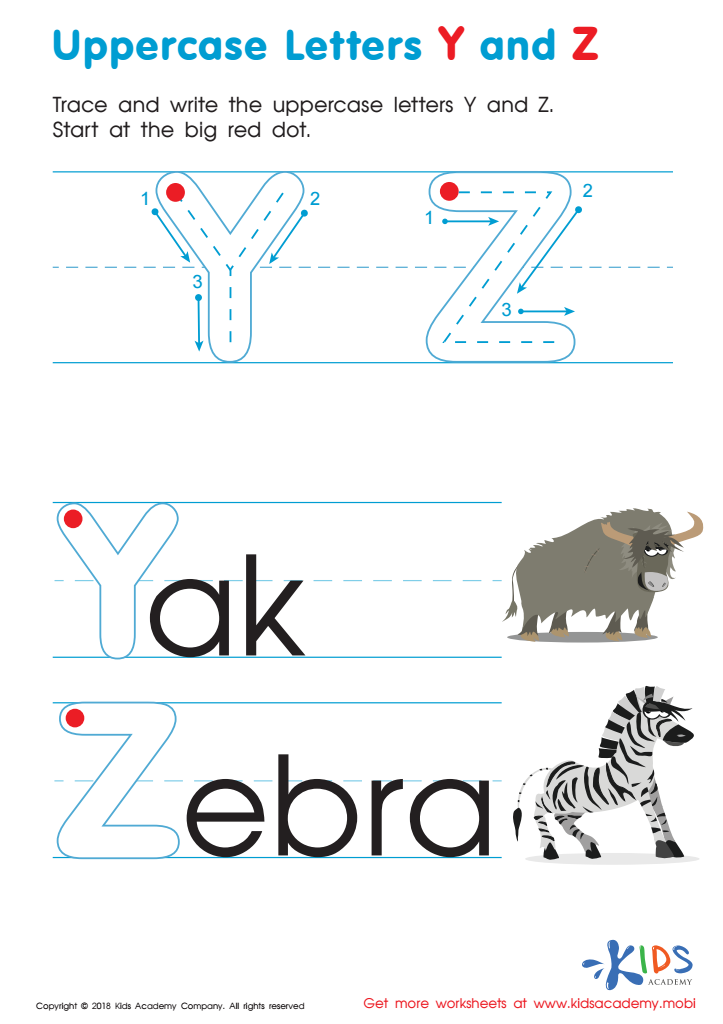
Uppercase Letters Y Z Worksheet
Letter F Coloring Sheet
Assign to My Students
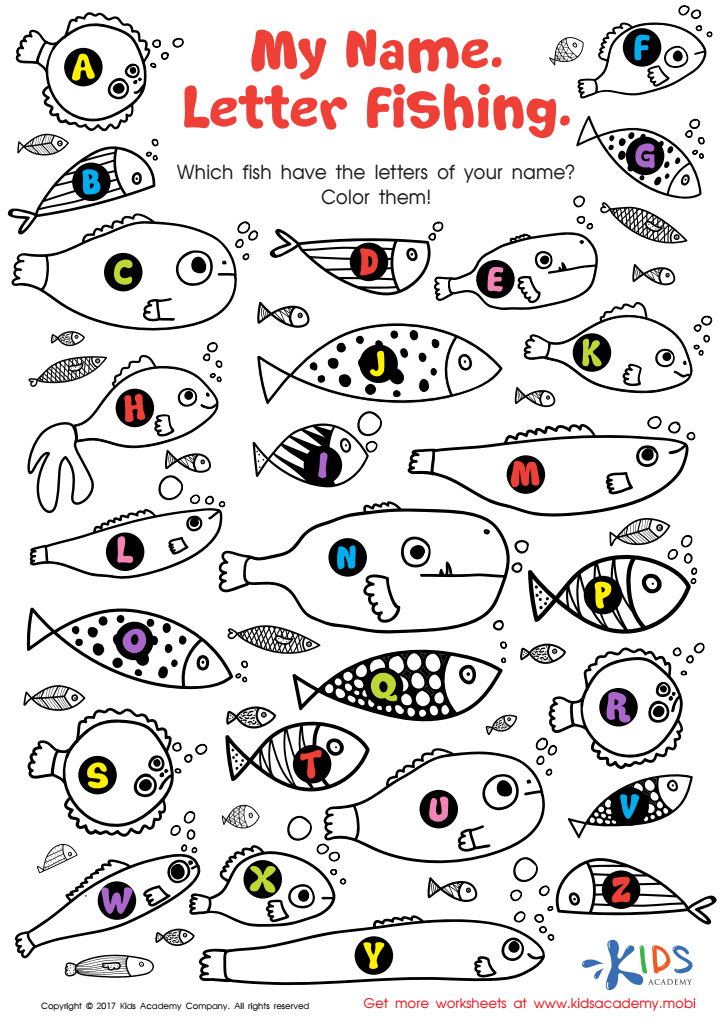
My Name: Letter Fishing Worksheet
Assign to My Students







Alphabet recognition is a foundational skill that is critical for young children aged 3-9 as it serves as the building block for later literacy development. When parents and teachers focus on teaching children to recognize ABC letters, they are facilitating essential cognitive skills, including the ability to differentiate between letters by shape and sound. This early recognition promotes language development, allowing children to begin understanding phonetics and phonemic awareness.
For children aged 3-9, who are in a crucial period of brain development, being able to recognize letters correlates strongly with their ability to decode words and ultimately read fluently. Early alphabet knowledge has been shown to predict later reading achievement and academic success. Furthermore, skills gained through alphabet recognition activities, such as visual discrimination, memory, and fine motor skills, impact overall cognitive growth.
Moreover, engaging in alphabet games and activities can be a fun, interactive, and engaging way to foster a positive attitude towards learning. This early attentiveness to literacy can cultivate a child's curiosity and love for reading, enhancing both their educational journey and lifelong learning habits. Active involvement from parents and teachers in nurturing alphabet recognition stands to boost children's confidence and readiness for more complex reading and writing tasks as they progress through their education.







