Alphabet Recognition Letter Recognition Worksheets for Ages 3-9 - Page 2
45 filtered results
-
From - To
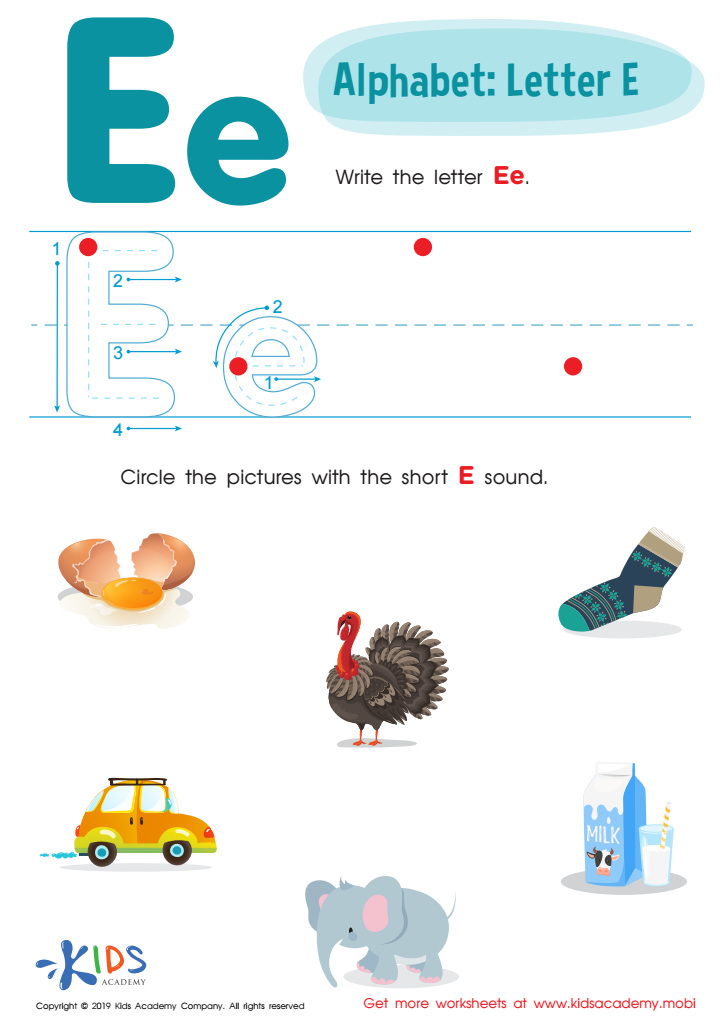
Letter E Tracing Worksheet
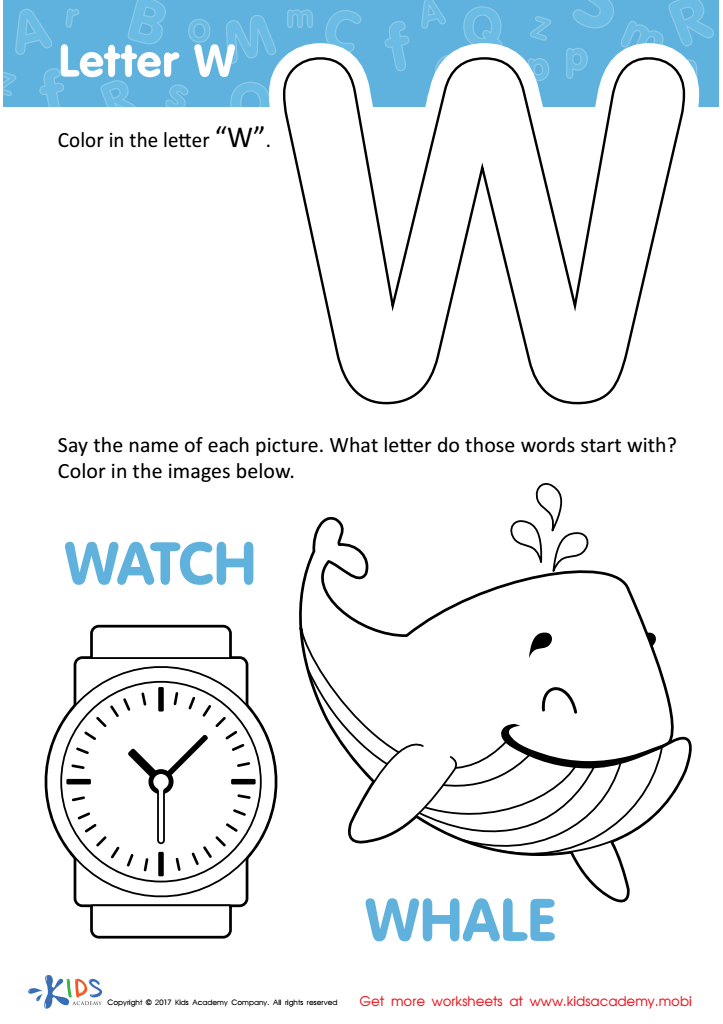
Letter W Coloring Sheet
 Assign to My Students
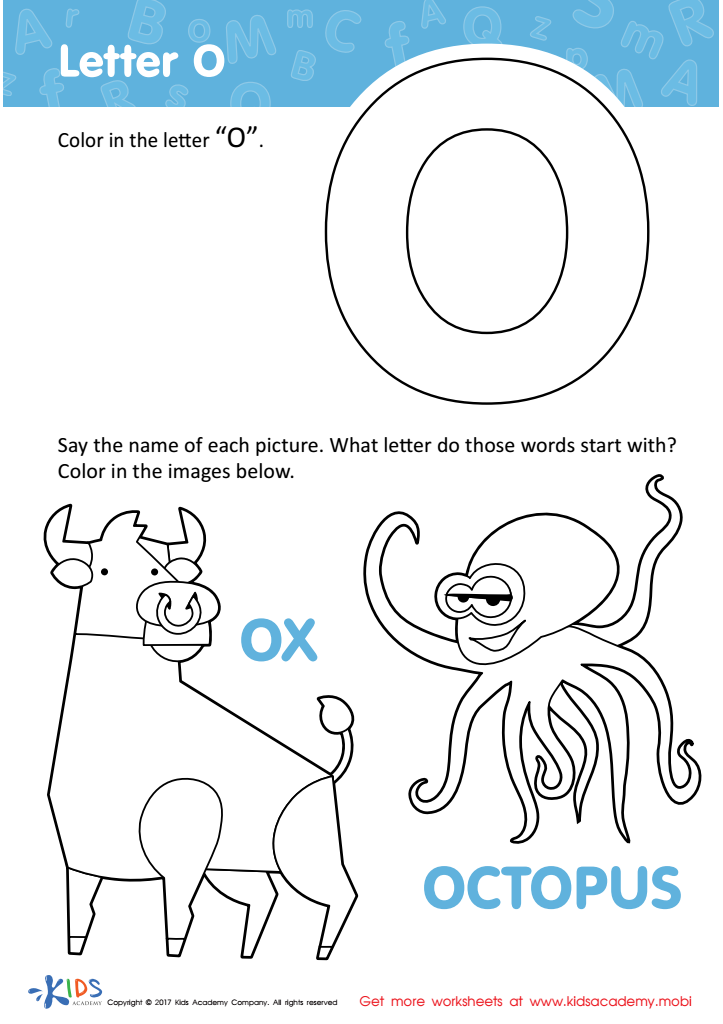
Letter O Coloring Sheet
Assign to My Students
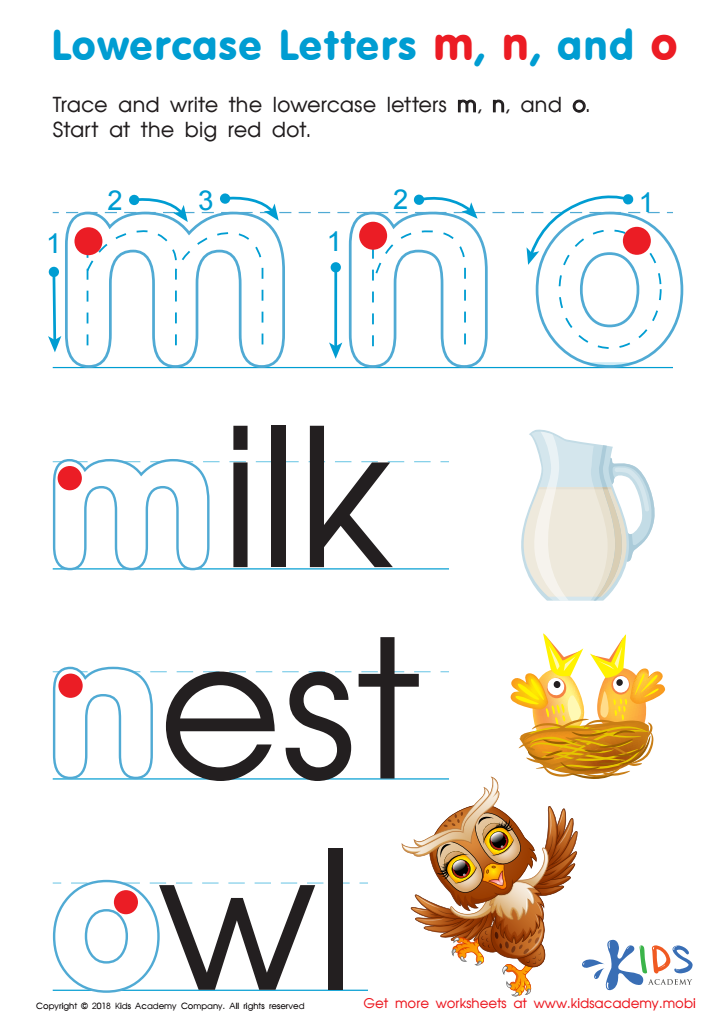
Lowercase Letters m n o Worksheet
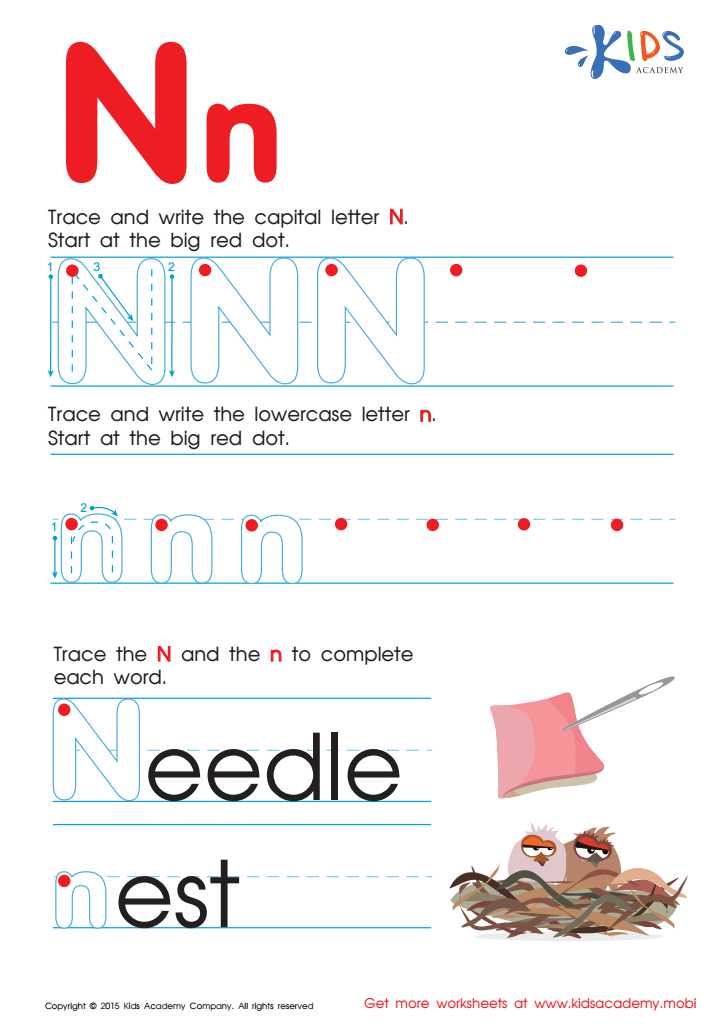
Letter N Tracing Page
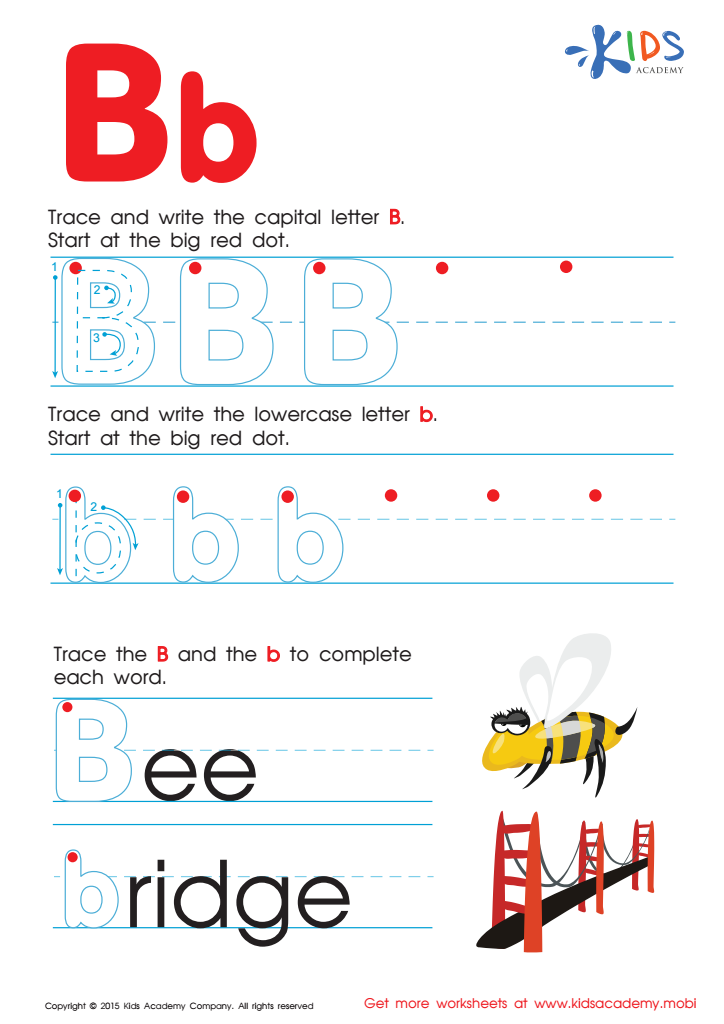
Letter B Tracing Page
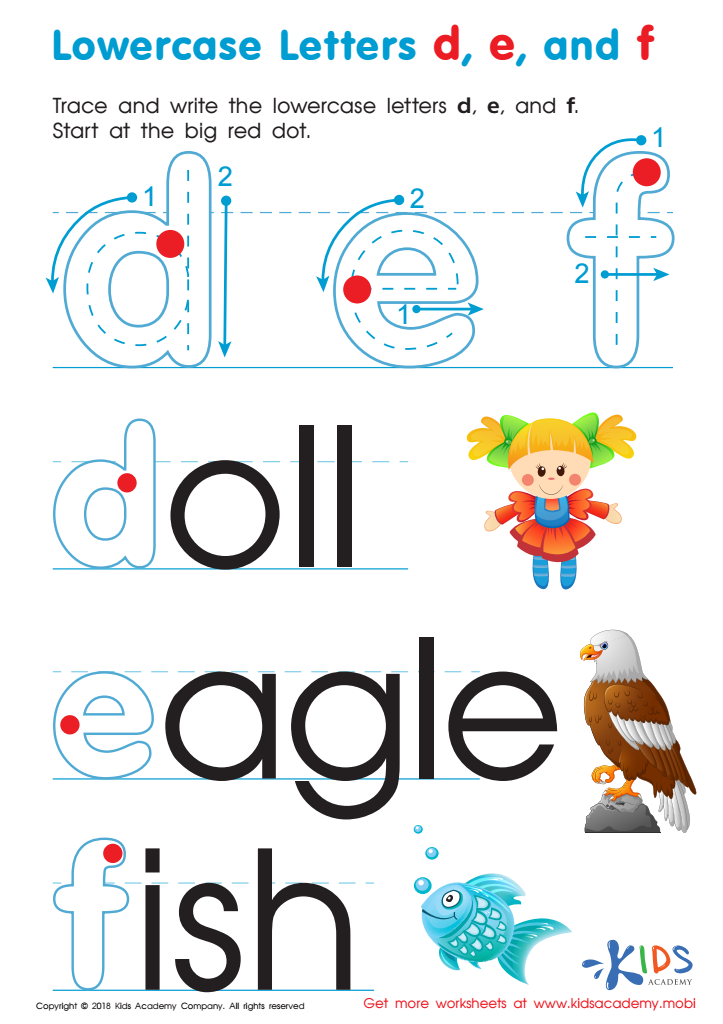
Lowercase Letters d e f Worksheet
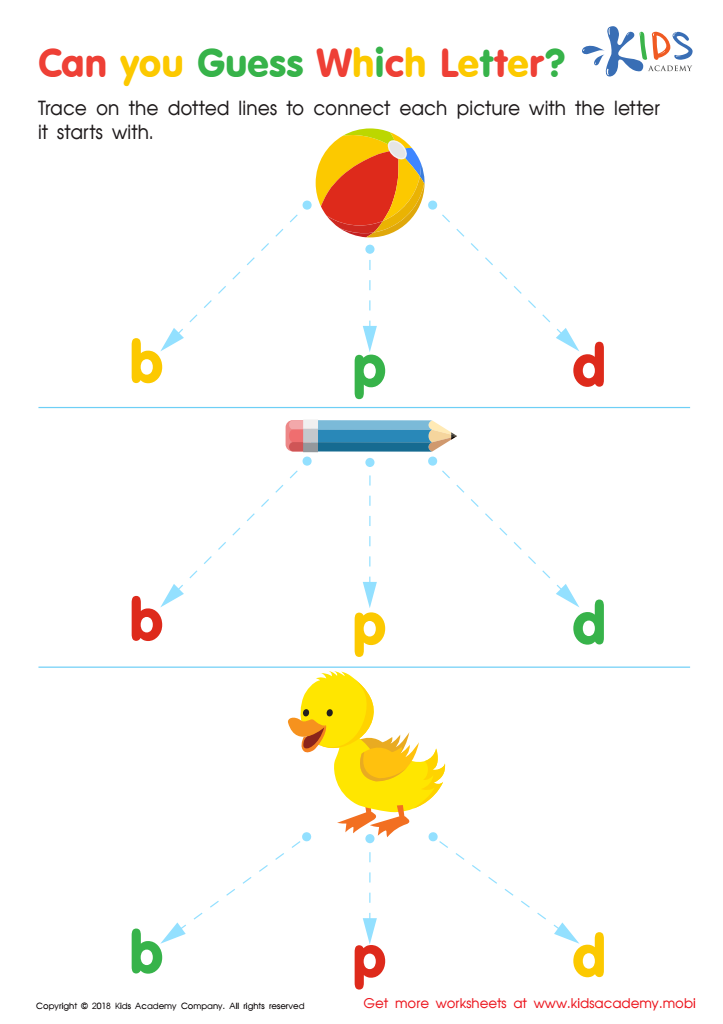
Can you Guess Which Letter? Worksheet
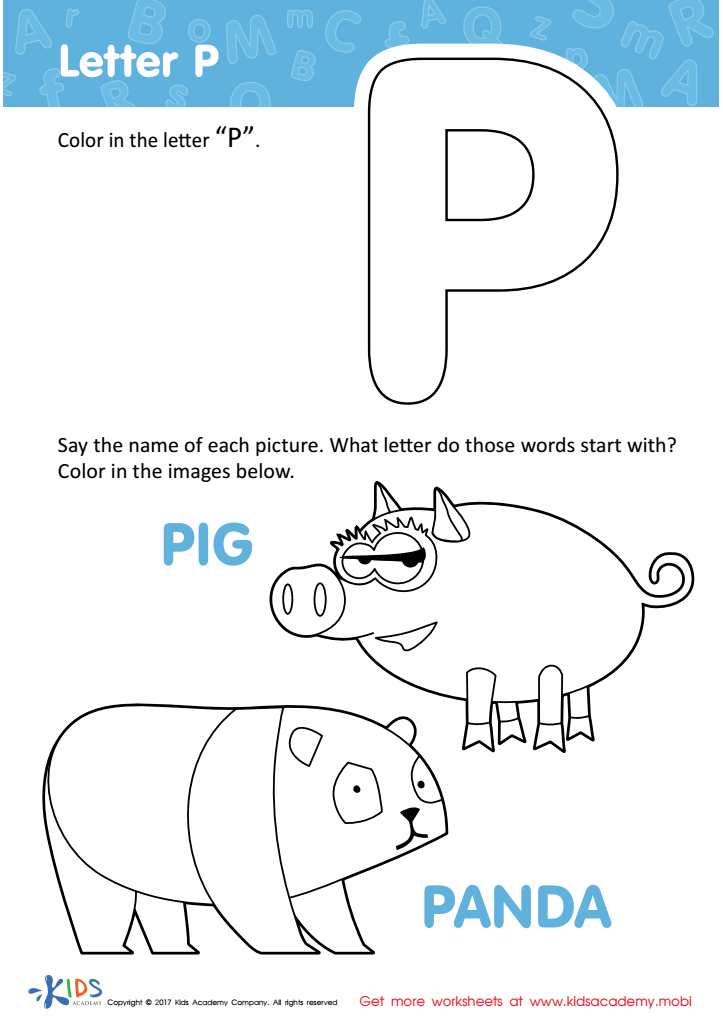
Letter P Coloring Sheet
Assign to My Students
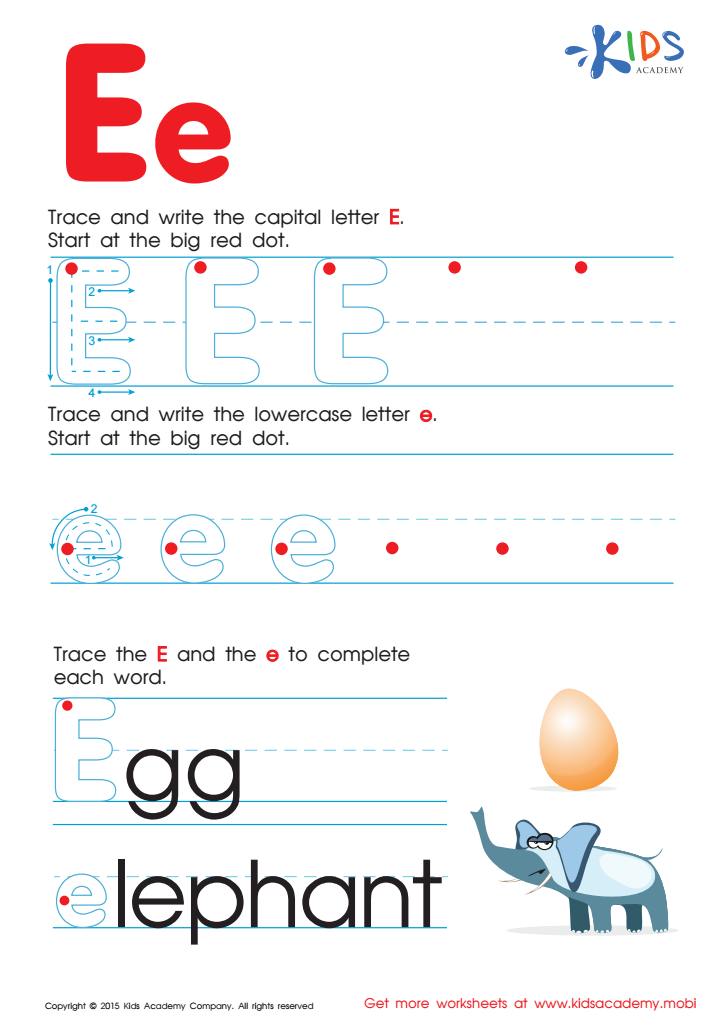
Letter E Tracing Page
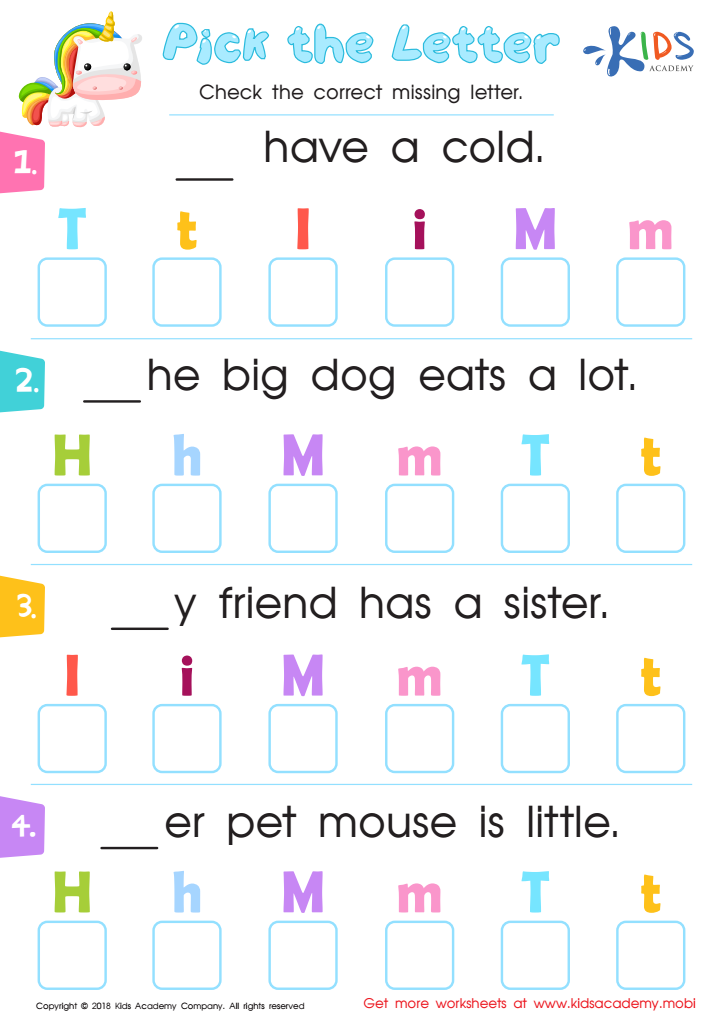
Pick the Letter Worksheet
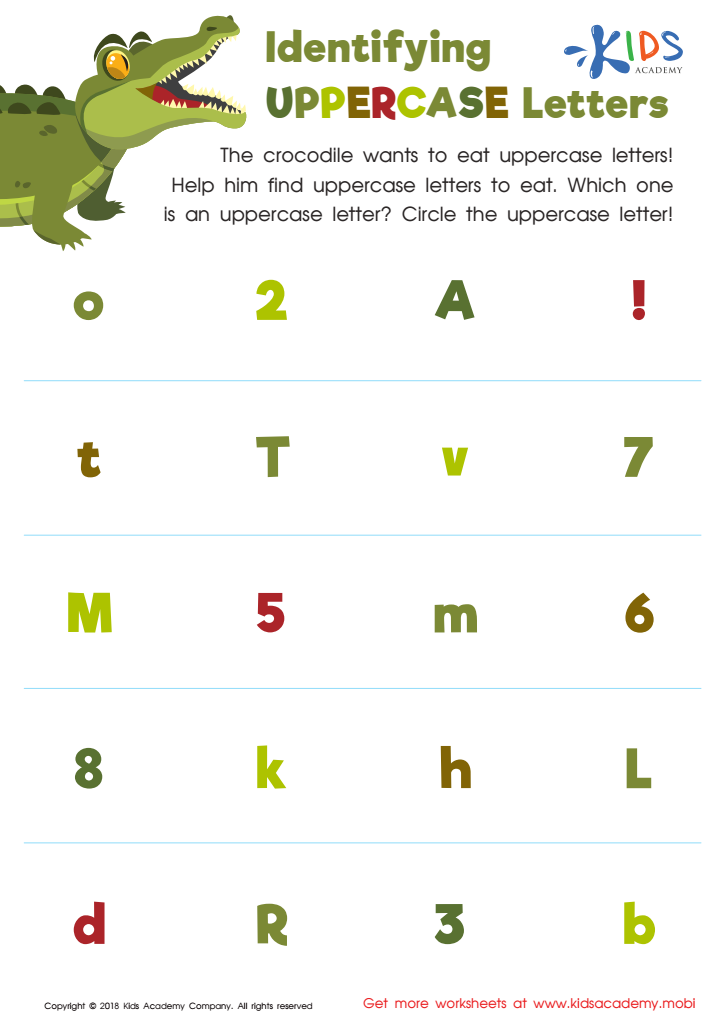
Identifying Uppercase Letters Worksheet
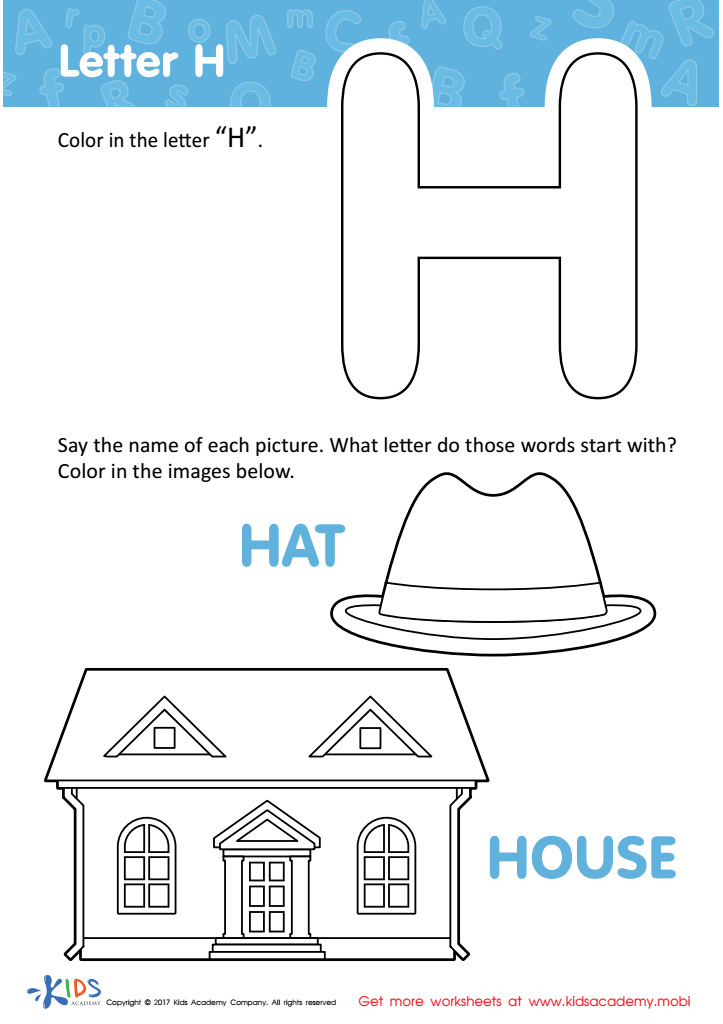
Letter H Coloring Sheet
Assign to My Students
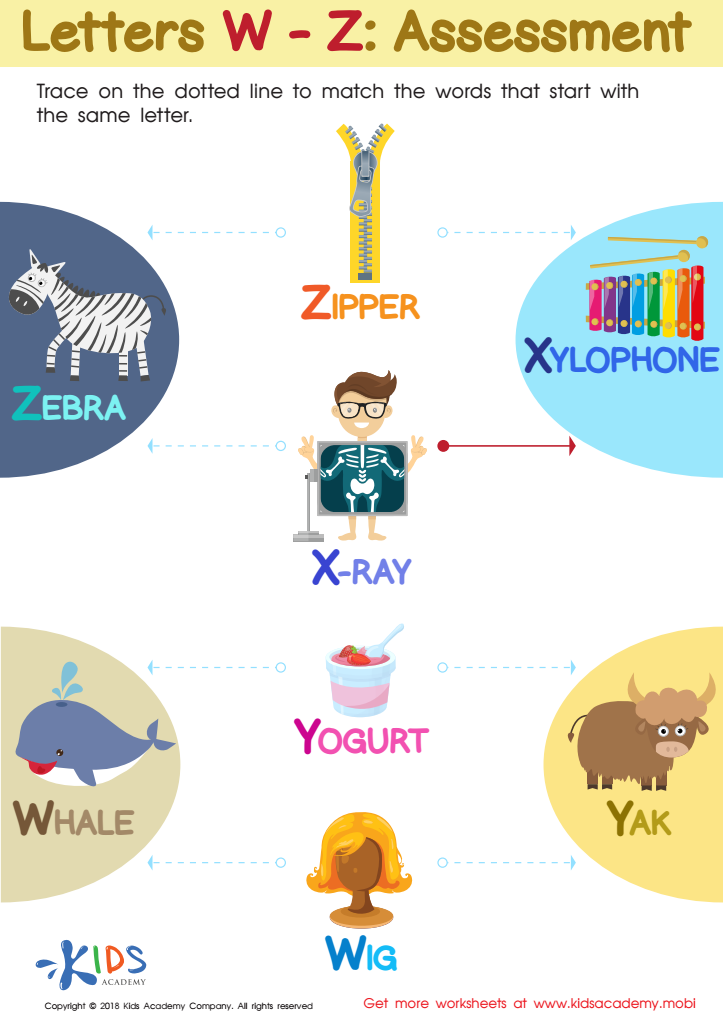
Letters W–Z Tracing Worksheet
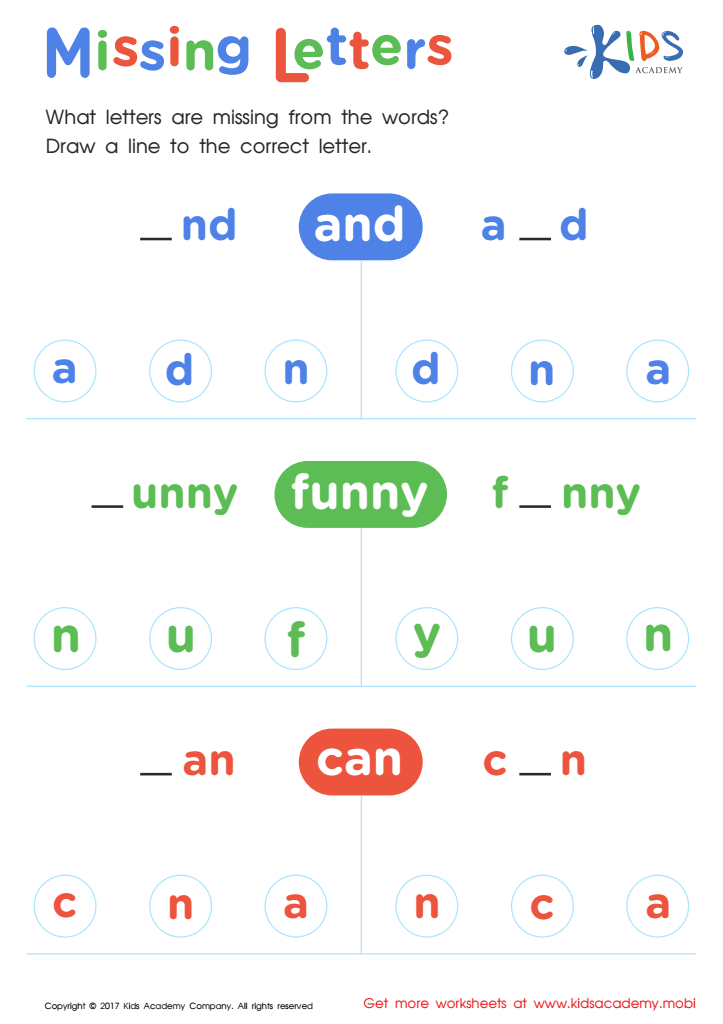
Missing Letters Worksheet
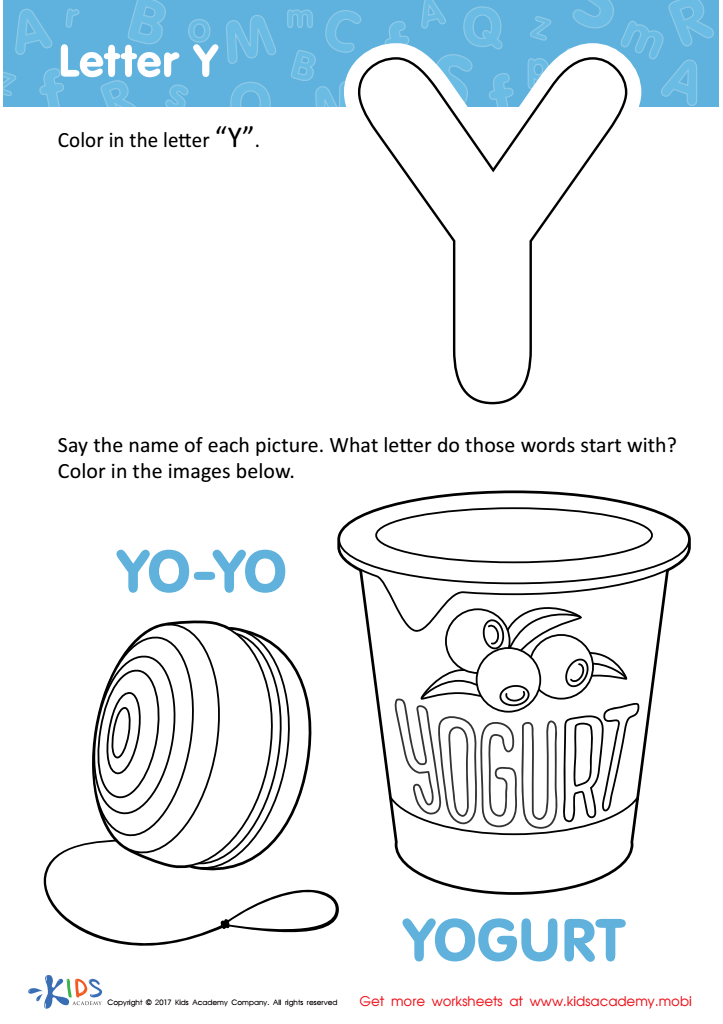
Letter Y Coloring Sheet
Assign to My Students
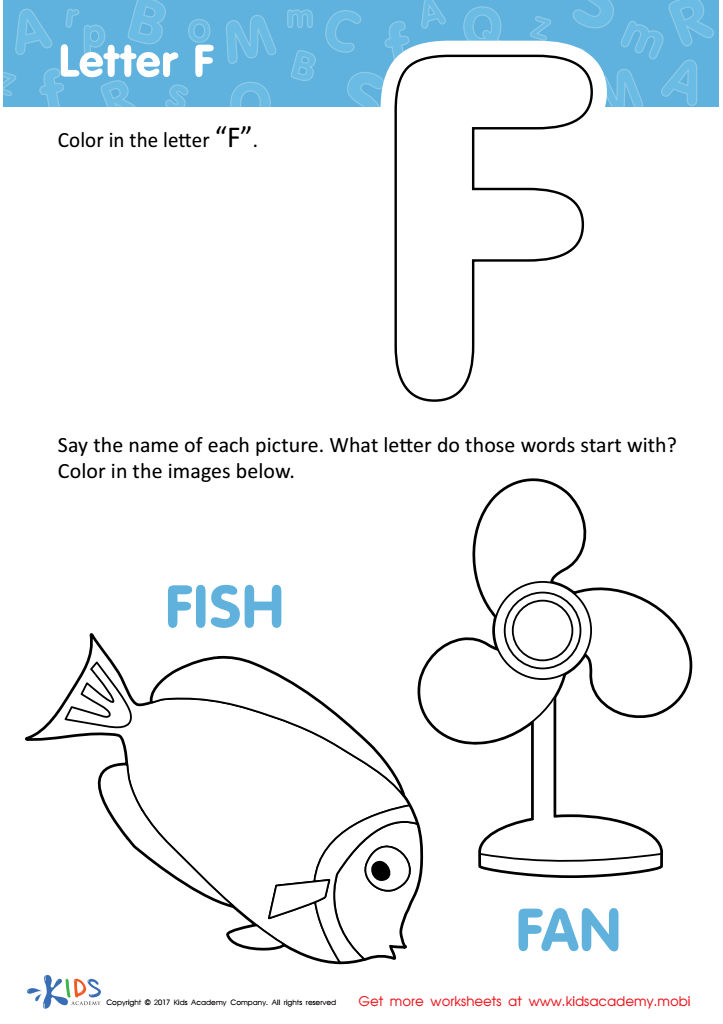
Letter F Coloring Sheet
Assign to My Students
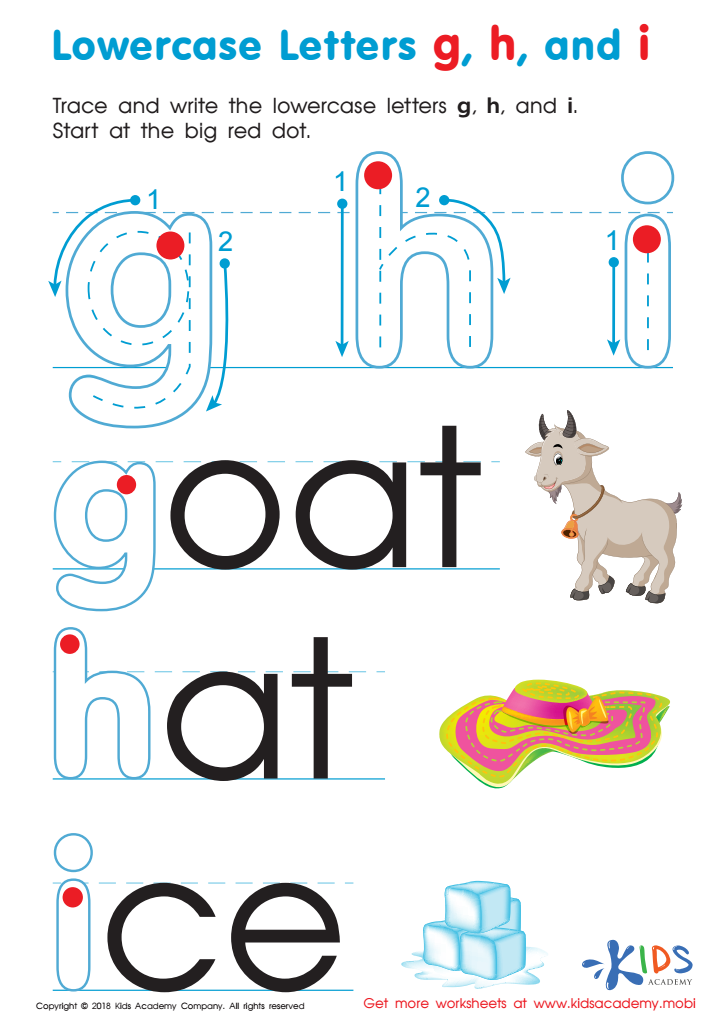
Lowercase Letters g h i Worksheet
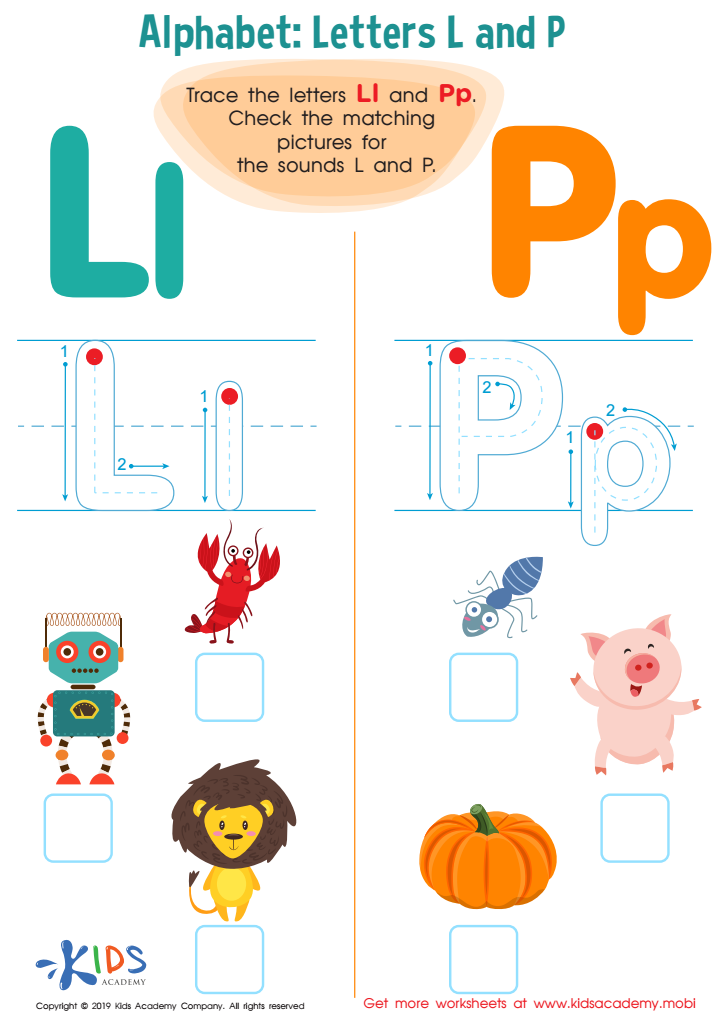
Letter L and P Tracing Worksheet
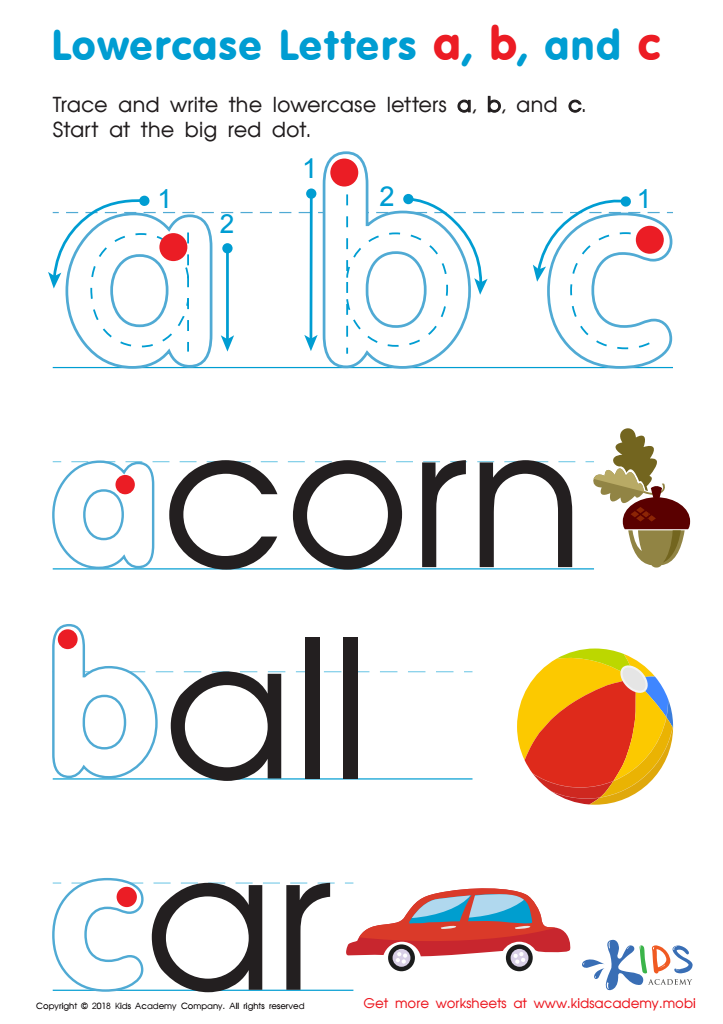
Lowercase Letters a b c Worksheet
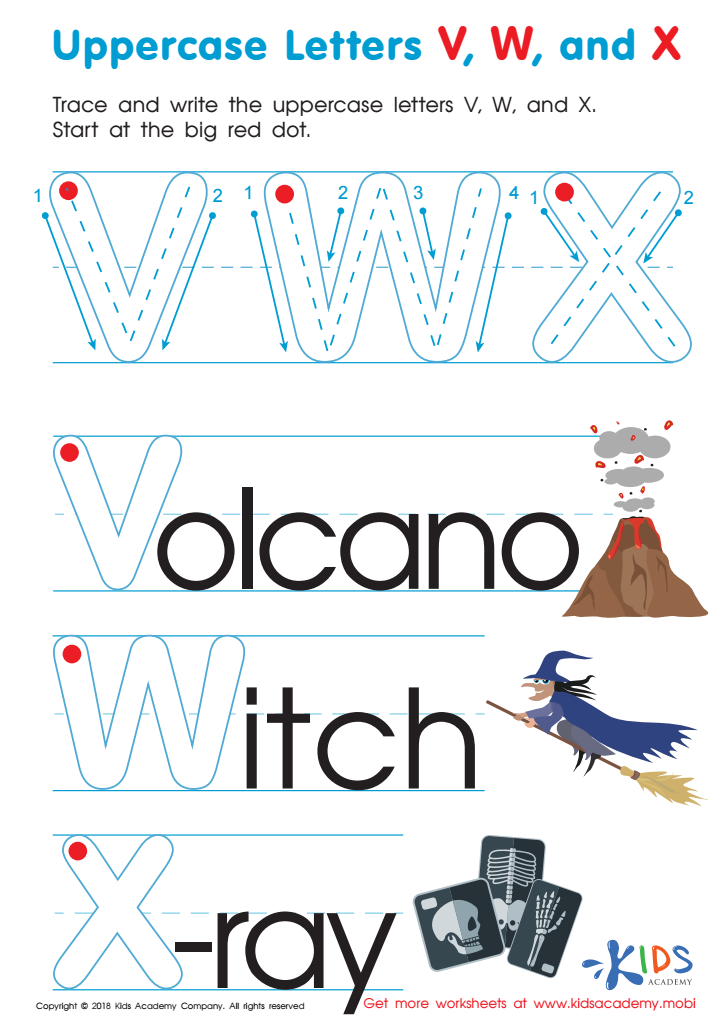
Uppercase Letters V, W, and X Worksheet








Alphabet recognition and letter recognition are foundational skills essential for the literacy development of children aged 3-9. These initial steps lay the groundwork for reading and writing proficiency, which in turn influences academic success and lifelong learning.
Firstly, recognizing letters helps children understand that written symbols represent sounds and words, aiding in phonemic awareness. When children can identify letters and their corresponding sounds, they can start decoding simple words, making the first strides towards reading. This skill is crucial for developing vocabulary, comprehension, and the ability to follow written instructions.
Moreover, early mastery of alphabet and letter recognition fosters confidence and enthusiasm for learning. Engaging, hands-on activities that help children grasp these concepts can transform education into an exciting and empowering experience. This can lead to a positive feedback loop where children are motivated to learn more.
Parents and teachers play a pivotal role in this developmental stage. They can create enriching environments, using tools such as flashcards, books, games, and interactive apps designed to make learning letters fun and accessible. Early intervention and consistent practice can significantly impact a child's academic journey, promoting effective communication skills and ensuring future learning is built on a solid, well-established foundation.
Ultimately, caring about alphabet and letter recognition is caring about a child's cognitive, academic, and personal growth.







