Alphabetical order understanding Letter Recognition Worksheets for Ages 3-9
4 filtered results
-
From - To
Unlock the world of letters with our Alphabetical Order Understanding Letter Recognition Worksheets, designed for children aged 3-9. These engaging worksheets help young learners master essential skills, including letter recognition, alphabetical sequencing, and vocabulary development. Through fun and interactive activities, kids will explore the alphabet while enhancing their cognitive abilities. Our resources are crafted to spark curiosity and promote a love for learning, making it easier for children to navigate the foundations of reading and writing. Perfect for classroom use or home learning, these worksheets provide a solid foundation in literacy skills that will last a lifetime. Start your child’s learning journey today!
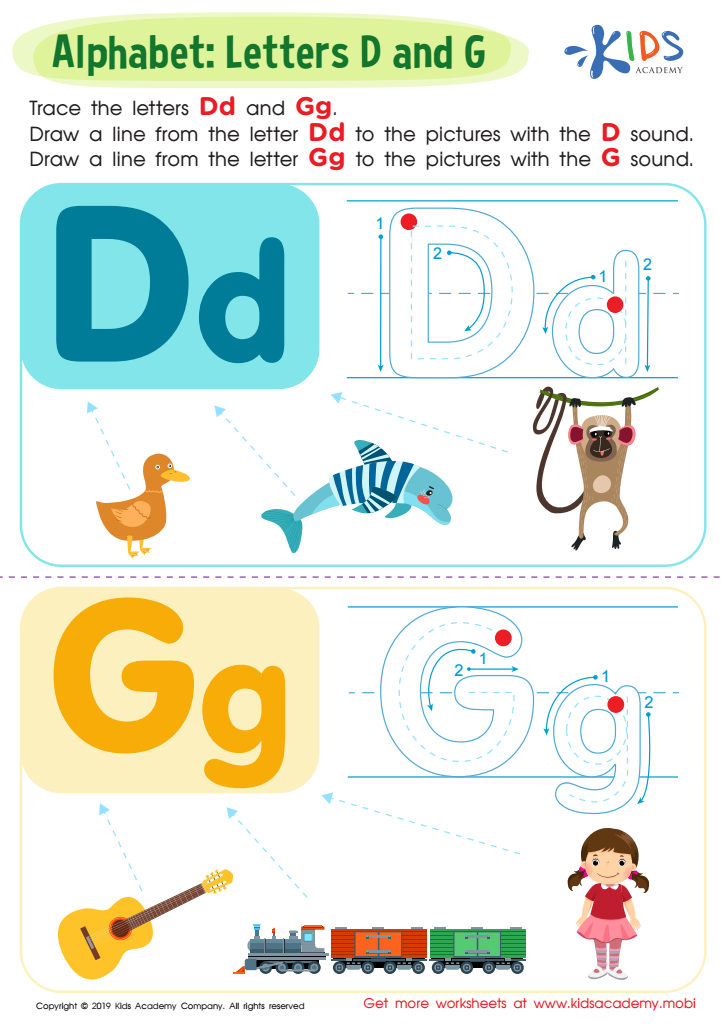
Letter D and G Tracing Worksheet
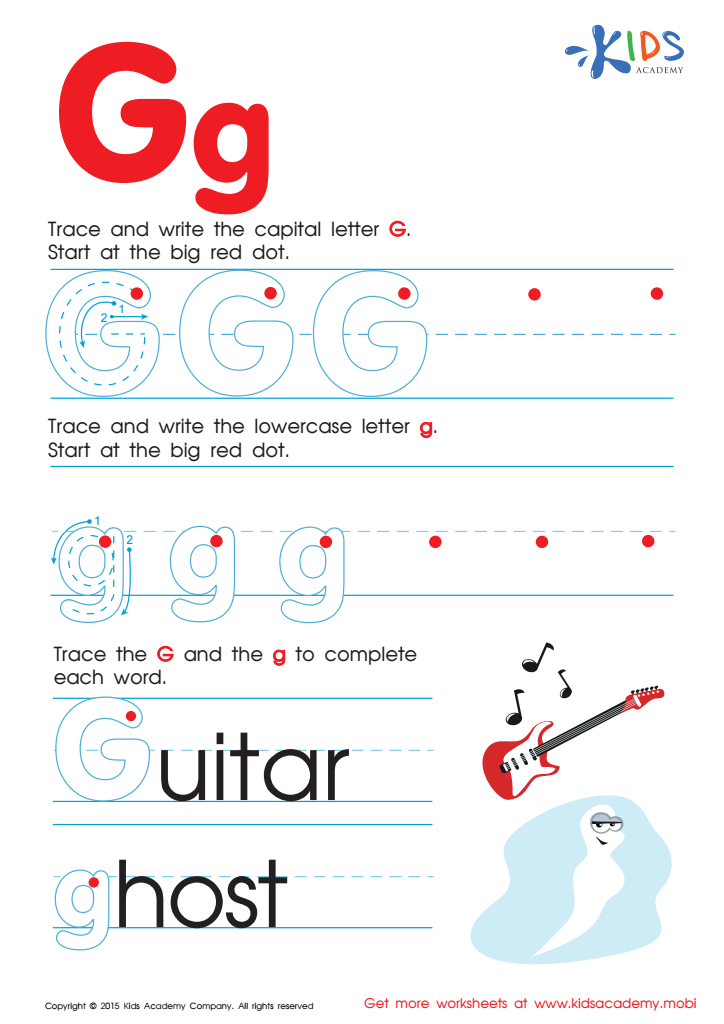
Letter G Tracing Page
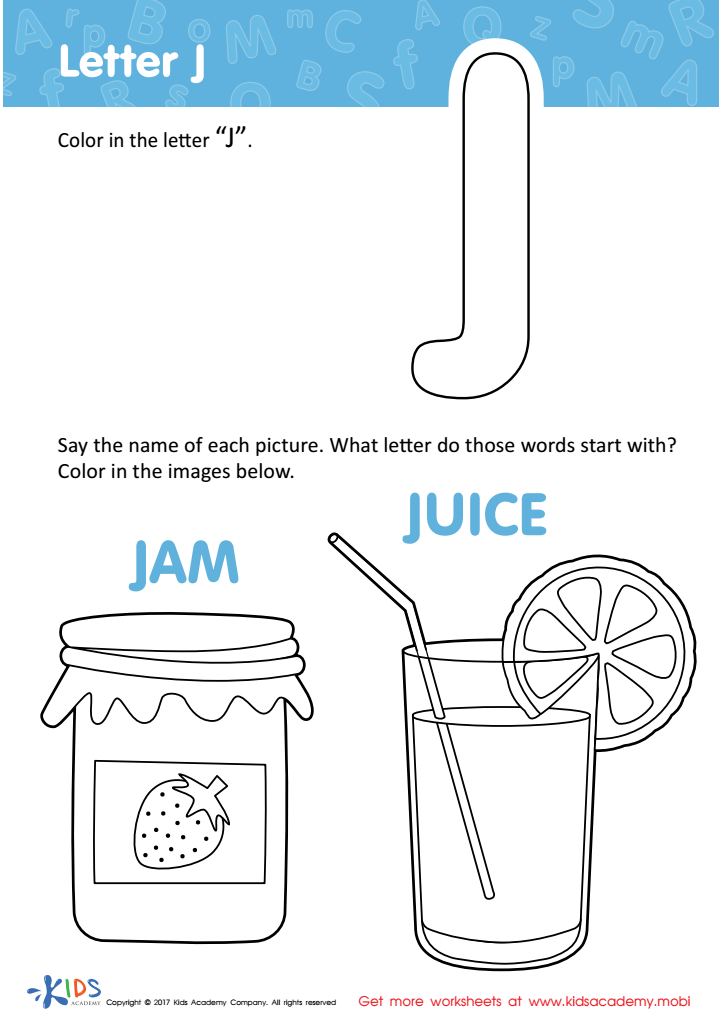
Letter J Coloring Sheet
 Assign to My Students
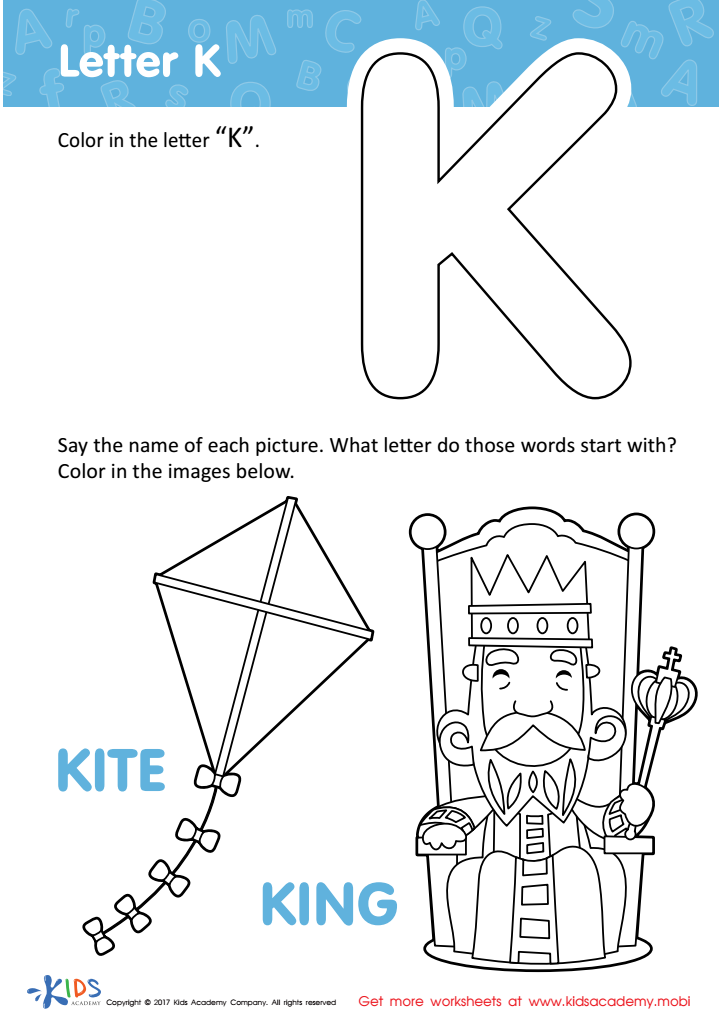
Letter K Coloring Sheet
Assign to My Students








Understanding alphabetical order and letter recognition is foundational for children aged 3-9, playing a crucial role in their literacy development. This knowledge is essential for several reasons.
Firstly, recognizing letters and understanding their sequences helps children develop reading skills. When children know the letters of the alphabet and can arrange them in order, they can more easily learn to read words, improve their phonetic awareness, and grasp spelling patterns.
Secondly, letter recognition supports vocabulary development. Children encounter new words in their reading, and a solid understanding of the alphabet enables them to decode unfamiliar terms, fostering greater comprehension and language skills.
Moreover, being able to arrange letters in alphabetical order is an important cognitive skill. It enhances memory and attention to detail, helping children make connections between letters and words. This organizational skill is beneficial not just in language arts, but across subjects, promoting critical thinking.
Lastly, teachers and parents can use activities that emphasize alphabetical order and letter recognition to create engaging learning experiences, laying a strong educational foundation that nurtures a lifelong love for reading and learning. Investing time in these areas prepares children for future academic success and enhances their overall communication skills.







