Fine Motor Skills Letter Recognition Worksheets for Ages 3-9
63 filtered results
-
From - To
Enhance your child's learning journey with our Fine Motor Skills Letter Recognition Worksheets, designed specifically for ages 3-9. These engaging worksheets not only aid in letter recognition but also promote fine motor development through fun activities like tracing, coloring, and cutting. Perfect for preschool and early grade education, each resource offers a well-rounded approach to learning the alphabet while refining hand-eye coordination and dexterity. With vibrant illustrations and interactive tasks, these worksheets make learning both effective and enjoyable. Equip your child with essential literacy skills while fostering their creativity and confidence. Explore our extensive collection today!

Letter A Tracing Page
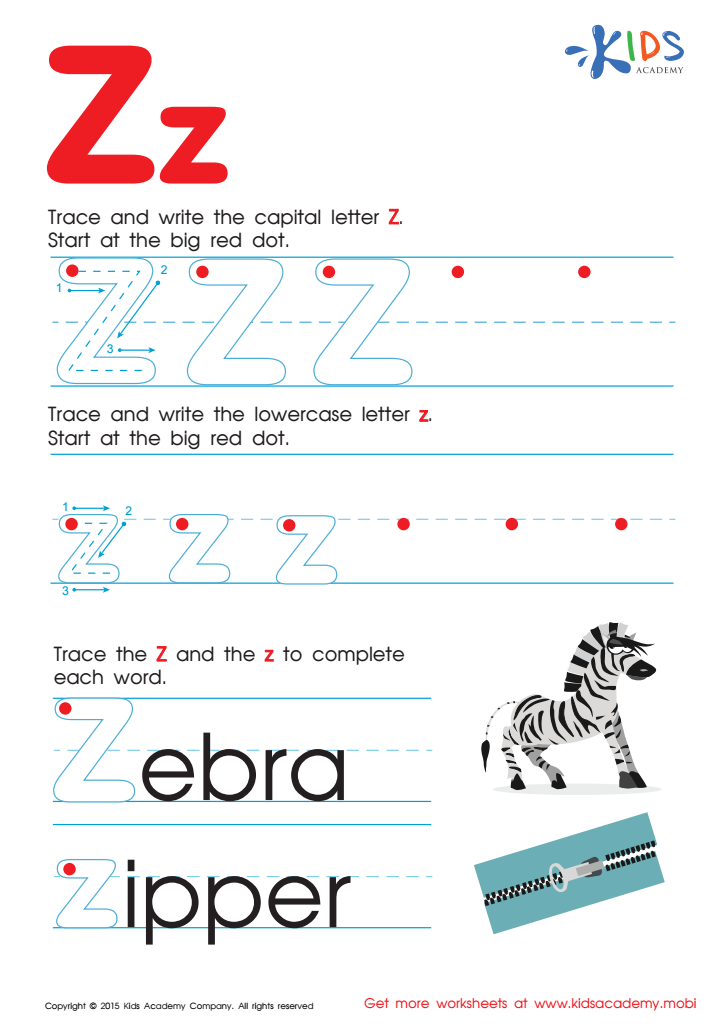
Letter Z Tracing Page
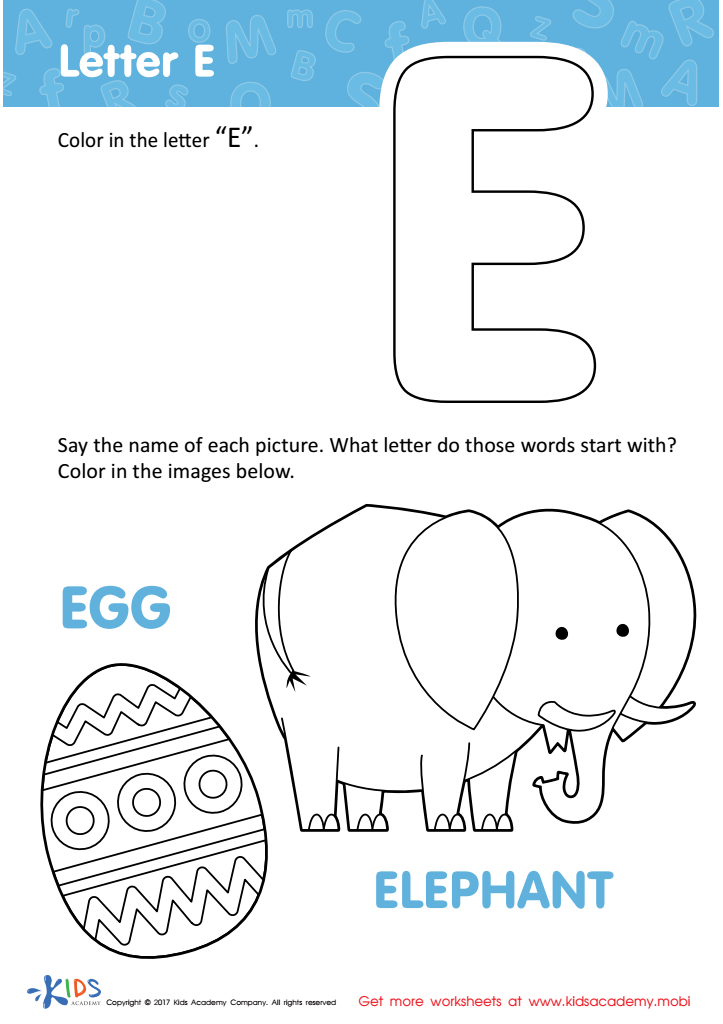
Letter E Coloring Sheet
 Assign to My Students
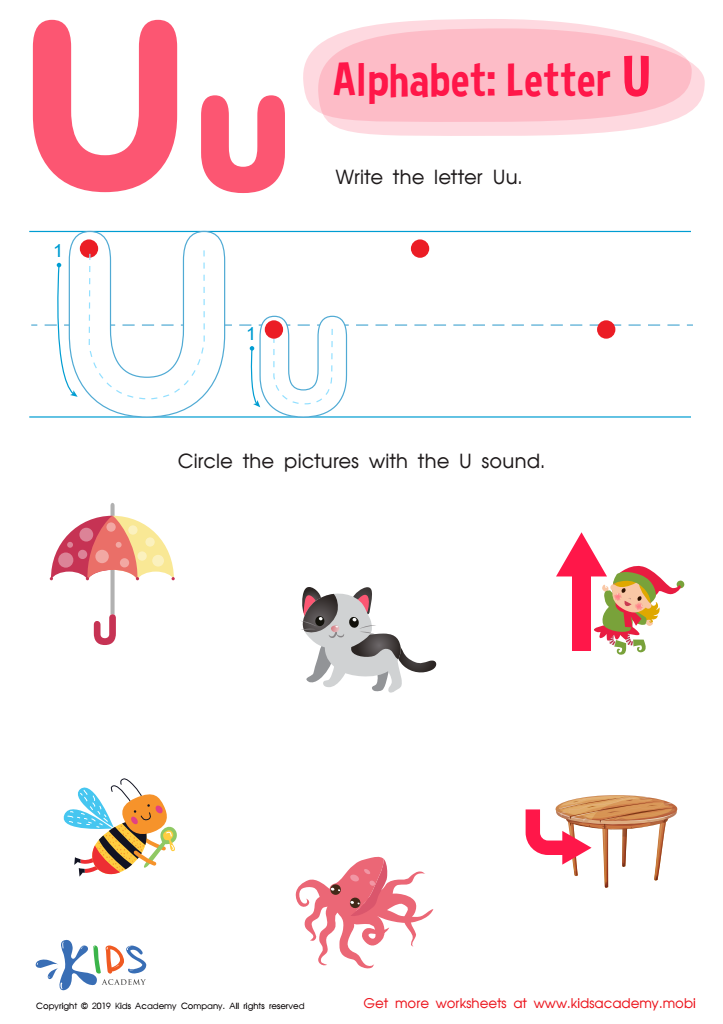
Letter U Tracing Worksheet
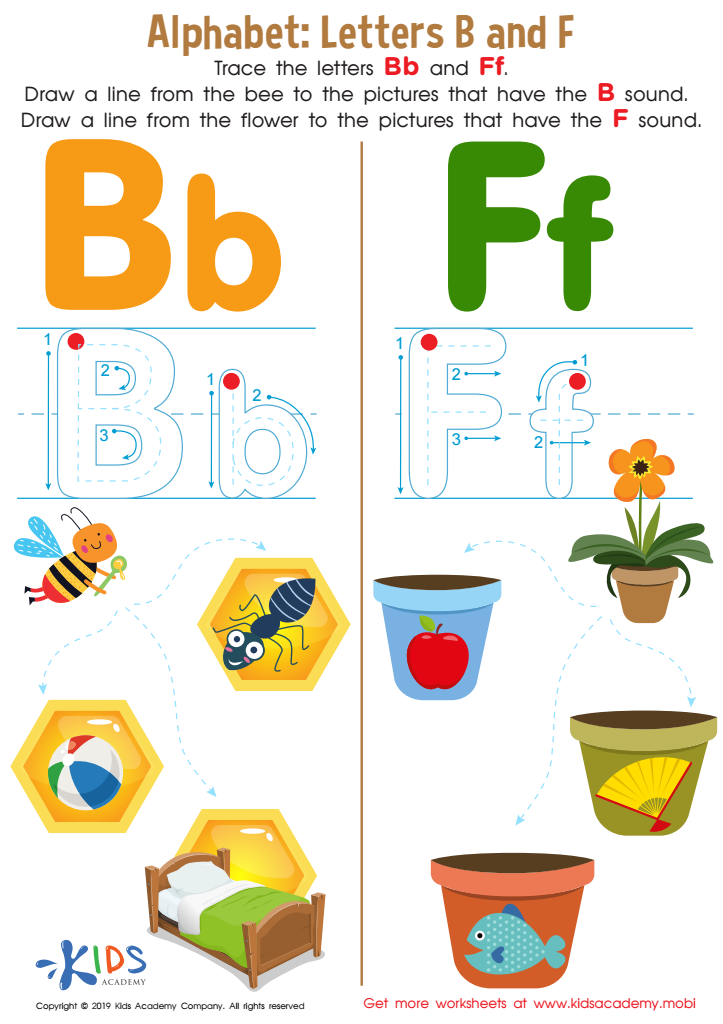
Letters B and F Tracing Worksheet
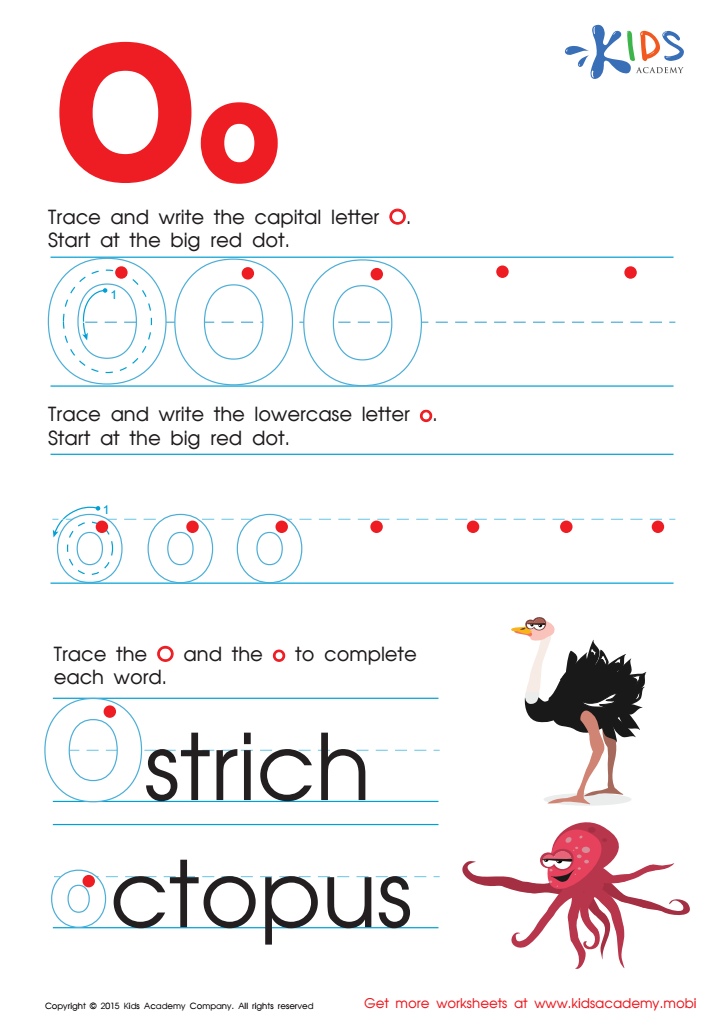
Letter O Tracing Page
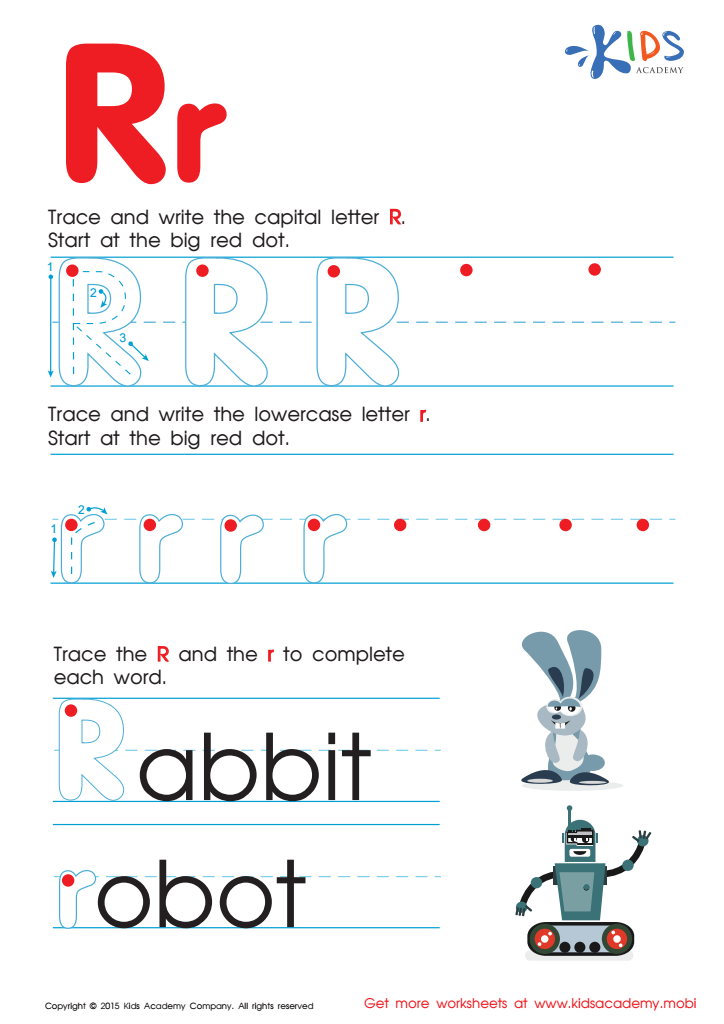
Letter R Tracing Page
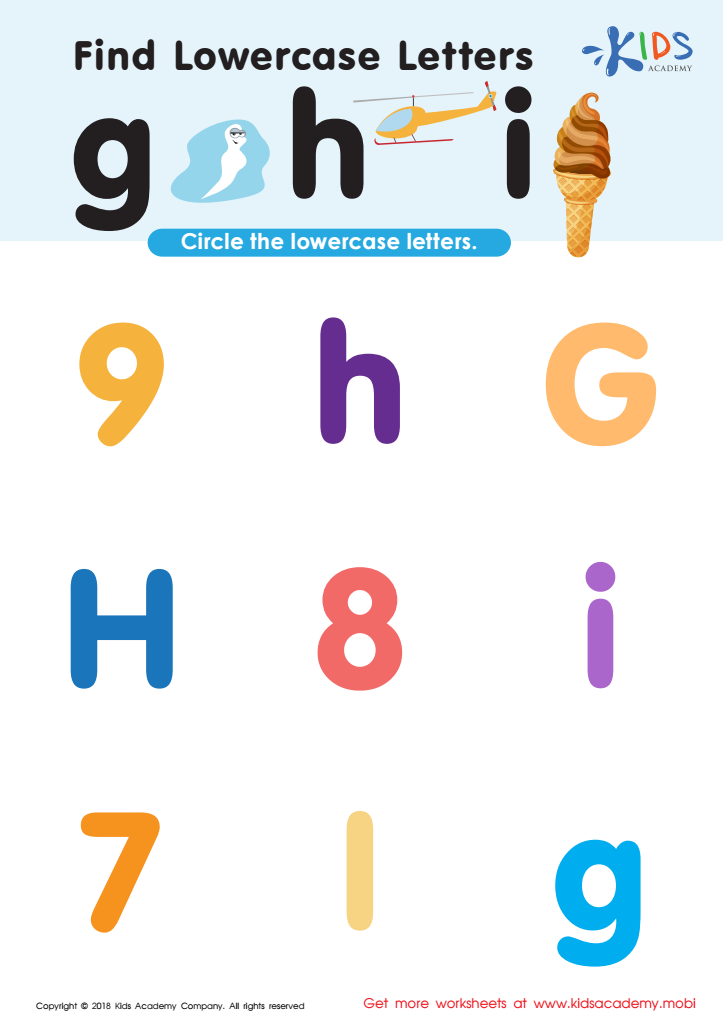
Find Lowercase Letters g h i Worksheet
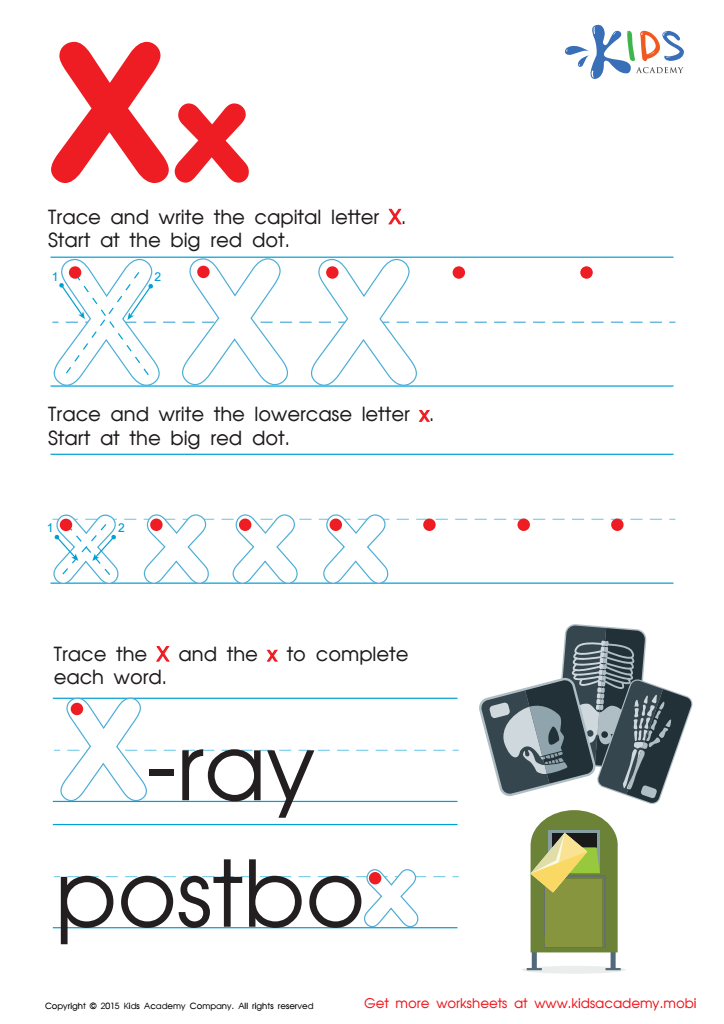
Letter X Tracing Page
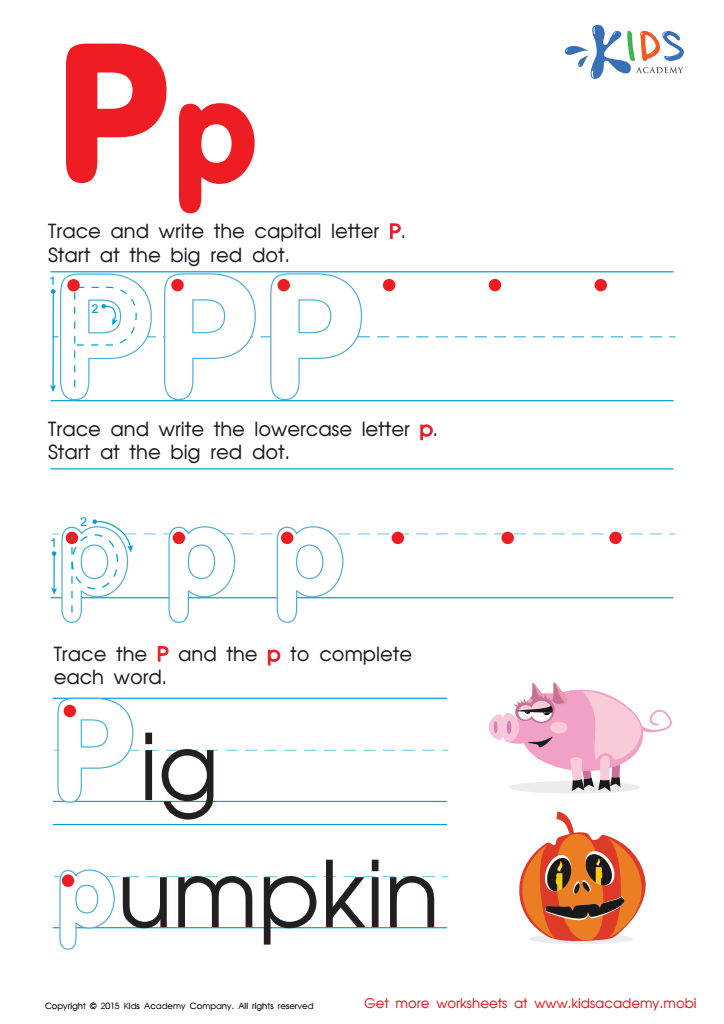
Letter P Tracing Page
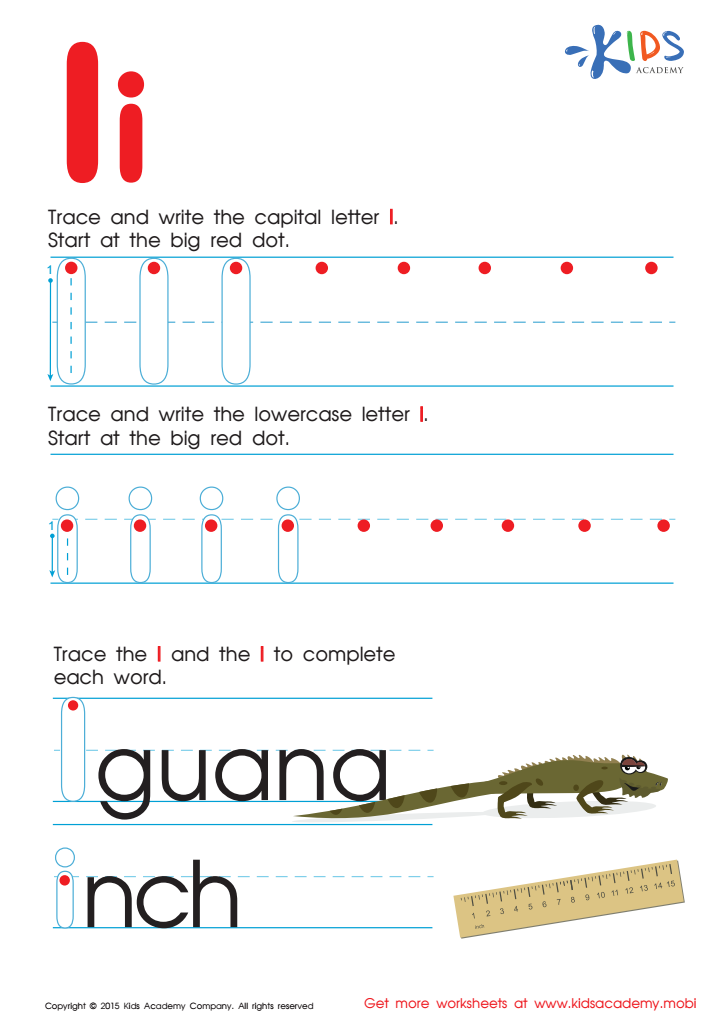
Letter I Tracing Page
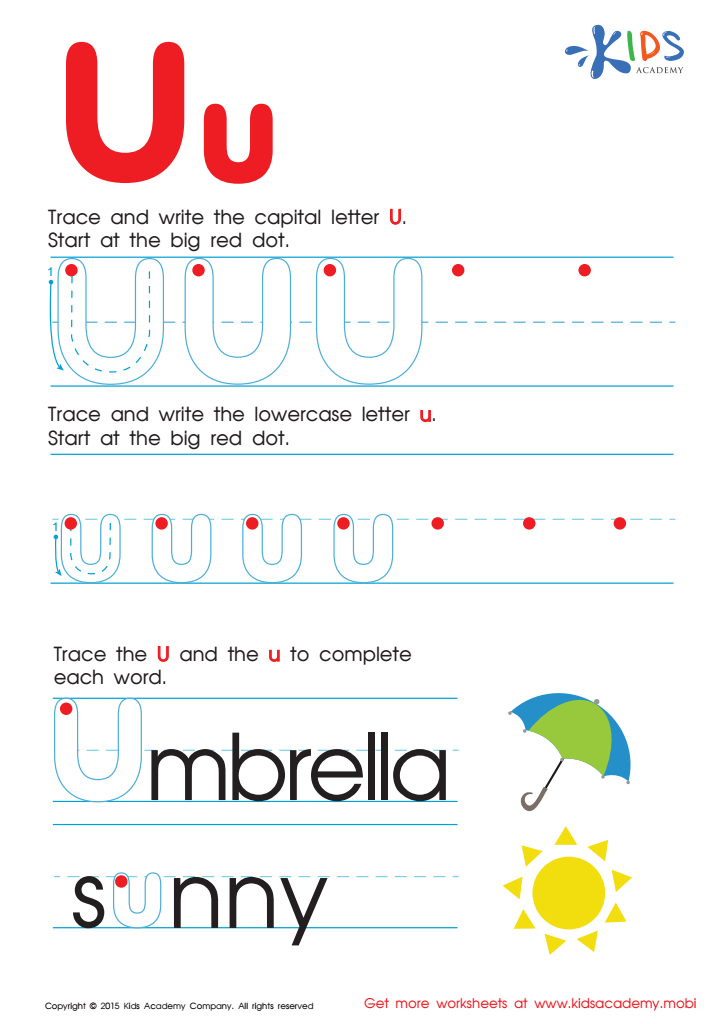
Letter U Tracing Page
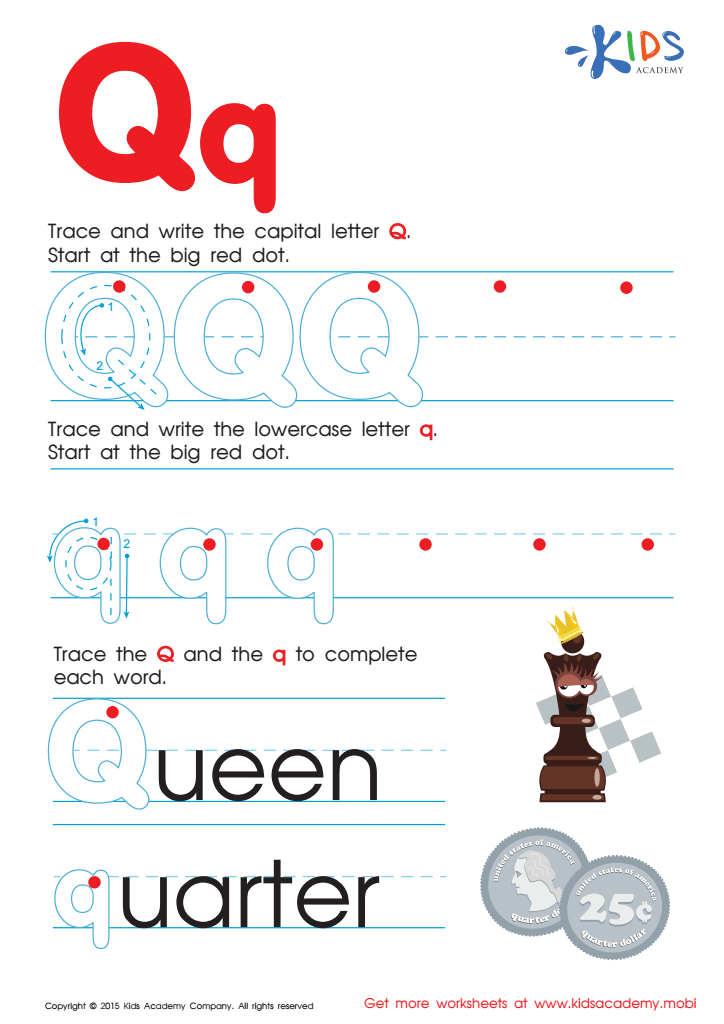
Letter Q Tracing Page
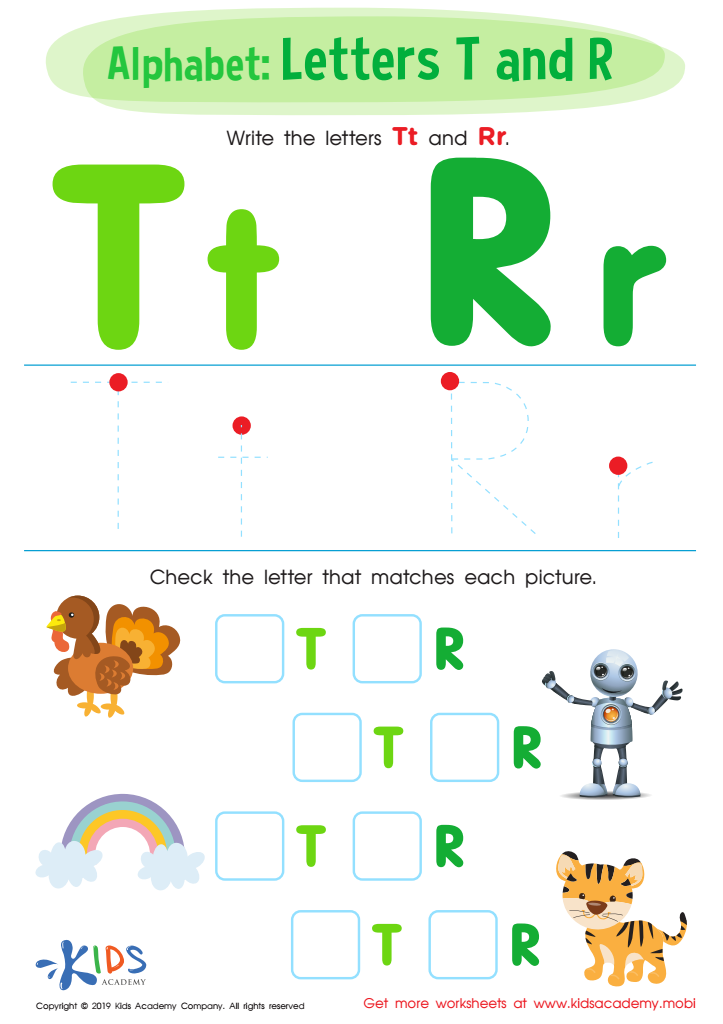
Letters T and R Worksheet
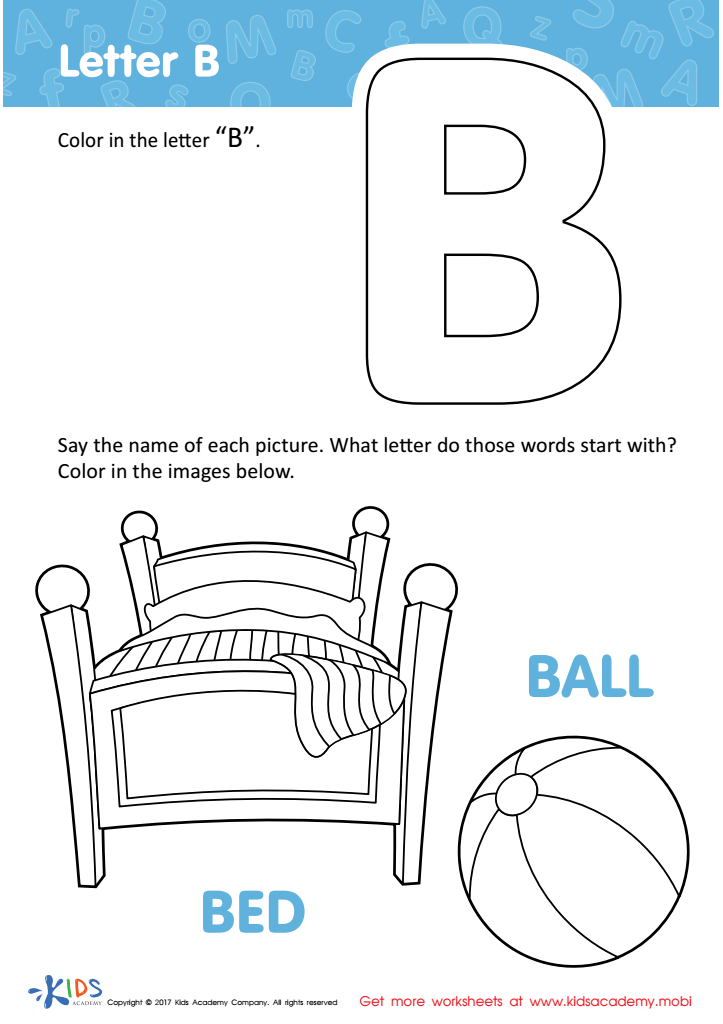
Letter B Coloring Sheet
Assign to My Students
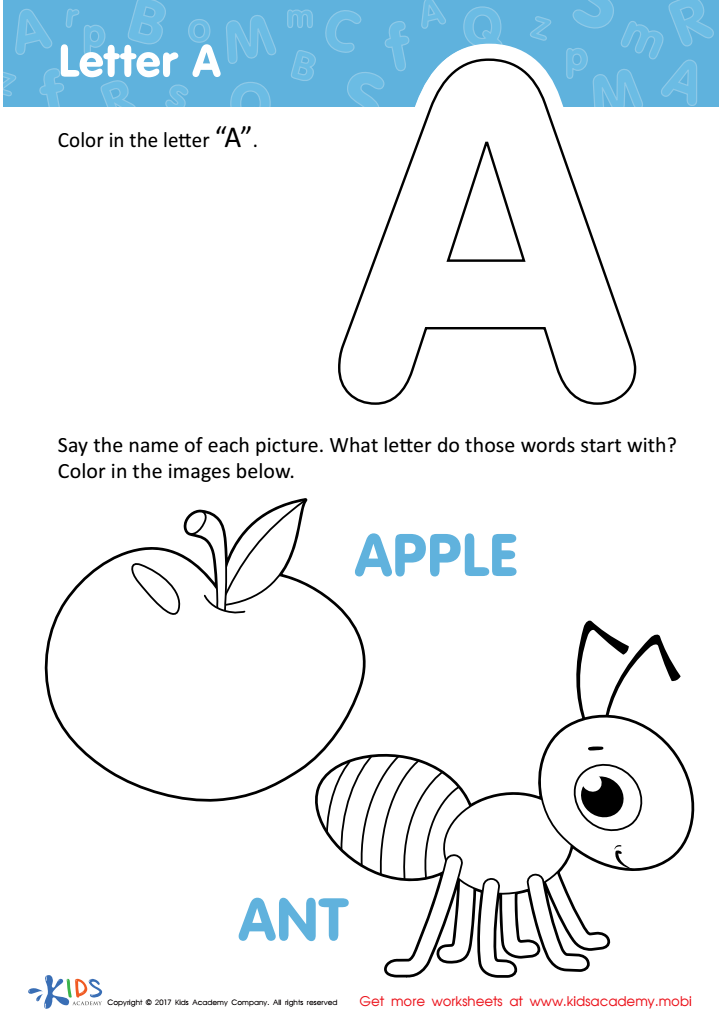
Letter A Coloring Sheet
Assign to My Students
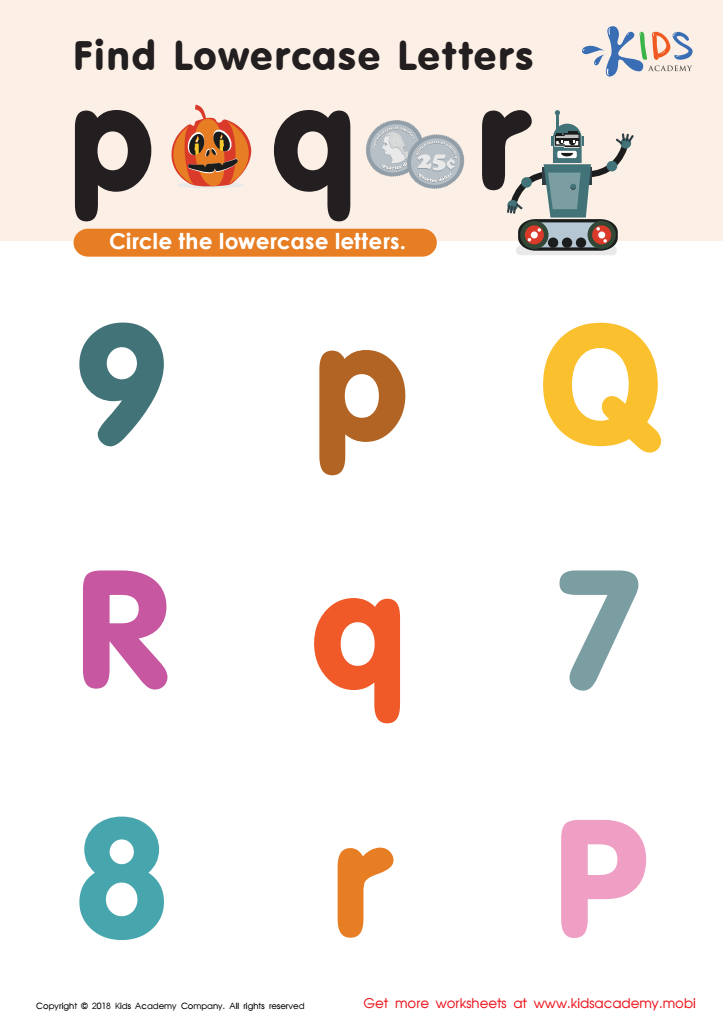
Find lowercase Letters p q r Worksheet
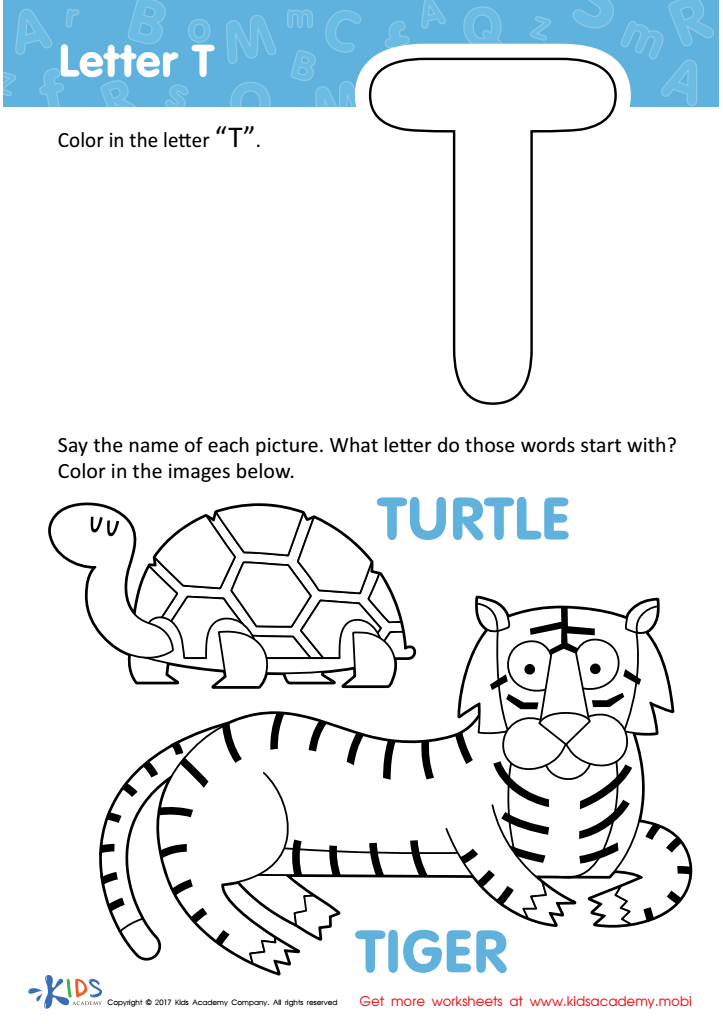
Letter T Coloring Sheet
Assign to My Students
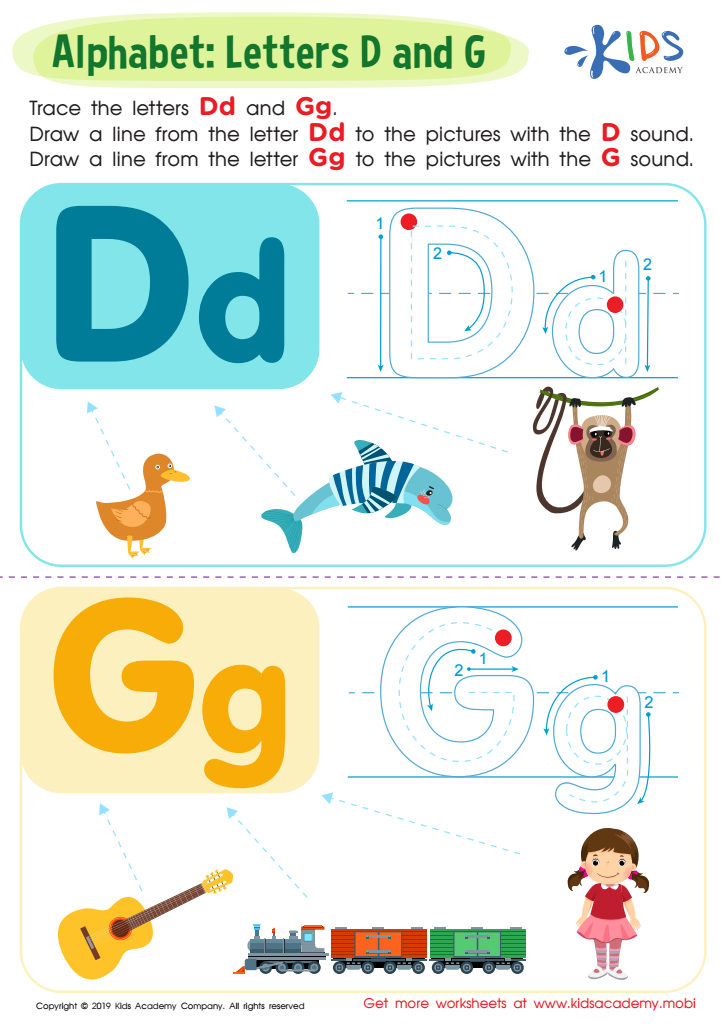
Letter D and G Tracing Worksheet
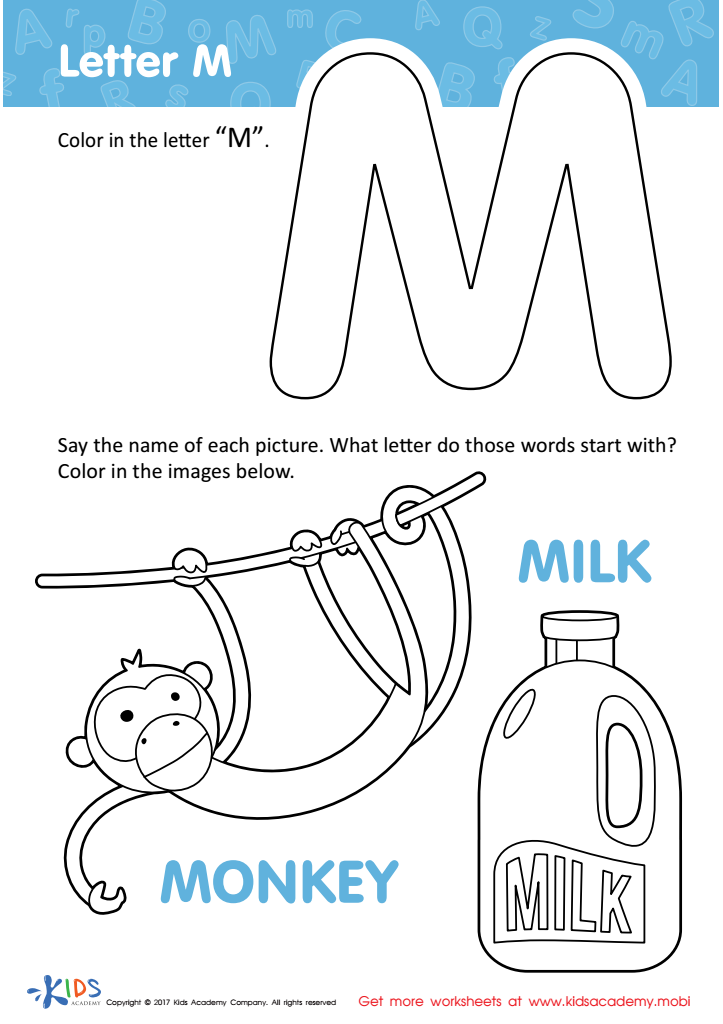
Letter M Coloring Sheet
Assign to My Students
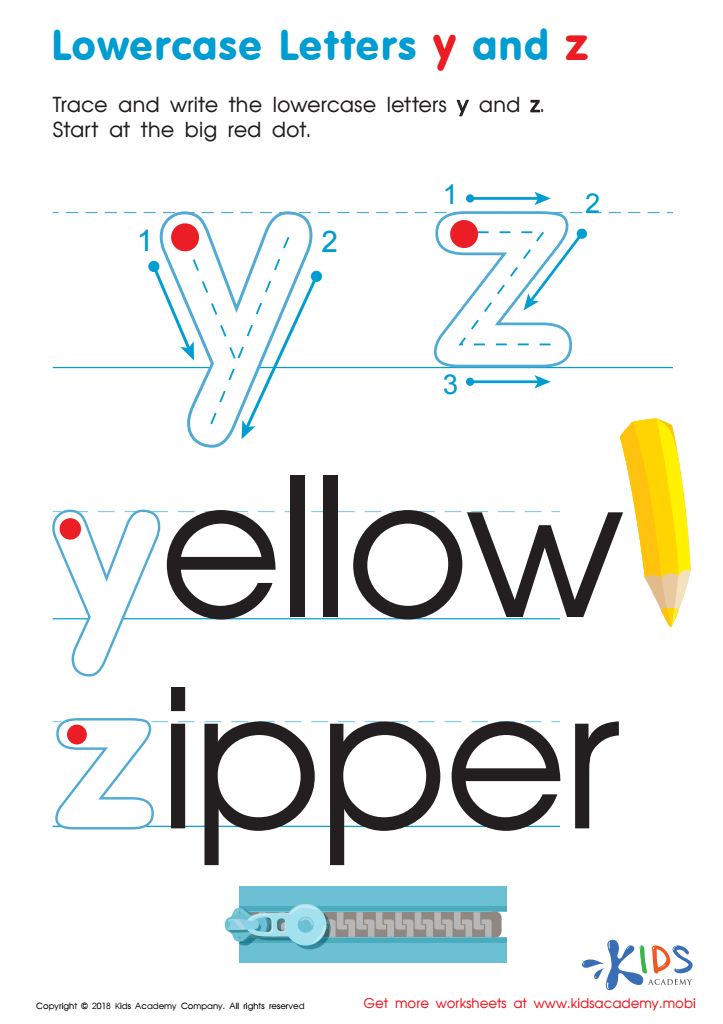
Lowercase Letters y z Worksheet
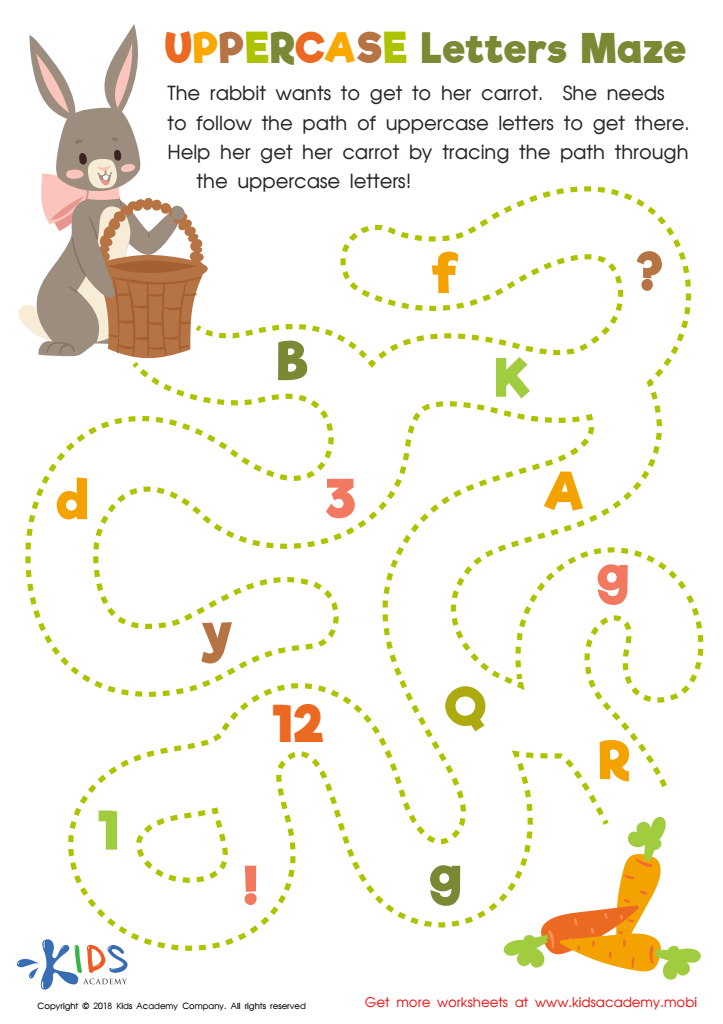
Uppercase Letters Maze Worksheet
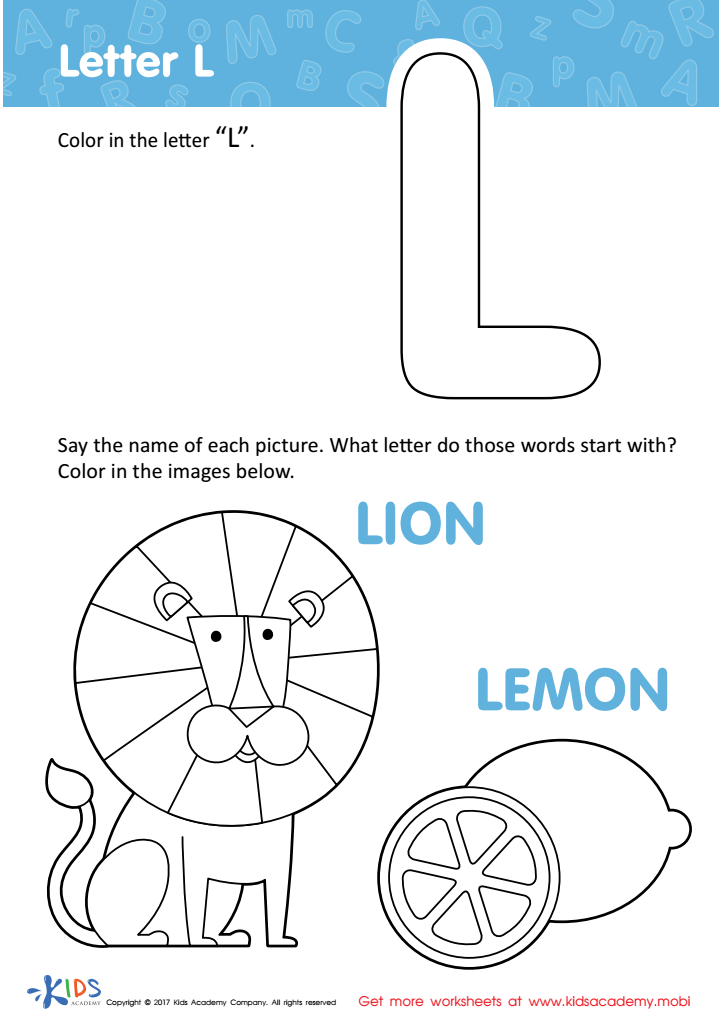
Letter L Coloring Sheet
Assign to My Students
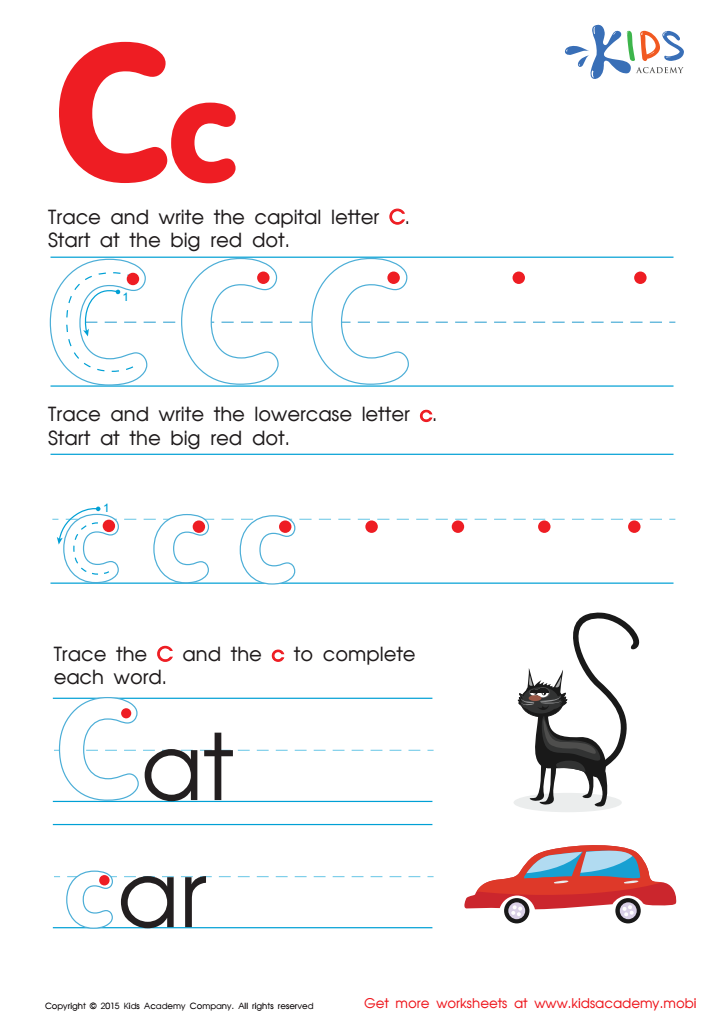
Letter C Tracing Page








Fine motor skills and letter recognition are essential components of early childhood development, particularly for children aged 3 to 9. Parents and teachers should care about these skills because they form the foundation for future academic success and everyday tasks. Fine motor skills involve the coordination of small muscles in the hands and fingers, which are critical for writing, drawing, and manipulating small objects. Developing these skills enables children to perform tasks independently and boosts their self-confidence.
Letter recognition, the ability to identify and name letters, is crucial for literacy development. Early mastery of letter recognition sets the stage for reading and writing capabilities. When children can recognize letters, they can more easily understand phonics, spelling, and ultimately, reading comprehensions. This skill correlates strongly with academic performance in later years.
By focusing on fine motor skills and letter recognition, parents and teachers can support cognitive development, enhance language skills, and promote a positive learning environment. Engaging children in activities such as coloring, cutting, or puzzles can mitigate frustration and resistance toward learning. Overall, fostering these skills enables children to transition smoothly into more complex educational challenges, ensuring they have the tools needed for lifelong learning.







