Hand-eye Coordination Letter Recognition Worksheets for Ages 3-9
10 filtered results
-
From - To
Explore our engaging Hand-eye Coordination Letter Recognition Worksheets, designed for children ages 3 to 9! These worksheets integrate fundamental skills, helping young learners improve their hand-eye coordination while mastering letter recognition. Fun and interactive, they include various activities such as tracing, matching, and coloring, ensuring that children remain engaged and motivated. Perfect for classroom use or at home, our resources support early literacy development in a playful way. Watch your child gain confidence as they enhance motor skills and recognition of letters, laying a solid foundation for their reading journey. Download now and make learning an exciting adventure!
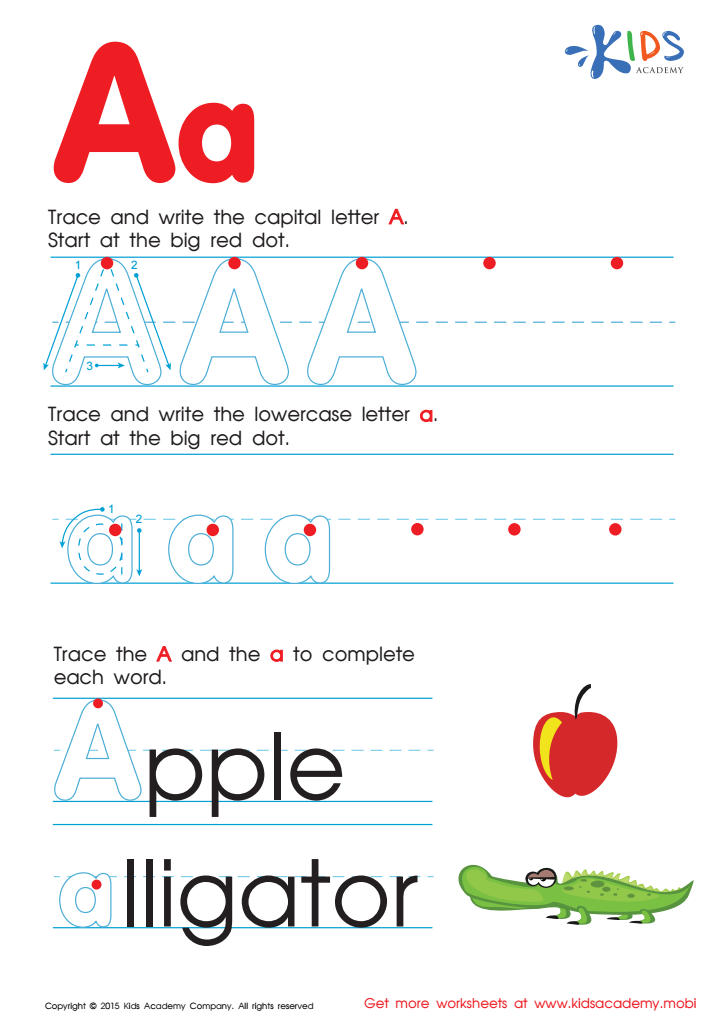
Letter A Tracing Page
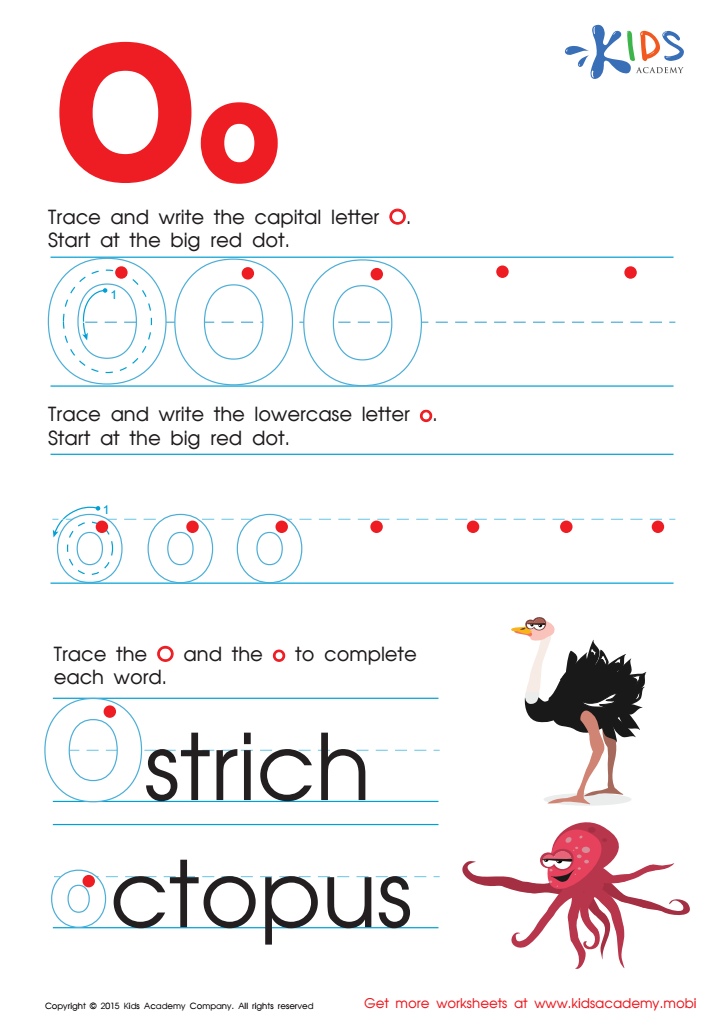
Letter O Tracing Page

Find Lowercase Letters g h i Worksheet
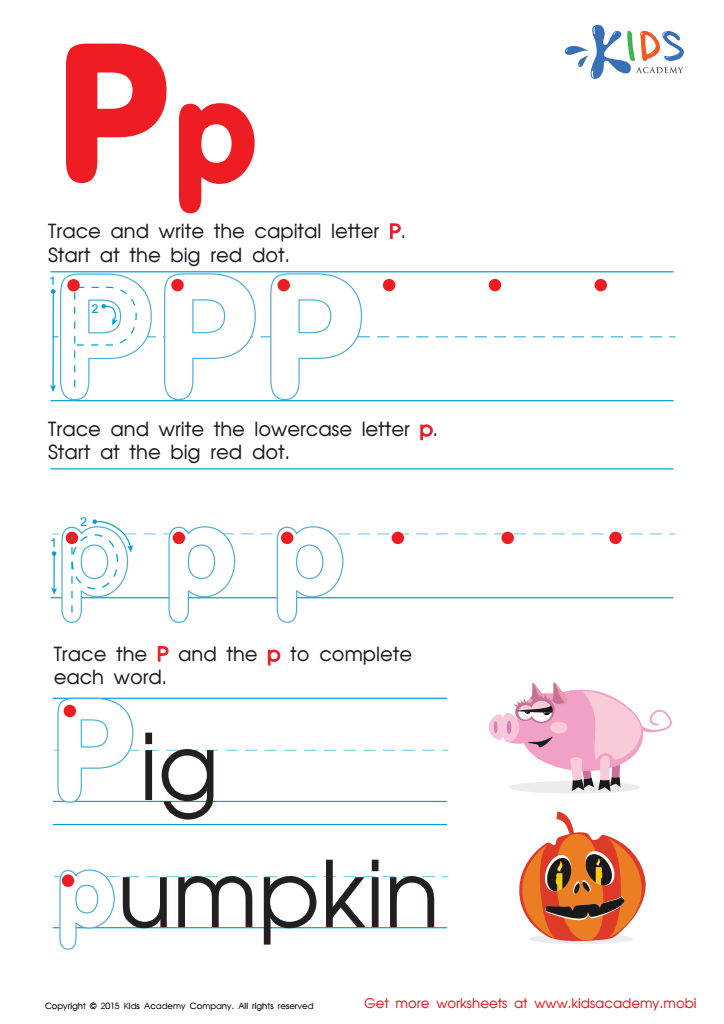
Letter P Tracing Page
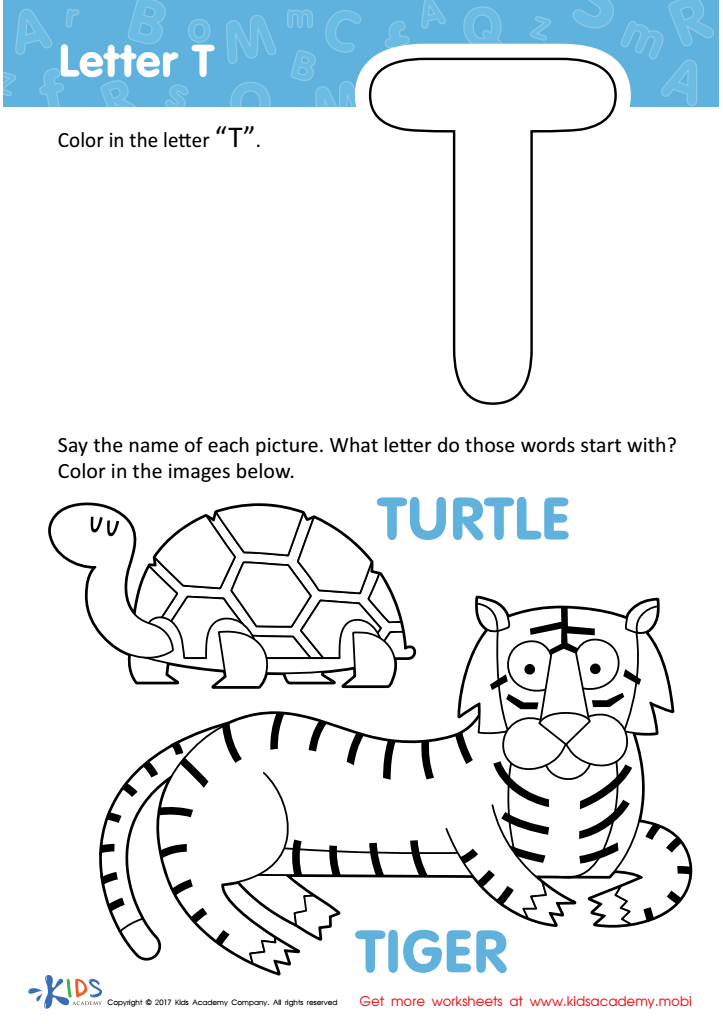
Letter T Coloring Sheet
 Assign to My Students
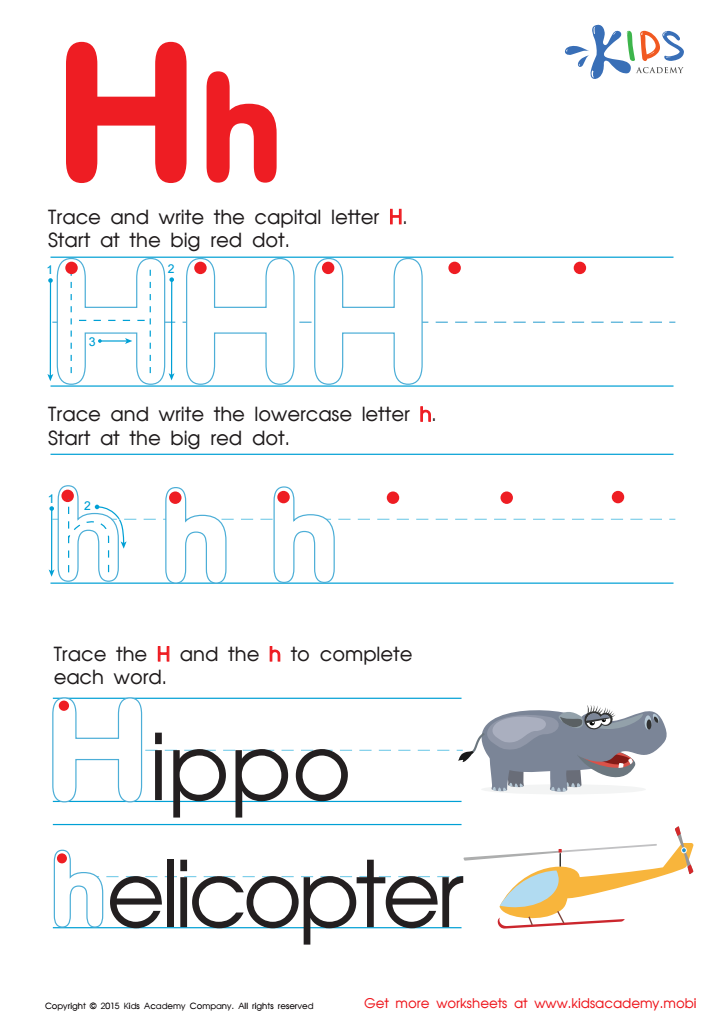
Letter H Tracing Page
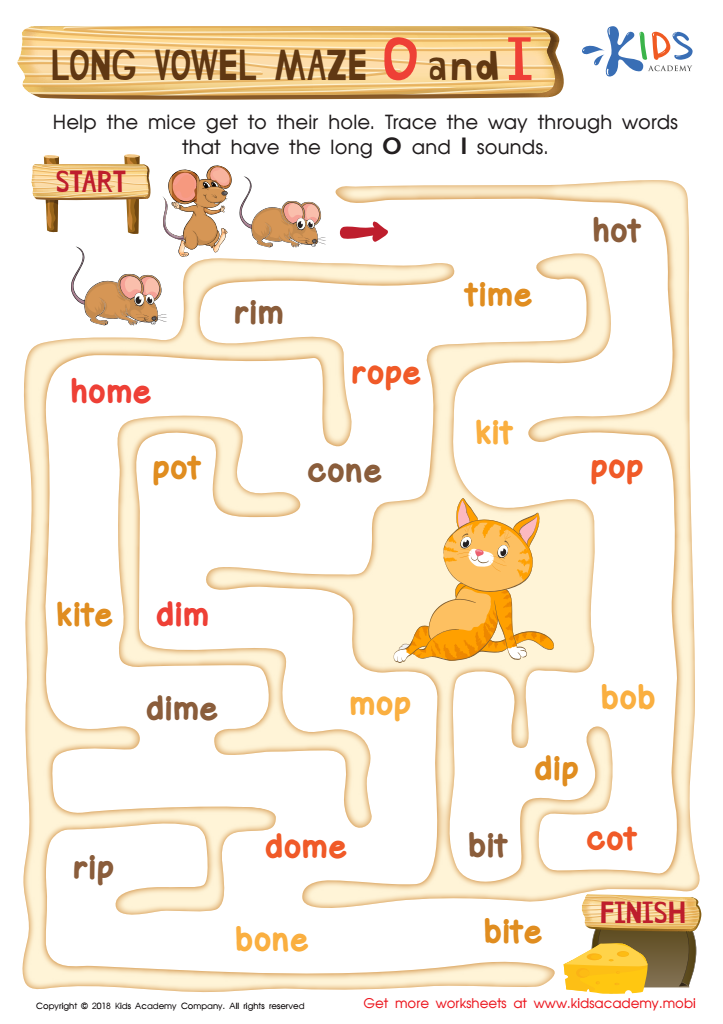
Long Vowel Maze /o/ and /i/ Worksheet
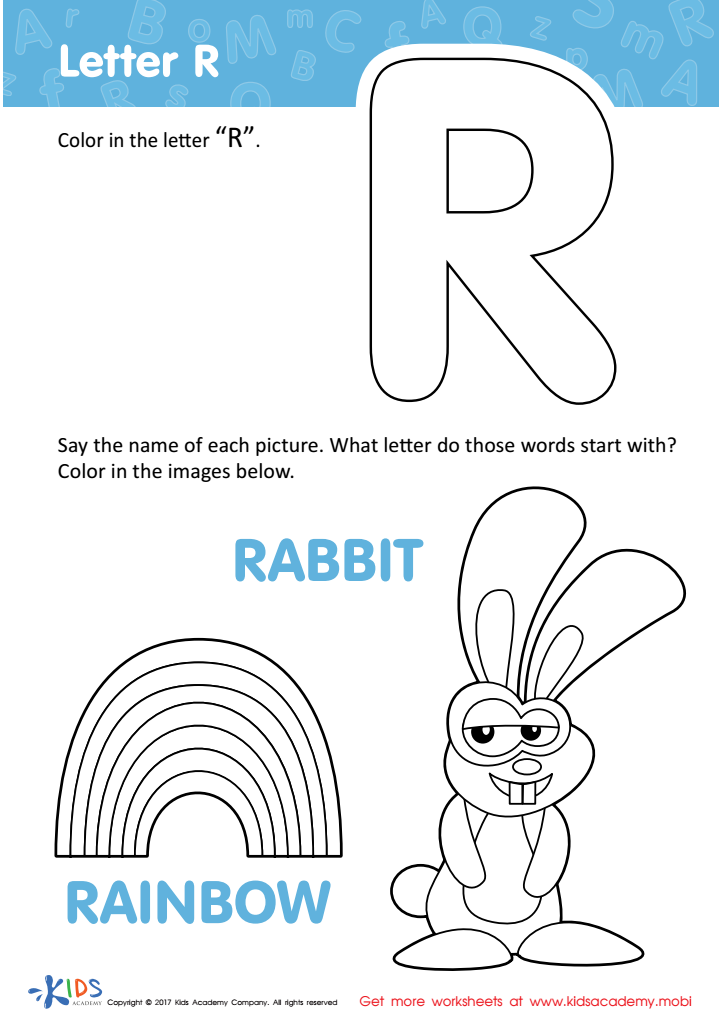
Letter R Coloring Sheet
Assign to My Students
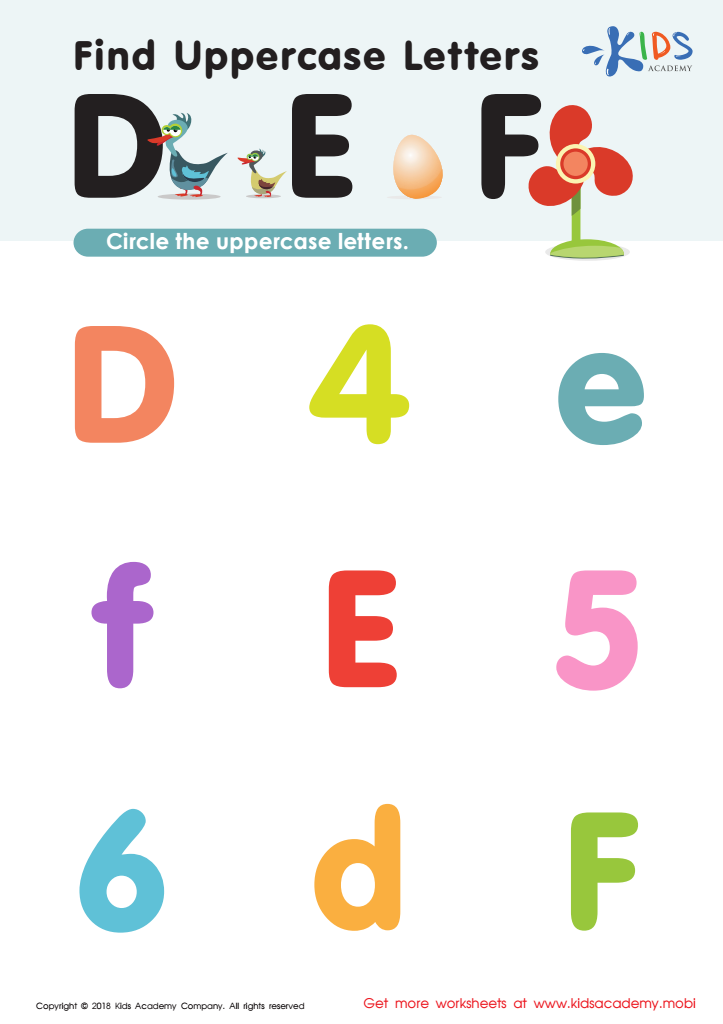
Find Uppercase Letters D, E, and F Worksheet

Letter D Tracing Page








Hand-eye coordination and letter recognition are crucial foundational skills for children aged 3-9 that significantly influence their overall development. Parents and teachers should prioritize these skills as they pave the way for literacy and learning efficiency.
Hand-eye coordination, the ability to synchronize visual input with physical movements, is vital for activities like writing, drawing, and even playing sports. By engaging in activities that promote hand-eye coordination, such as building with blocks or puzzles, children develop fine motor skills and spatial awareness, which are essential for everyday tasks.
On the other hand, letter recognition forms the building blocks of literacy. When children can recognize and differentiate letters, they gain the necessary tools for reading and writing. This skill enhances vocabulary development and encourages early reading, setting the stage for academic success. Additionally, recognizing letters helps children understand phonics, leading to improved spelling and comprehension skills as they progress.
Together, these skills foster confidence and independence in young learners. By encouraging both hand-eye coordination and letter recognition, parents and teachers can build a strong educational foundation that influences children's long-term learning outcomes. The benefits extend beyond academics, ultimately shaping well-rounded individuals equipped for a variety of life experiences.







