Handwriting practice Letter Recognition Worksheets for Ages 3-9 - Page 2
40 filtered results
-
From - To
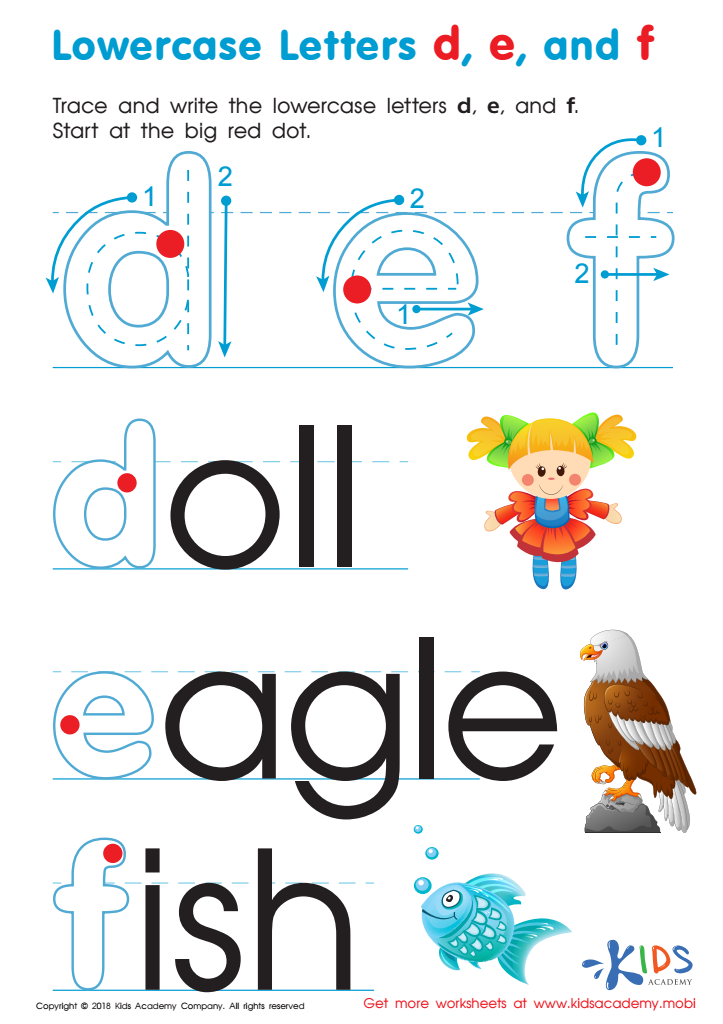
Lowercase Letters d e f Worksheet

Letter V Tracing Page
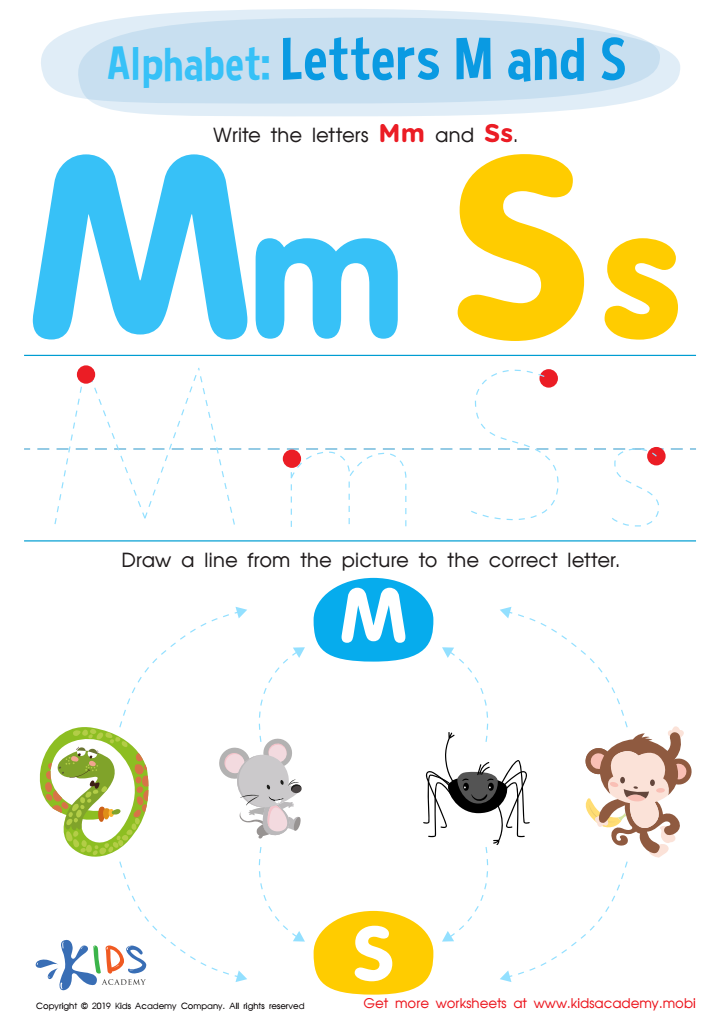
Letters M and S Tracing Worksheet
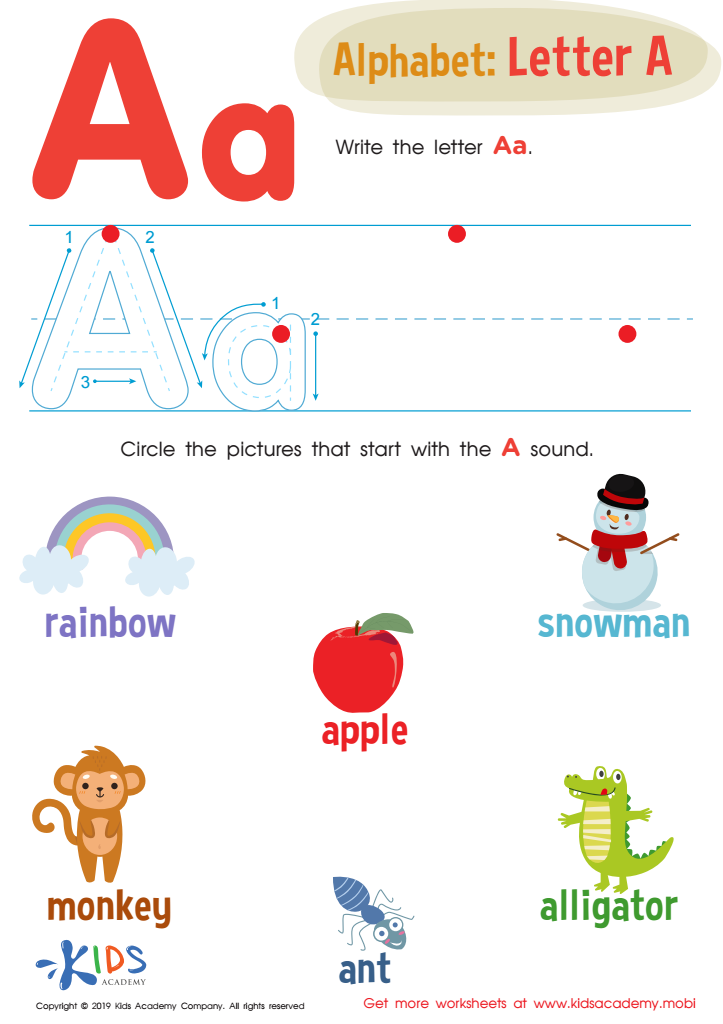
Letter A Tracing Worksheet
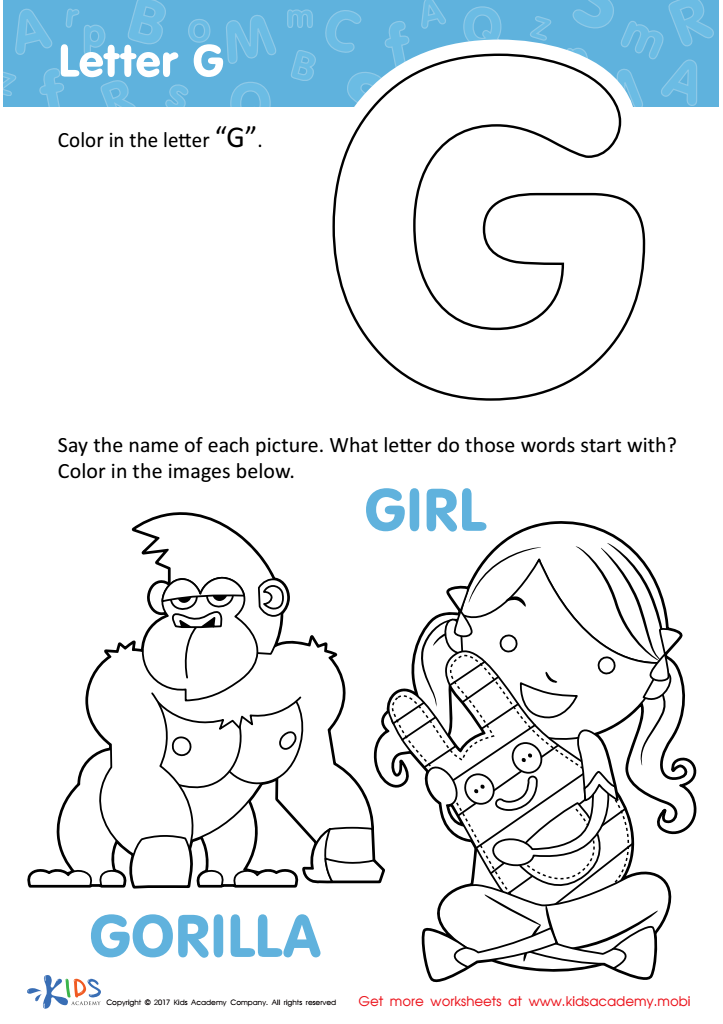
Letter G Coloring Sheet
 Assign to My Students
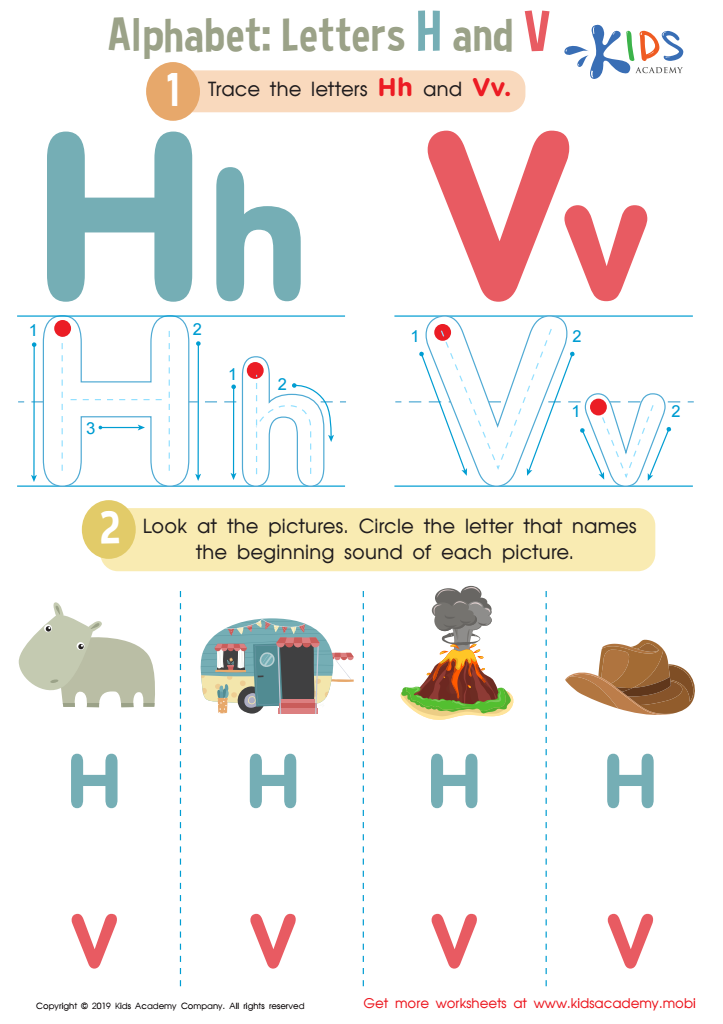
Letters H and V Tracing Worksheet
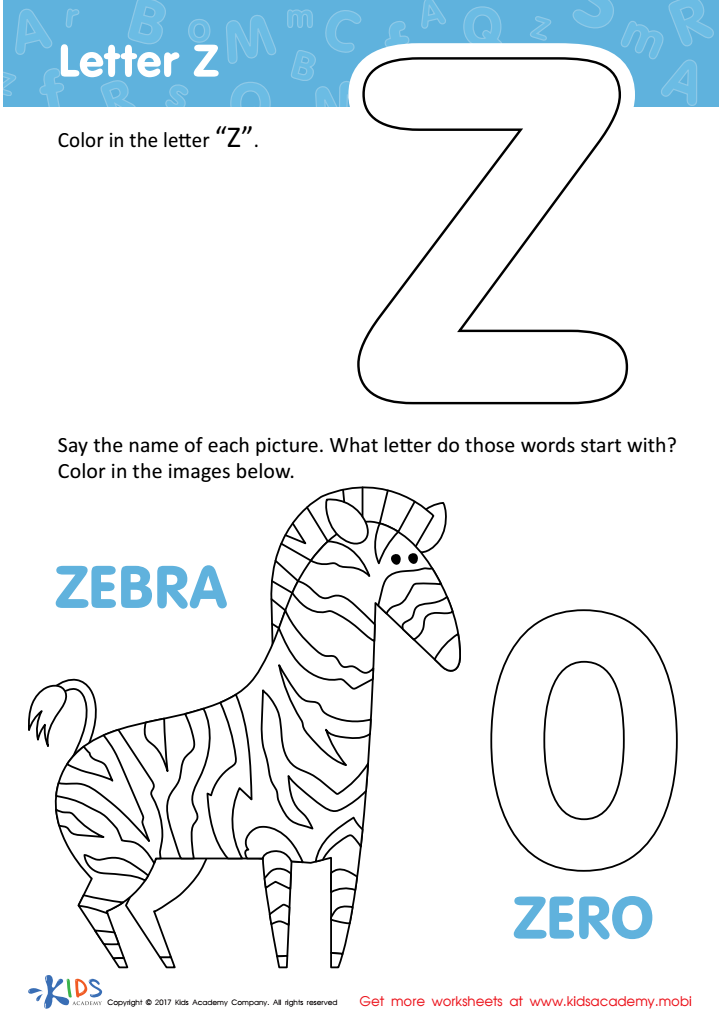
Letter Z Coloring Sheet
Assign to My Students
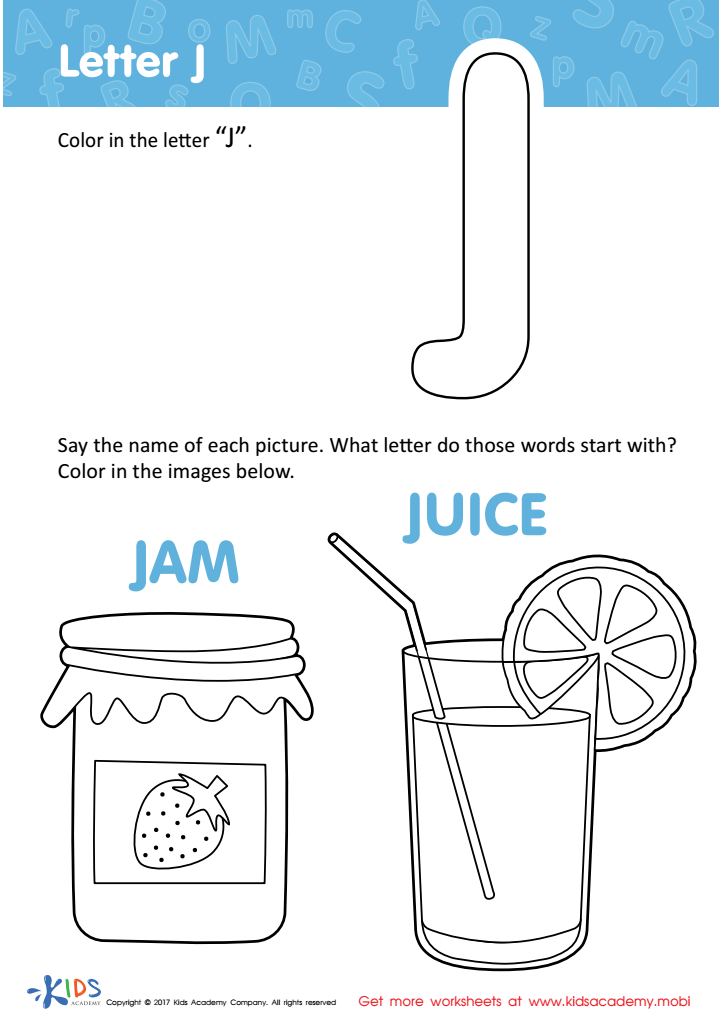
Letter J Coloring Sheet
Assign to My Students
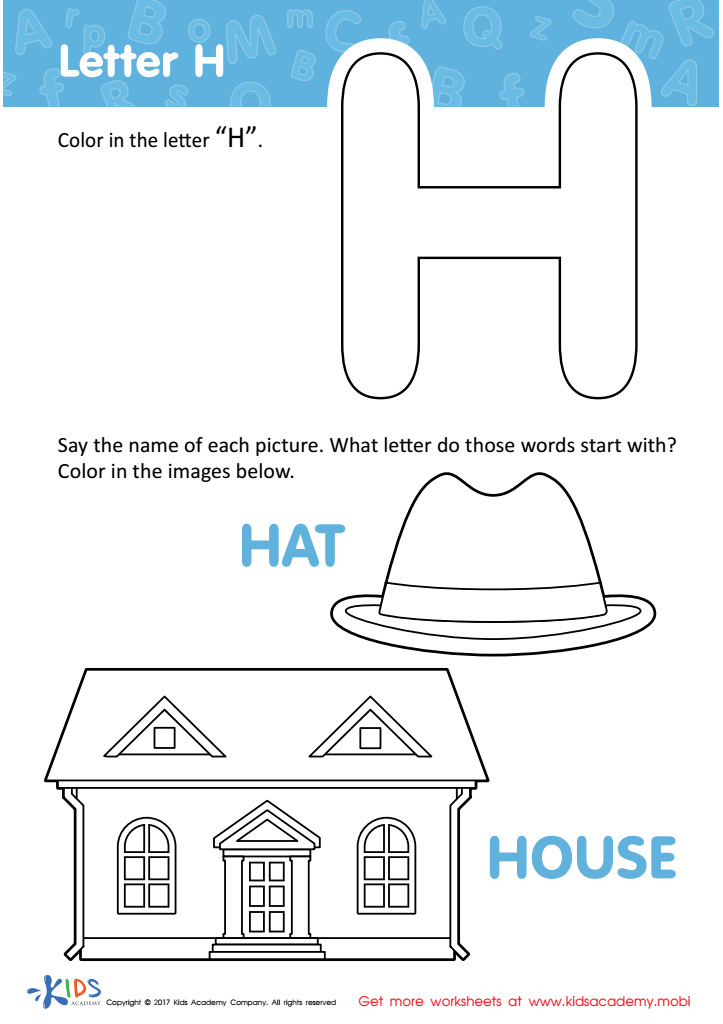
Letter H Coloring Sheet
Assign to My Students
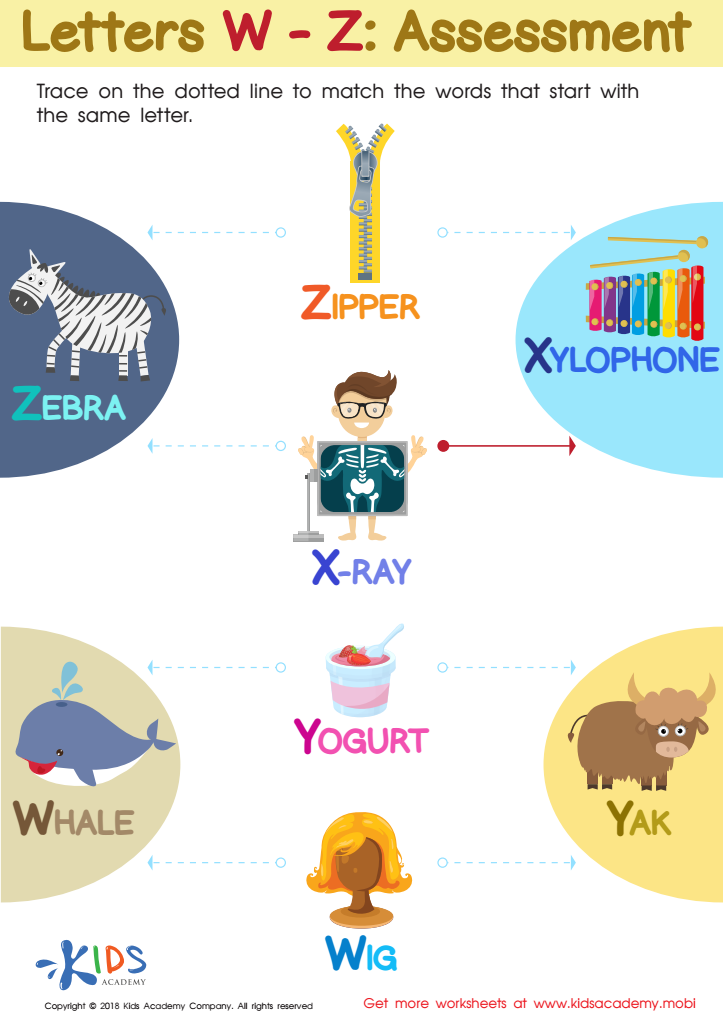
Letters W–Z Tracing Worksheet
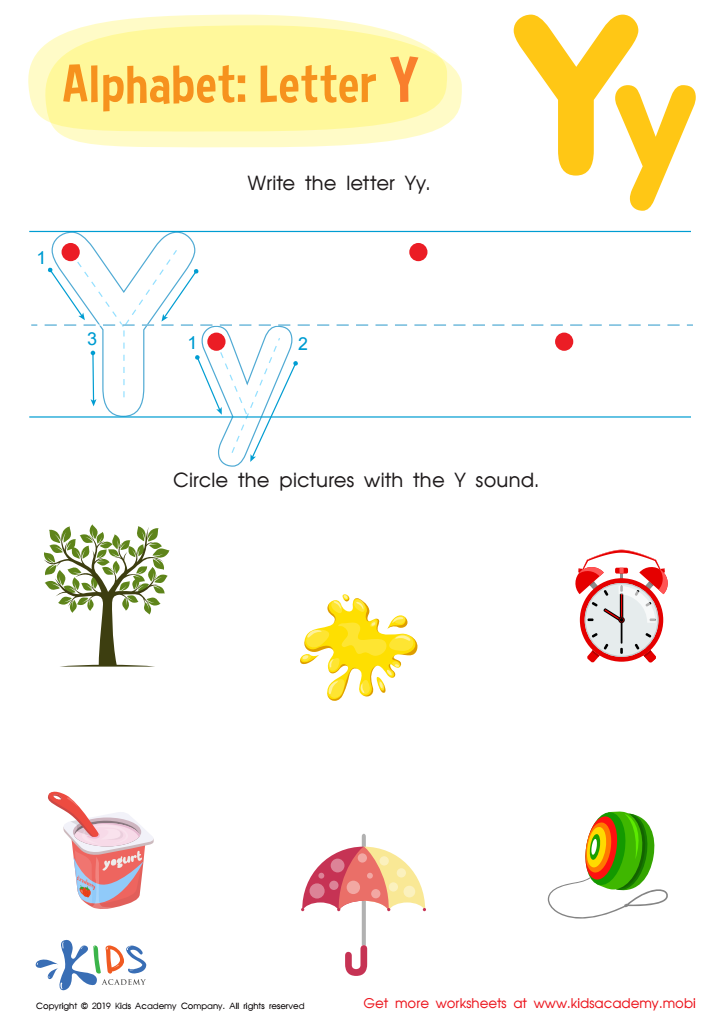
Letter Y Tracing Worksheet
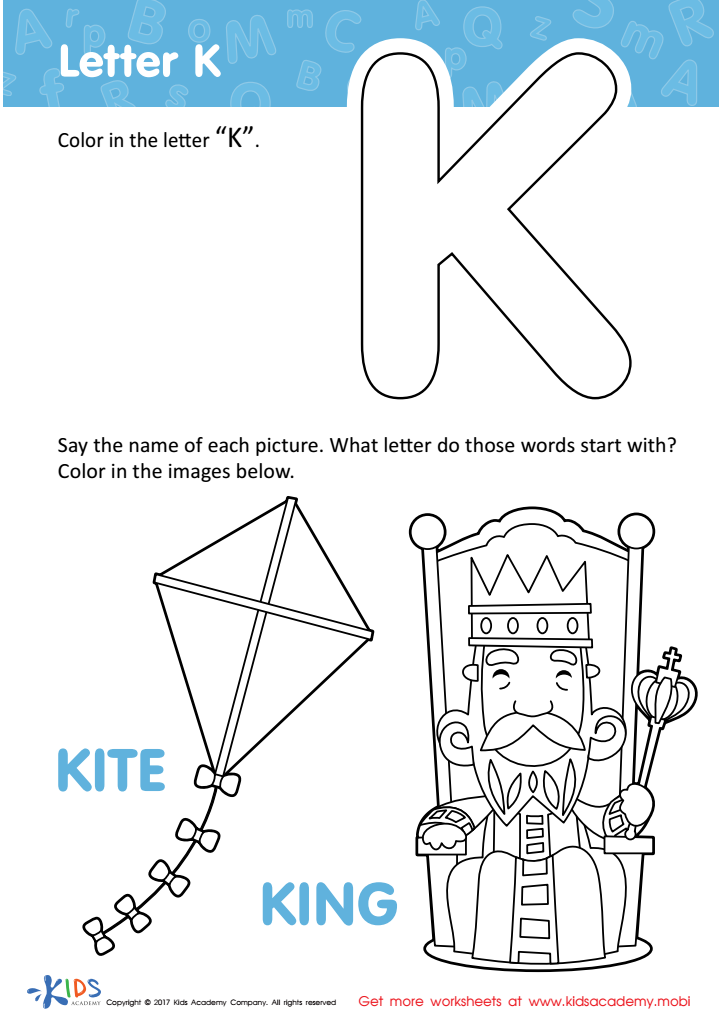
Letter K Coloring Sheet
Assign to My Students
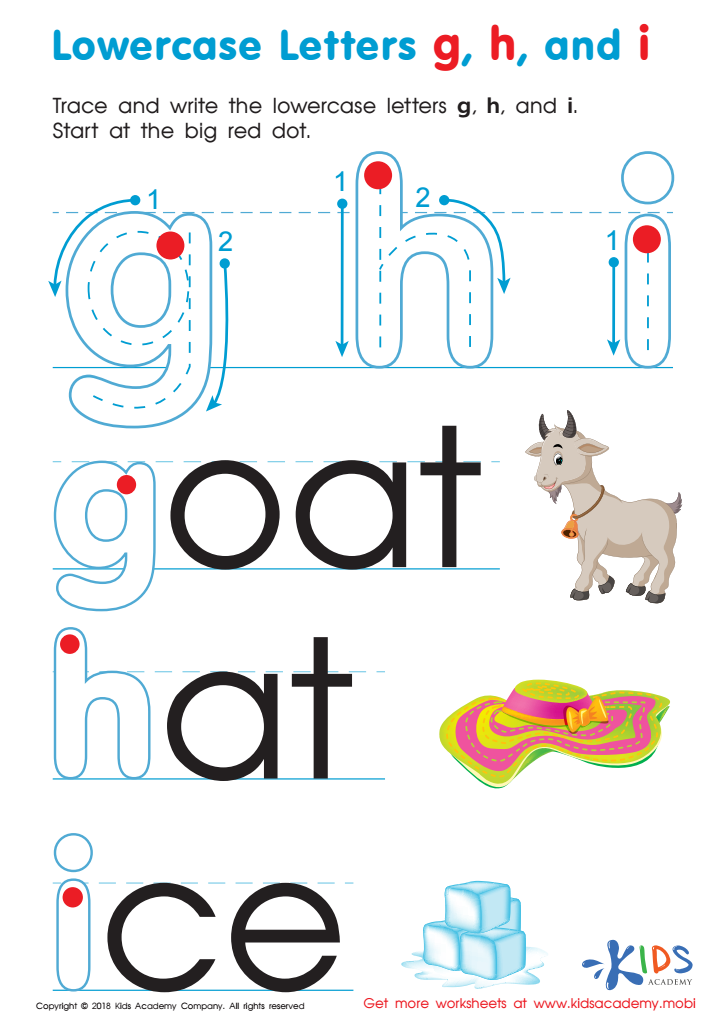
Lowercase Letters g h i Worksheet
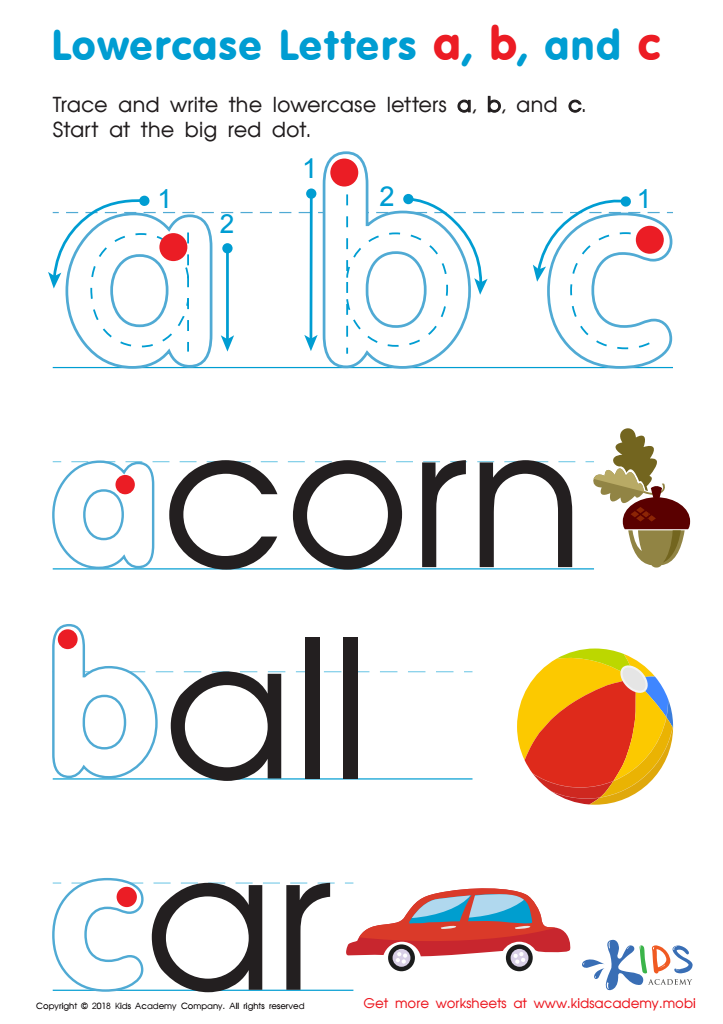
Lowercase Letters a b c Worksheet
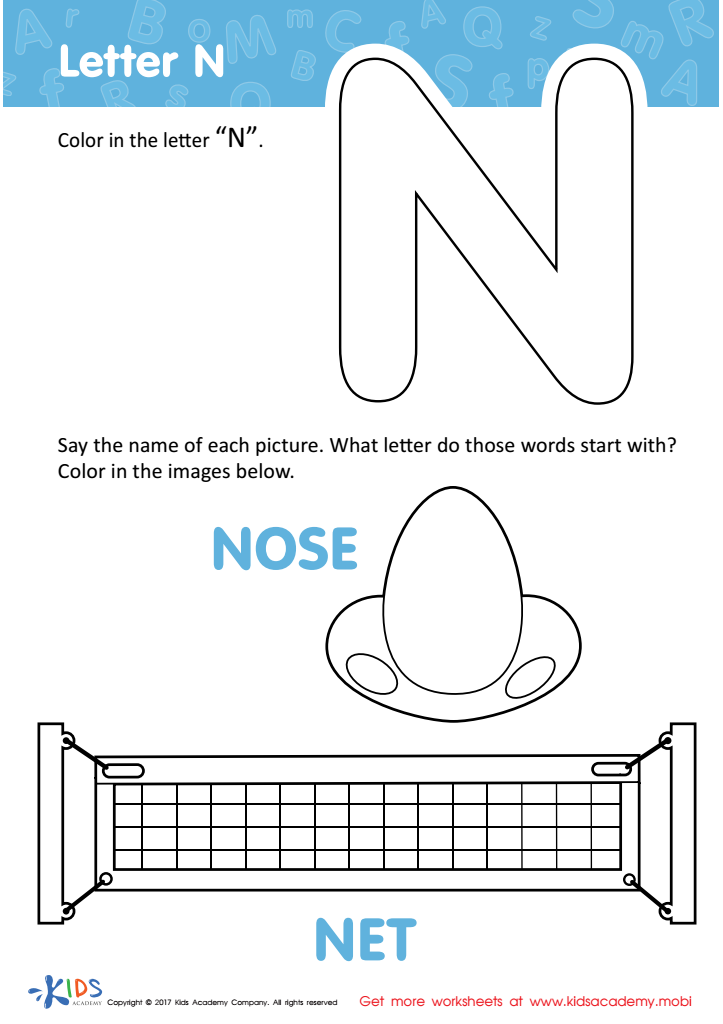
Letter N Coloring Sheet
Assign to My Students
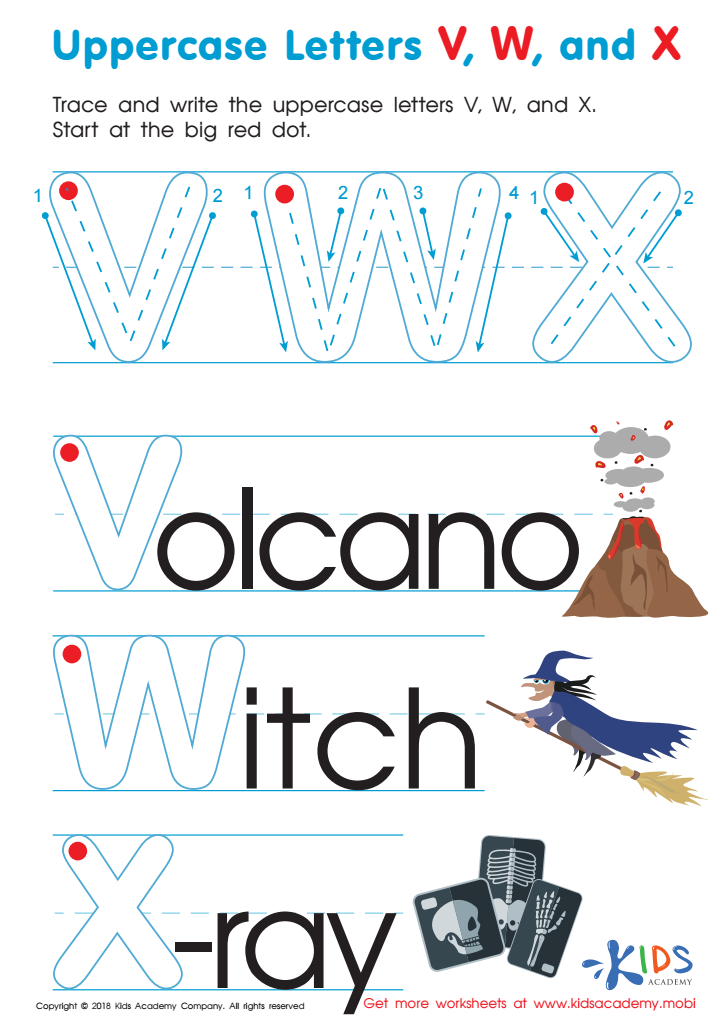
Uppercase Letters V, W, and X Worksheet








Handwriting practice and letter recognition are crucial components of early childhood education for children aged 3-9. These foundational skills not only help children develop effective communication abilities but also foster cognitive and motor development. For parents and teachers, understanding the significance of handwriting practice is key in nurturing a child's learning journey.
Engaging in handwriting practice enhances fine motor skills, allowing children to improve their dexterity and hand-eye coordination. As children learn proper letter formation, they develop muscle memory, making the writing process smoother and more automatic. Letter recognition, meanwhile, is essential for reading readiness. Familiarity with letters helps children decode words, enhancing literacy and comprehension skills.
Investing time in these areas also boosts a child's confidence in their abilities. Mastering handwriting and recognizing letters gives them a sense of achievement and encourages a love for learning. Additionally, with digital communication becoming more prevalent, the ability to write legibly remains essential for academic success and personal expression.
In summary, prioritizing handwriting practice and letter recognition sets the stage for children’s future educational success, developing vital skills that influence their overall growth and confidence in their early years.







