Writing practice Letter Recognition Worksheets for Ages 3-9
14 filtered results
-
From - To
Enhance your child's literacy skills with our engaging Letter Recognition Worksheets, designed for ages 3-9. These interactive resources provide fun writing practice, helping young learners identify and write each letter of the alphabet. Our worksheets feature vibrant illustrations and creative activities to stimulate interest and promote enjoyment in learning. By practicing letter formation, children reinforce their understanding of the alphabet, an essential foundation for reading and writing proficiency. Suitable for home or classroom, our printable worksheets encourage a structured, yet playful approach to learning. Foster your child's confidence and competence in writing with these essential educational tools today!
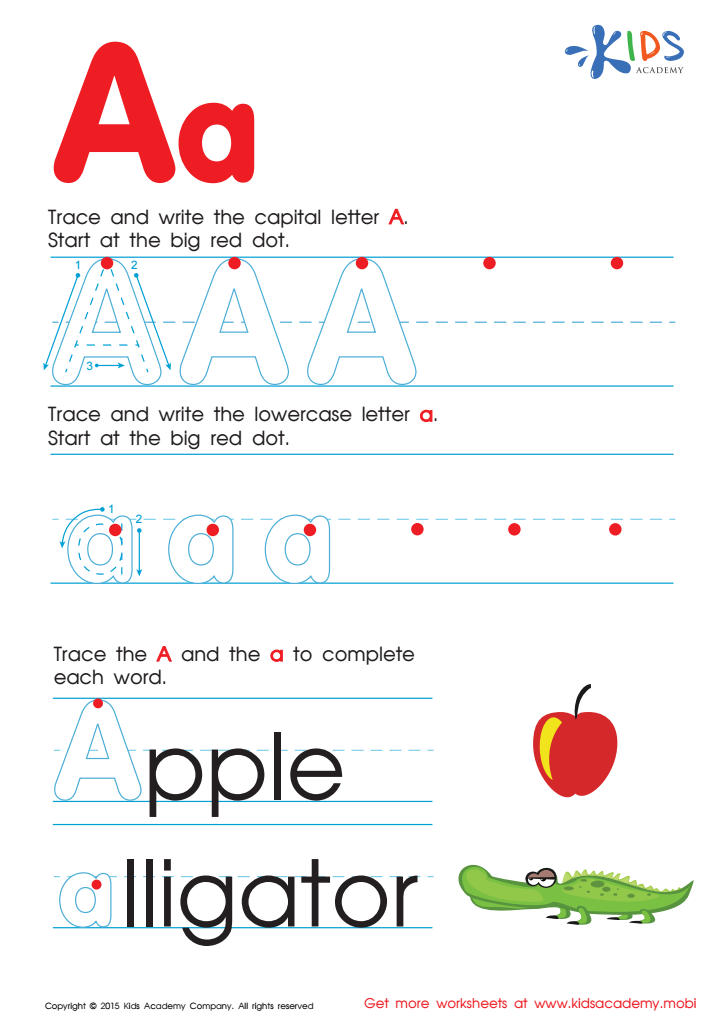
Letter A Tracing Page
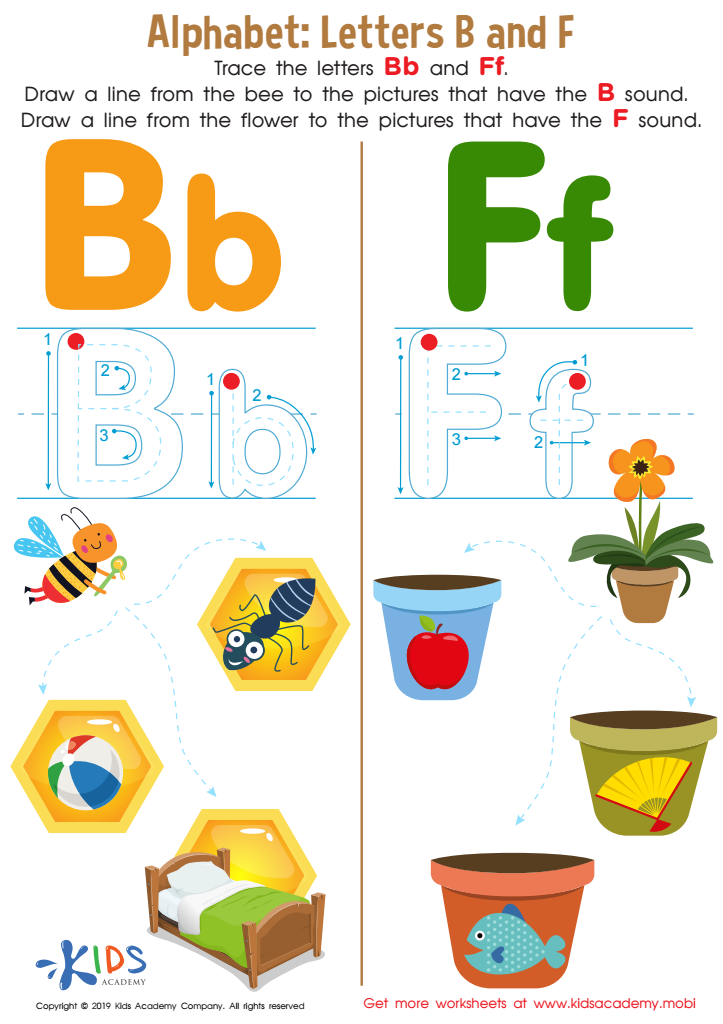
Letters B and F Tracing Worksheet
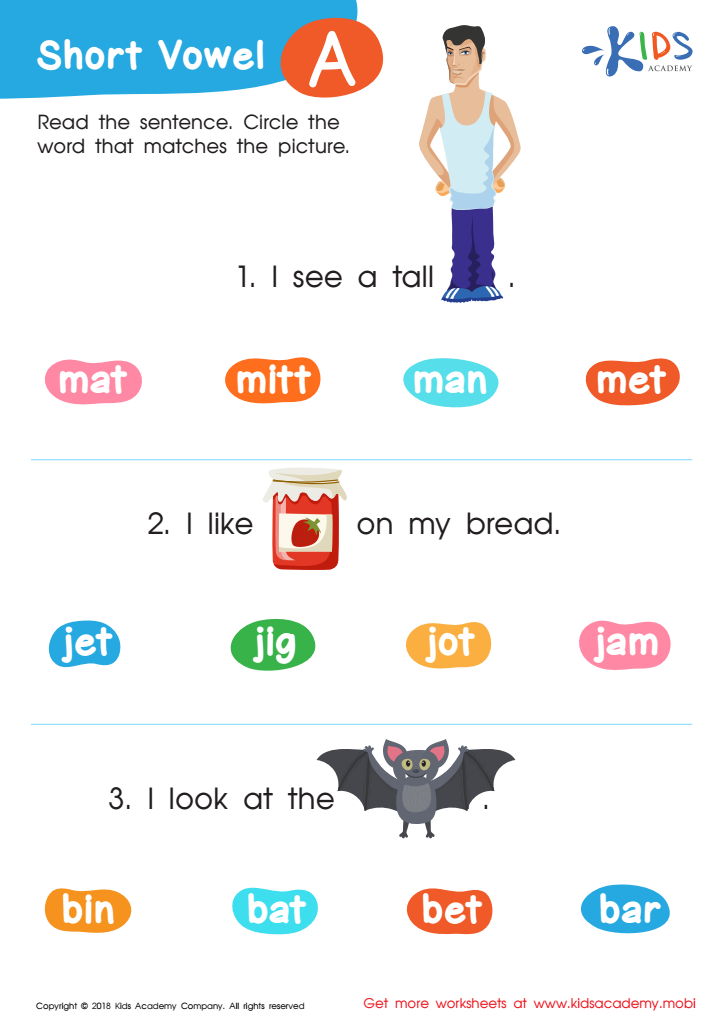
Short Vowel /a/ Worksheet
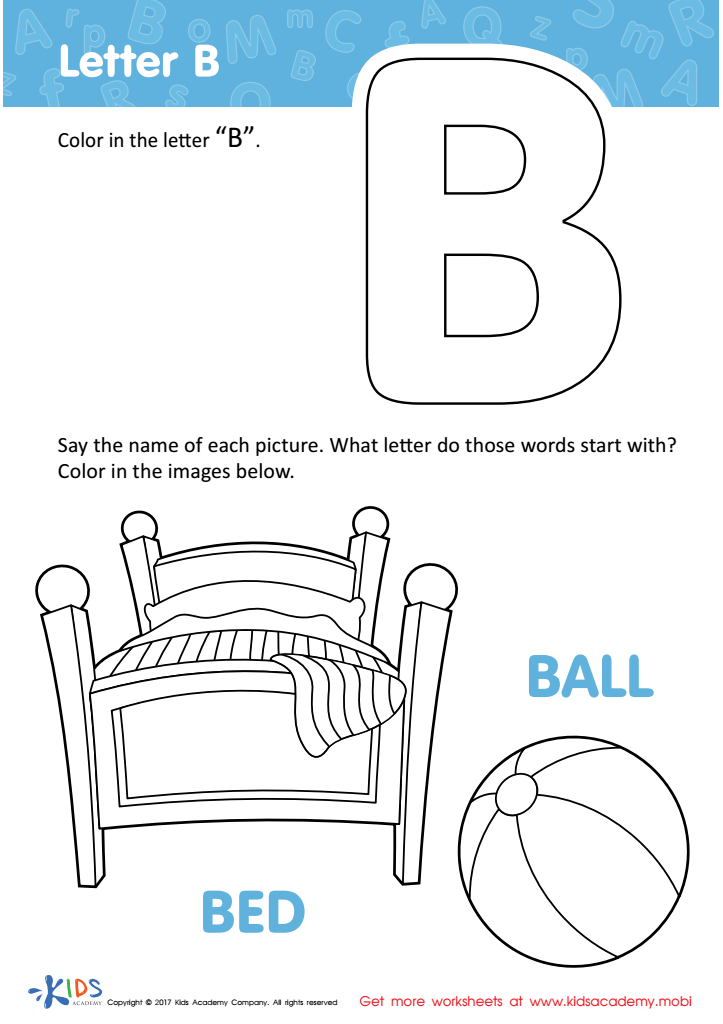
Letter B Coloring Sheet
 Assign to My Students
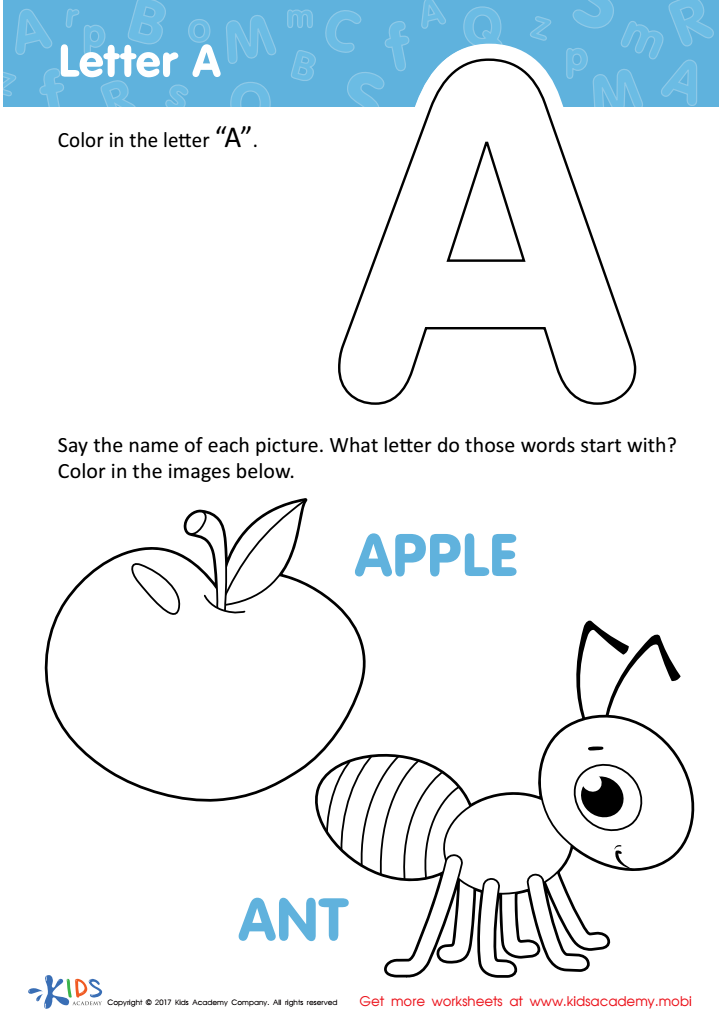
Letter A Coloring Sheet
Assign to My Students
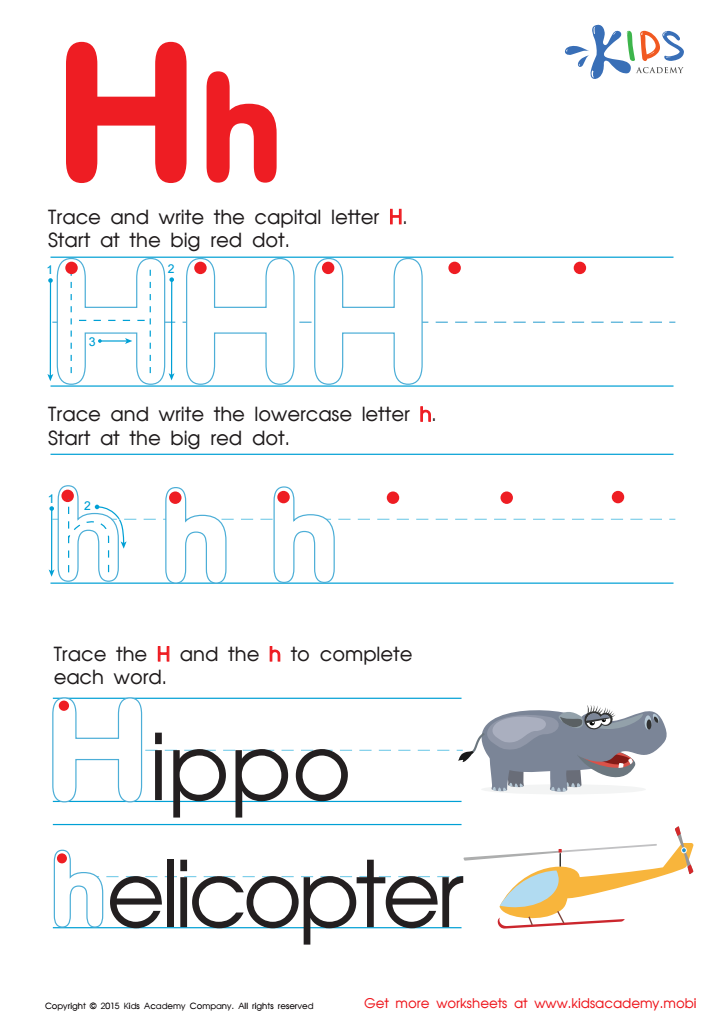
Letter H Tracing Page
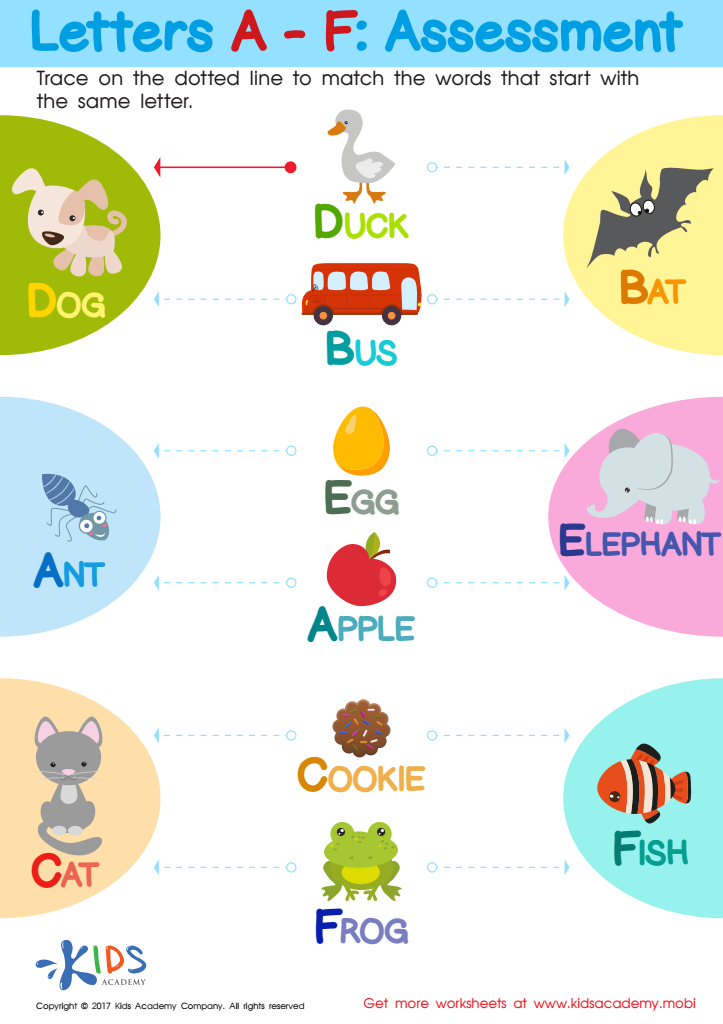
Letters A - F Worksheet
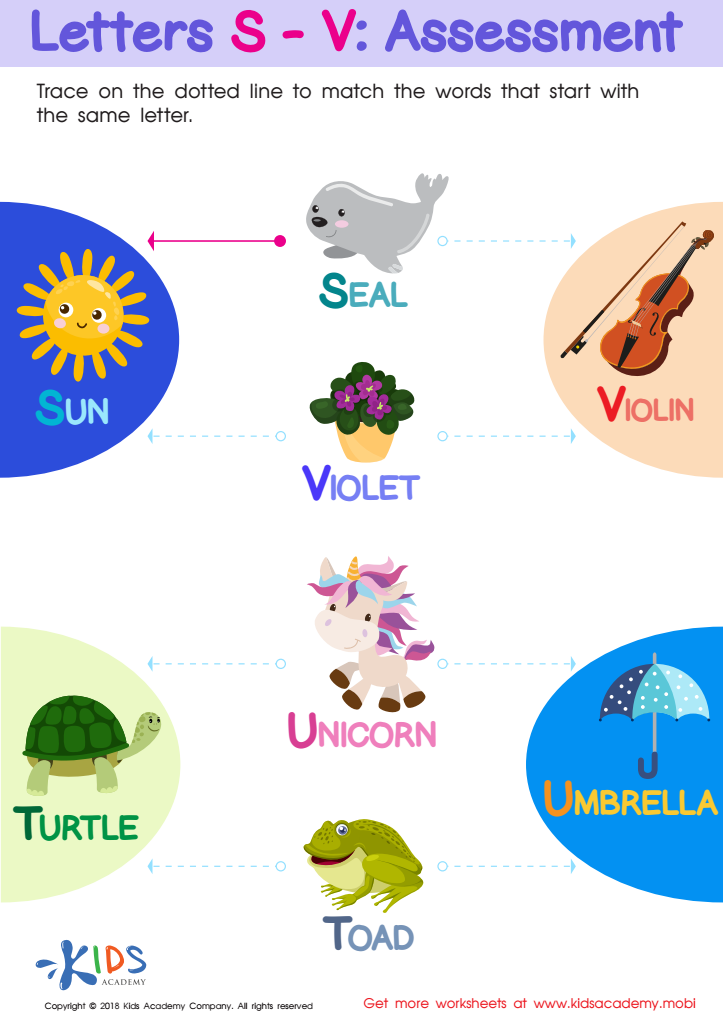
Letters S - V Tracing Worksheet
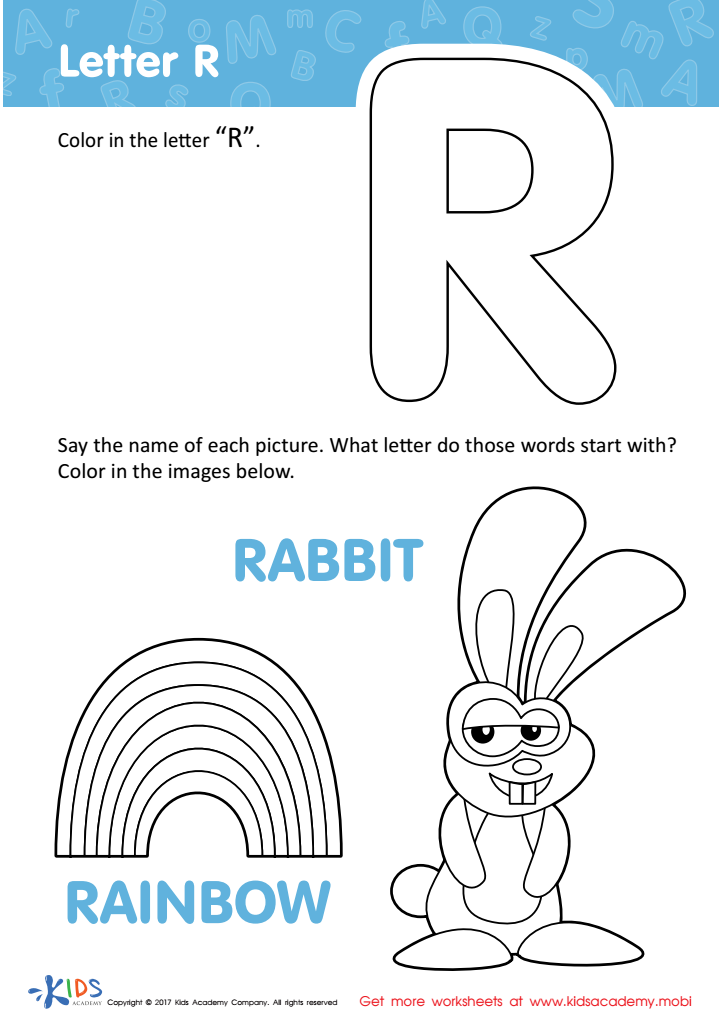
Letter R Coloring Sheet
Assign to My Students
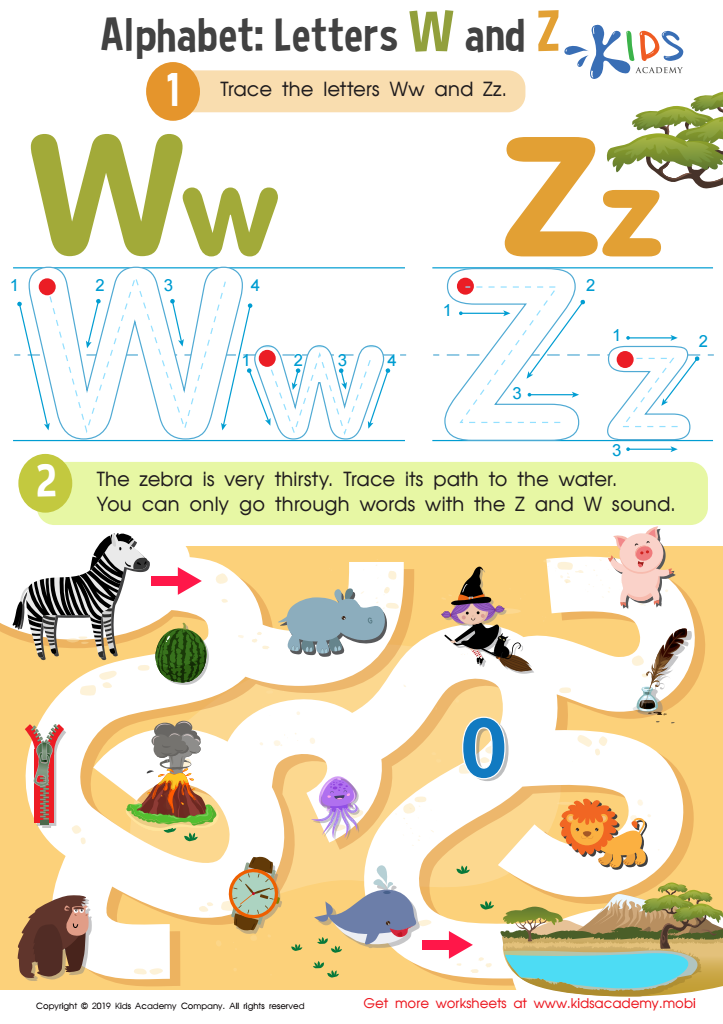
Letters W and Z Tracing Worksheet
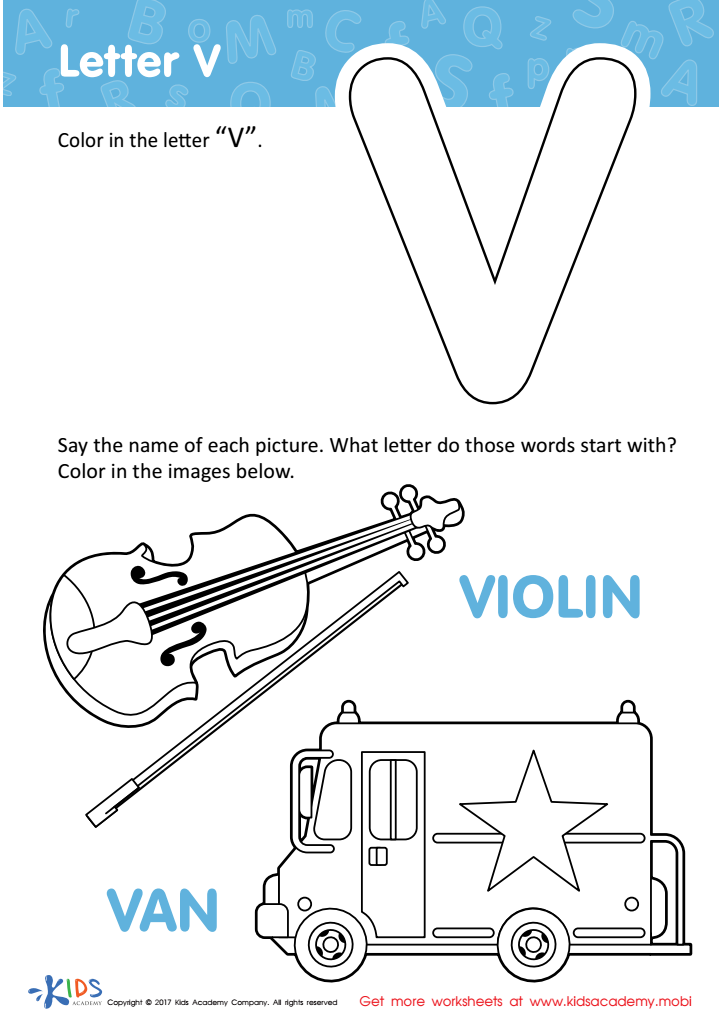
Letter V Coloring Sheet
Assign to My Students
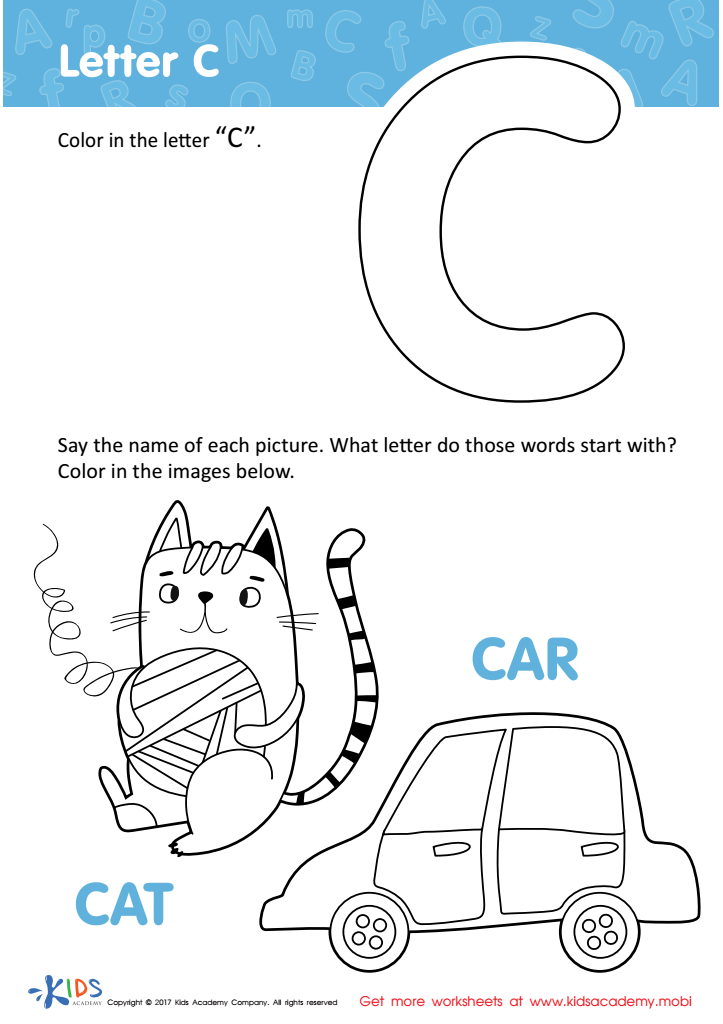
Letter C Coloring Sheet
Assign to My Students
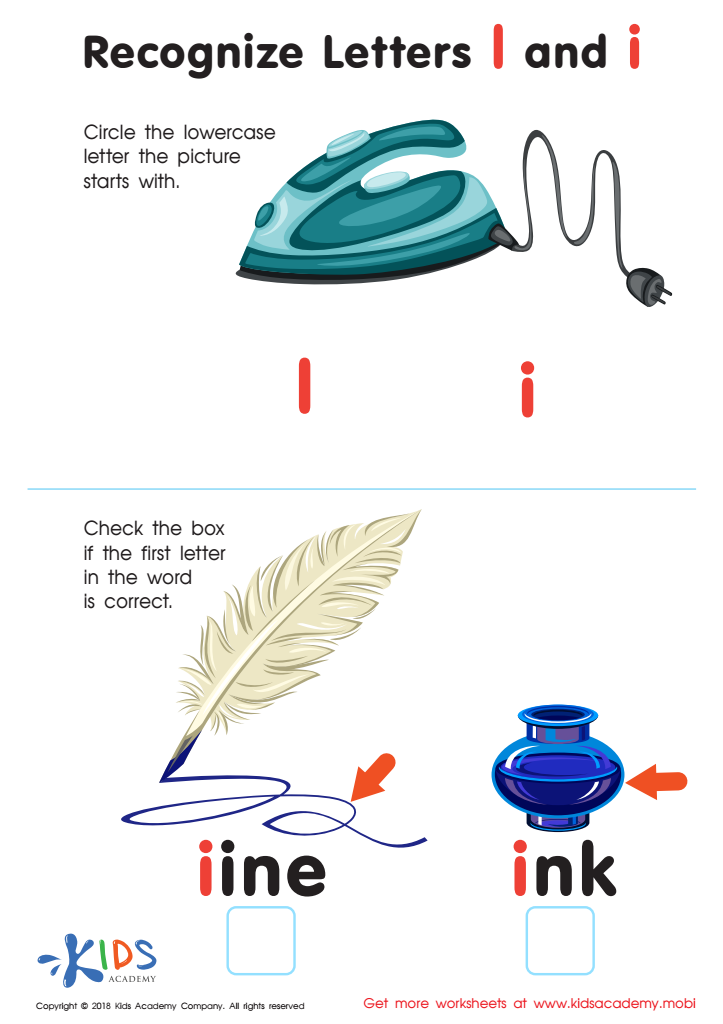
Recognize Letters l and i Worksheet
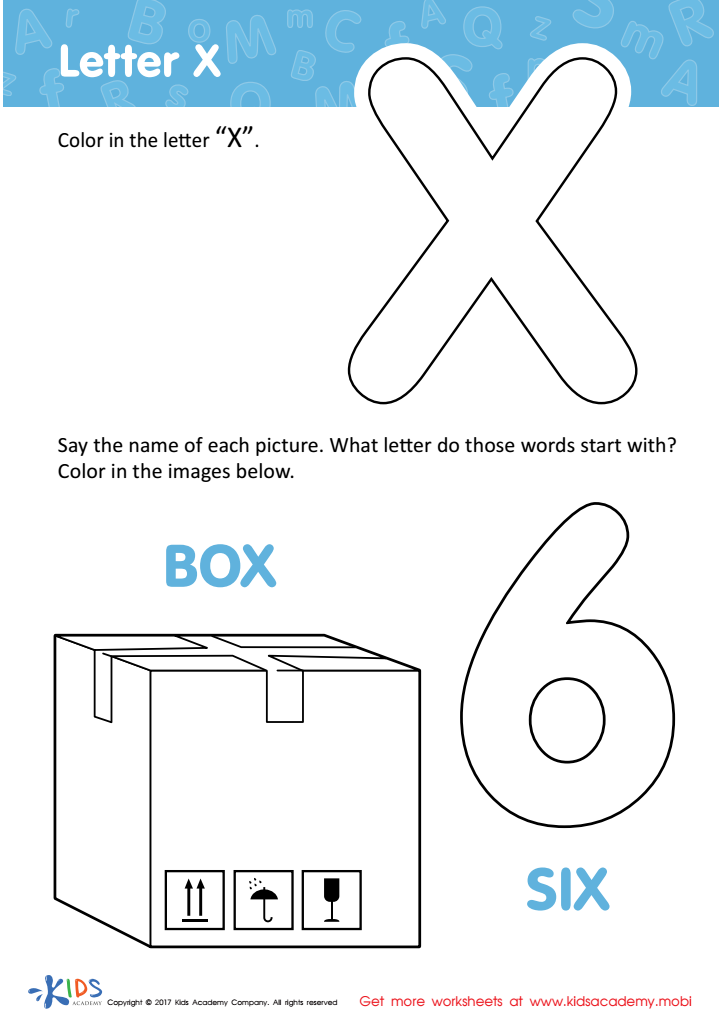
Letter X Coloring Sheet
Assign to My Students








Writing practice and letter recognition are crucial components of early childhood education, particularly for children aged 3-9. These skills serve as the foundation for literacy development, influencing children's ability to read, communicate, and express their thoughts effectively.
First, letter recognition allows children to become familiar with the alphabet, which is essential for reading. When children recognize letters, they can decode words and understand written language, leading to improved reading skills. By engaging in writing practice, children enhance their fine motor skills, gaining coordination needed for future tasks like typing or drawing.
Moreover, these practices foster confidence and encourage self-expression. When children learn to write and recognize letters, they gain a sense of accomplishment, promoting a positive attitude towards learning. Such skills also provide an avenue for creativity, as children explore writing through stories, personal messages, or even simple lists.
For parents and teachers, prioritizing writing and letter recognition is invaluable in supporting a child's educational journey. Creating opportunities for practice at home and in the classroom cultivates a foundational love for learning, ensuring children are well-prepared for their academic future and beyond. Investing in these areas can make a lasting impact on a child's overall development.







