Letter-sound correlation Phonics Worksheets for Ages 3-9
7 filtered results
-
From - To
Discover our engaging Letter-sound correlation Phonics Worksheets designed specifically for children ages 3-9! These interactive worksheets promote essential literacy skills by helping young learners connect letters with their corresponding sounds, fostering a strong foundation in reading. Featuring colorful illustrations and fun activities, our resources cater to various learning styles, ensuring every child can thrive. Parents and educators can easily incorporate these worksheets into their teaching routines at home or in the classroom. Spark your child's love for reading with our exciting phonics worksheets, making learning an enjoyable adventure. Explore the full range and watch your child’s confidence grow!
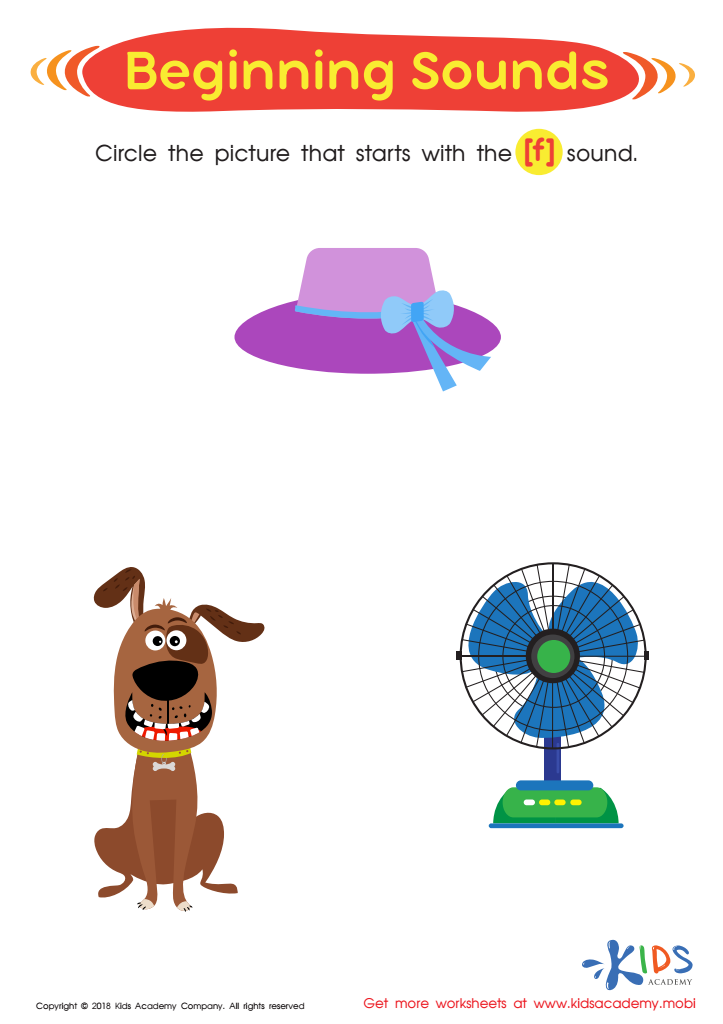
Beginning Sounds Assessment Printable
 Assign to My Students
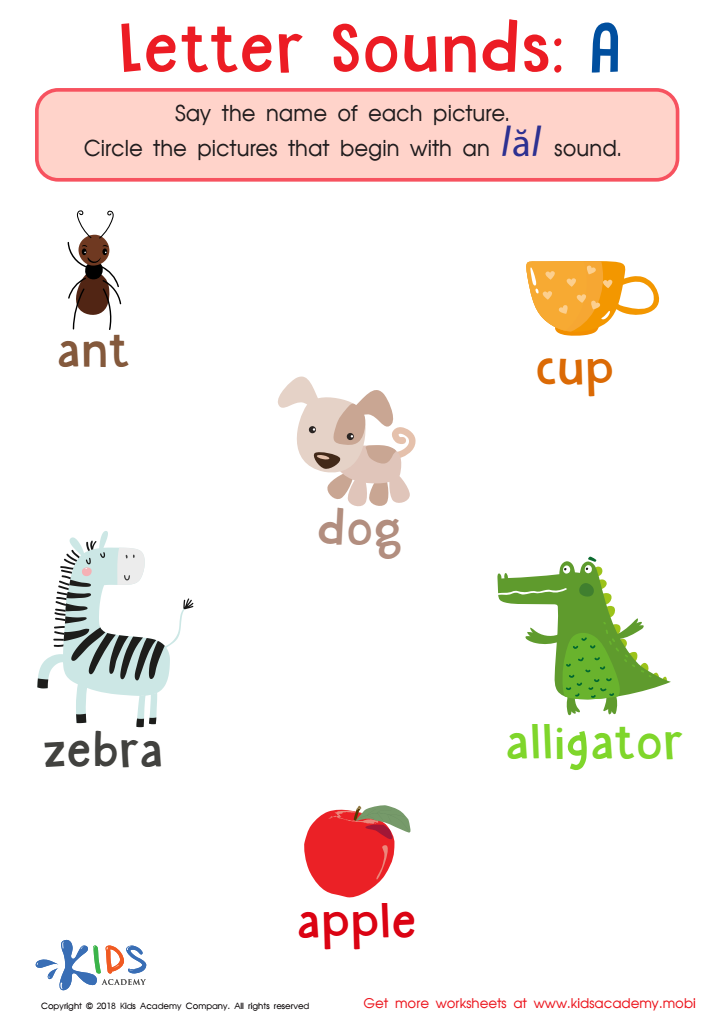
Letter A Sounds Worksheet
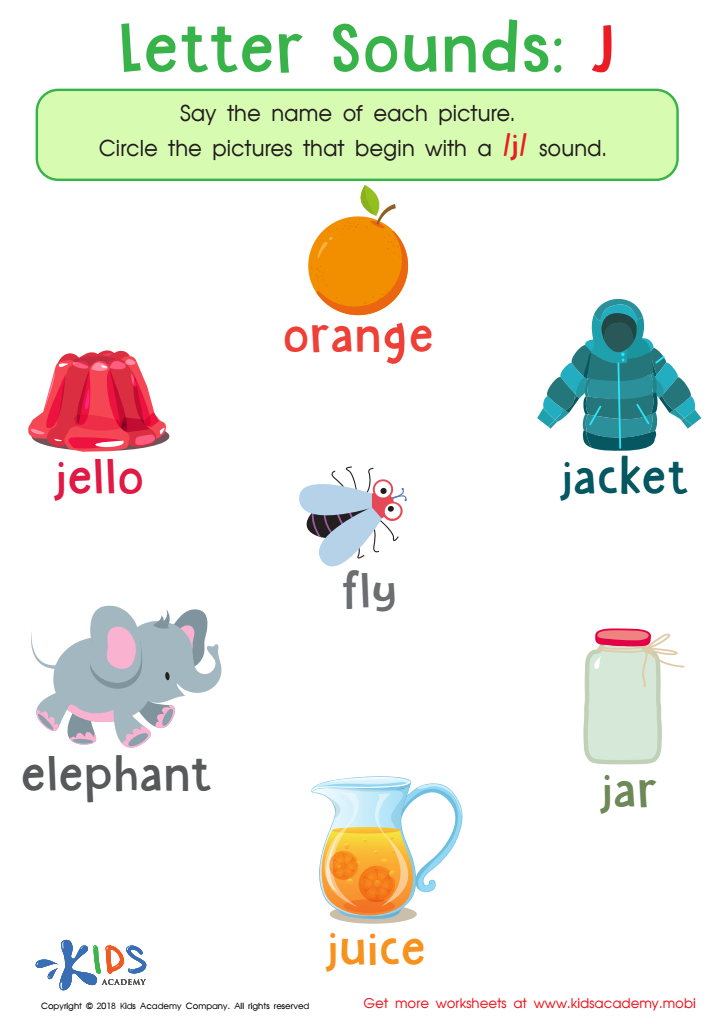
Letter Sounds: J Printable Worksheet
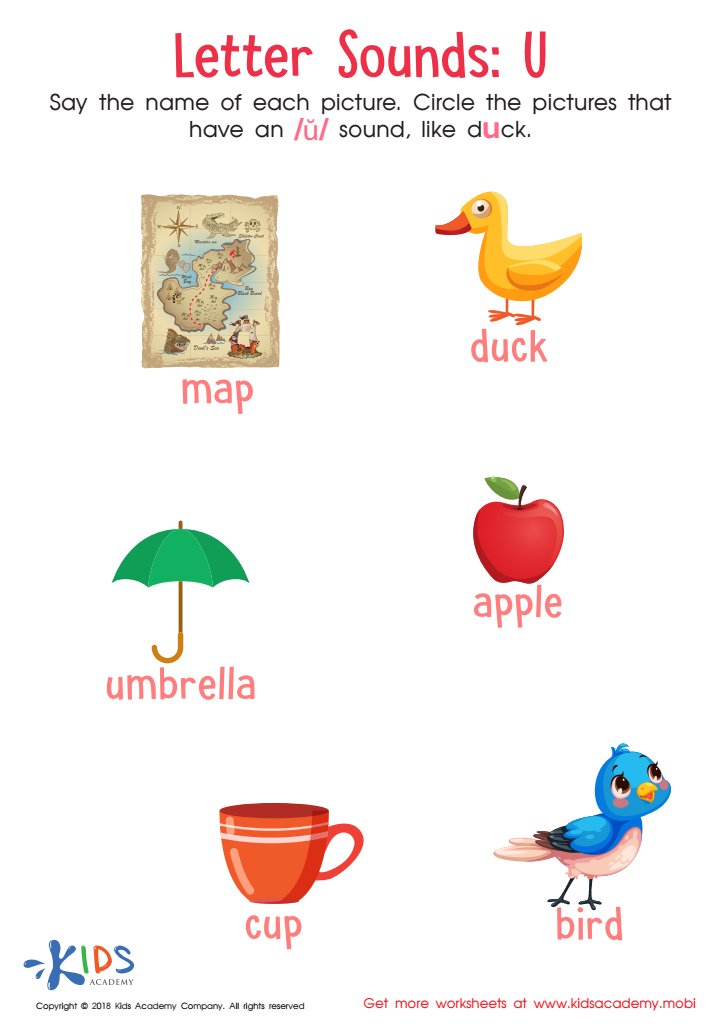
Letter U Sounds Worksheet
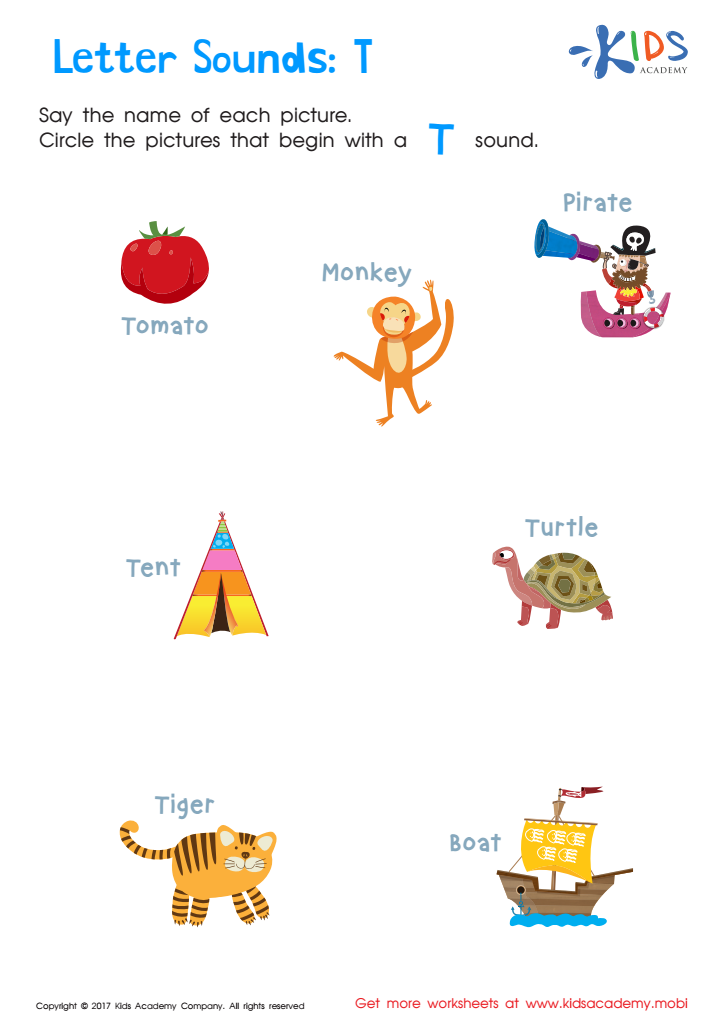
Letter T Sounds Worksheet
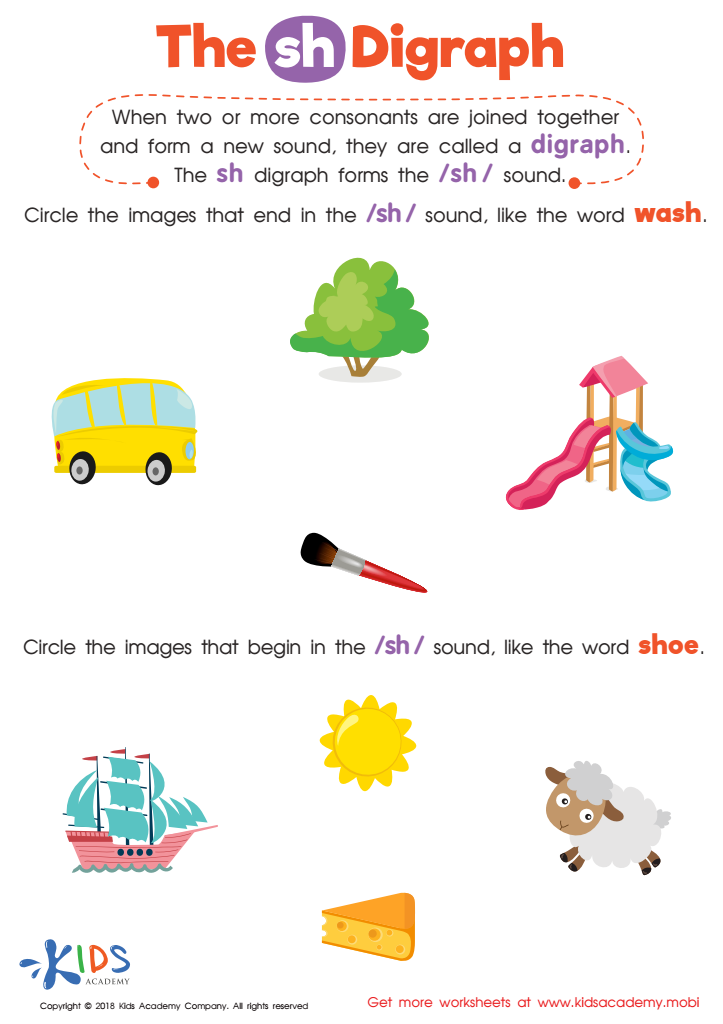
The SH Digraph Worksheet
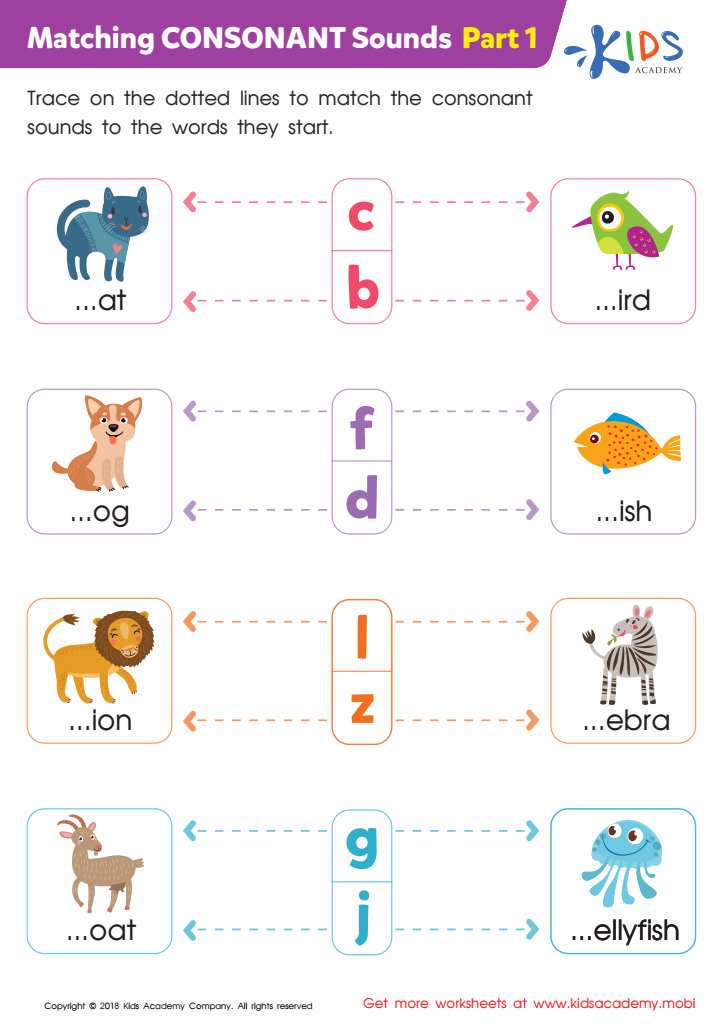
Matching Consonant Sounds: Part 1 Worksheet








Phonics, specifically letter-sound correlation, is fundamental for children aged 3 to 9 as it serves as a cornerstone for reading and writing skills. Understanding how letters correspond to specific sounds empowers children to decode words independently, facilitating early literacy development. When parents and teachers prioritize phonics, they help children recognize that language is made up of sounds and symbols, boosting their ability to pick up reading fluency and comprehension.
Moreover, phonics enhances vocabulary acquisition, as children can break down unfamiliar words into manageable parts, aiding word recognition and language expression. This foundational skill not only fosters confidence in reading but also provides children with tools to navigate more complex texts as they progress in their education.
Additionally, investing in phonics instruction helps address diverse learning needs. For children who may struggle with language processing or reading challenges, a strong phonics background can offer alternative strategies to succeed. Consequently, prioritizing letter-sound correlation in education encourages a lifelong love for reading and supports overall academic success, making it essential for parents and teachers to actively engage in fostering these early skills. By doing so, they set the stage for better literacy and learning outcomes.







