Problem-Solving Skills Phonics Worksheets for Ages 3-9
5 filtered results
-
From - To
Enhance your child's phonics and problem-solving abilities with our engaging worksheets designed for ages 3-9! Our thoughtfully crafted activities combine essential phonics concepts with hands-on problem-solving challenges to promote critical thinking and teamwork skills. Each worksheet features vibrant illustrations and interactive tasks that make learning fun and effective. Perfect for early learners, these resources encourage creativity and exploration while reinforcing literacy skills. Whether at home or in the classroom, our worksheets foster a love for learning through enjoyable exercises that capture children's imagination. Start building a strong foundation for future success in reading and analytical reasoning today!
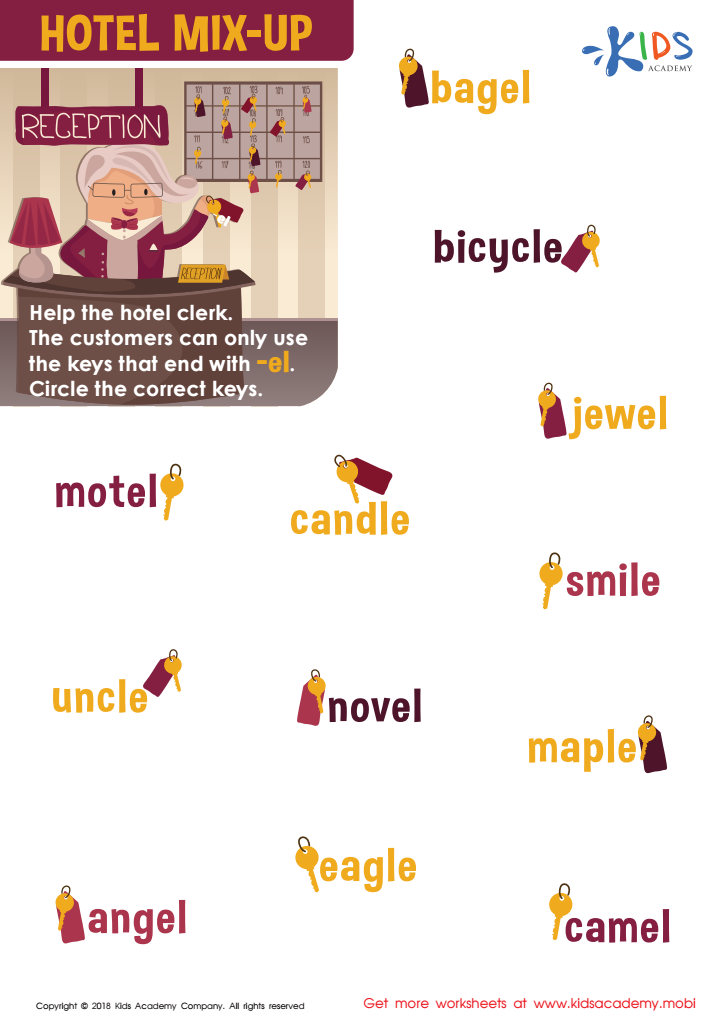
Hotel Mix-up Worksheet
 Assign to My Students
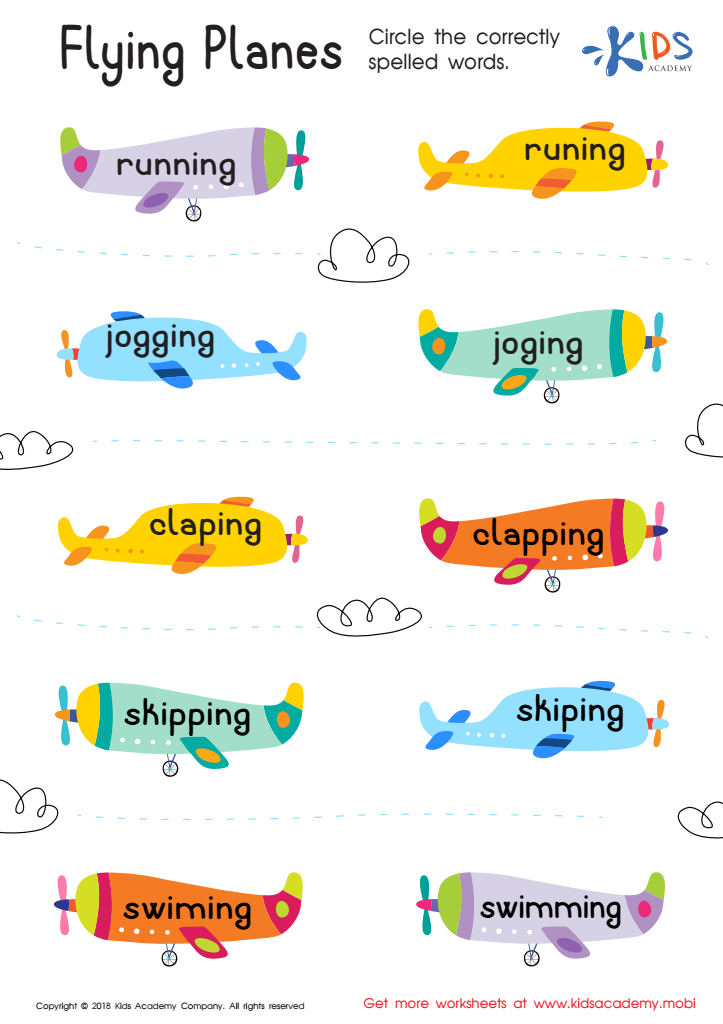
Flying Planes Worksheet
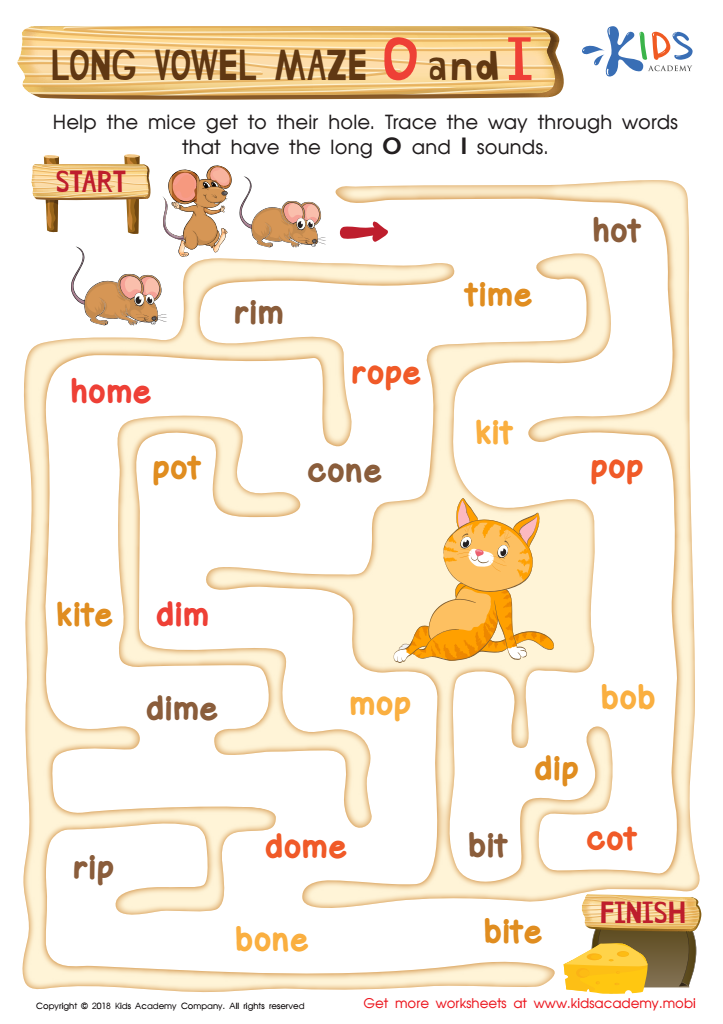
Long Vowel Maze /o/ and /i/ Worksheet
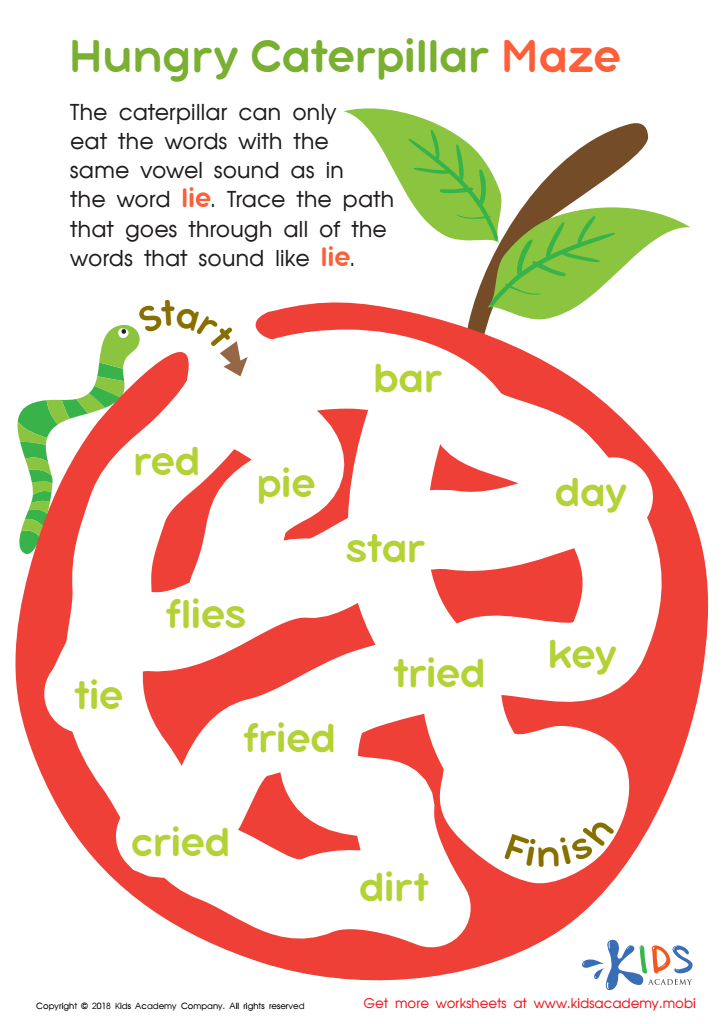
Hungry Caterpillar Maze Worksheet
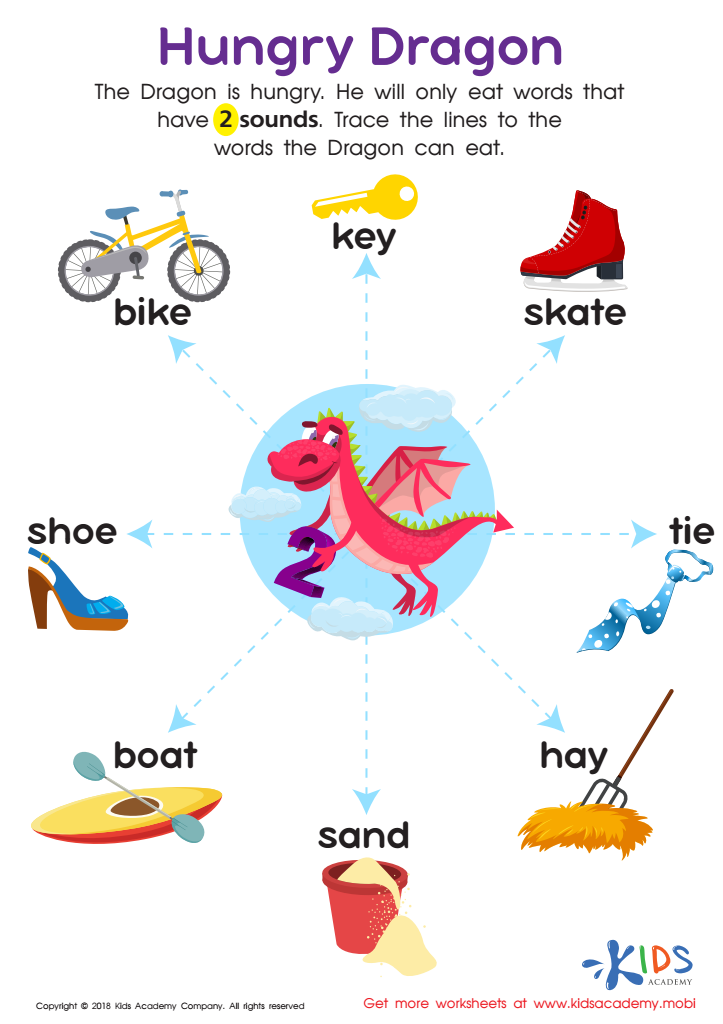
Hungry Dragon Worksheet








Problem-Solving Skills and Phonics are essential components of early childhood education for children aged 3-9, as they play a vital role in cognitive and linguistic development. Parents and teachers should prioritize these skills because they form a foundation for literacy and critical thinking. Phonics, the relationship between letters and sounds, helps children decode words, enhancing their reading abilities. As children learn to read, they gain access to a wealth of knowledge and improve their comprehension skills, which are crucial as they progress through school.
Moreover, problem-solving skills encourage children to think critically and independently. These skills help them tackle challenges, understand situations, and make decisions—abilities that are crucial in both academic and everyday contexts. Teaching problem-solving alongside phonics fosters a holistic learning environment, as children learn to analyze and resolve issues while expanding their vocabulary.
Early mastery of these competencies not only boosts a child's confidence but also promotes a love for learning. By cultivating both phonics and problem-solving skills, parents and teachers equip children with the tools they need to succeed academically and in life. Investing time in nurturing these abilities lays the groundwork for future educational achievements and social interactions. Ultimately, caregivers play an essential role in shaping resilient and capable learners.







