Reading development Phonics Worksheets for Ages 3-9
5 filtered results
-
From - To
Unlock your child’s reading potential with our Phonics Worksheets for Ages 3-9! Designed to enhance reading development, our age-appropriate activities aid kids in mastering phonemic awareness and letter sounds. Fun, engaging exercises introduce essential phonics concepts, laying a solid foundation for fluent reading. From recognizing simple letter sounds to decoding complex words, our printable worksheets support every step of your child's literary journey. Beautifully crafted and easy to follow, these resources transform learning into an enjoyable adventure. Help your child reach their reading milestones confidently with Kids Academy’s expertly designed phonics worksheets today!
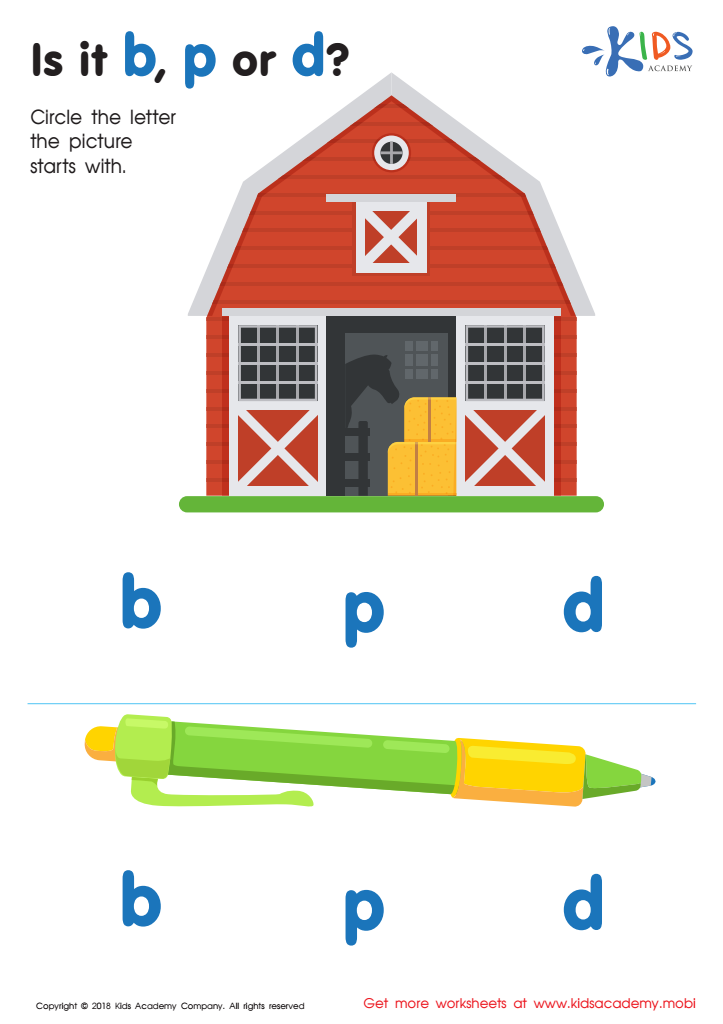
Is it b, p or d? Worksheet
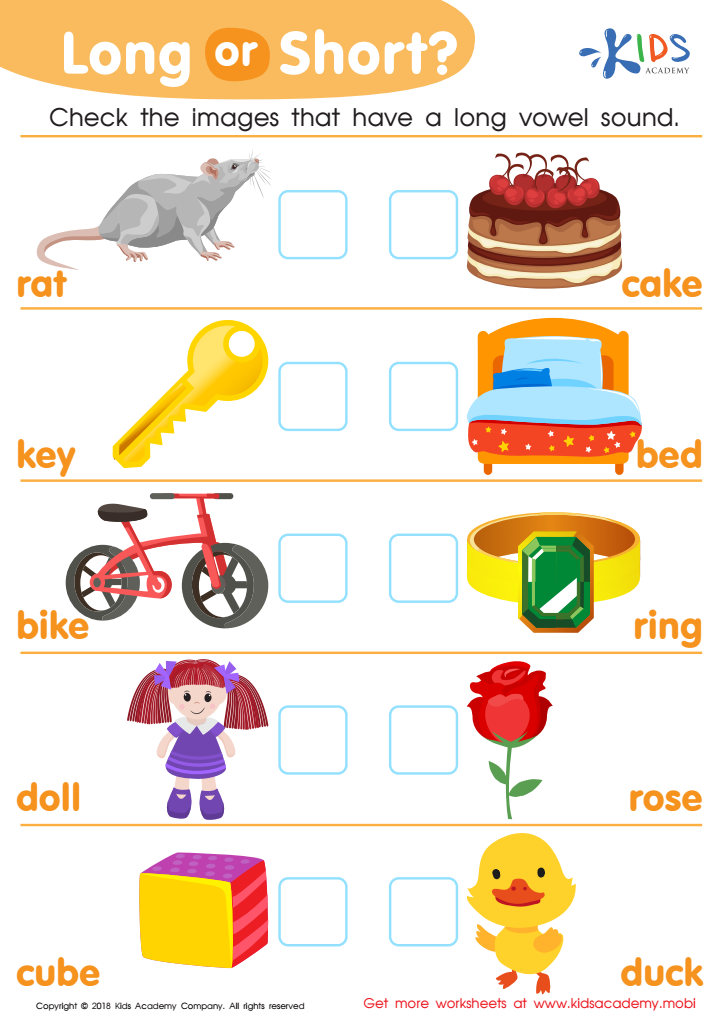
Long or Short Reading Worksheet
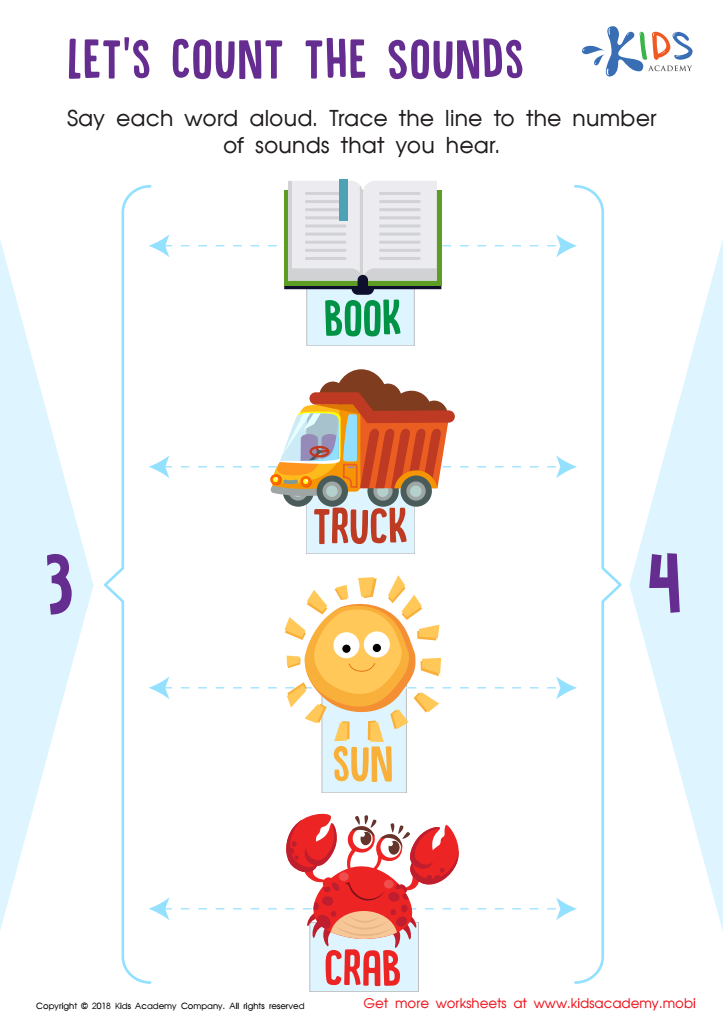
Let's Count the Sounds Worksheet
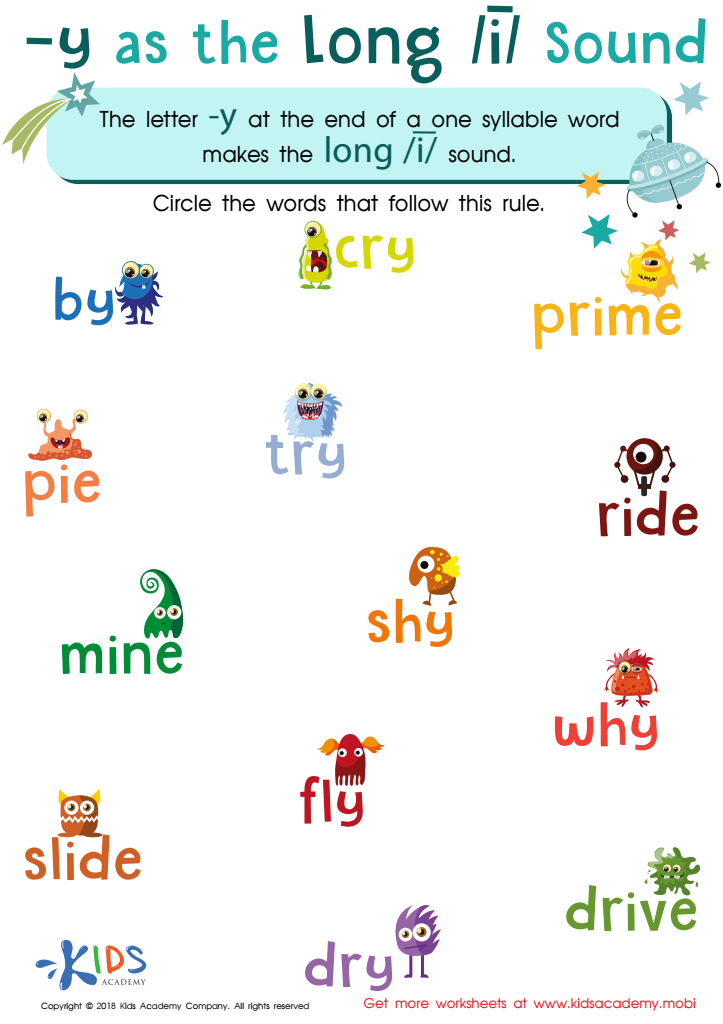
Reading: Y as Long I Worksheet
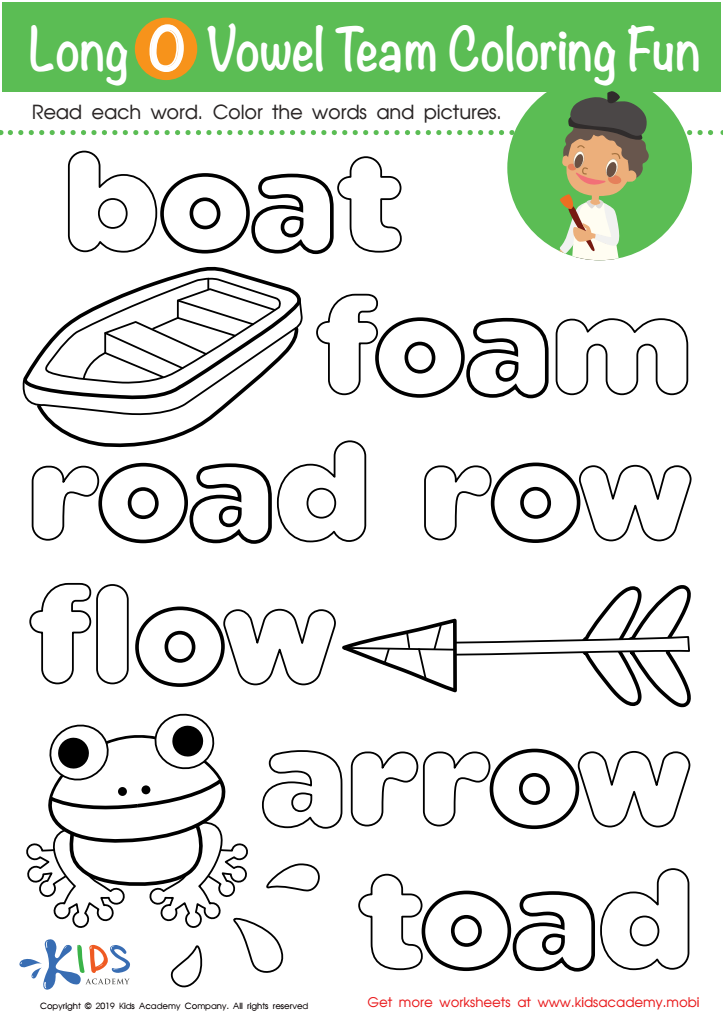
Long O Vowel Team Coloring Worksheet
 Assign to My Students








Reading development, particularly phonics instruction, is critical for children aged 3-9 because it lays the foundational skills necessary for lifelong literacy. Phonics involves teaching the relationships between letters and sounds, which is essential for decoding words and reading fluently. Here’s why parents and teachers should prioritize this:
-
Cognitive Development: During these early years, children’s brains are incredibly receptive to learning new skills, including the patterns of language. Effective phonics instruction helps strengthen neural pathways involved in reading.
-
Literacy Skills: Phonics provides the building blocks for phonemic awareness, vocabulary development, and reading comprehension. Children who master these skills are better prepared to handle more complex texts as they grow.
-
Academic Success: Numerous studies indicate that early reading proficiency is linked to higher academic achievement across all subjects. By focusing on phonics, parents and teachers give children the tools they need to succeed academically.
-
Confidence and Motivation: Successfully decoding words boosts a child’s confidence and motivation to read. Positive reading experiences encourage a lifelong love of books and learning.
-
Intervention and Support: Early detection of reading difficulties allows for timely interventions. Identifying challenges in phonics can lead to targeted strategies to support struggling readers before they fall behind.
Investing in phonics during these formative years sets children on a path to reading proficiency, academic success, and a lifelong enjoyment of reading.







