Alphabet Recognition Tracing Letters Worksheets for Ages 3-9 - Page 2
28 filtered results
-
From - To
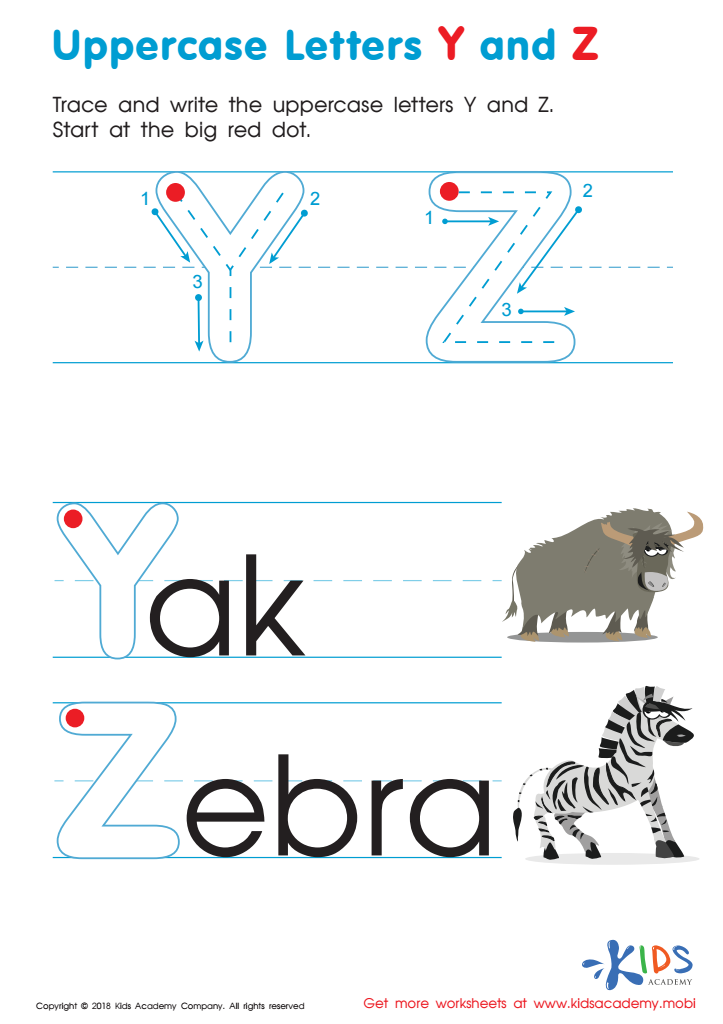
Uppercase Letters Y Z Worksheet
 Assign to My Students
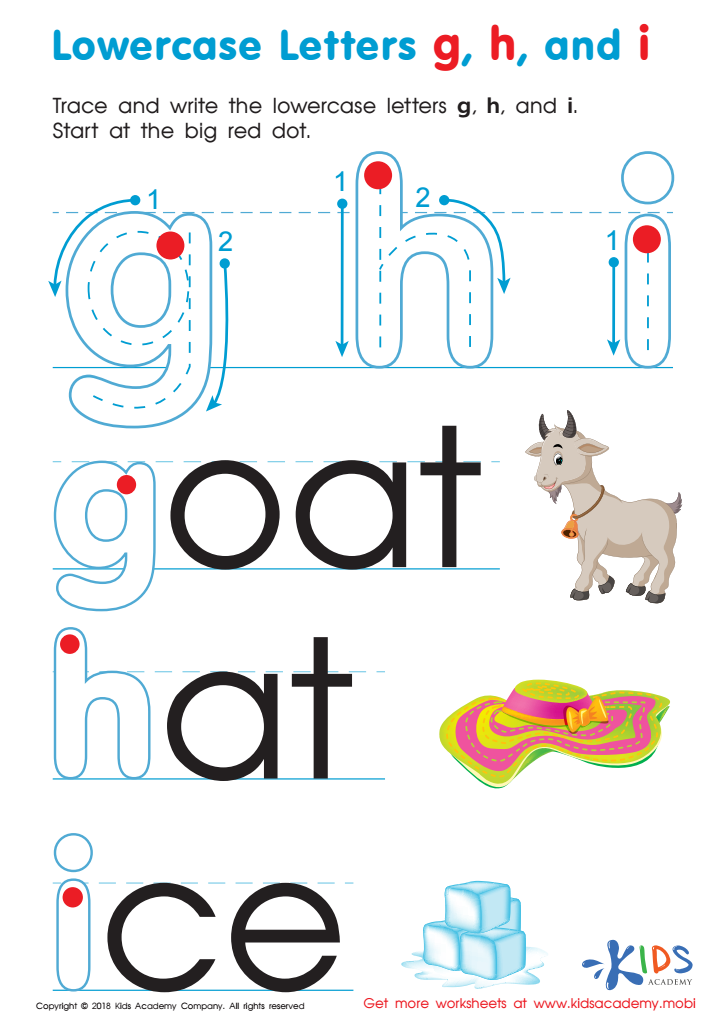
Lowercase Letters g h i Worksheet
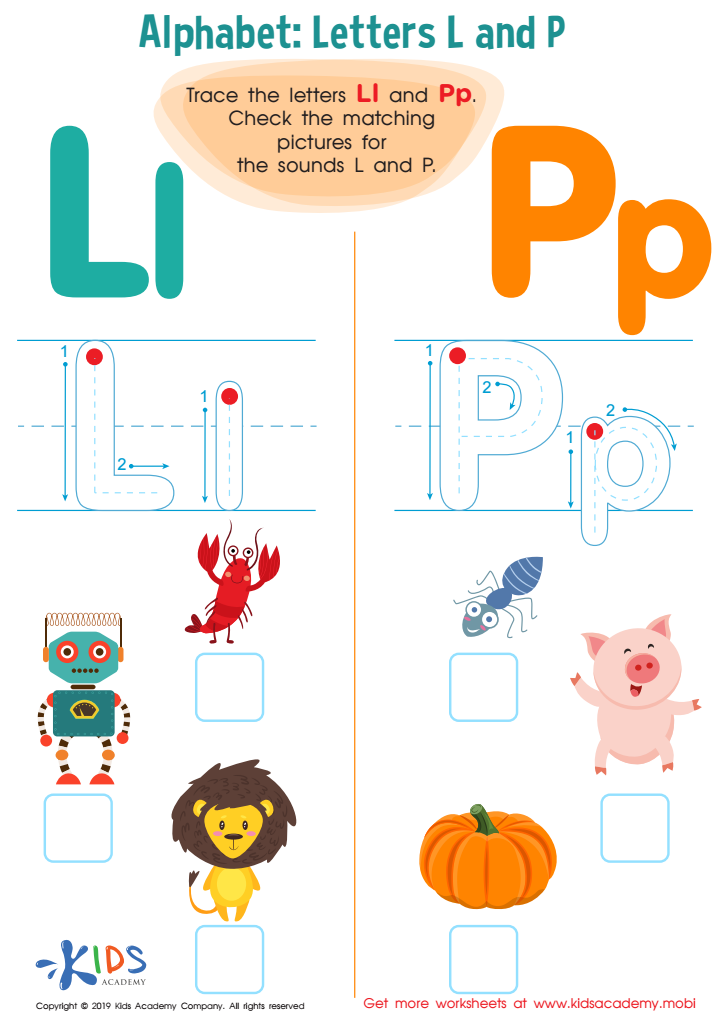
Letter L and P Tracing Worksheet
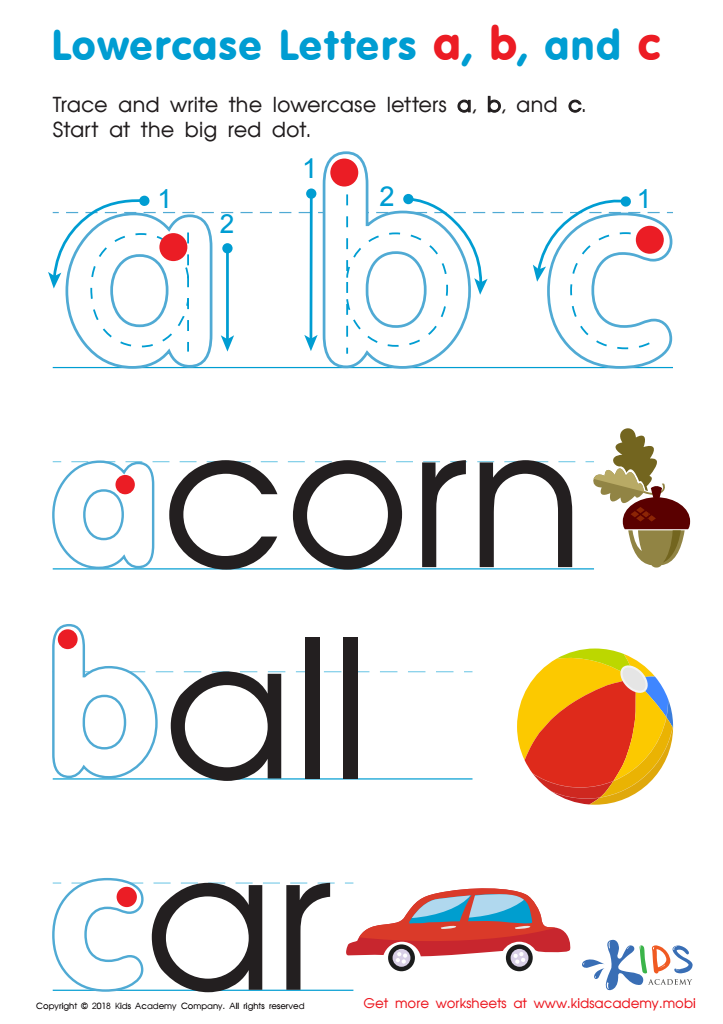
Lowercase Letters a b c Worksheet








Alphabet Recognition and Tracing Letters for children ages 3-9 are foundational skills that significantly influence a child's academic success and overall cognitive development. At these formative years, children are rapidly developing fine motor skills, and tracing letters serves as an effective way to enhance these abilities. When children engage in tracing letters, they improve hand-eye coordination and muscle memory, making future writing activities easier and more precise.
Beyond the physical aspects, alphabet recognition lays the groundwork for reading and writing. Knowing and recognizing letters are the first steps towards phonemic awareness, which is crucial for understanding the relationship between letters and sounds. This understanding directly impacts reading fluency and comprehension. When children can easily identify letters and can form them through tracing, they are more likely to become confident readers and writers.
Moreover, engaging in tracing activities fosters concentration and attention to detail. As children focus on tracing each letter accurately, they develop perseverance and problem-solving skills. These cognitive skills extend beyond literacy, benefiting other academic areas such as math and science.
Incorporating alphabet recognition and tracing into early education provides children with the essential tools needed for future academic achievement and intellectual growth, making it a critical area of focus for parents and teachers alike.








