Color recognition Plants Worksheets for Ages 3-9
5 filtered results
-
From - To
Explore our engaging "Color Recognition Plants Worksheets" designed for children ages 3-9. These fun and interactive resources help young learners identify and distinguish various colors through beautifully illustrated plant-themed activities. Each worksheet enhances color recognition skills while promoting creativity and fine motor abilities through coloring and tracing exercises. Ideal for home or classroom use, these worksheets encourage kids to connect with nature while developing their artistic talents. Parents and educators can download and print these worksheets easily to provide a fun, educational experience that fosters a love for learning. Start your child’s colorful adventure with our vibrant plant worksheets today!
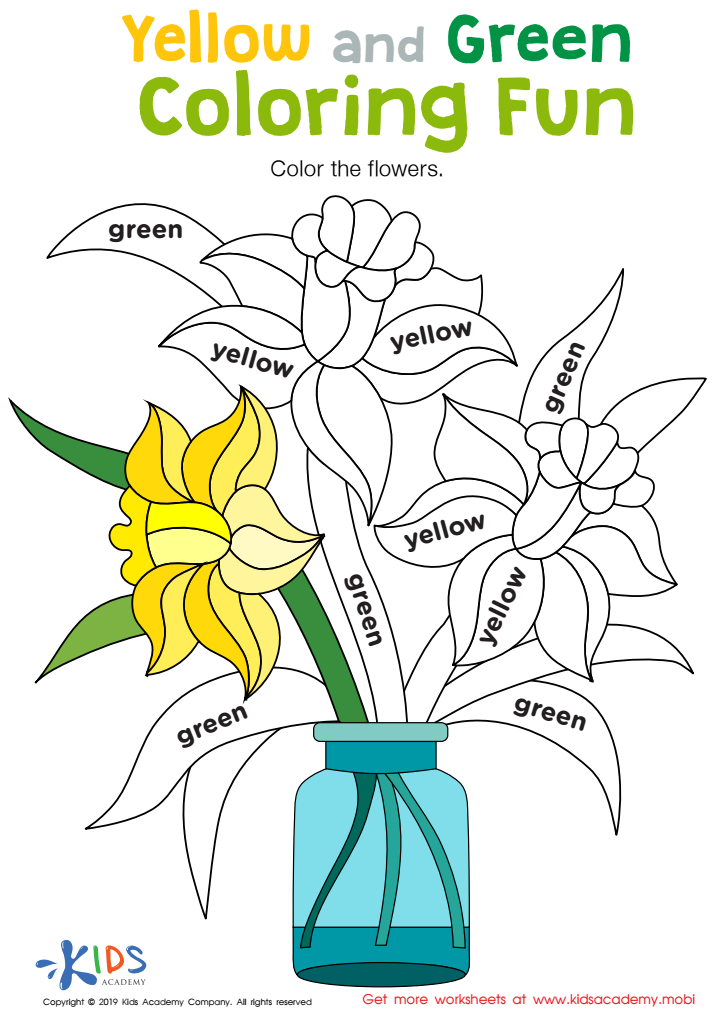
Yellow and Green Coloring Fun Worksheet
 Assign to My Students

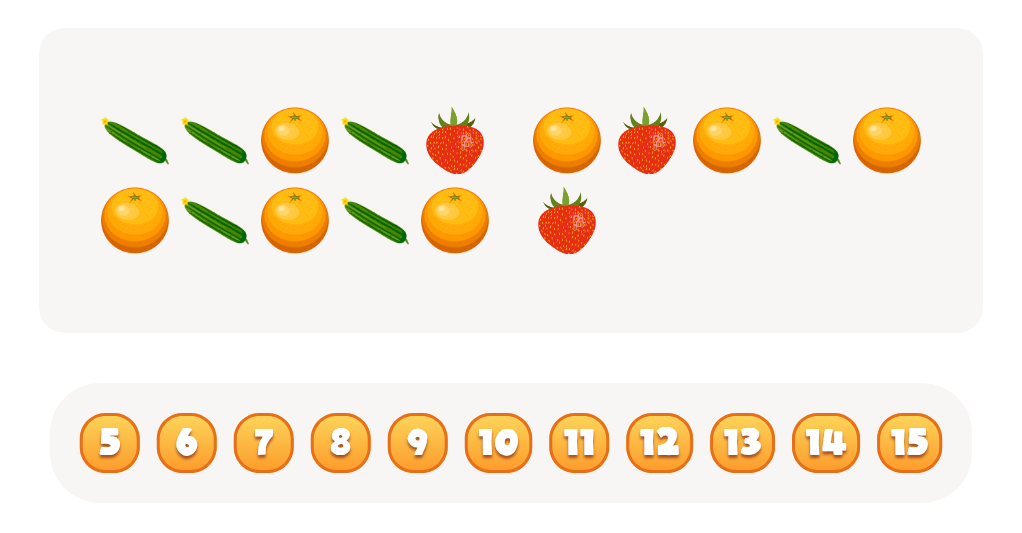
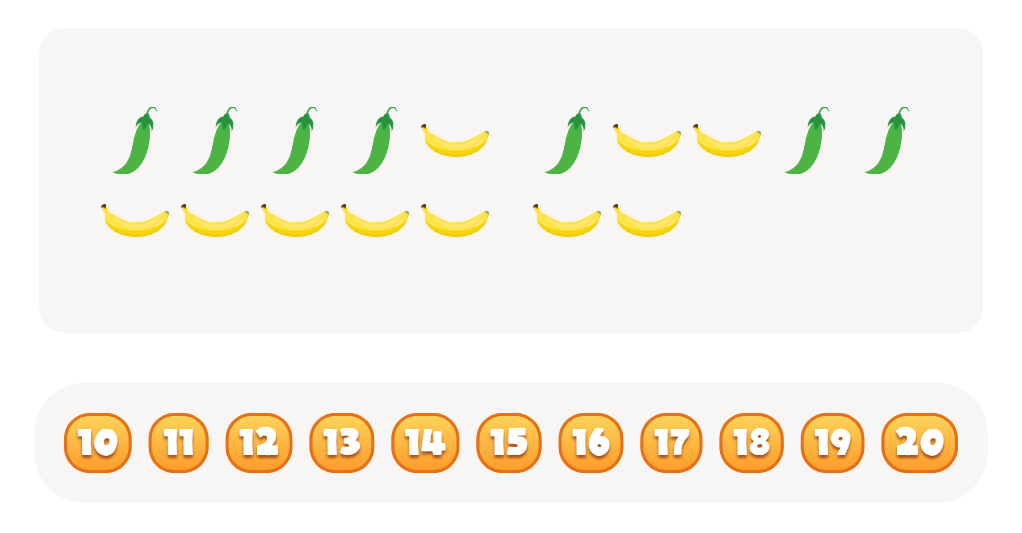
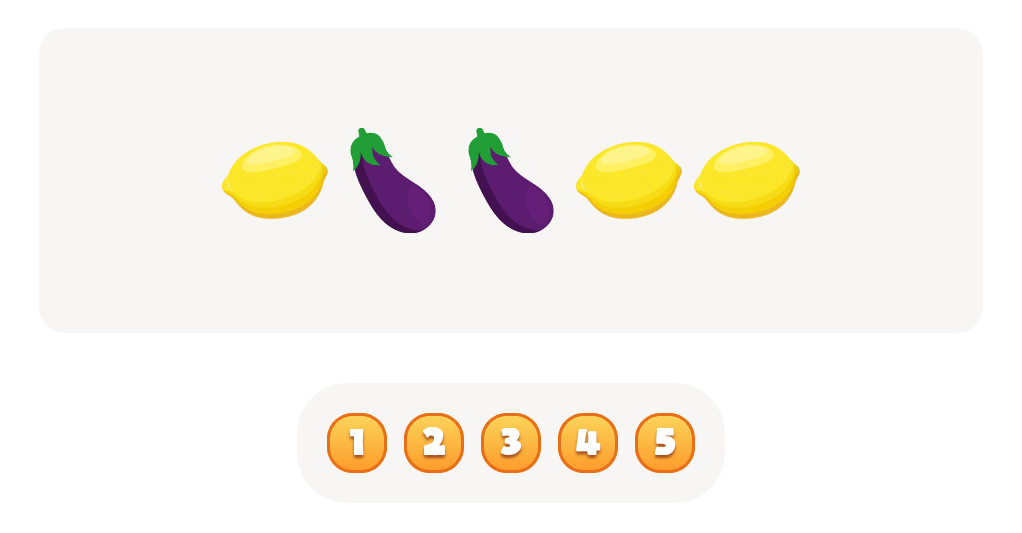
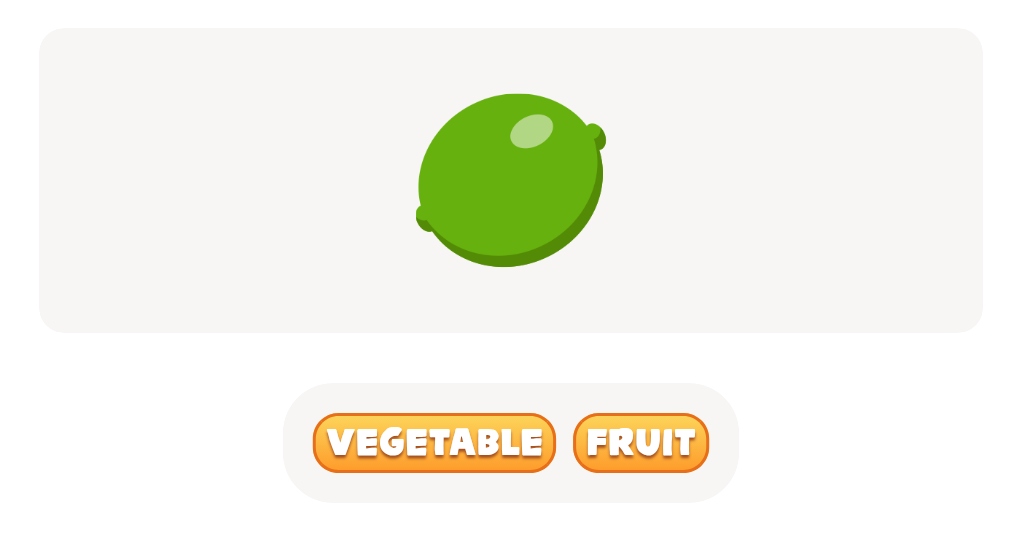
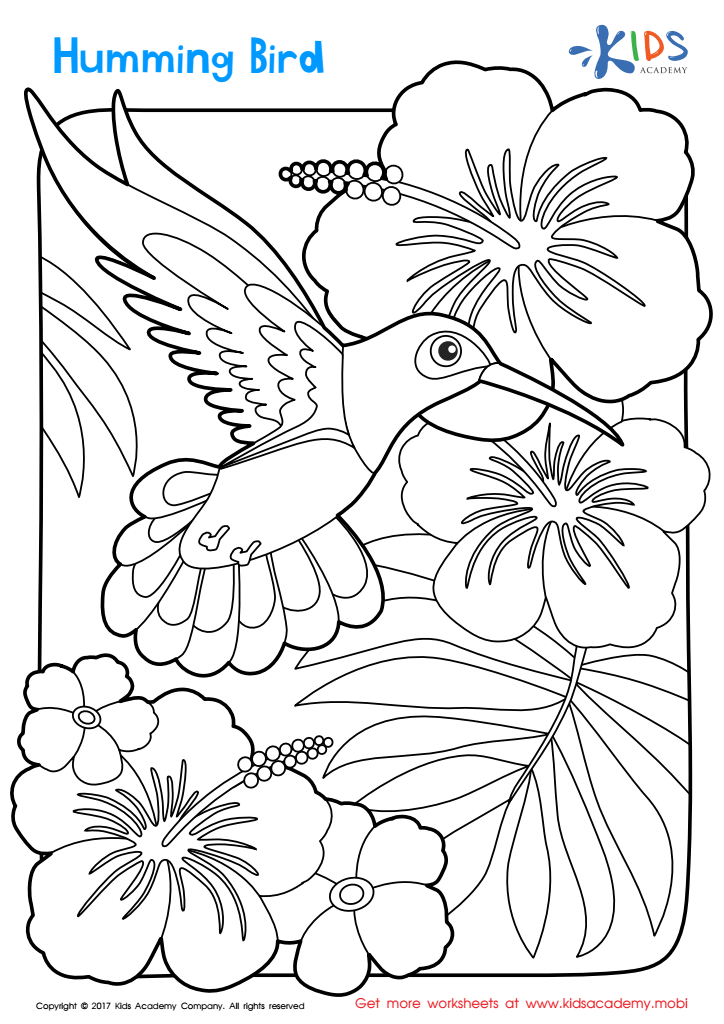
Humming Bird Worksheet
Assign to My Students
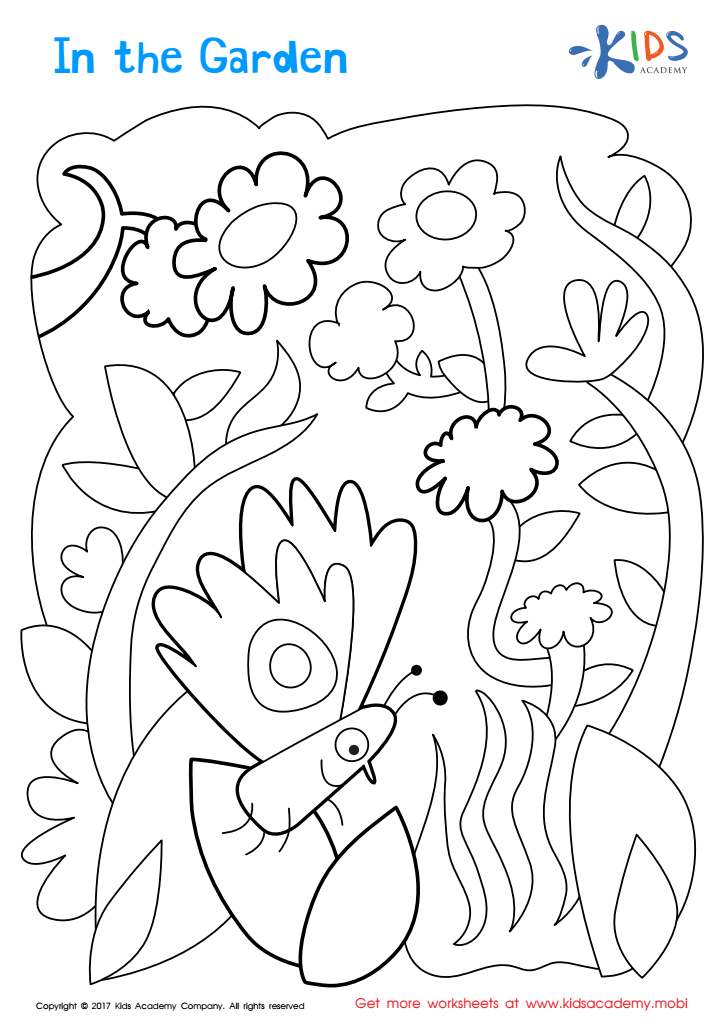
In The Garden Coloring Page
Assign to My Students
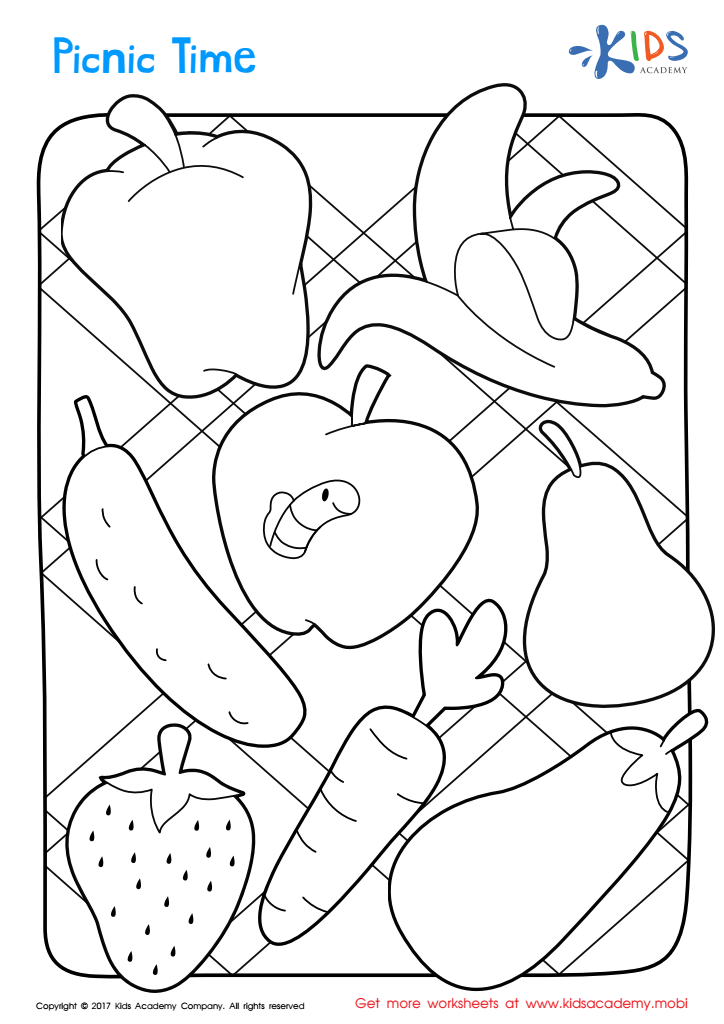
Picnic Time Coloring Page
Assign to My Students
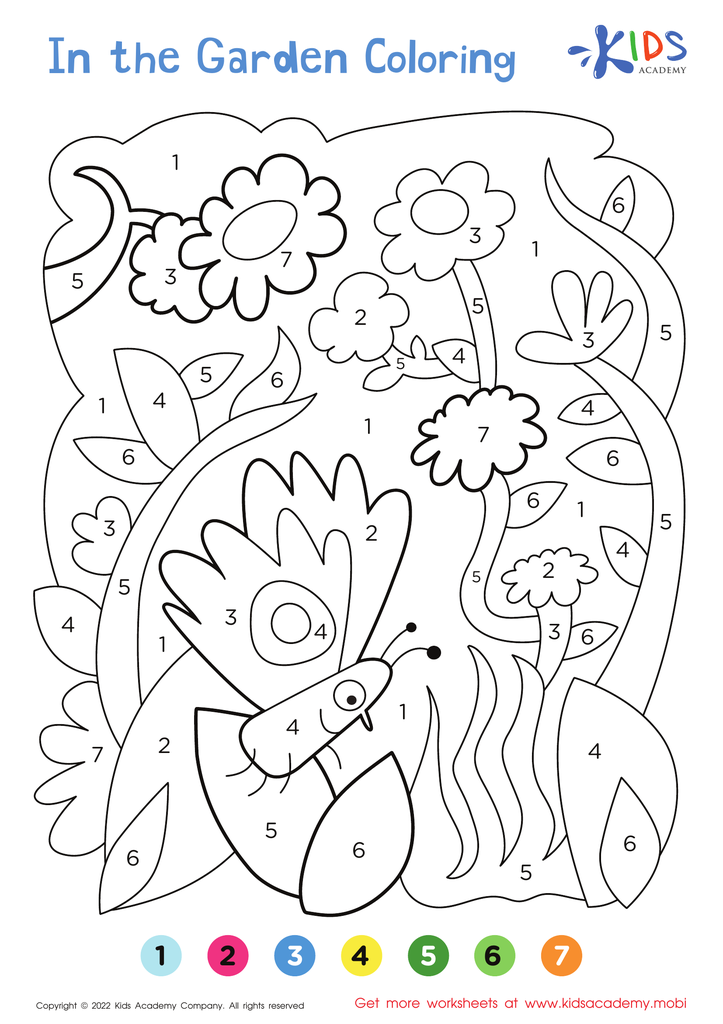
In the Garden – Coloring by Numbers







Color recognition in plants is an essential aspect of early childhood education that can significantly benefit children aged 3-9. Teaching young learners about colors through plants not only fosters their recognition skills but also deepens their connection to nature. As children identify different colors in plants like flowers, leaves, and fruits, they engage in sensory exploration, enhancing their cognitive development.
Engaging with nature sparks curiosity and provides hands-on learning experiences. For instance, noticing the vibrant red of a tomato or the rich green of a fern generates excitement and encourages children to ask questions, exploring concepts of biodiversity, habitat, and growth. Furthermore, color recognition lays a foundation for more advanced skills, such as categorization, comparison, and even early scientific inquiry.
Involving parents and teachers in this process promotes collaborative learning. Activities like color-scavenger hunts in gardens or crafting with plant materials can strengthen family bonds and provide valuable teaching moments. Overall, recognizing colors in plants enriches young minds, promotes emotional well-being by fostering a sense of wonder, and encourages a sustainable mindset, ultimately nurturing future stewards of the environment. Prioritizing this playful learning approach is key to holistic development in early education.