Analyzing data Worksheets for Ages 3-9
12 filtered results
-
From - To
Unlock your child's potential with our fun and engaging Analyzing Data Worksheets for ages 3-9 at Kids Academy! Perfectly crafted for young learners, these printable worksheets transform data analysis into an exciting adventure. Each activity helps develop critical thinking skills, while fostering a strong foundation in math and science. Our age-appropriate tasks engage children through the use of colorful charts, graphs, and real-life scenarios, making learning both relevant and enjoyable. Download now to encourage your child's curiosity and boost their analytical abilities in a playful and interactive way! Explore the joy of learning with Kids Academy today.
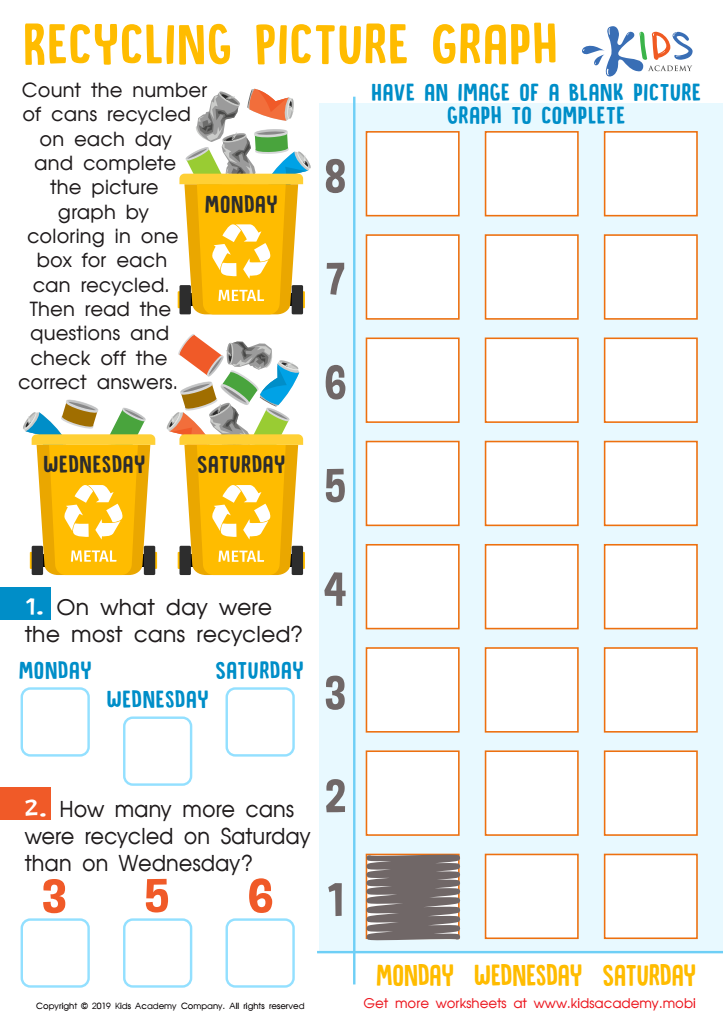
Recycling Picture Graph Worksheet
 Assign to My Students
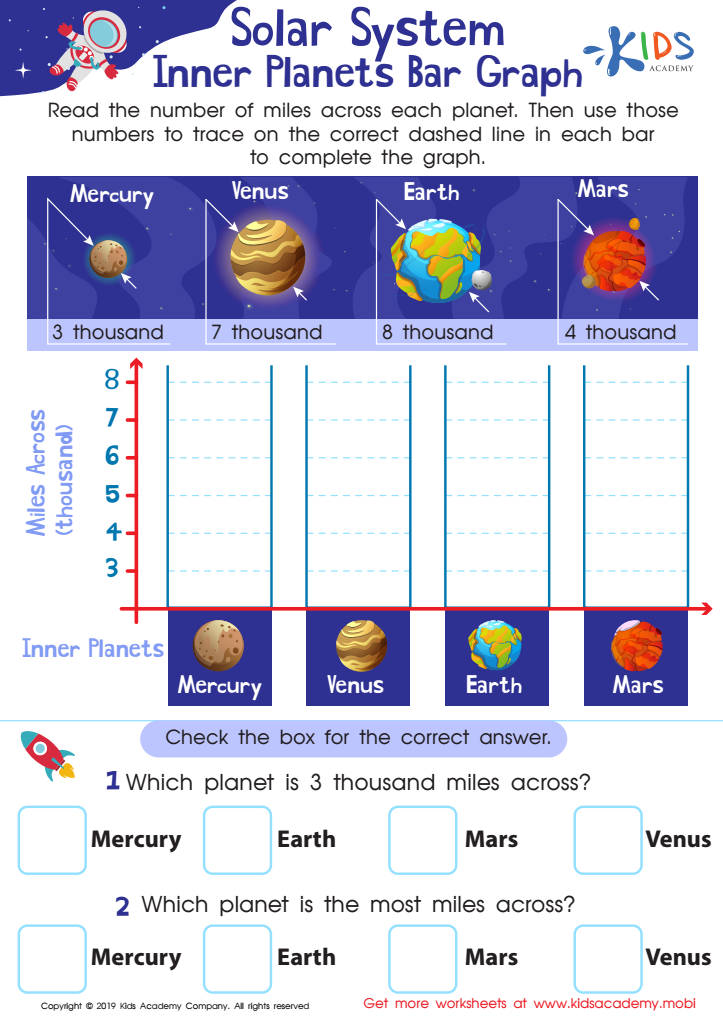
Planets Bar Graph Worksheet
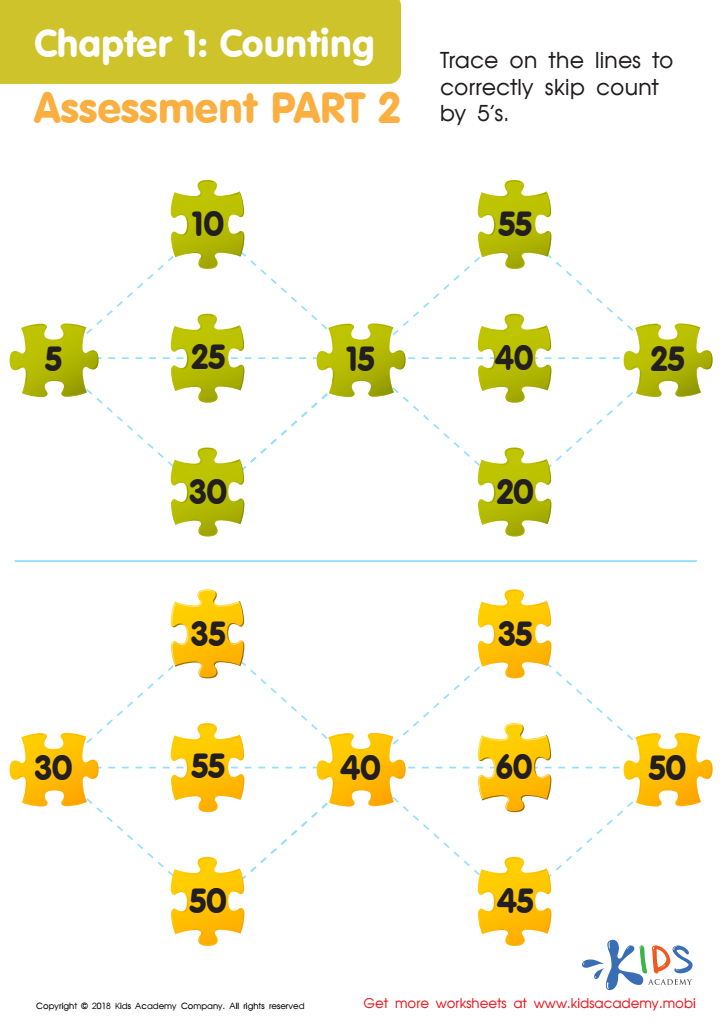
Counting: Assessment 2 Worksheet
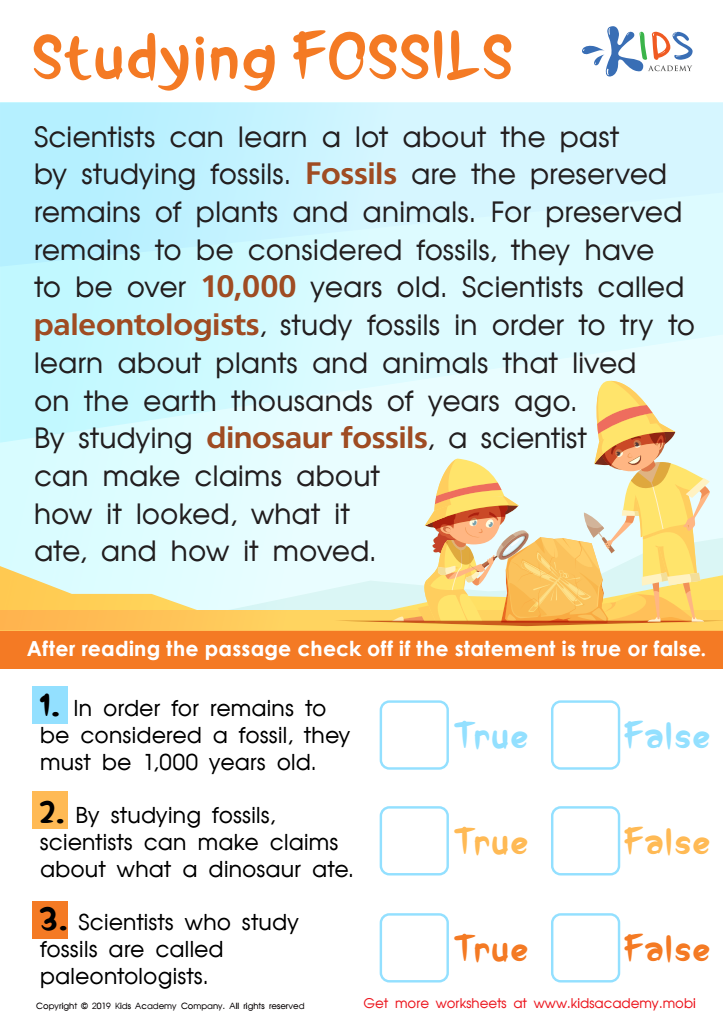
Studying Fossils Worksheet
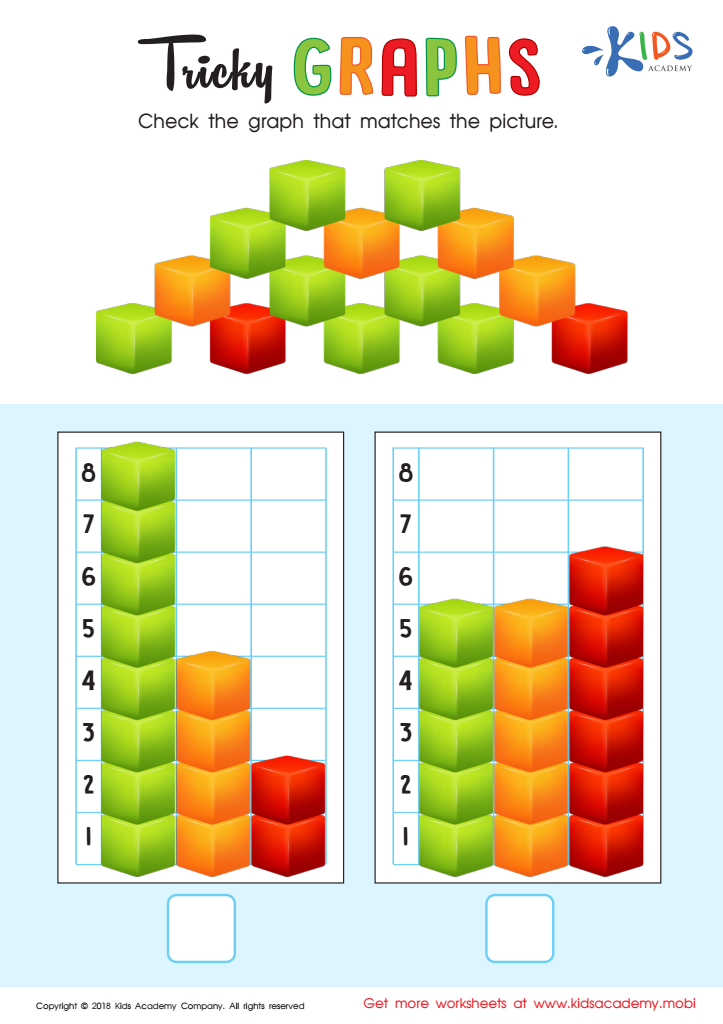
Tricky Graphs Worksheet
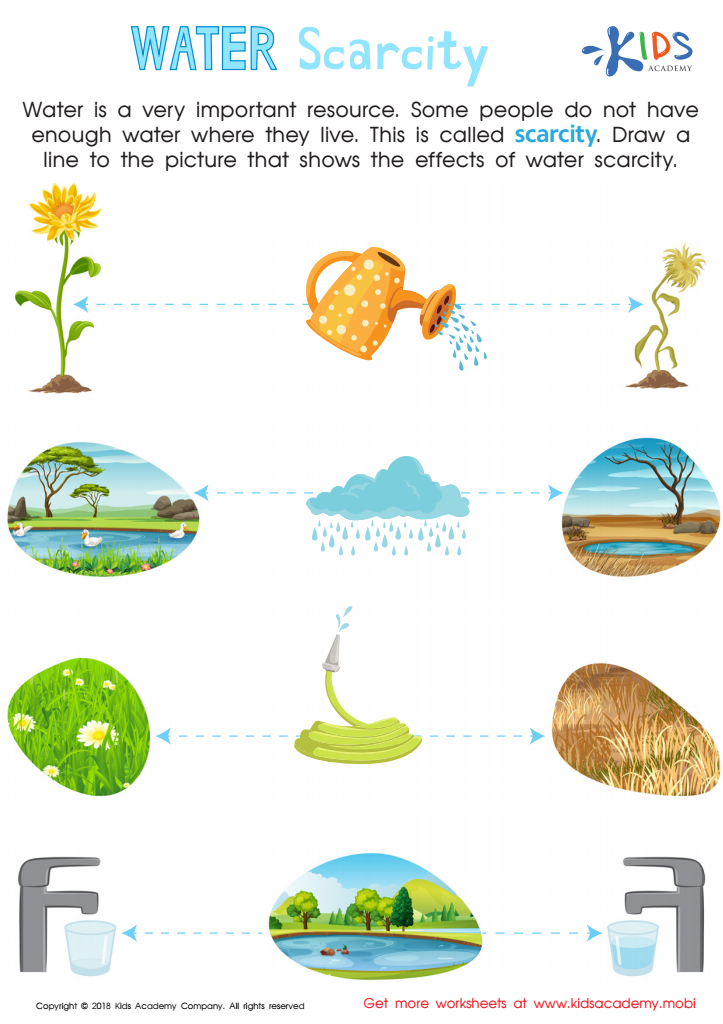
Water Scarcity Worksheet
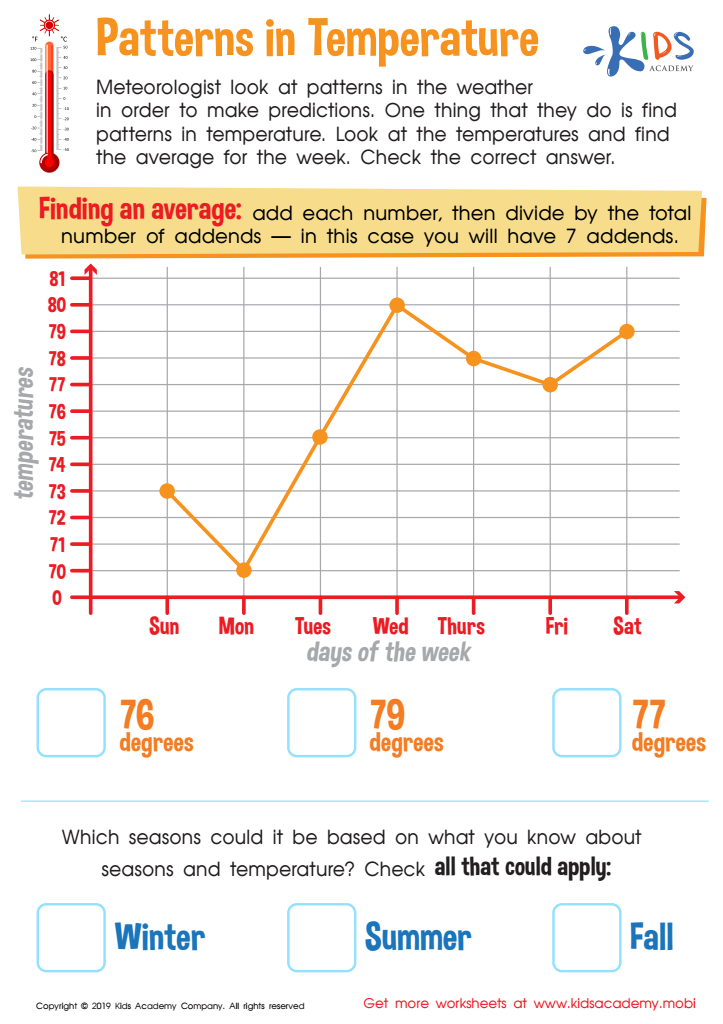
Patterns in Temperature Worksheet
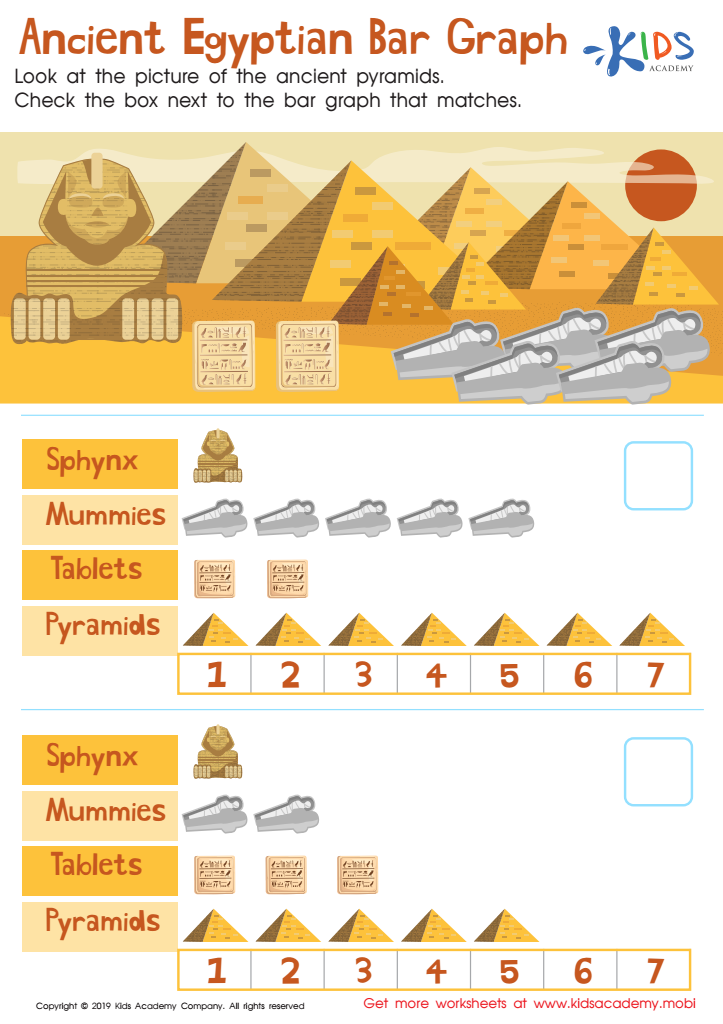
Egyptian Bar Graph Worksheet
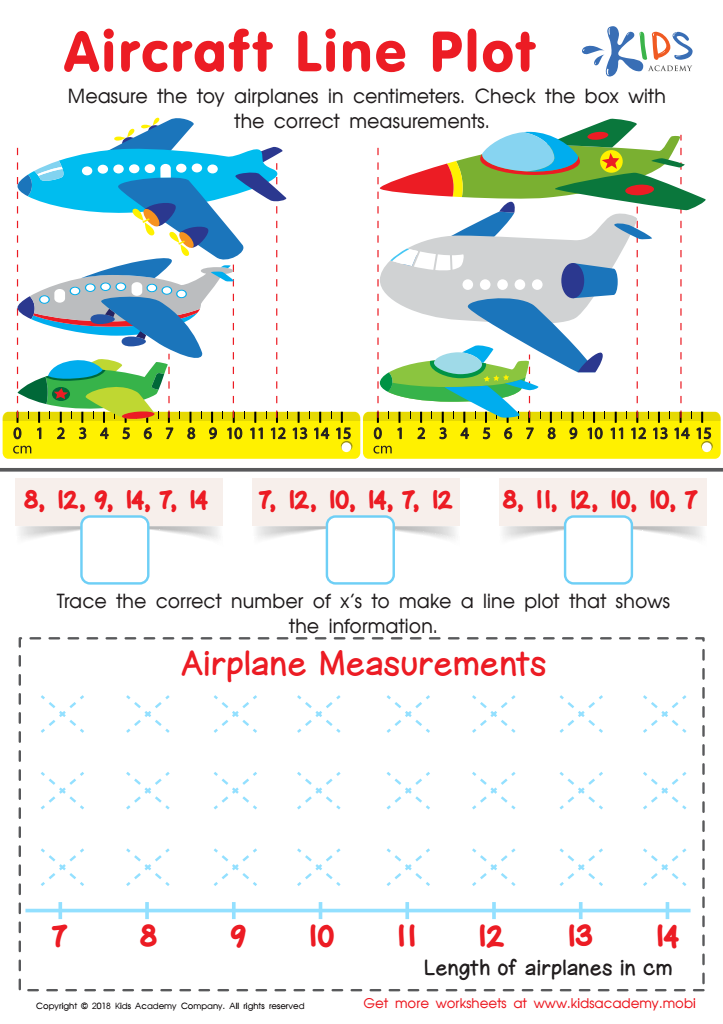
Aircraft Line Plot Worksheet
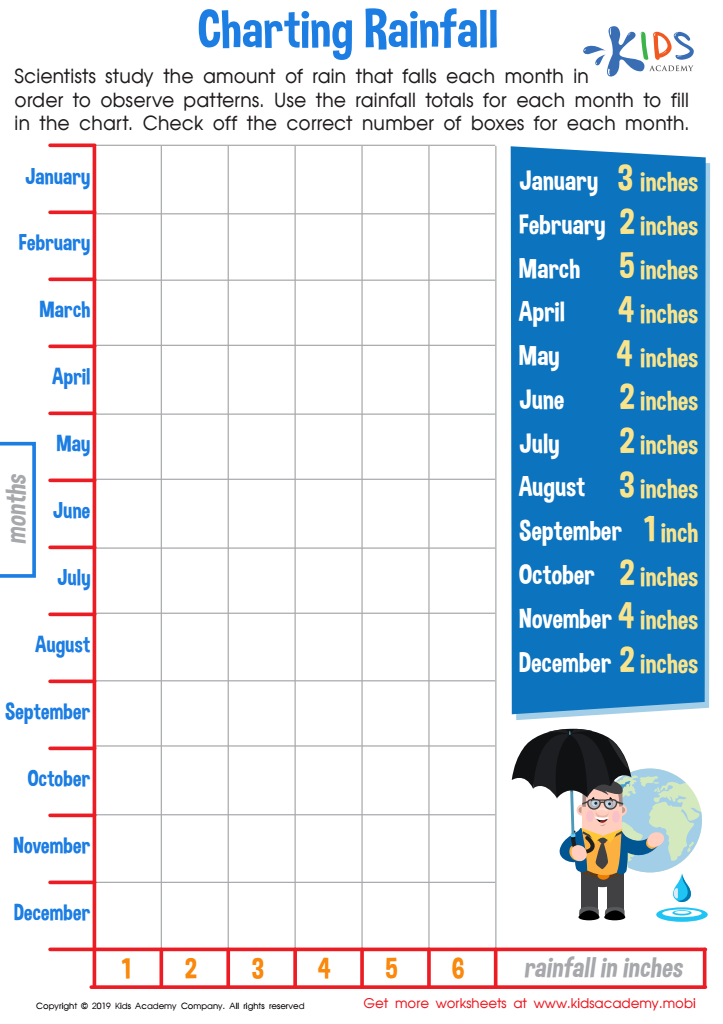
Charting Rainfall Worksheet
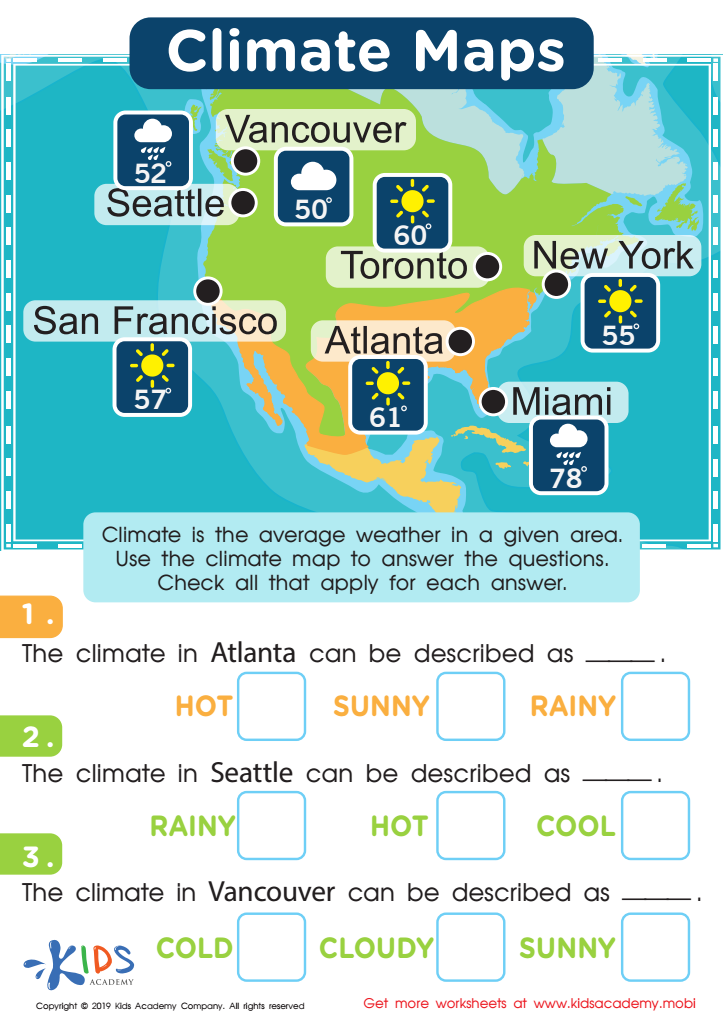
Climate Maps Worksheet








Analyzing data for children aged 3-9 is crucial for both parents and teachers because it provides deep insights into a child's developmental progress in cognitive, social, emotional, and physical areas. During these formative years, children experience rapid growth and changes, and data analysis can track these changes effectively.
For parents, data can help identify their child's strengths and areas requiring additional support, enabling informed decisions about interventions or enrichment activities. They can monitor milestones, such as language development or social skills, and ensure that the child's needs are met adequately at home.
Teachers benefit from data analysis by tailoring instruction to meet each child's unique needs, thus fostering an inclusive learning environment. By understanding specific patterns, teachers can create individualized learning plans, target skill gaps, and employ evidence-based strategies to aid development. Early detection of learning difficulties, such as dyslexia or speech delays, allows for timely professional intervention, boosting the child’s confidence and academic growth.
Moreover, on a broader scale, analyzed data aids in curriculum development and resource allocation within educational settings, ensuring all children receive the best possible foundation for future learning.
In essence, timely and accurate data analysis promotes personalized support, drives strategic educational planning, and ensures children build strong, foundational skills for lifelong success.








