Animal recognition Worksheets for Ages 3-9 - Page 3
121 filtered results
-
From - To
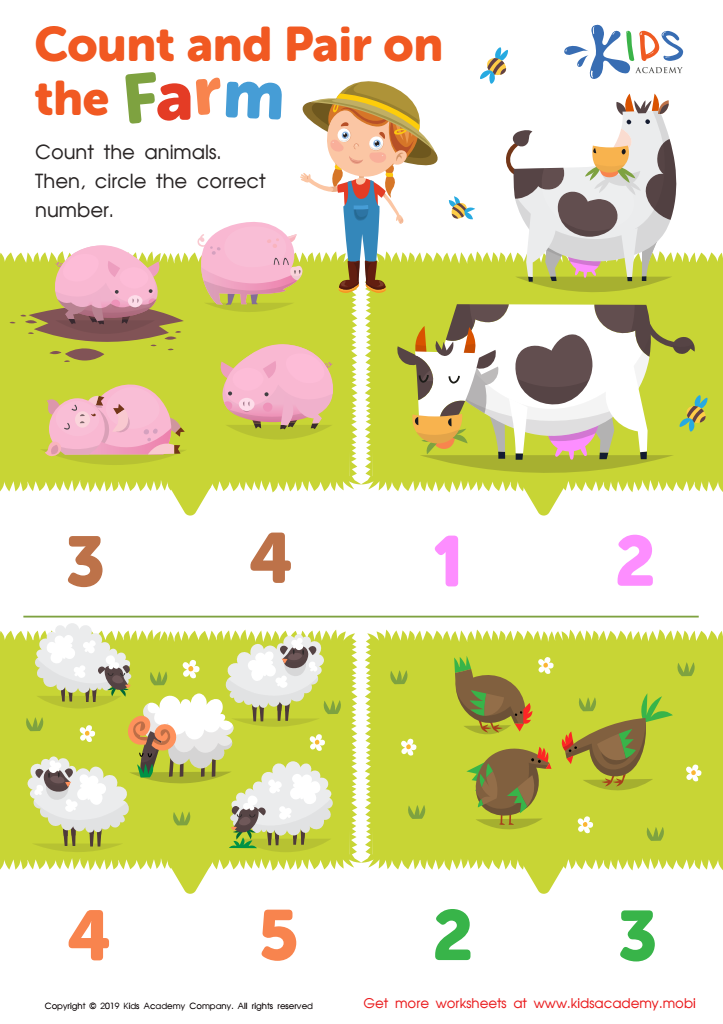
Count and Pair on the Farm Worksheet
 Assign to My Students
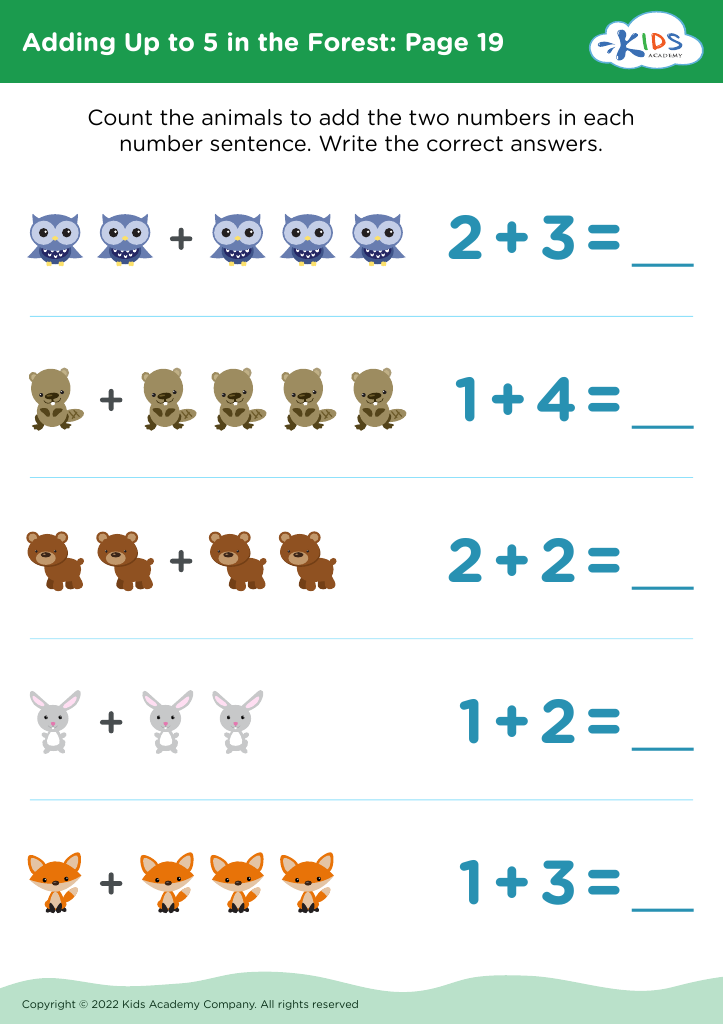
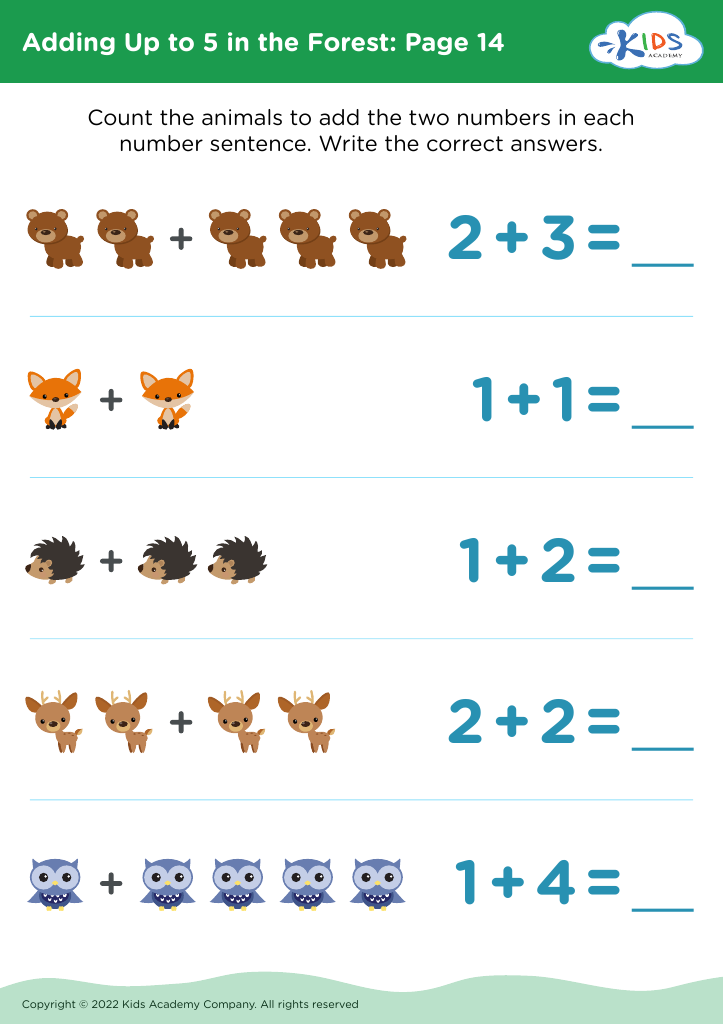
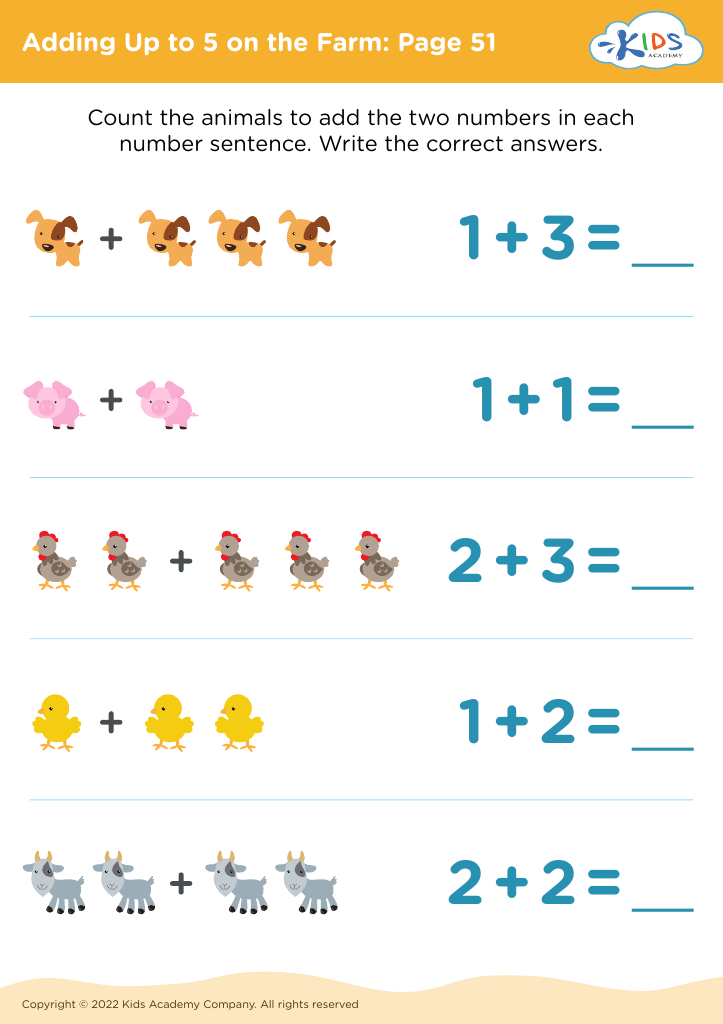
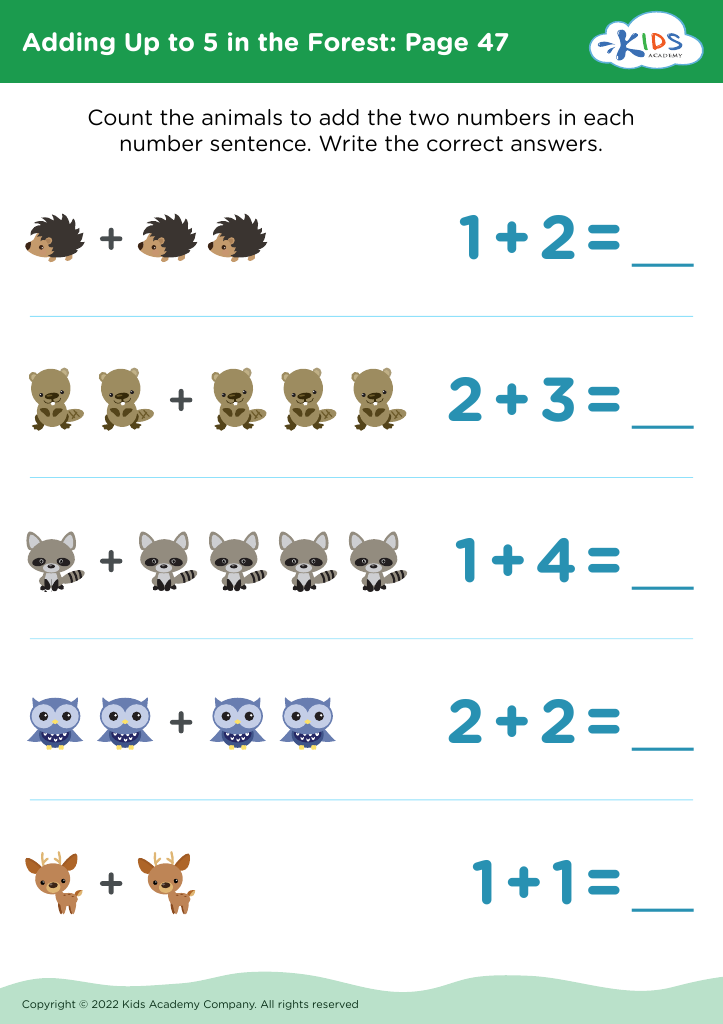
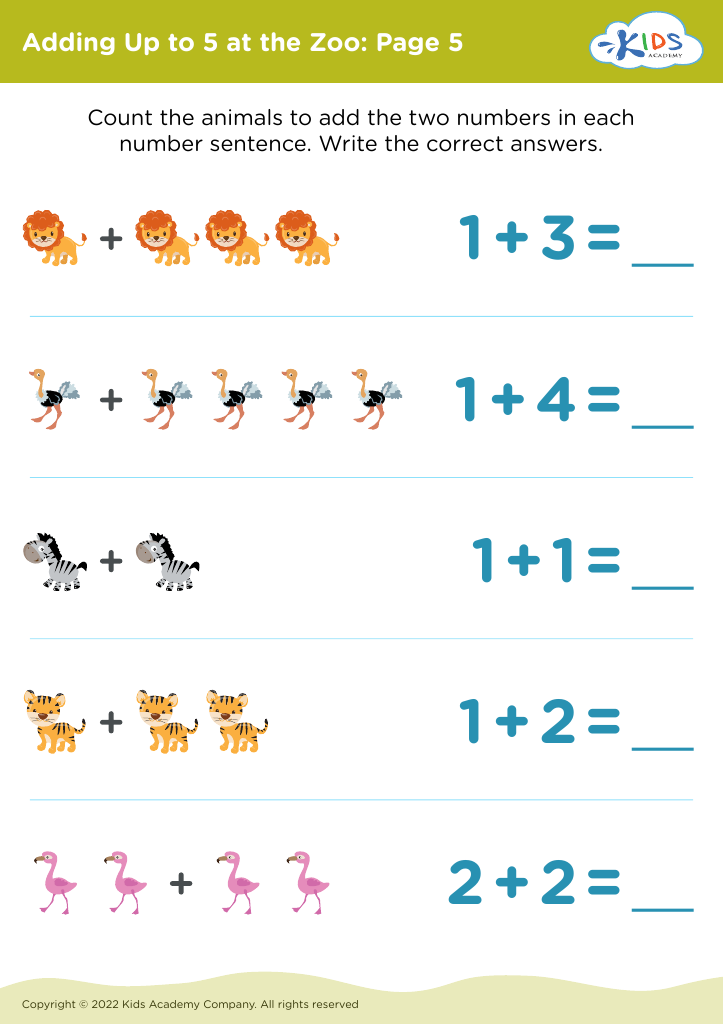
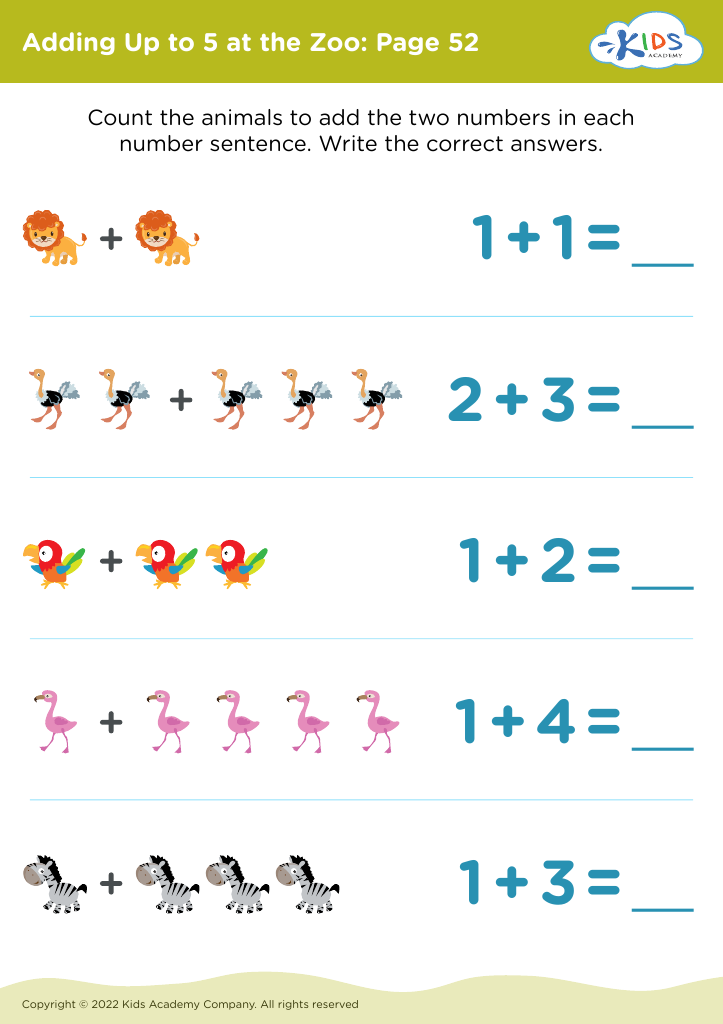
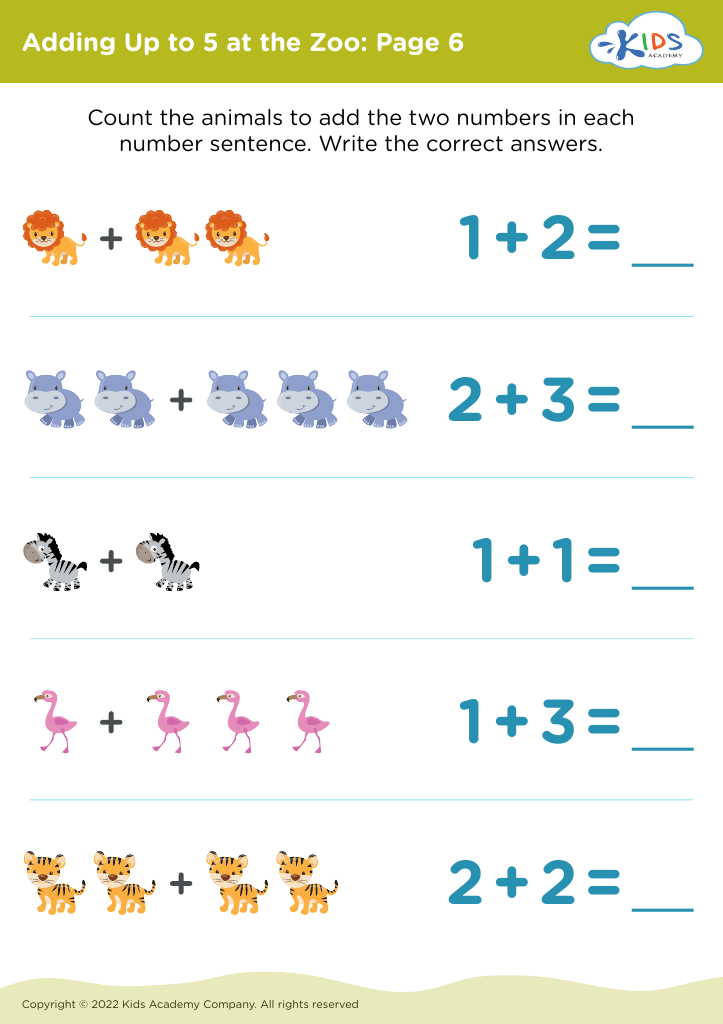
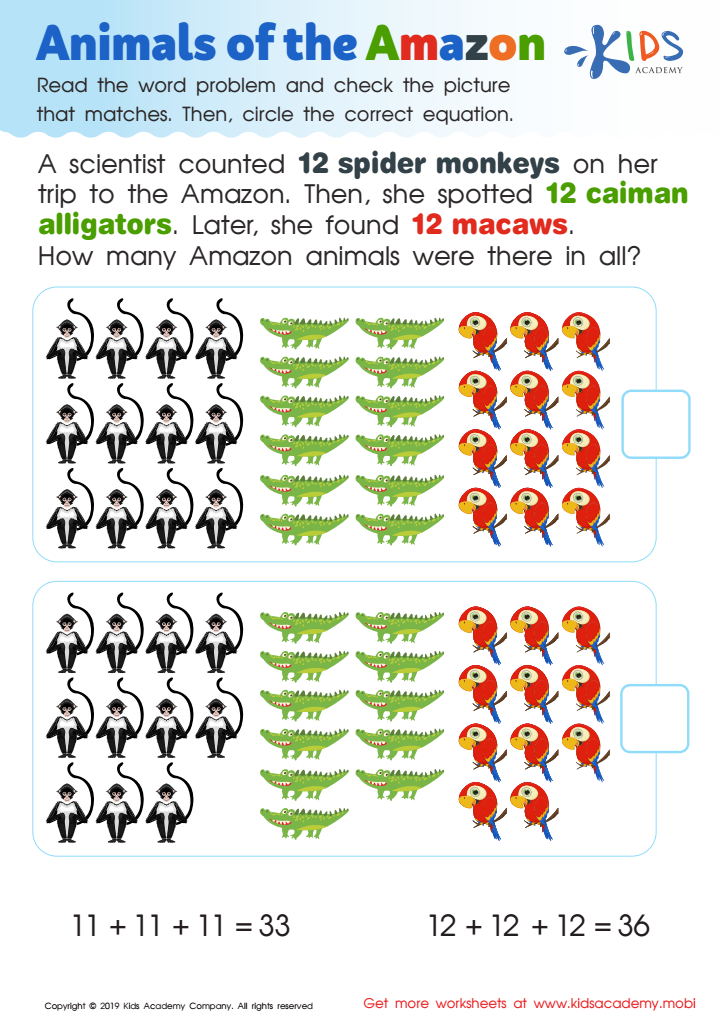
Animals of Amazon Worksheet
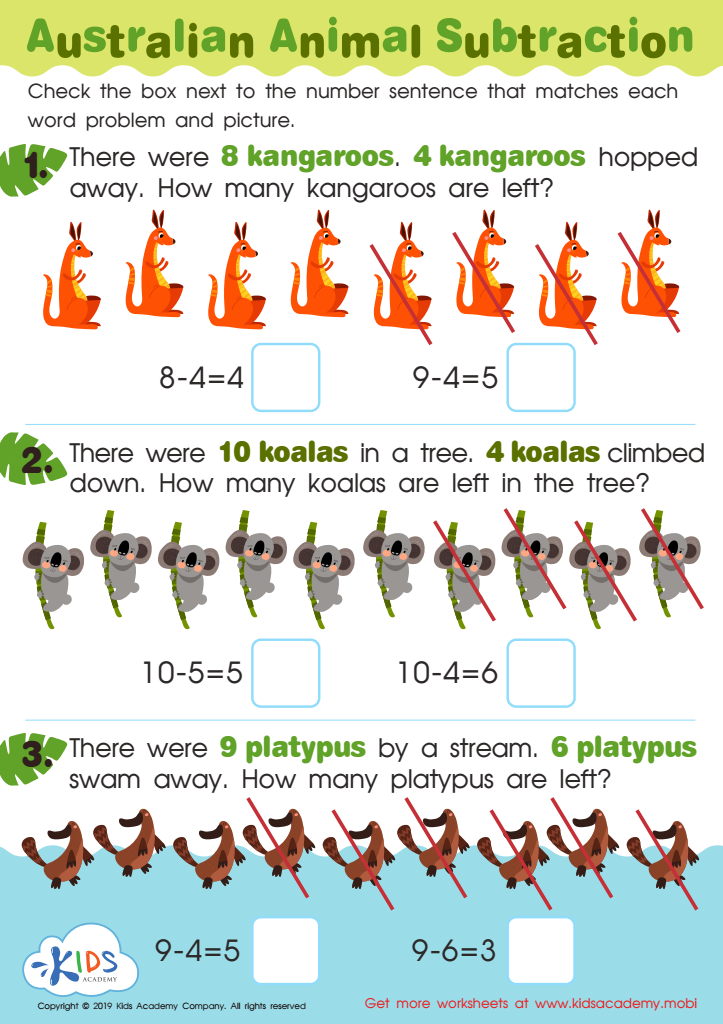
Australian Animal Subtraction Worksheet
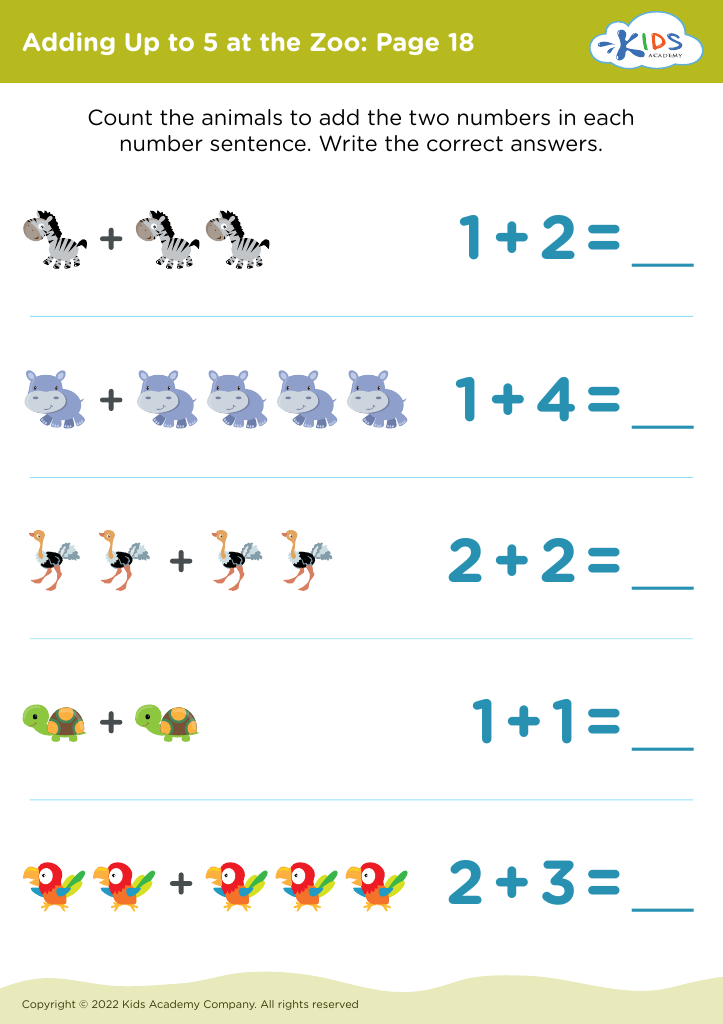
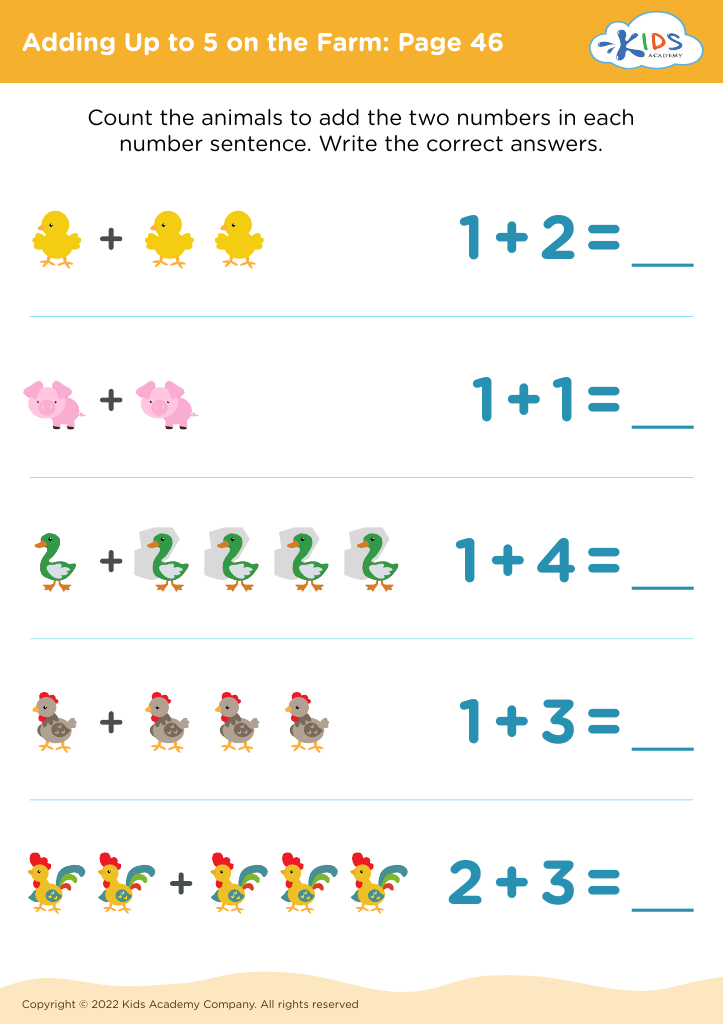
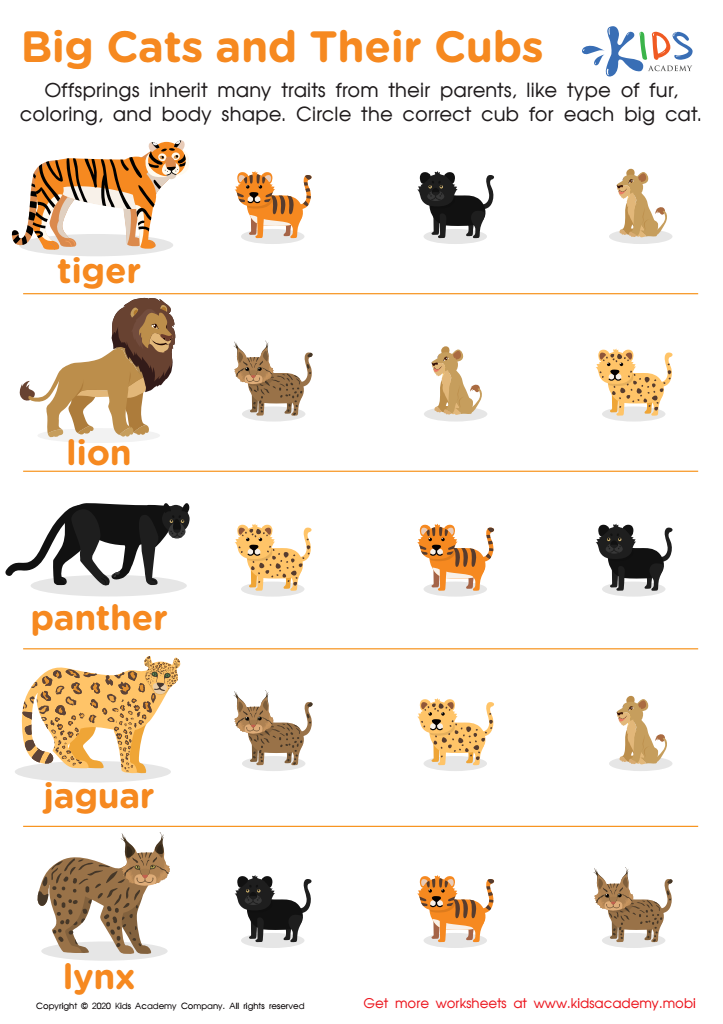
Big Cats and Their Cubs Worksheet
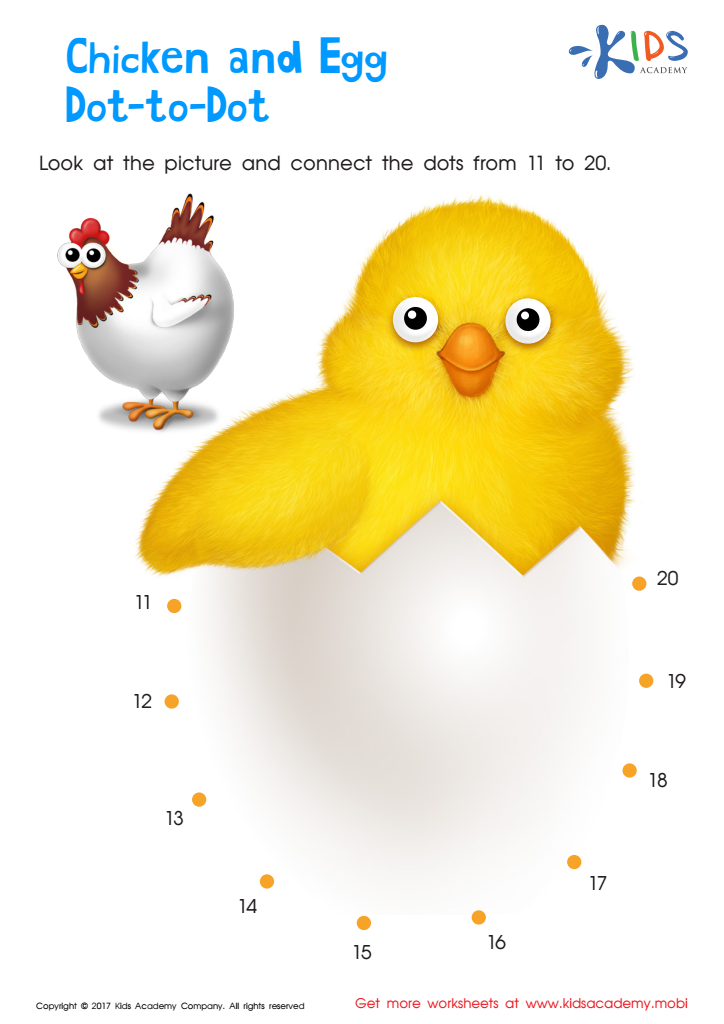
Ordering 11–20: Chicken & Egg Dot–to–dot Worksheet
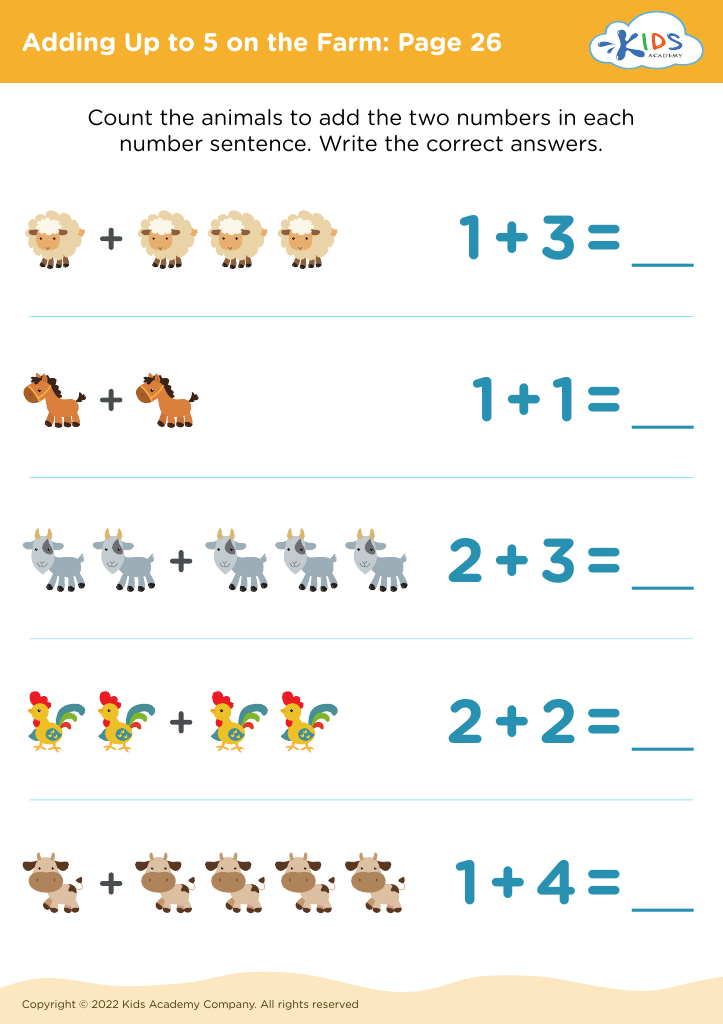
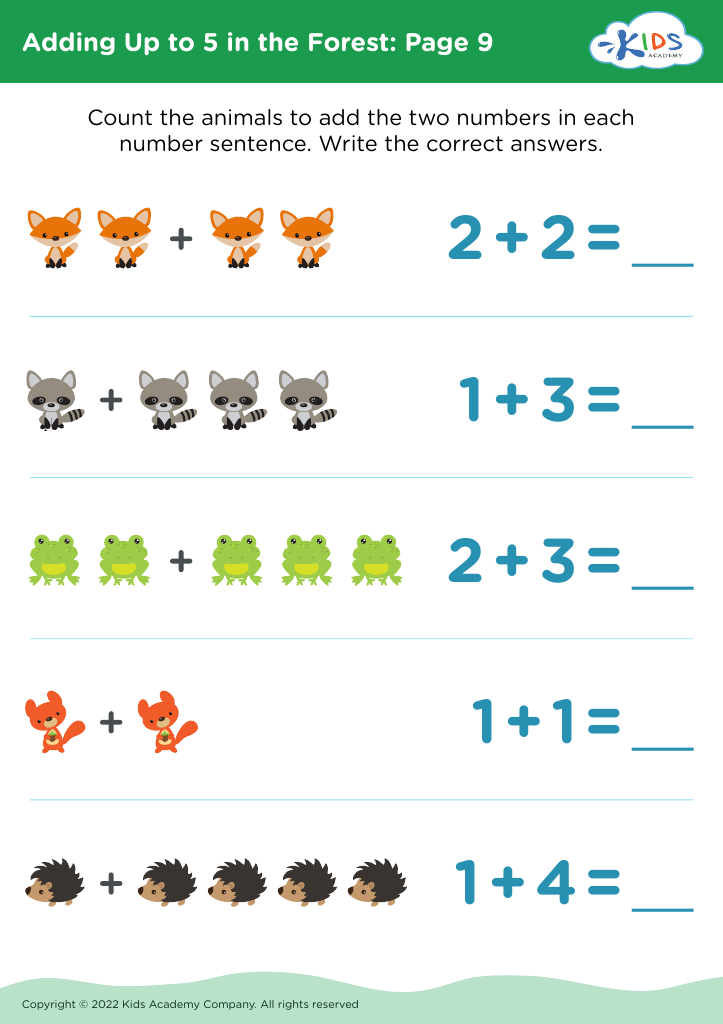
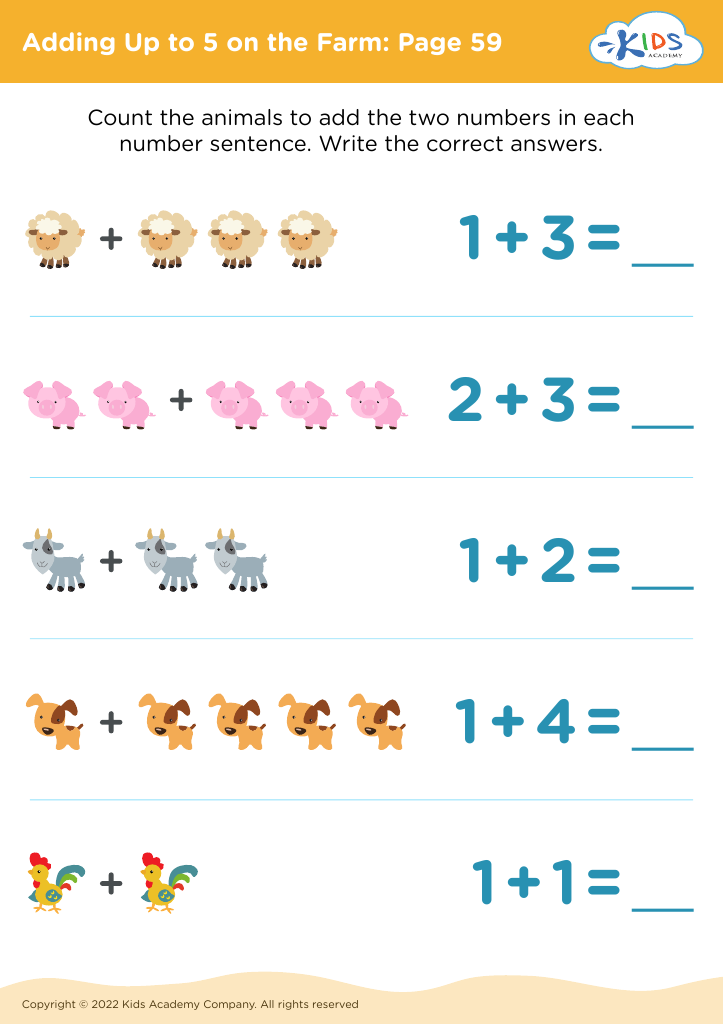
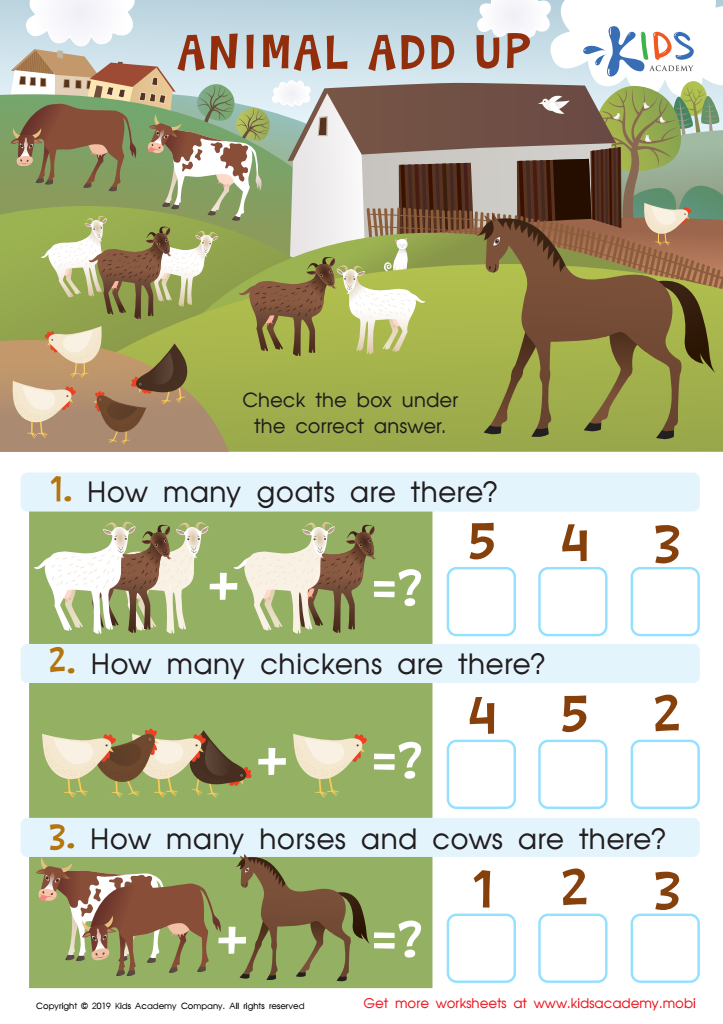
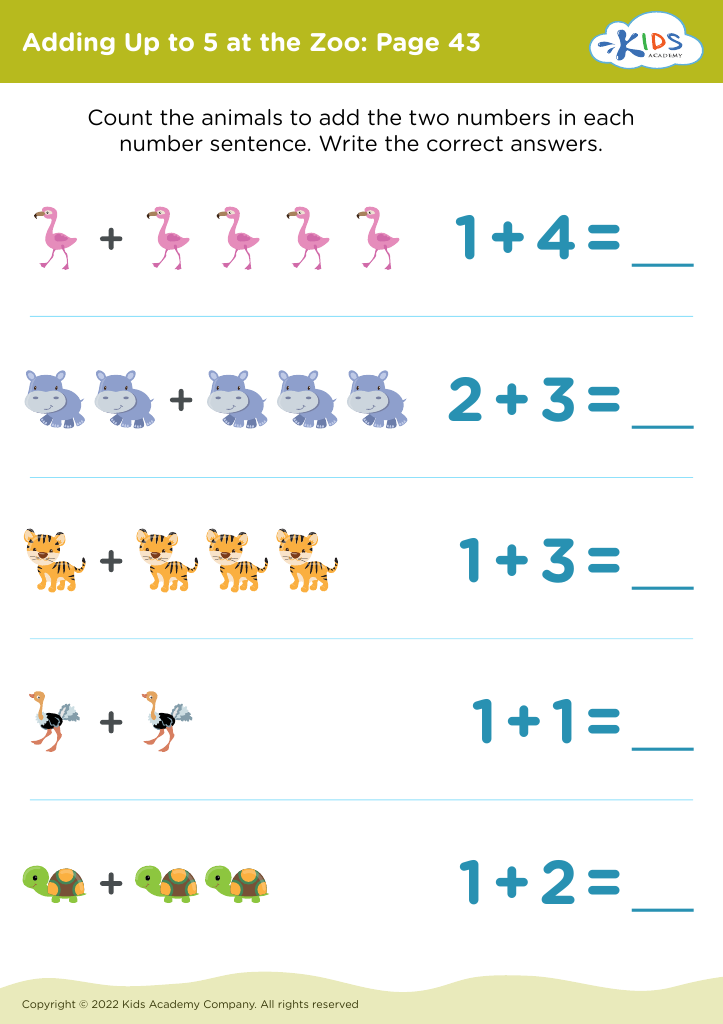
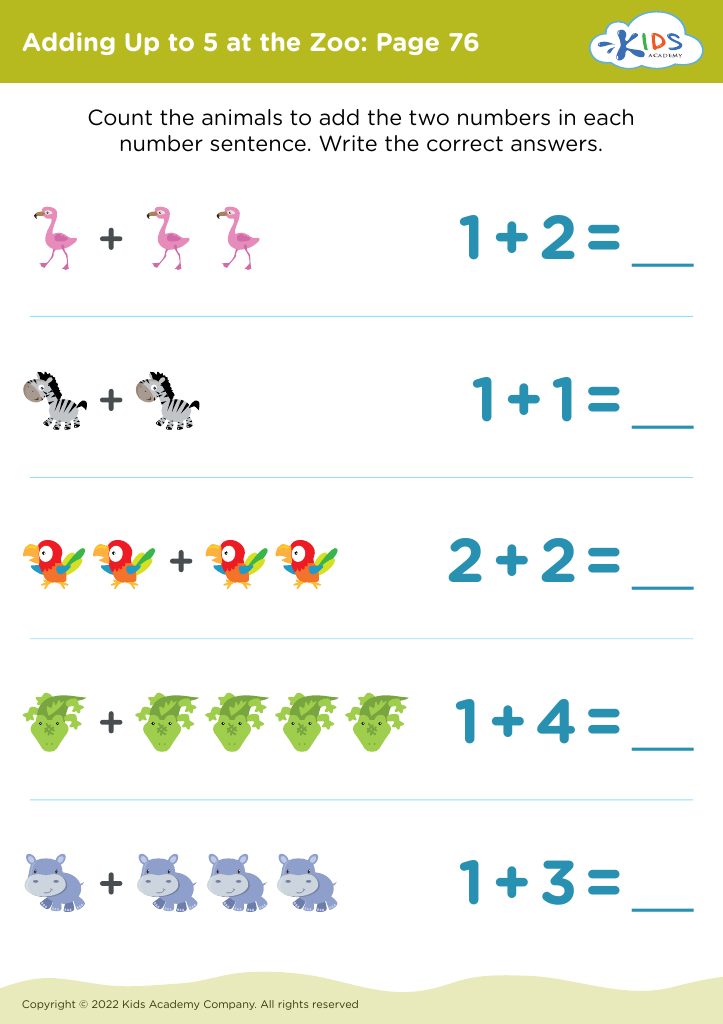
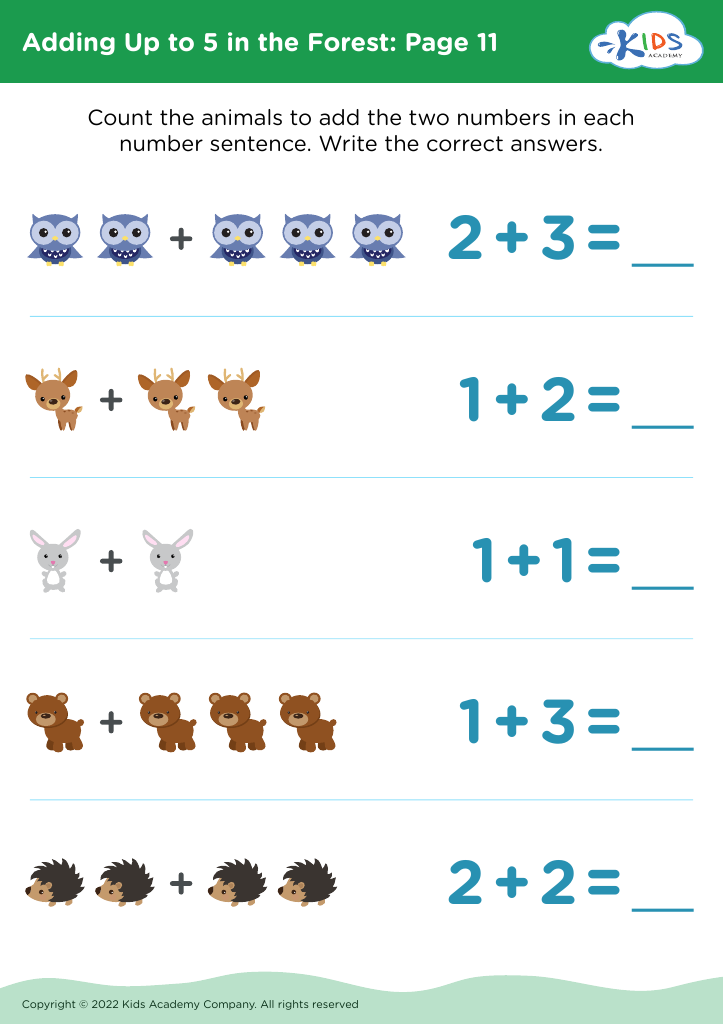
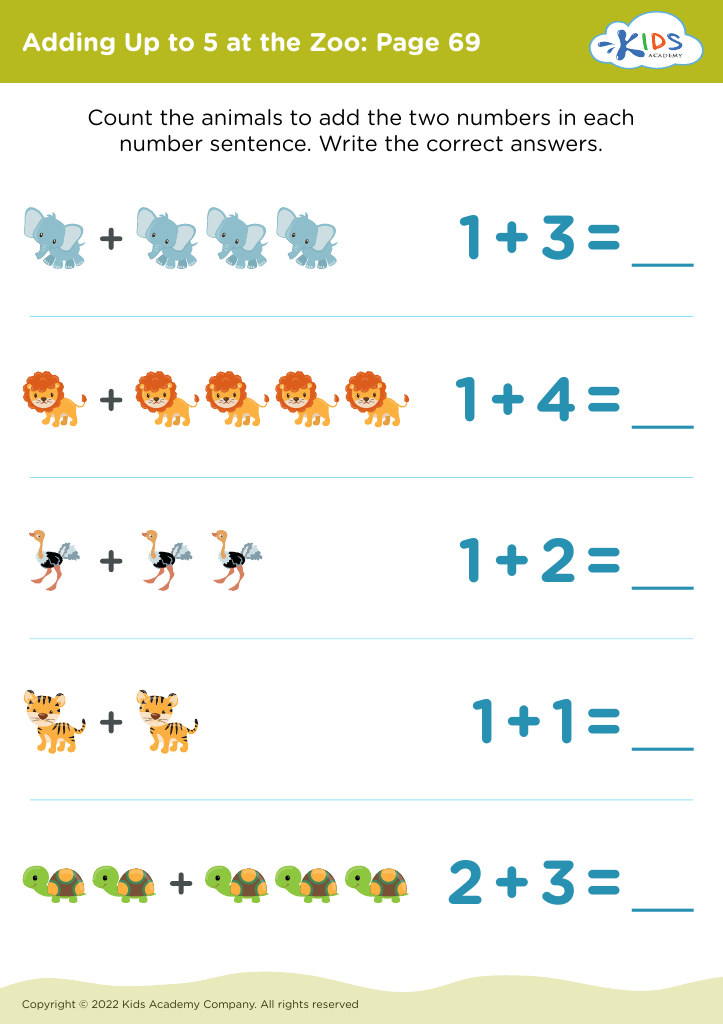
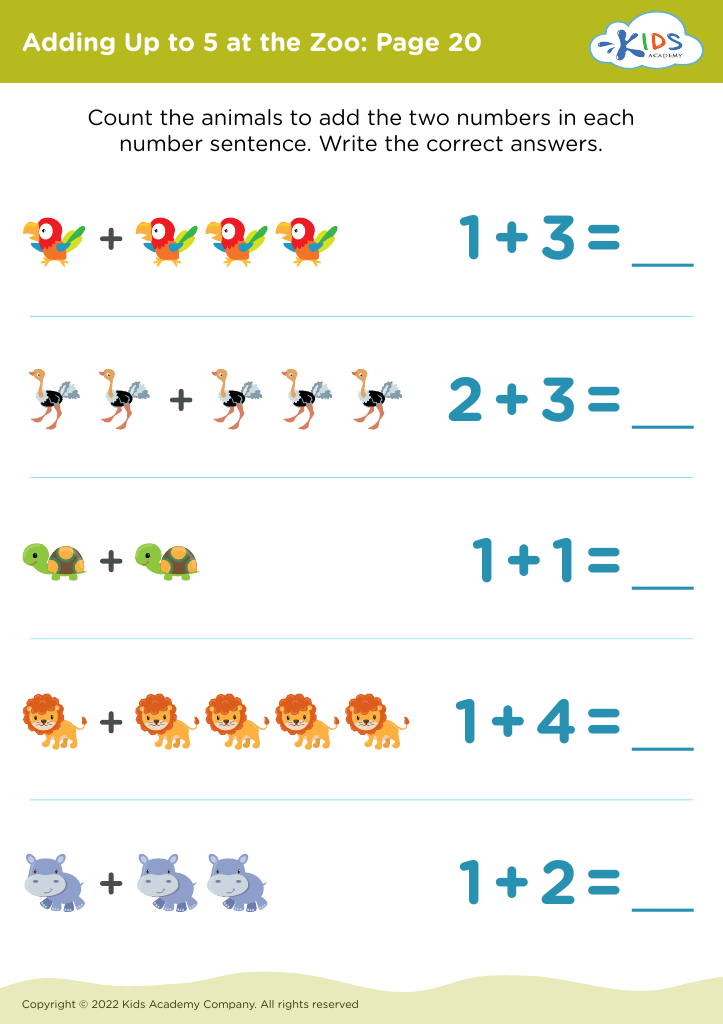
Animal Add Up Worksheet






Animal recognition is a fundamental aspect of early childhood education that offers numerous cognitive, emotional, and social benefits for children aged 3-9. First and foremost, learning to recognize and name animals enhances vocabulary and language development. By integrating new words associated with animals, children expand their lexicons and improve their communication skills.
Moreover, recognizing animals aids in cognitive development. It encourages categorization and critical thinking as children learn to differentiate between species, habitats, and characteristics. These skills are foundational for more advanced scientific understanding.
Emotionally, interaction with animals, even through pictures or stories, often fosters empathy and emotional intelligence. By understanding that animals have needs and feelings, children learn concepts of care, responsibility, and compassion. This phase is pivotal for their socio-emotional growth.
Socially, discussing animals can boost group interaction and cooperative play. Whether through classroom activities or family outings to zoos, these experiences encourage teamwork, shared storytelling, and bonding opportunities.
Finally, early exposure to animal life nurtures curiosity and a love for nature. Instilling an appreciation for the environment at a young age can result in lifelong eco-consciousness and responsible citizenship. Thus, parents and teachers should value animal recognition, as it lays a robust academic and emotional foundation.








