Answering questions Worksheets for Ages 3-9
6 filtered results
-
From - To
Unlock your child's curiosity and boost their learning with our Answering Questions Worksheets designed for ages 3-9! These engaging worksheets help young learners develop critical thinking and comprehension skills by encouraging them to answer questions based on short stories and scenarios. With a variety of topics and formats, children will enjoy enhancing their language skills and boosting their confidence in responding to inquiries. Perfect for both home and classroom use, these worksheets provide an interactive way to foster a love for learning. Explore our collection today and watch your child's understanding and communication skills flourish!
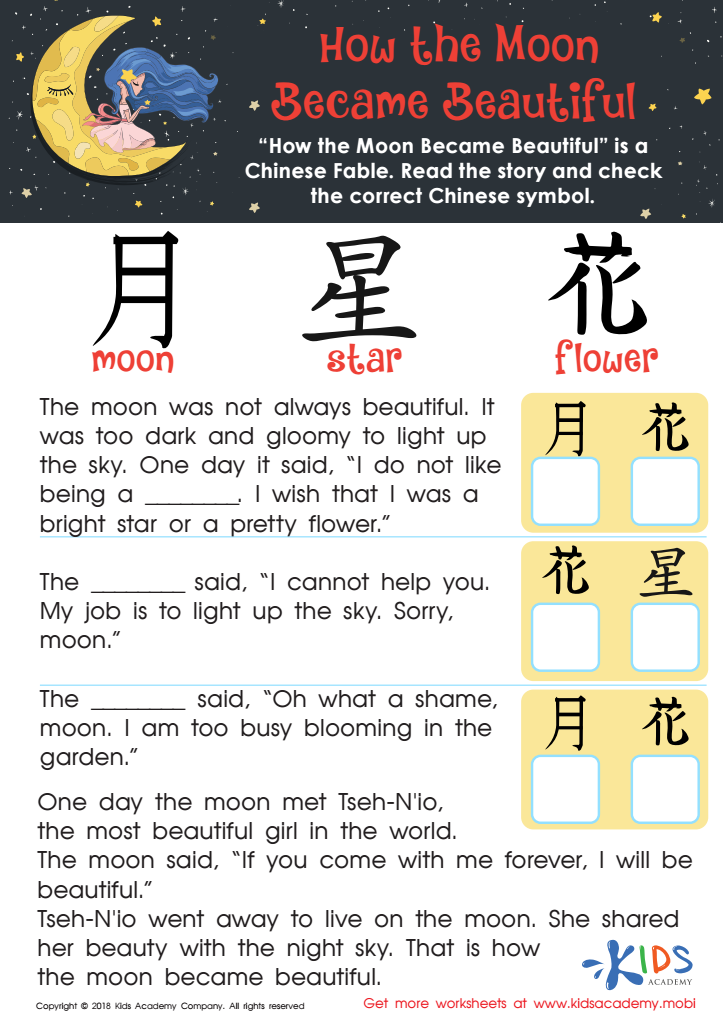
How the Moon Became Beautiful Worksheet
 Assign to My Students
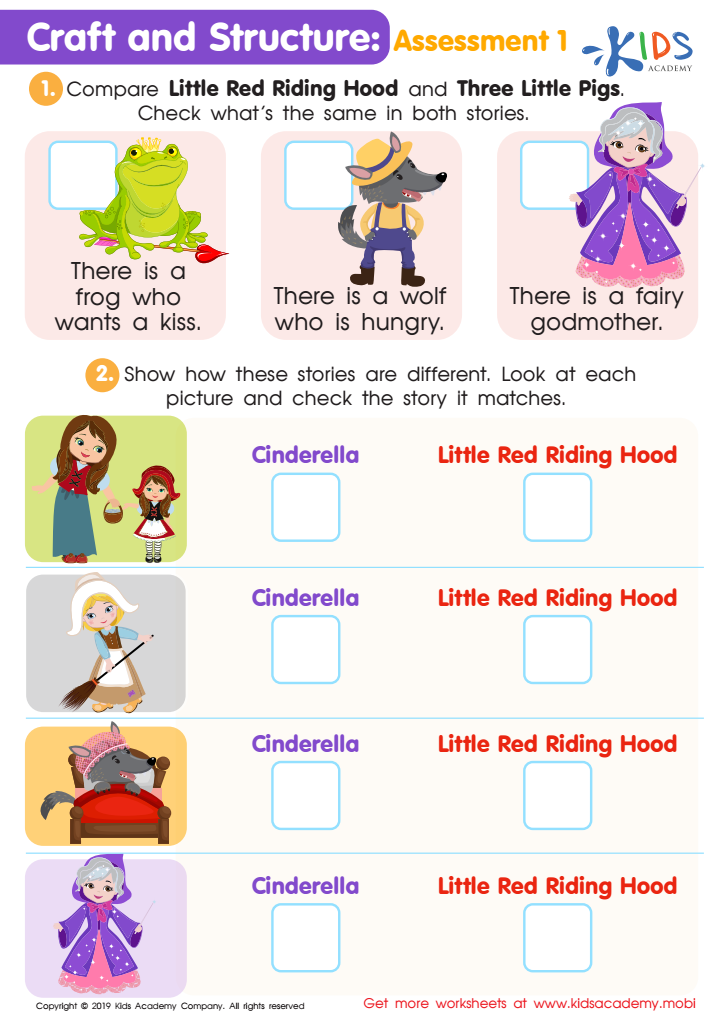
Craft and Structure: Assessment 1 Worksheet
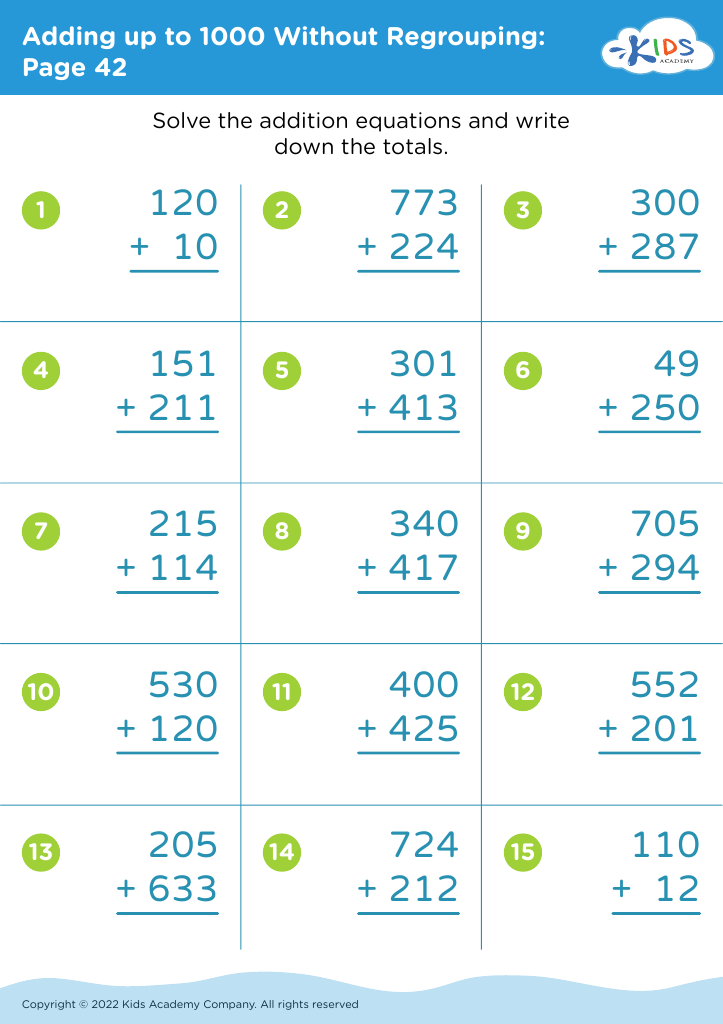
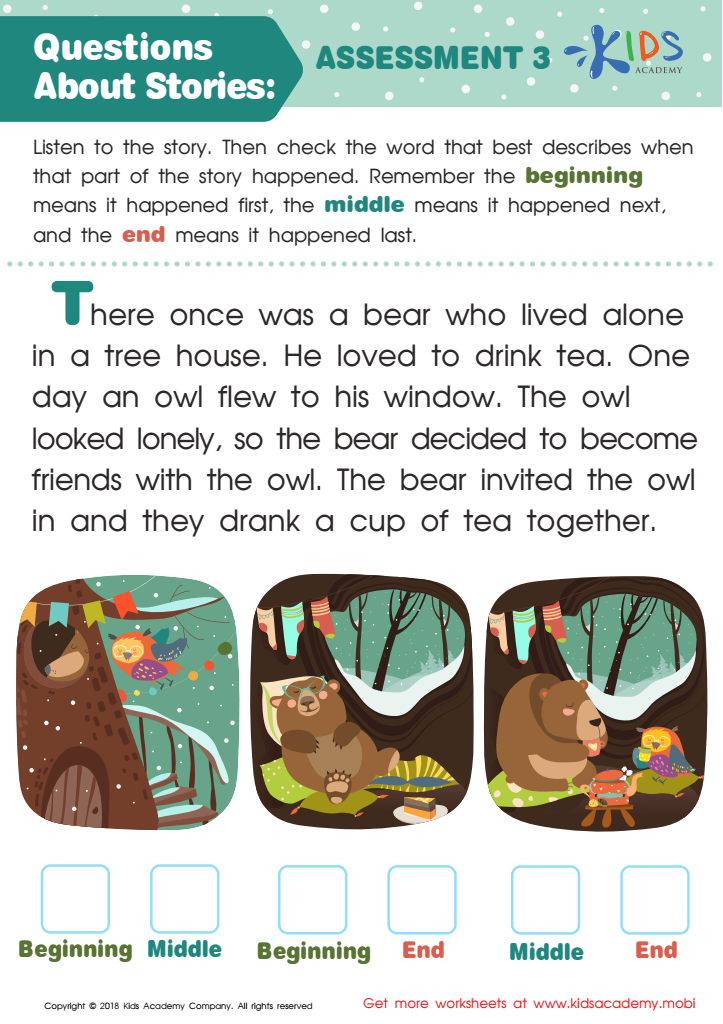
Questions About Stories: Assessment 3 Worksheet
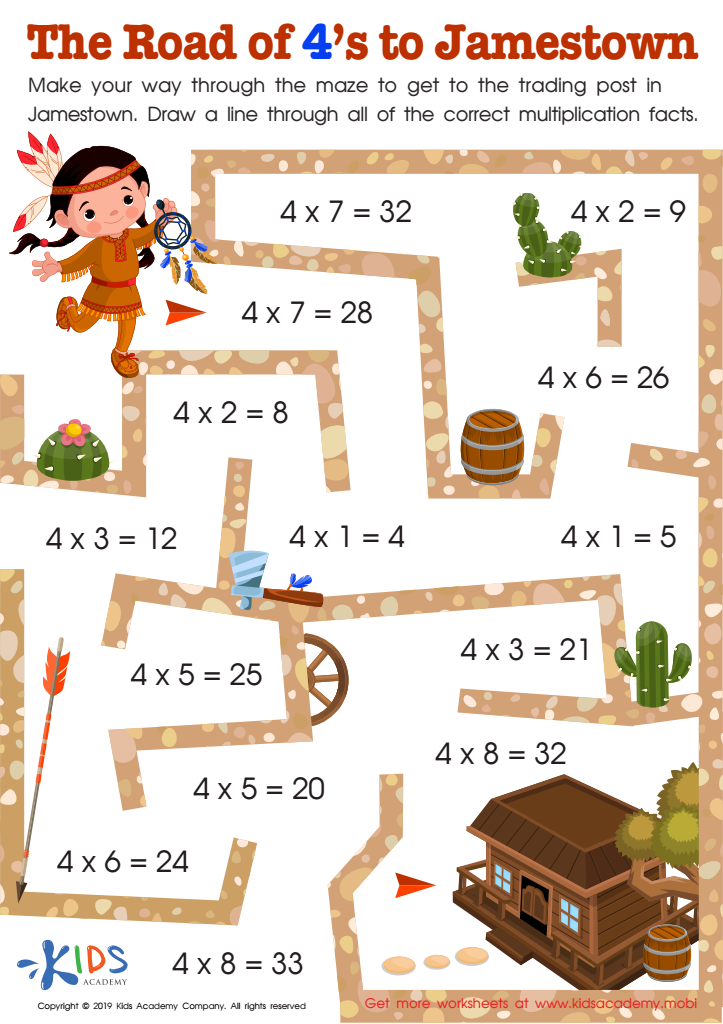
The Road of 4’s to Jamestown Worksheet
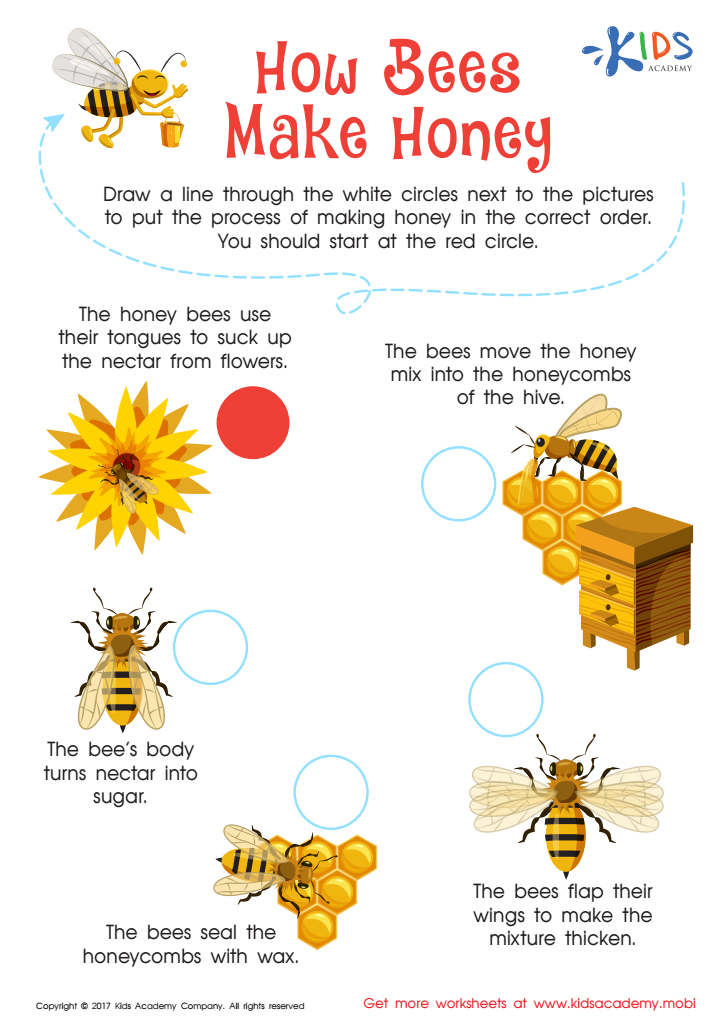
Honey Bee Worksheet








Parents and teachers should care about answering questions for children aged 3-9 because this stage of development is critical for cognitive, emotional, and social growth. Young children are naturally curious, and their questions offer a window into their thoughts, beliefs, and understanding of the world. By actively engaging with their inquiries, adults not only satisfy their curiosity but also promote critical thinking and problem-solving skills.
Answering questions helps develop language skills and enriches vocabulary. It fosters an environment where children feel heard and valued, boosting their confidence and encouraging future interactions. Additionally, thoughtful responses can introduce complex concepts in an age-appropriate manner, laying the foundation for more elaborate learning throughout their lives.
Moreover, addressing questions helps reinforce relationships, as it shows that caregivers are invested in their experiences and concerns. It promotes trust and communication, key components in nurturing emotional intelligence. By taking the time to answer and explore these questions, parents and teachers play a vital role in shaping well-rounded, inquisitive, and resilient individuals capable of navigating the world intellectually and emotionally. Ultimately, caring about their queries transforms learning from mere instruction into an exciting and meaningful journey of discovery.








