Basic Addition Worksheets for Ages 3-9 - Page 4
79 filtered results
-
From - To
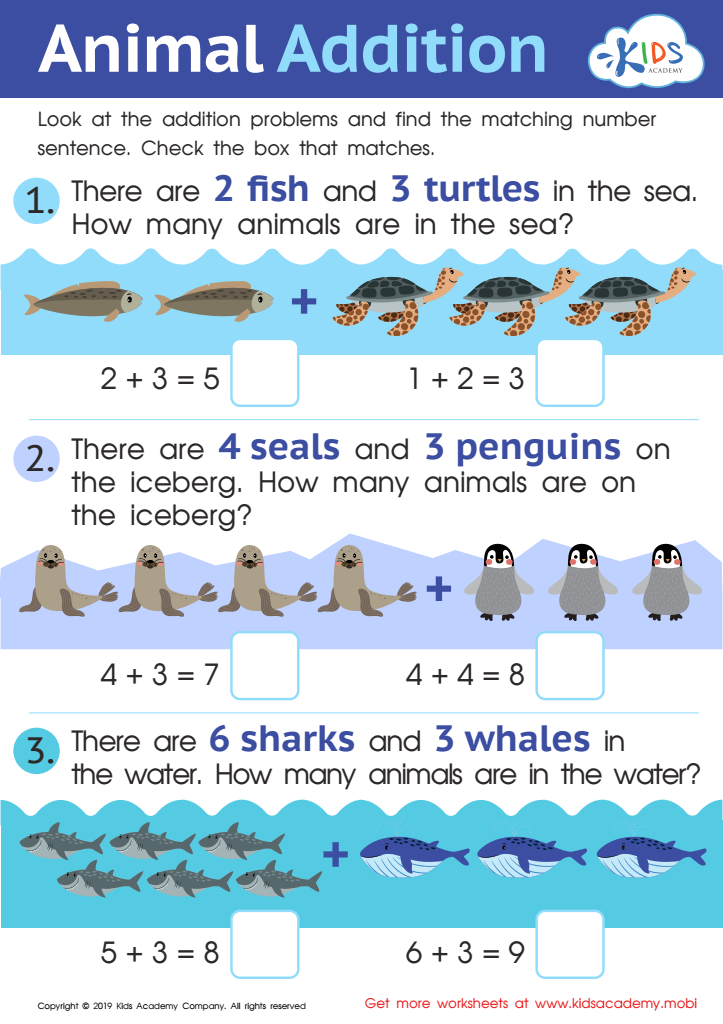
Animal Addition Worksheet
 Assign to My Students
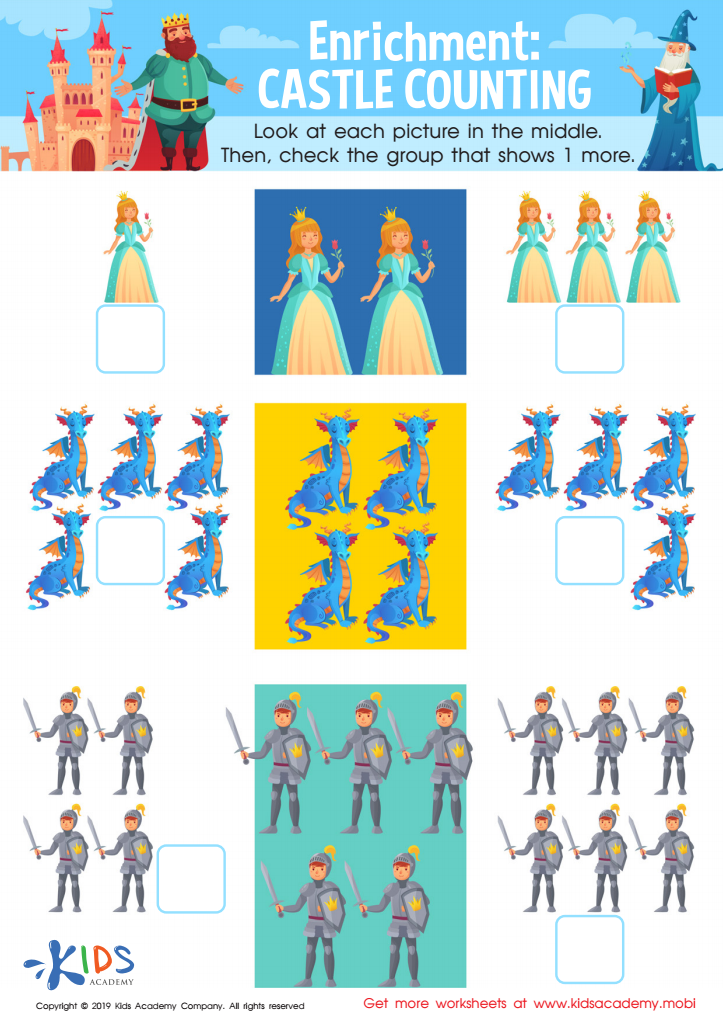
Enrichment: Castle Counting Worksheet
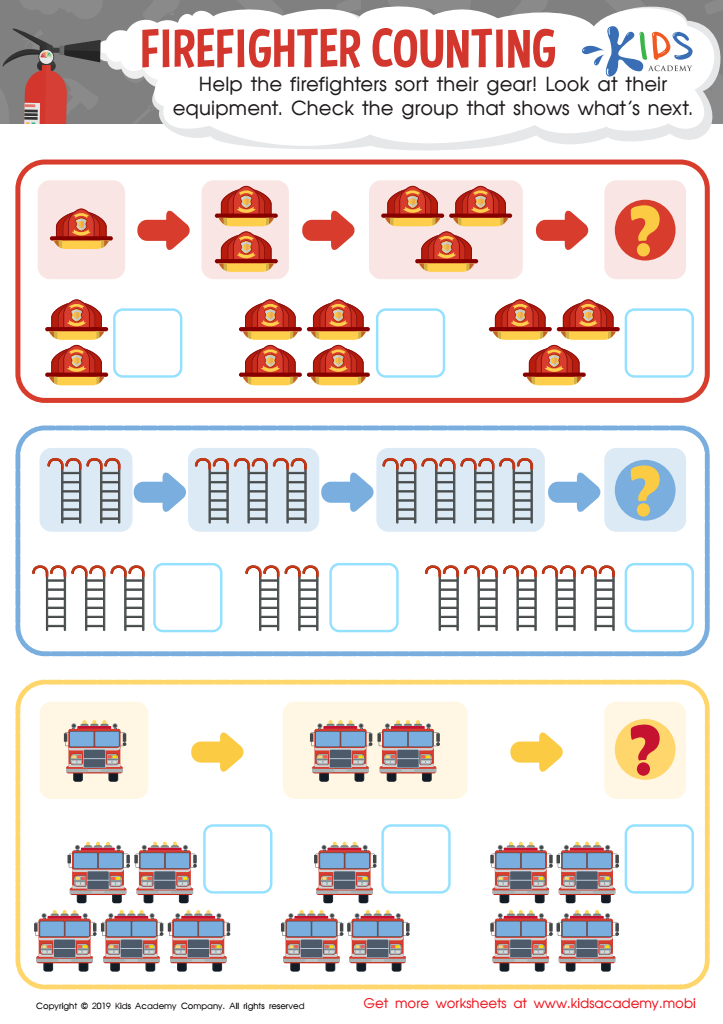
Firefighter Counting Worksheet
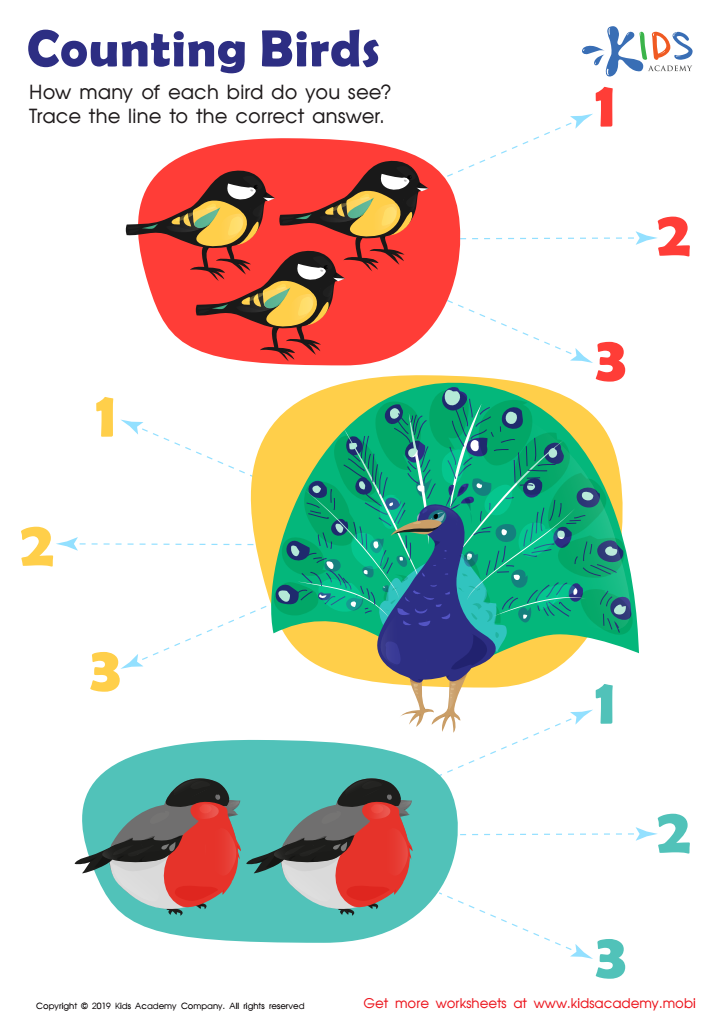
Counting Birds Worksheet
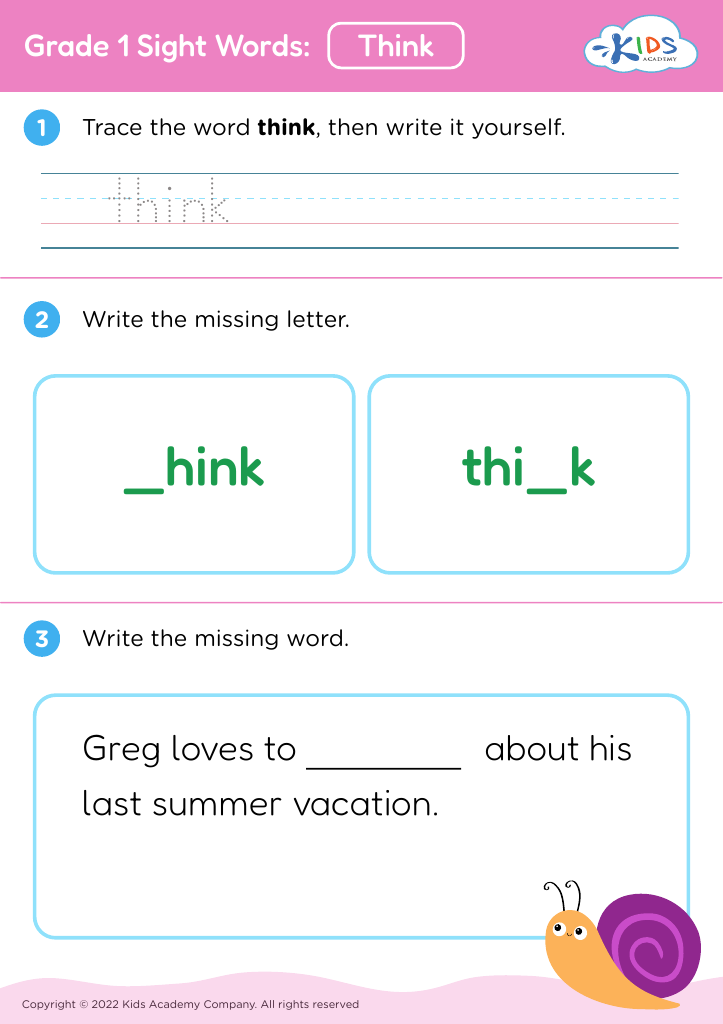
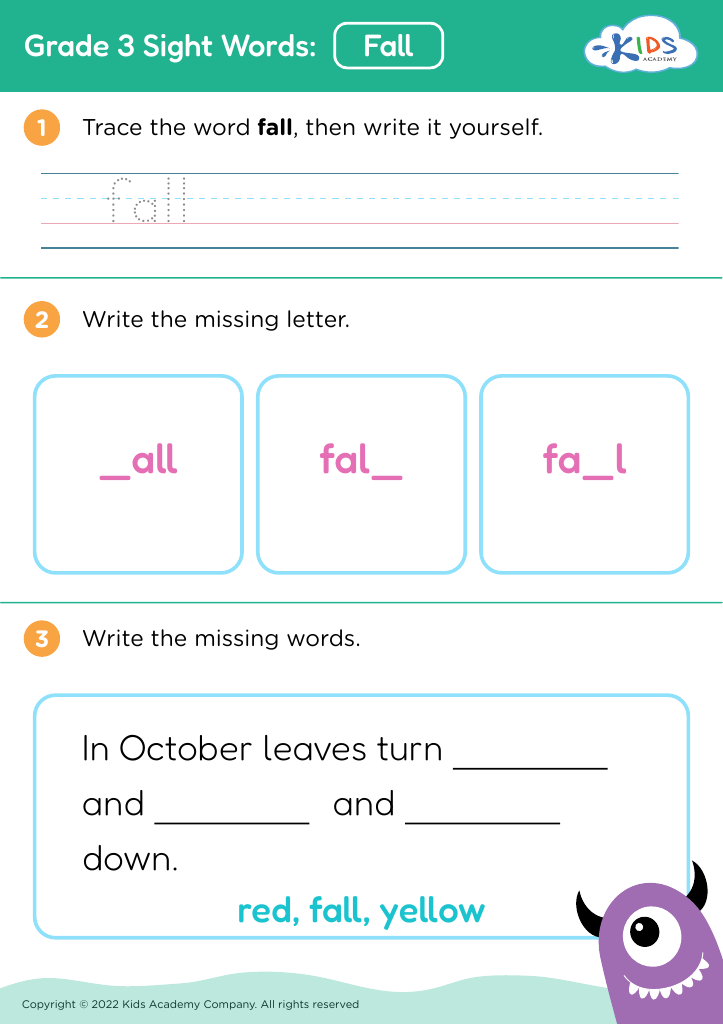



.jpg)



Basic addition is one of the most foundational math skills, essential for young children aged 3-9. For parents and teachers, understanding the importance of this skill is vital because it lays the groundwork for more complex mathematical concepts that children will encounter throughout their education. Mastery of basic addition helps in developing critical thinking and problem-solving skills. It enhances a child's ability to comprehend and participate in everyday activities such as counting money, telling time, and measuring quantities.
When children grasp basic addition concepts early on, they build confidence and become more engaged in learning. This early competence can mitigate math-related anxiety and foster a positive relationship with mathematics. Moreover, learning basic addition supports the development of logical reasoning and cognitive abilities. It provides a structure for organizing thoughts and solving problems systematically.
Additionally, understanding and practicing basic addition supports children’s overall academic performance. Many subjects, from basic science to social studies, require some element of quantitative reasoning. For parents, engaging in adding exercises with their children allows for quality bonding time and effective cognitive stimulation. For teachers, incorporating fun, interactive addition activities in lesson plans can aid in retaining students' interest and making learning enjoyable. Thus, paying attention to basic addition produces a ripple effect that enhances many areas of a child's educational journey.








