Categorization skills Worksheets for Ages 3-9 - Page 2
34 filtered results
-
From - To
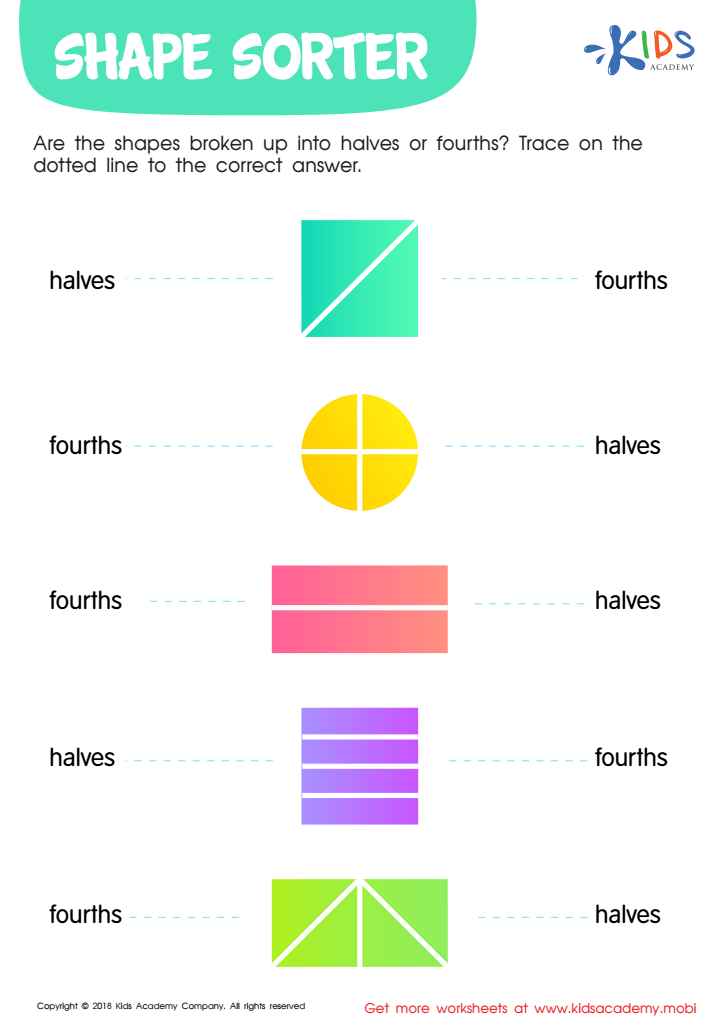
Shape Sorter Worksheet
 Assign to My Students
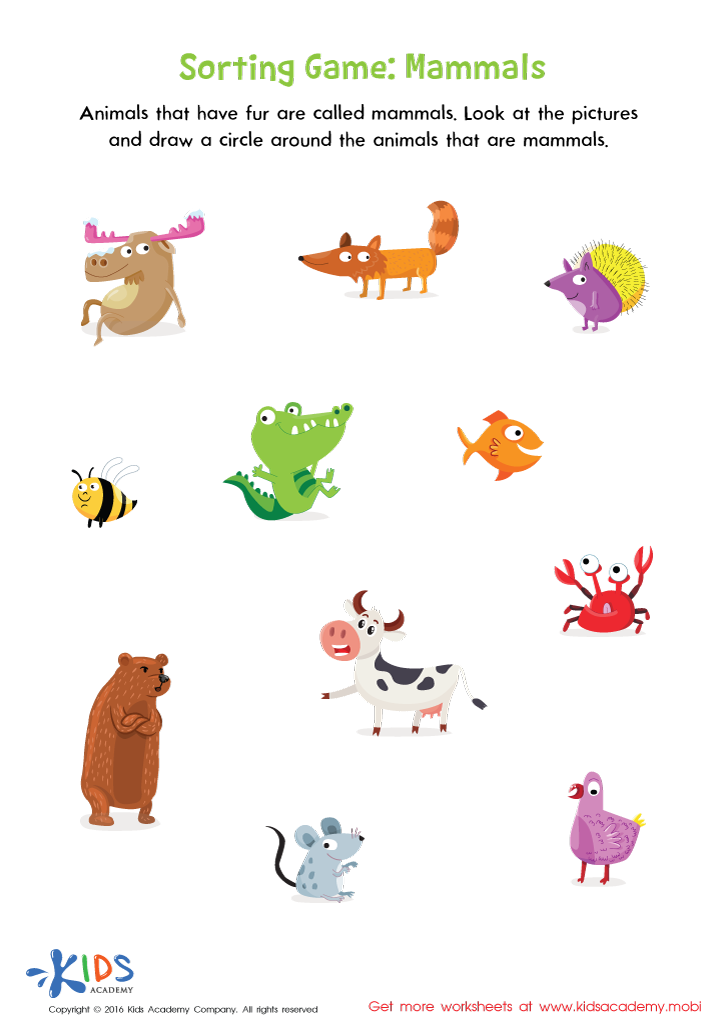
Mammals Sorting Worksheet
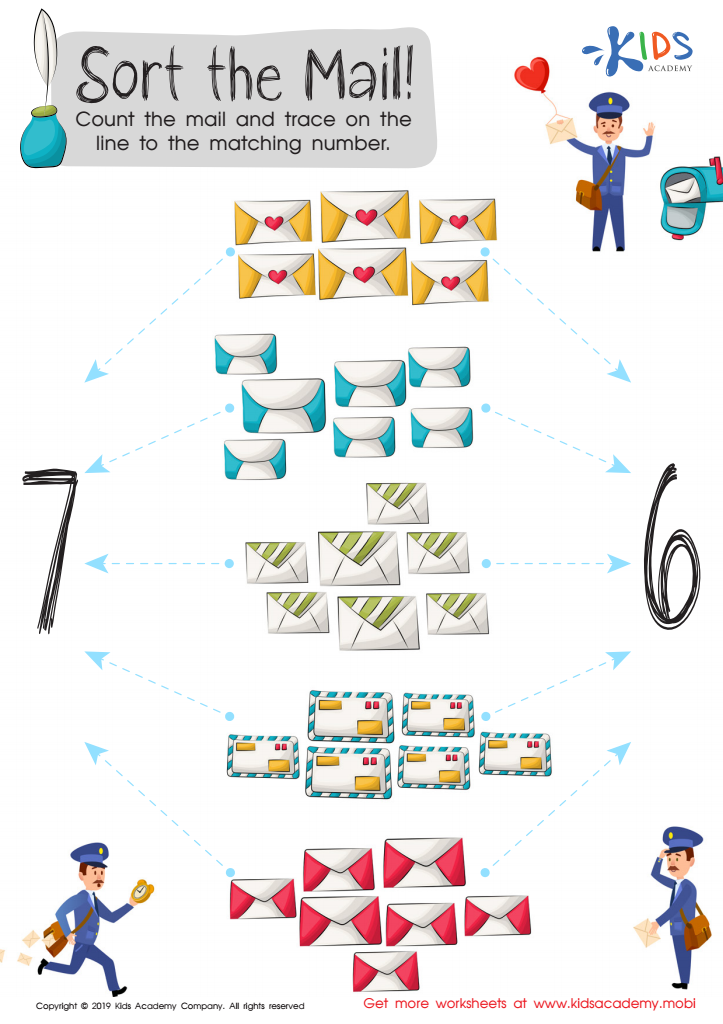
Sort the Mail Worksheet
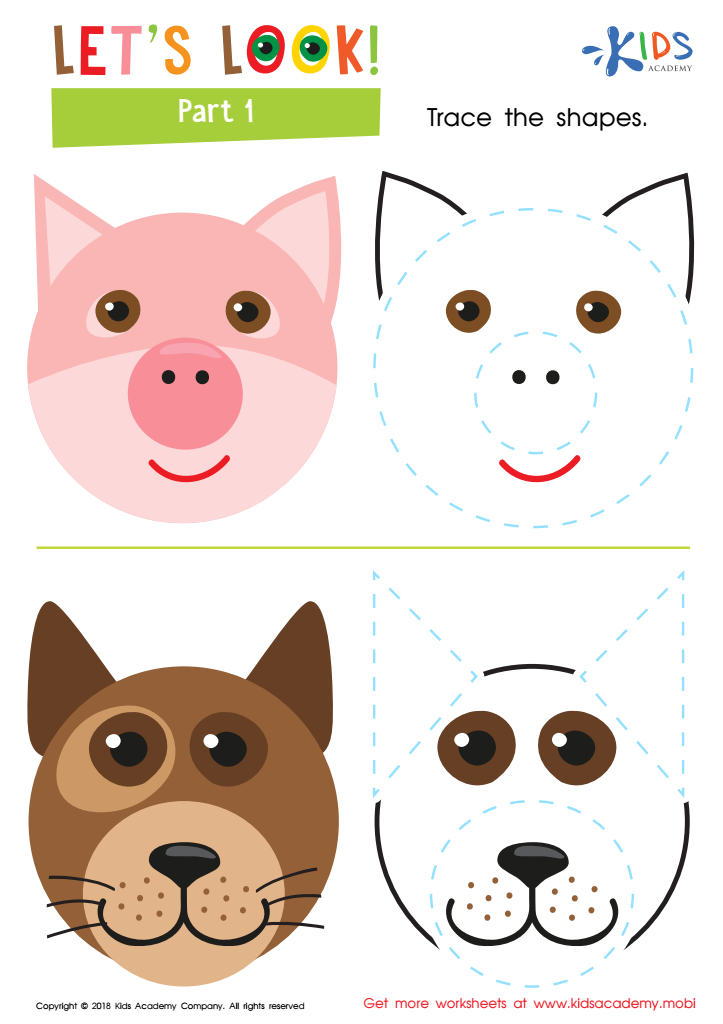
Let's Look! Part 1 Worksheet
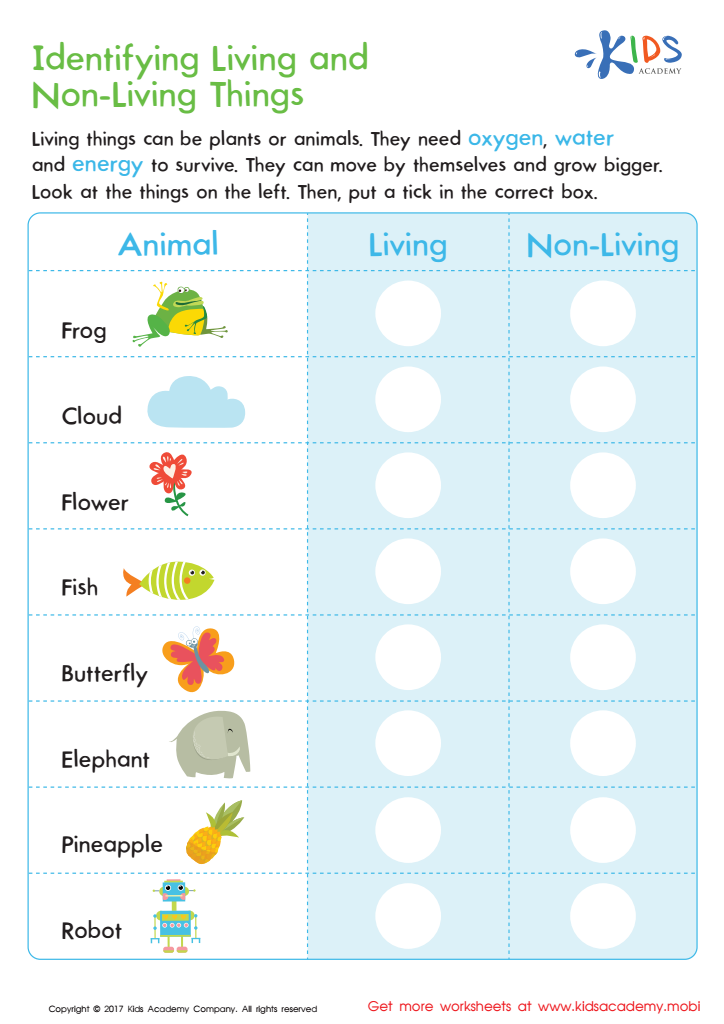
Identifying Living or Non–living Worksheet
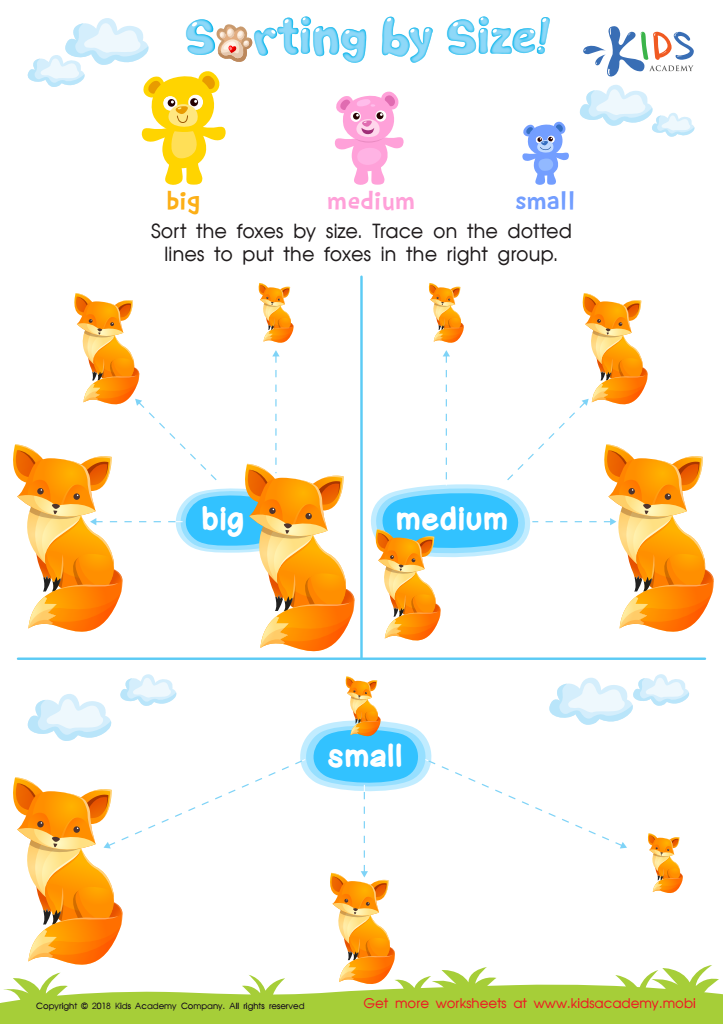
Sorting by Size Worksheet
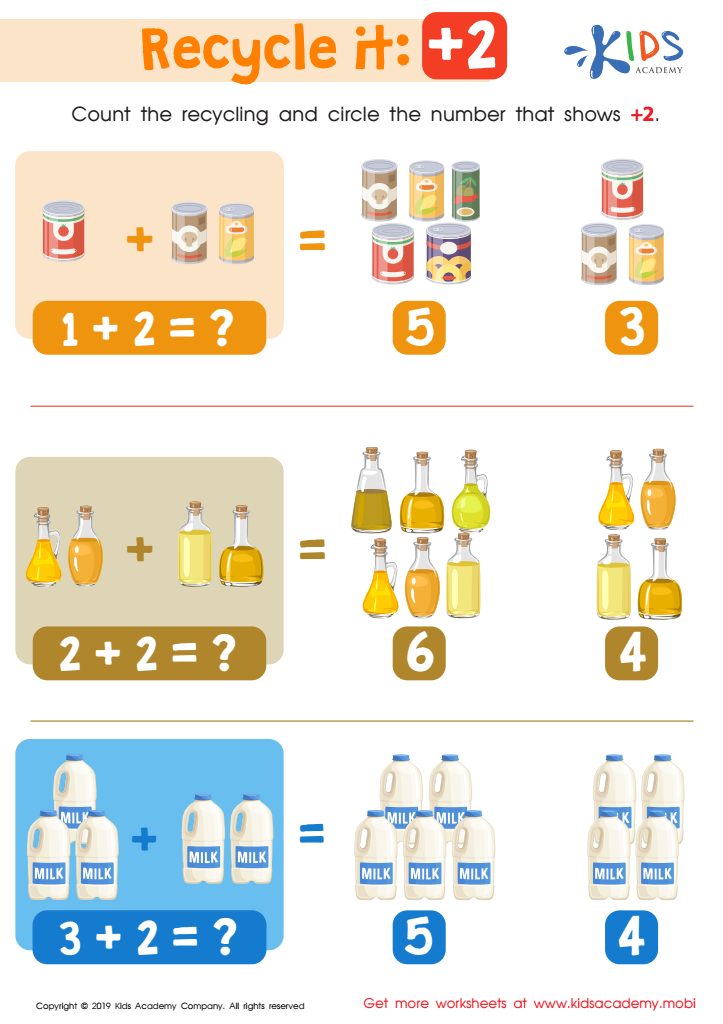
Recycle It: +2 Worksheet
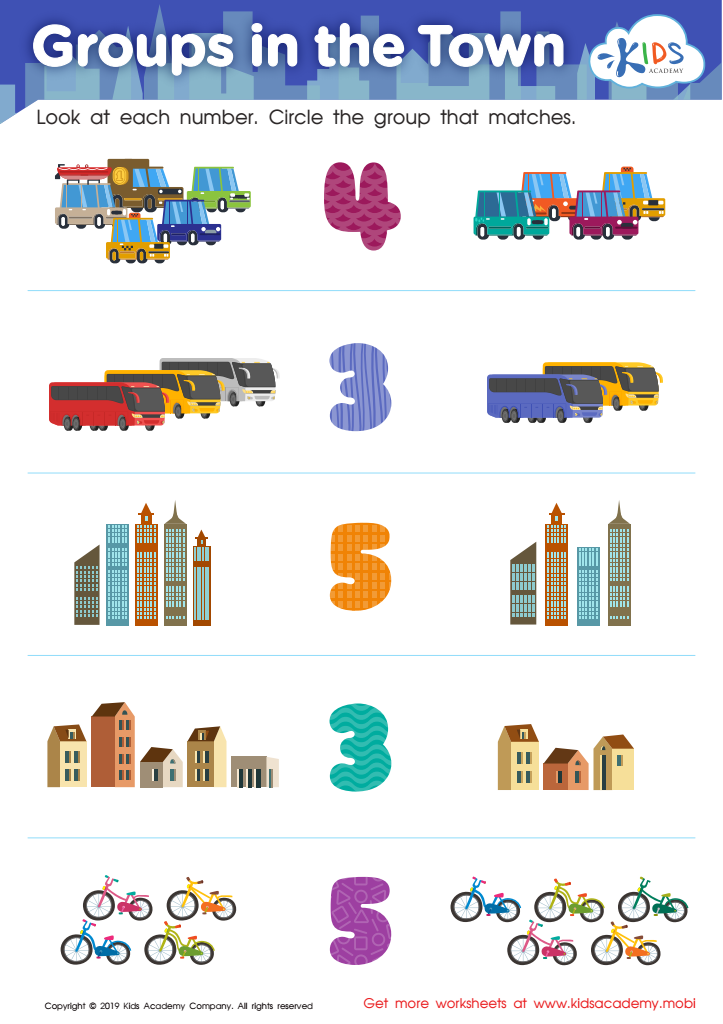
Groups in the Town Worksheet
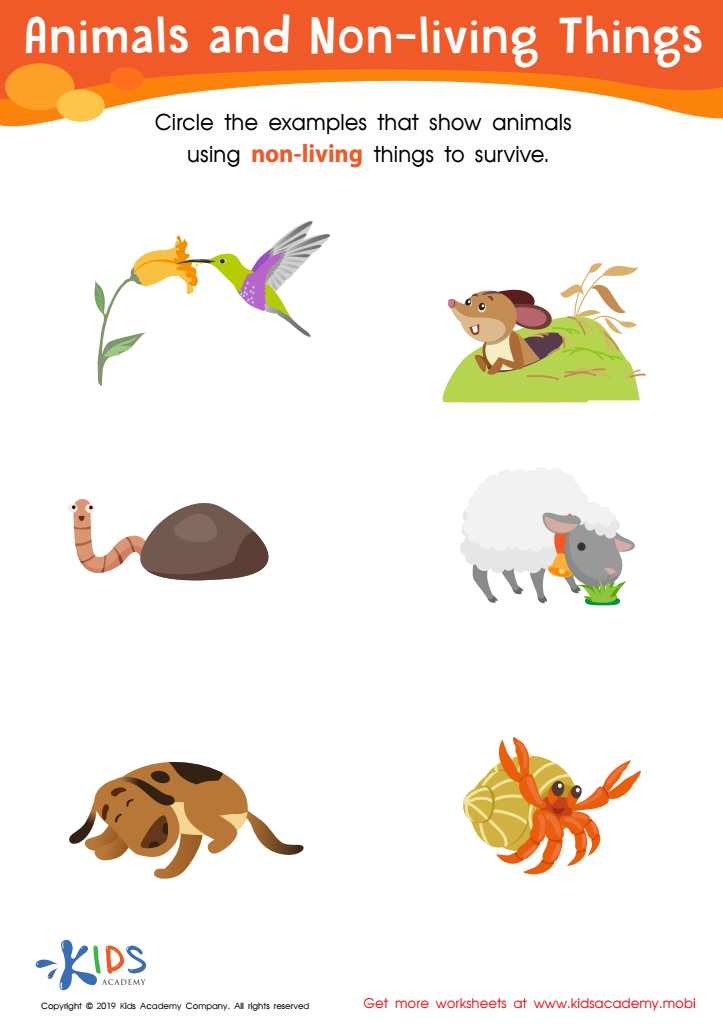
Animals and Non-Living Things Worksheet
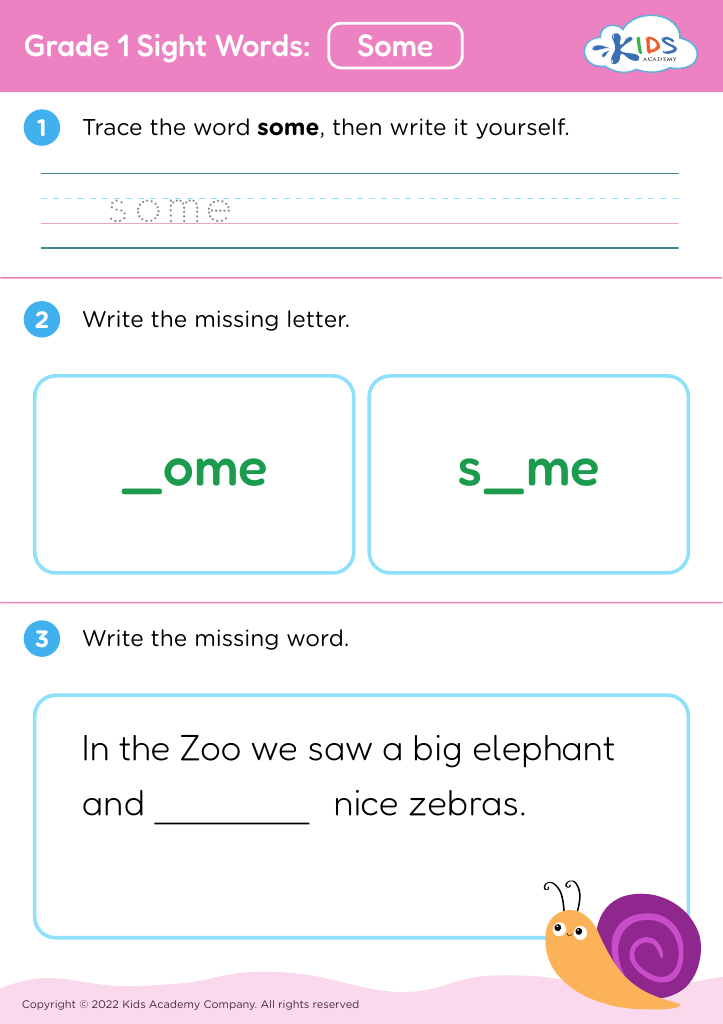




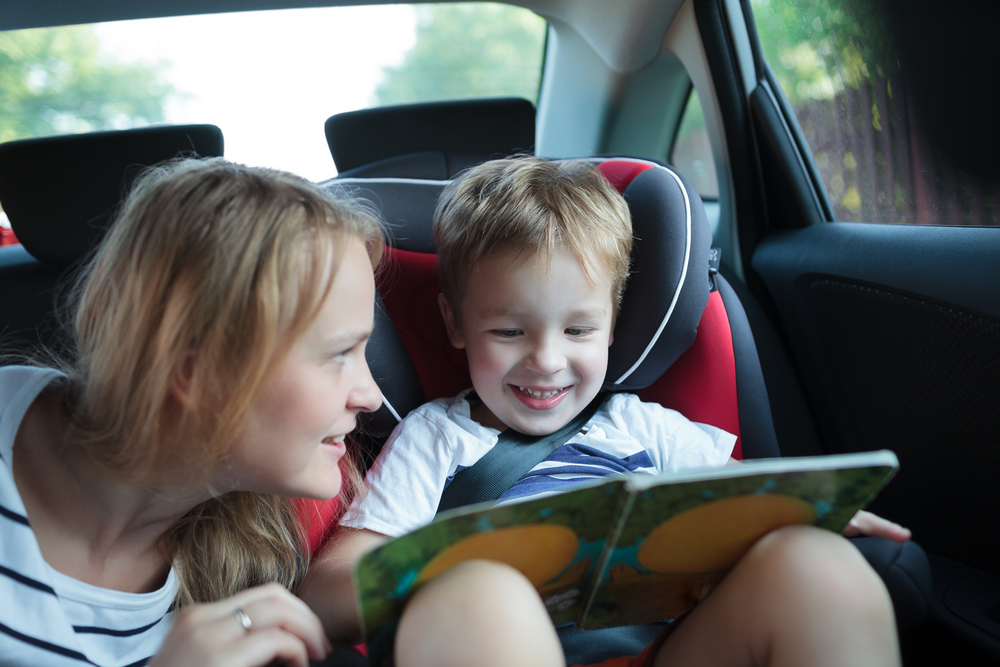



Categorization skills are essential for young children's cognitive development and should be a key focus for parents and teachers of children aged 3-9. These skills involve grouping items based on shared characteristics, allowing children to process and organize information more efficiently. At this developmental stage, categorization helps to enhance memory, enabling children to recall and apply knowledge in various contexts. For example, learning to categorize animals by type (e.g., mammals, birds, fish) helps children make sense of the world around them.
Additionally, categorization skills are foundational for the development of critical thinking and problem-solving abilities. When children sort and classify objects, they learn to observe differences and similarities, make connections, and apply reasoning—skills integral to mathematical and scientific thinking. For instance, exploring shapes and patterns sets the groundwork for understanding more complex concepts later on.
Moreover, strong categorization skills contribute to language development. As children categorize, they expand their vocabulary and improve their communication skills. Describing how items fit into categories requires the use of comparative language and complex sentences.
Therefore, nurturing categorization skills from an early age prepares children for academic success, supports social and language development, and equips them to navigate an increasingly complex world. Engaging in activities like sorting games, storytelling, and thematic projects can make learning categorization enjoyable and highly effective.








