
Chess knowledge Worksheets for Ages 3-9
5 filtered results
Difficulty Level
Grade
Age
-
From - To
Subject
Activity
Standards
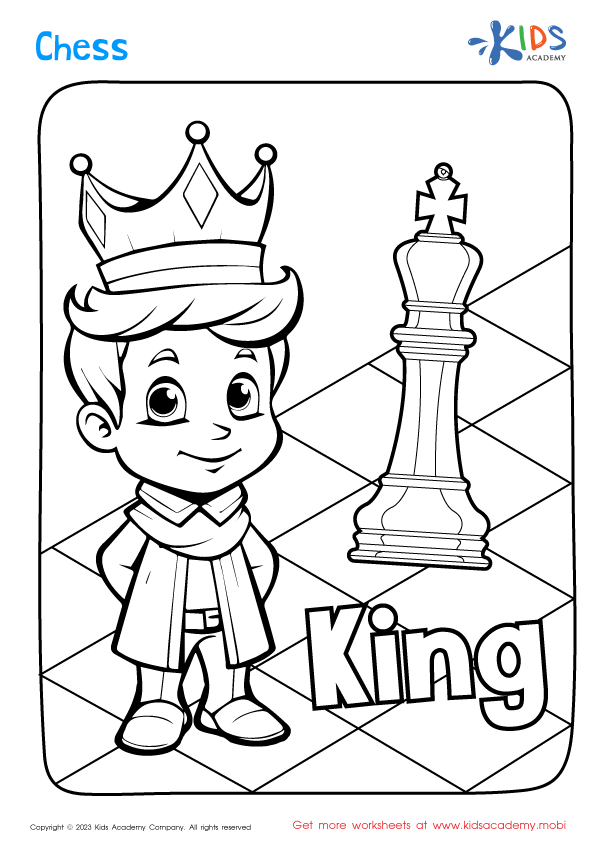
Introduce young minds to the strategic world of chess with our specially designed Chess Knowledge Worksheets for ages 3-9. Each worksheet is crafted to make learning chess fun and accessible, offering a mix of activities that teach essential skills like piece movement, basic rules, and game tactics. Perfect for beginners, our engaging materials help children develop critical thinking, concentration, and problem-solving abilities through interactive challenges and colorful illustrations. Spark an early interest in chess and set the foundation for lifelong learning and enjoyment with our educational worksheets.
Favorites
With answer key
Interactive
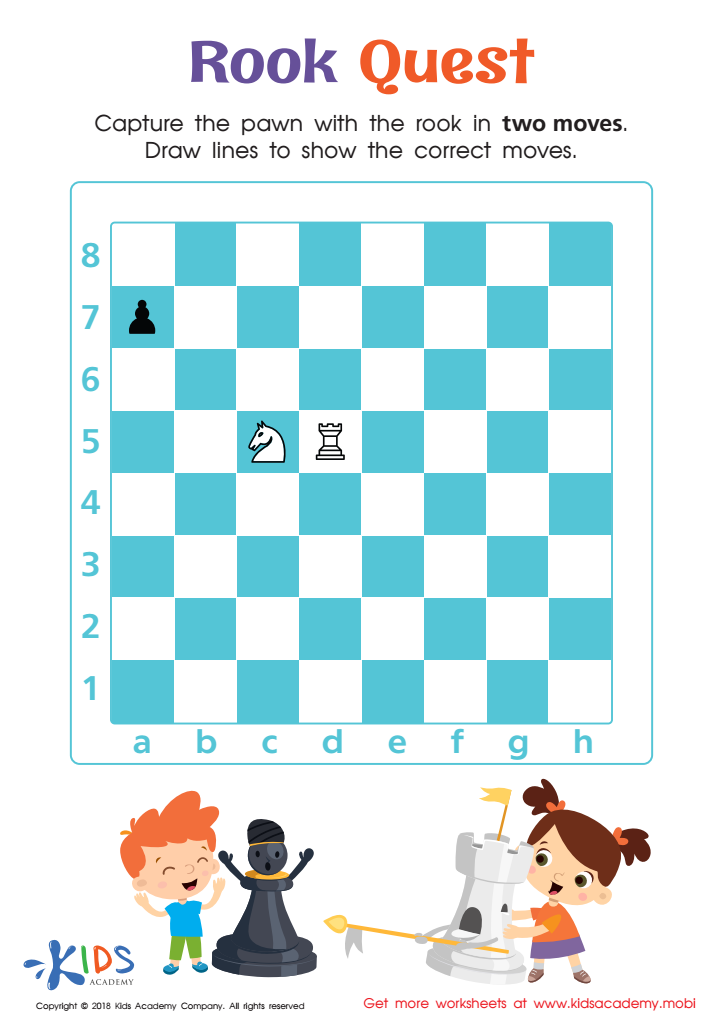
Rook Quest Worksheet
Is your child a chess whiz? Check their progress with this rook quest: get the enemy's pawn piece in just two moves. Have them draw the lines for the moves they'll make. See how quickly they master it!
 Assign to My Students
Rook Quest Worksheet
Worksheet
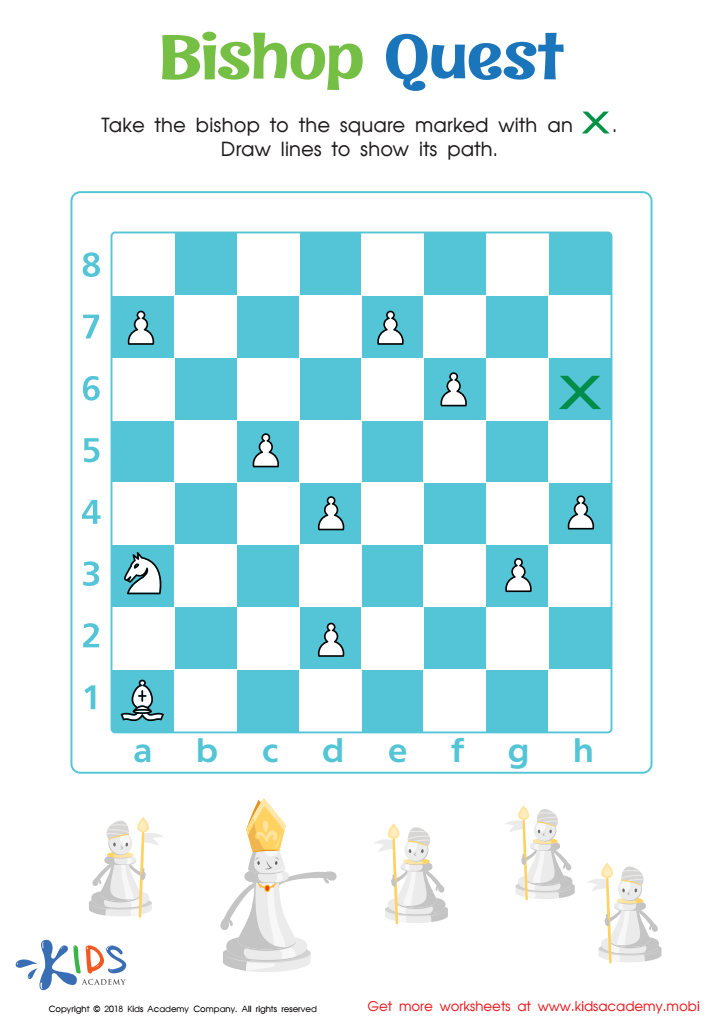
Bishop Quest Worksheet
Show kids the board and ask them to identify the bishop. Then ask them to move it to the square marked 'x', drawing lines to show its path. This worksheet helps teach kids how to move the bishop on a chessboard.
Bishop Quest Worksheet
Worksheet
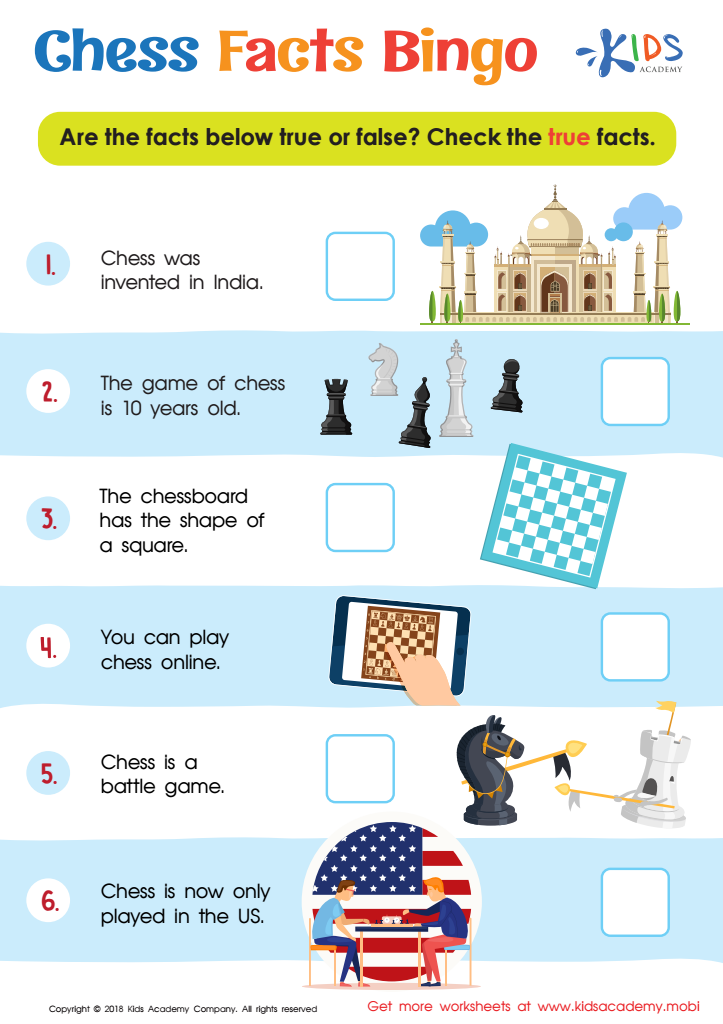
Chess Facts Bingo Worksheet
Help your child assess their knowledge of chess with our simple worksheet. It contains six questions; read them to your child and ask them if the statements are true or false. Once they check the boxes for the true statements, you'll have a better understanding of their understanding of the game.
Chess Facts Bingo Worksheet
Worksheet
Join Kids Academy for Free
Who is primarily going to use this learning content?






Introducing chess to children aged 3-9 holds numerous benefits, making it a valuable addition to early education. Firstly, chess nurtures critical thinking skills. Even simple aspects of the game foster strategic planning, problem solving, and patience. As children learn to anticipate opponents' moves and adapt strategies, they develop foresight and flexibility, essential skills in both academics and everyday life.
Chess also enhances concentration and memory. Regularly playing requires children to focus attentively and remember past games’ outcomes, fostering a sharpened memory. This habit of concentrated thought can translate to improved performance in other areas like math and reading.
Additionally, chess promotes patience and discipline. The game demands thoughtful deliberation rather than impulsive actions; such habits are beneficial for academic environments and many life scenarios.
Interpersonal skills are similarly refined. Through participation in chess, children practice respect, communication, and sportsmanship—both essential when winning graciously or losing with dignity.
It's crucial to recognize that chess is also fun and engaging. While developing these diverse skills, children enjoy the game’s challenge and sense of achievement, promoting a positive learning environment.
Recognizing these multifaceted benefits, parents and teachers should view chess not merely as a game but as a tool for comprehensive development during crucial early developmental years.








