Cultural awareness Worksheets for Ages 3-9
29 filtered results
-
From - To
Cultivate an appreciation for diversity with our engaging Cultural Awareness Worksheets designed for children ages 3-9. These captivating worksheets introduce young learners to various cultures, traditions, and customs through fun and interactive activities. By fostering a deeper understanding of global diversity, our worksheets help children develop empathy, respect, and awareness. Explore colorful pages filled with exciting tasks that make learning about other cultures enjoyable and meaningful. From exploring traditional attire to discovering international cuisines, our Cultural Awareness Worksheets offer a unique, educational experience that broadens young minds, nurturing a sense of global community and inclusion. Perfect for home or classroom use!
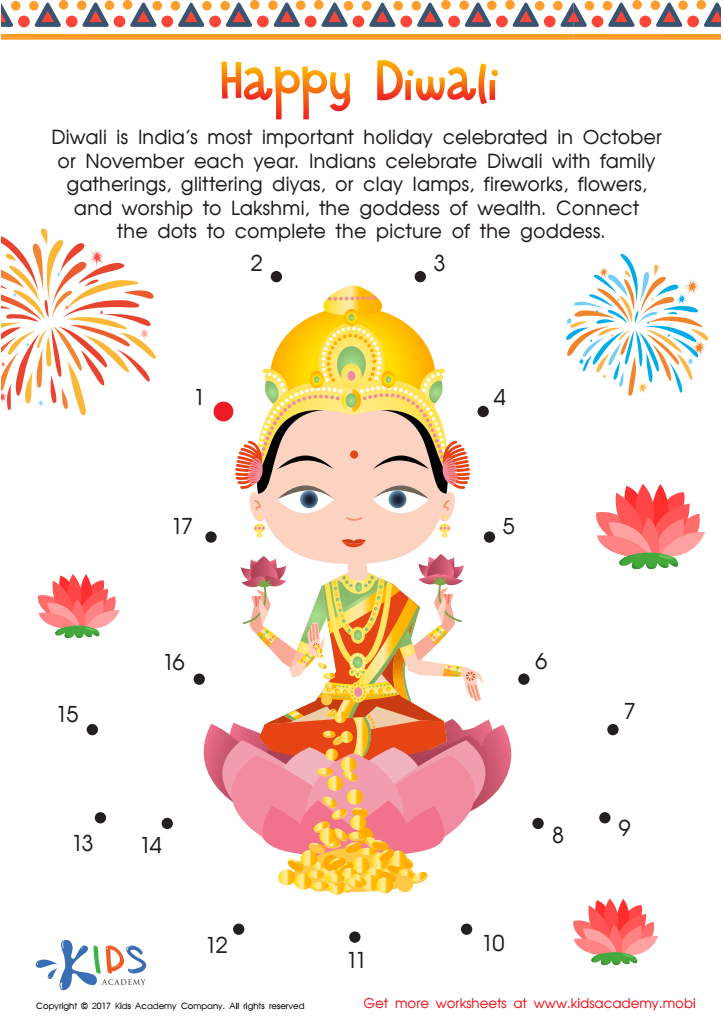
Happy Diwali Printable
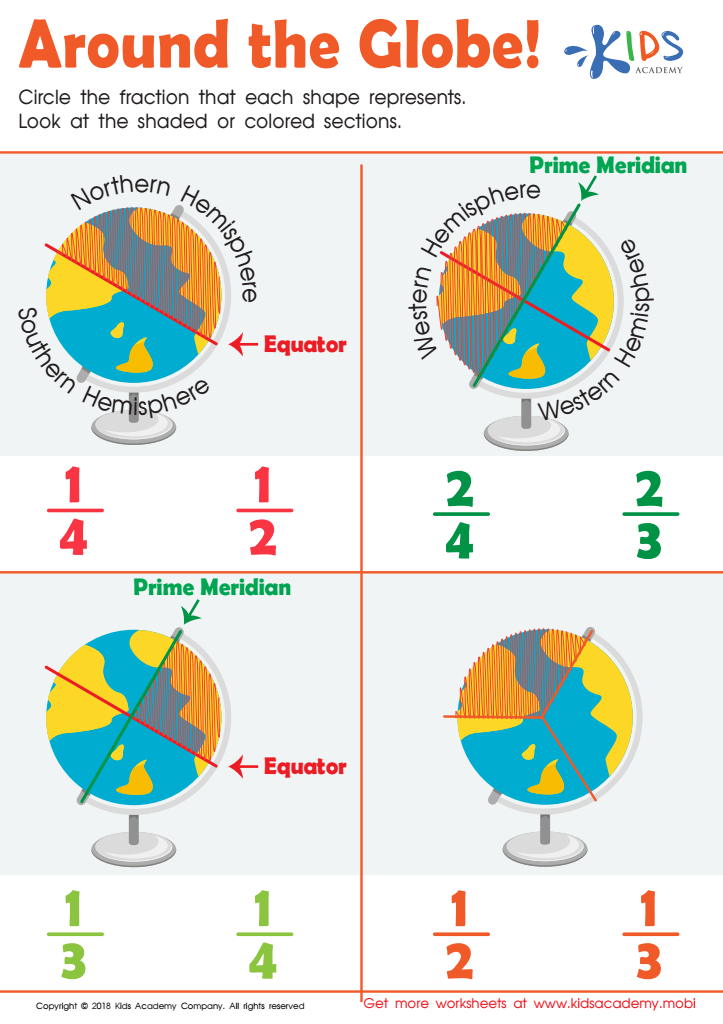
Around the Globe Worksheet
The Netherlands Printable
 Assign to My Students
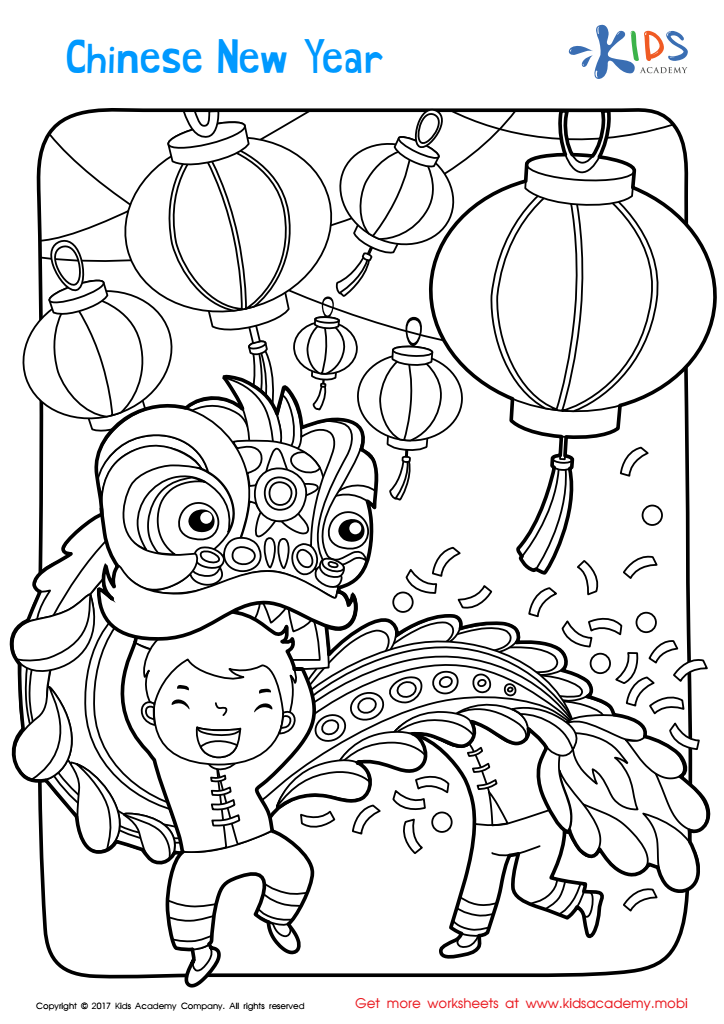
Chinese New Year Worksheet
Assign to My Students
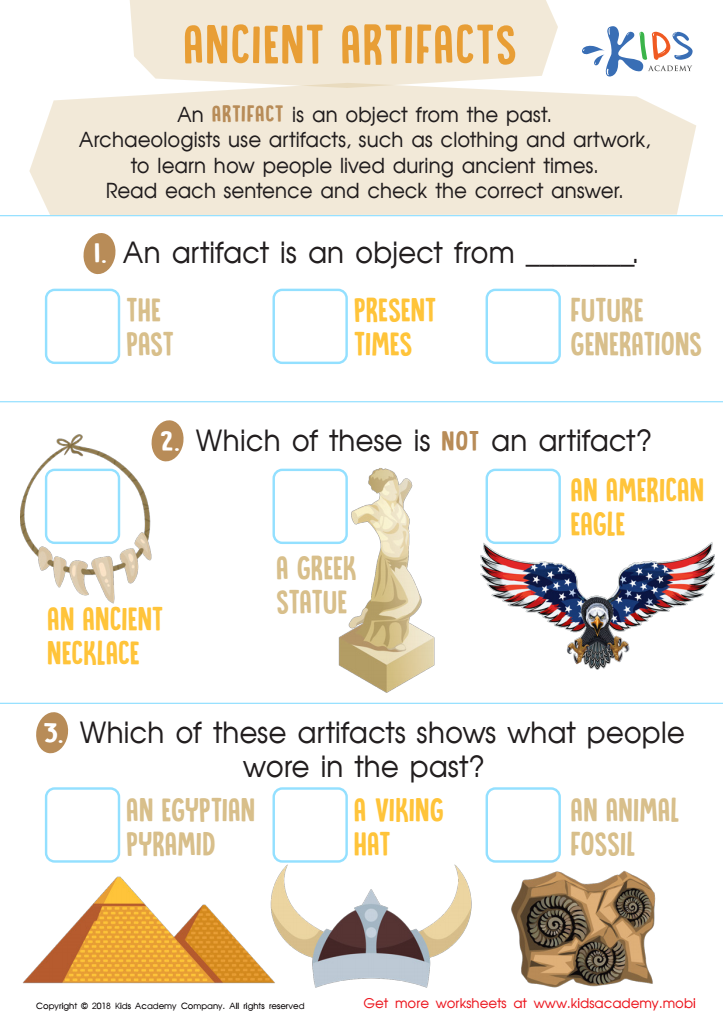
Ancient Artifacts Worksheet
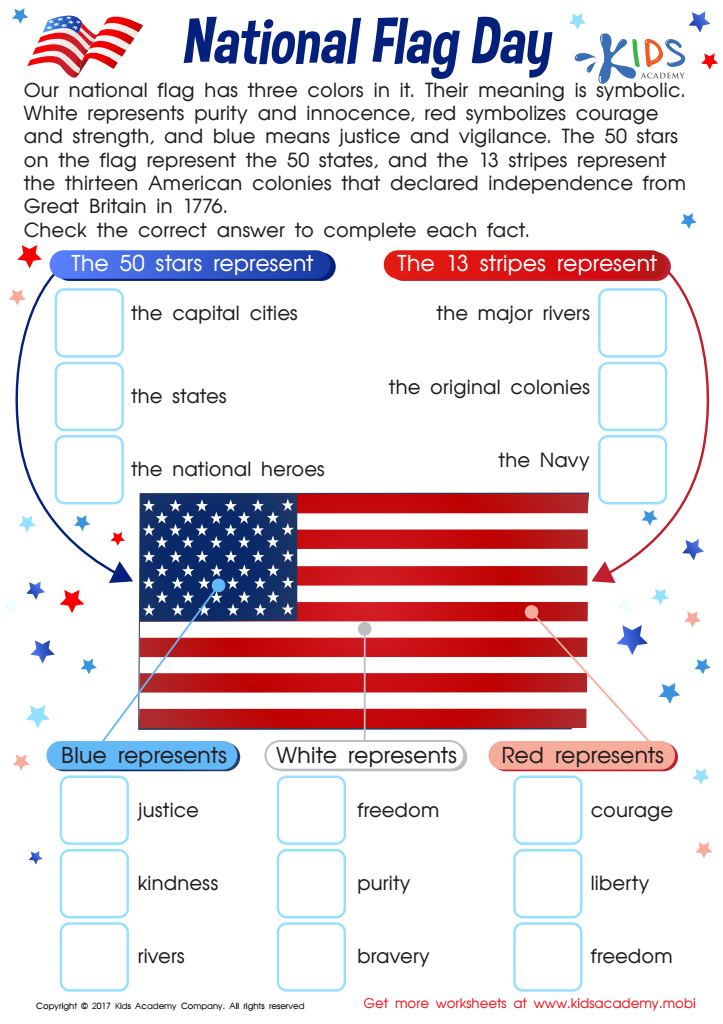
US National Flag Day Worksheet
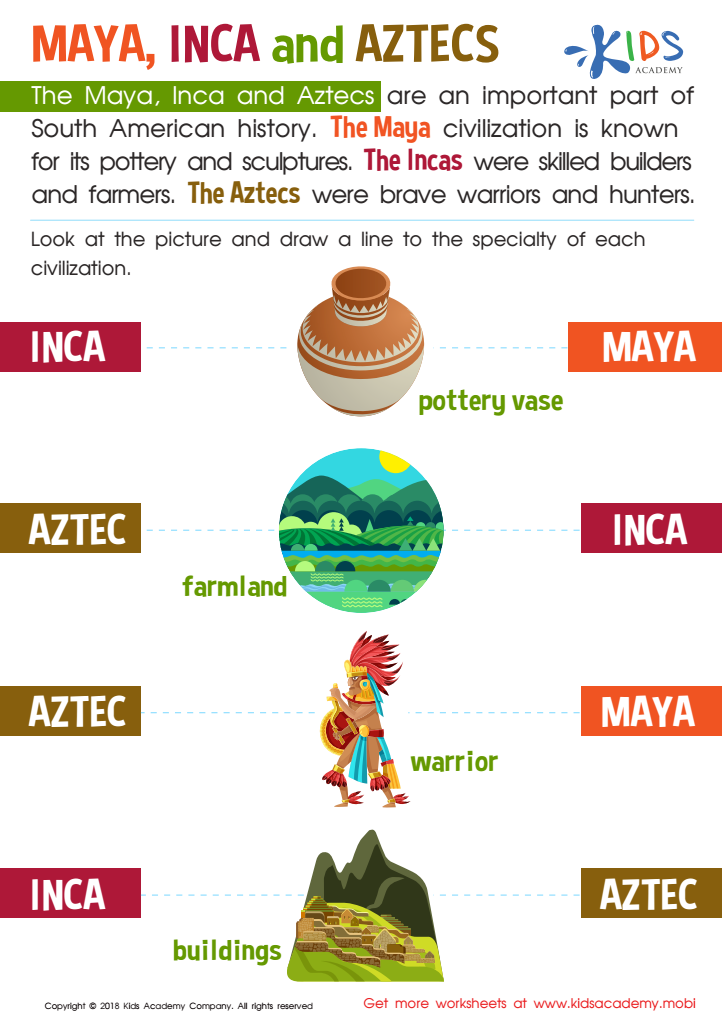
Maya, Inca and Aztecs Worksheet
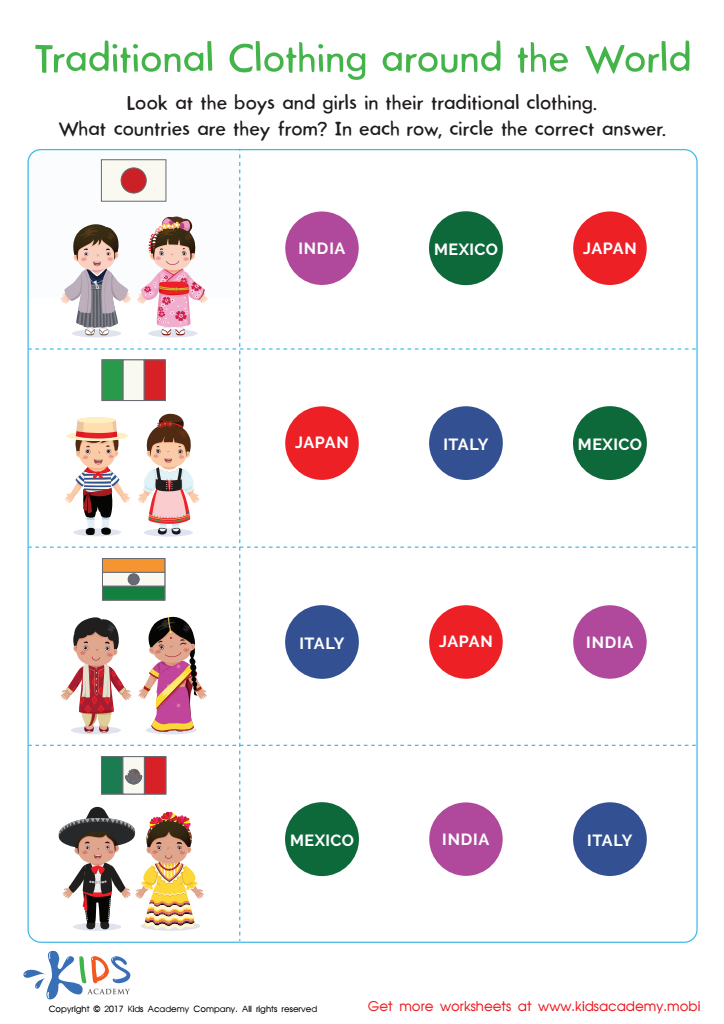
Traditional Clothing Worksheet
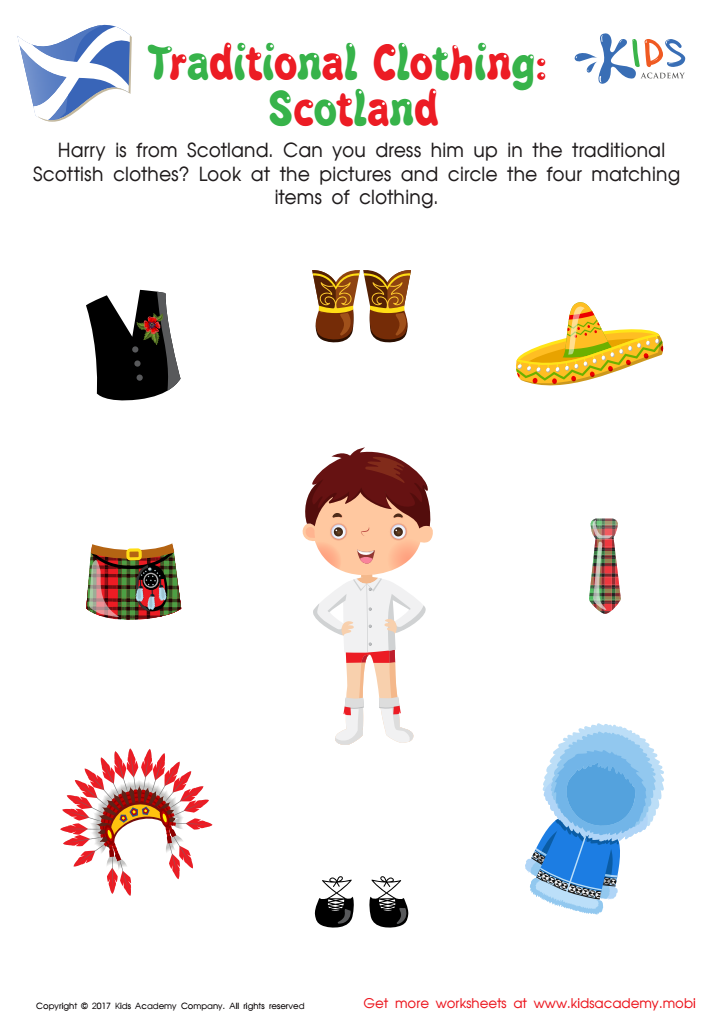
Traditional Clothing in Scotland Worksheet
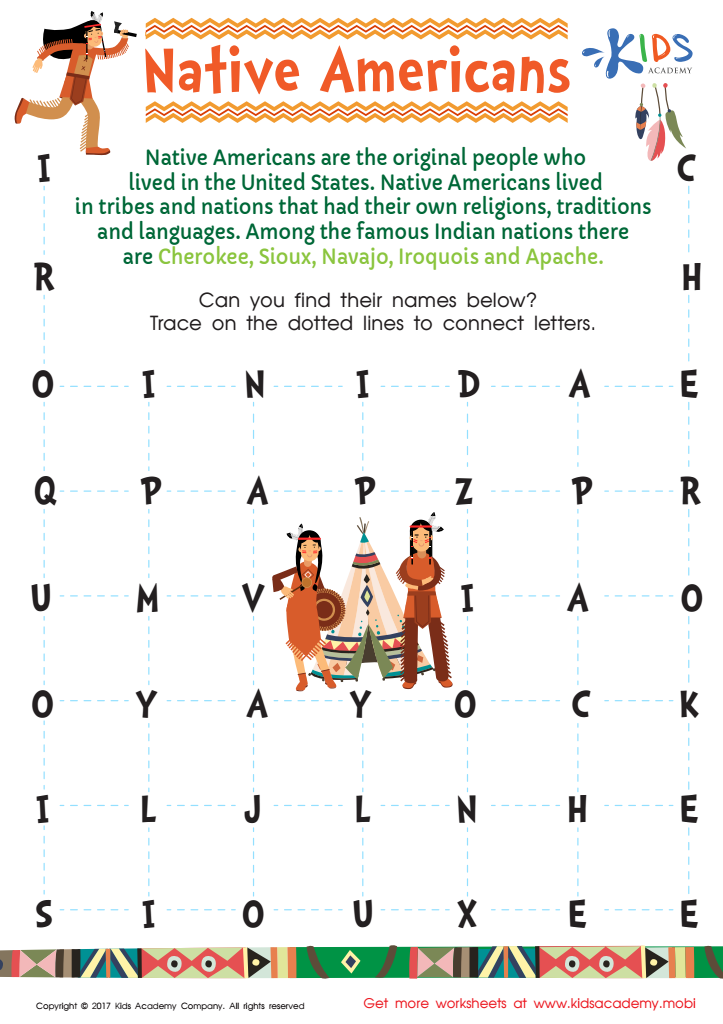
Native American Word Search Printable
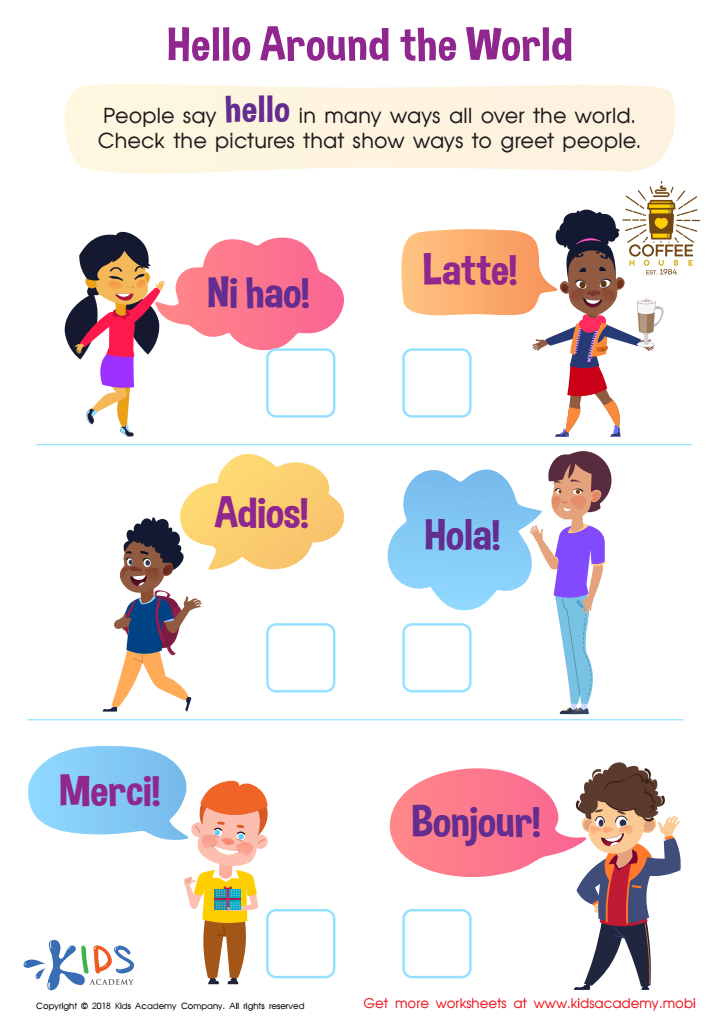
Hello Around the World Worksheet
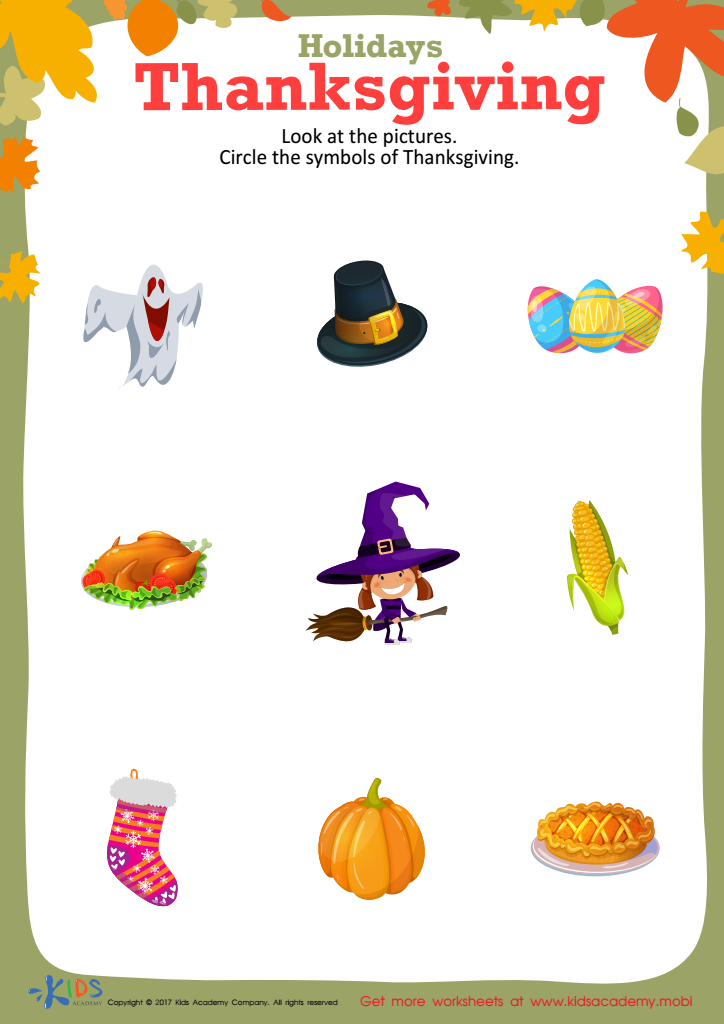
Thanksgiving Holiday Printable
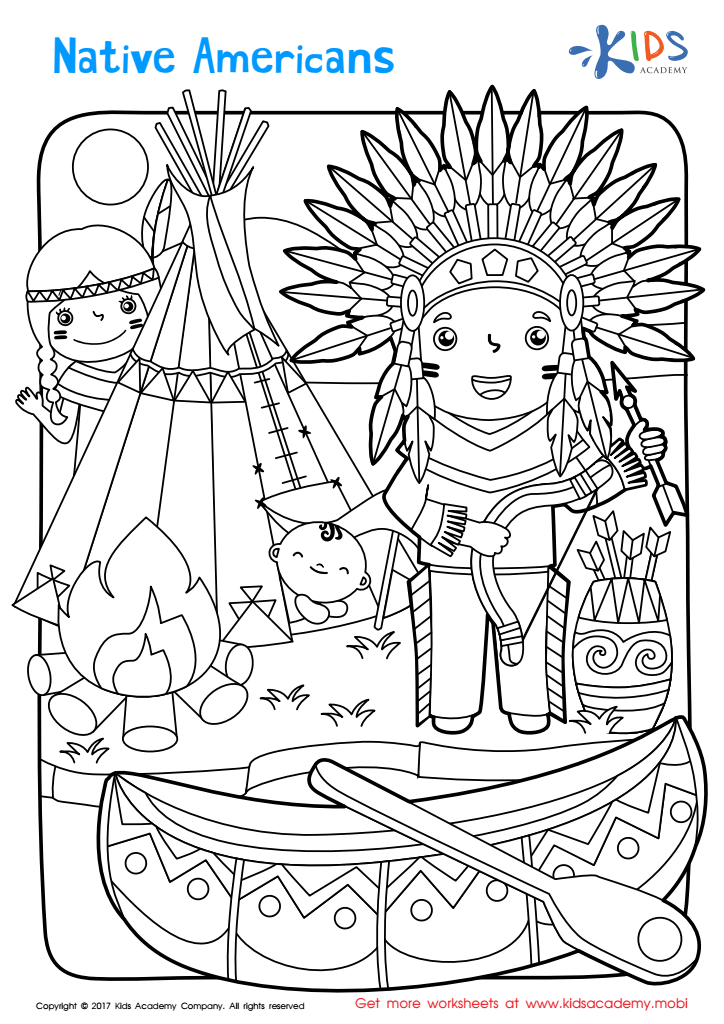
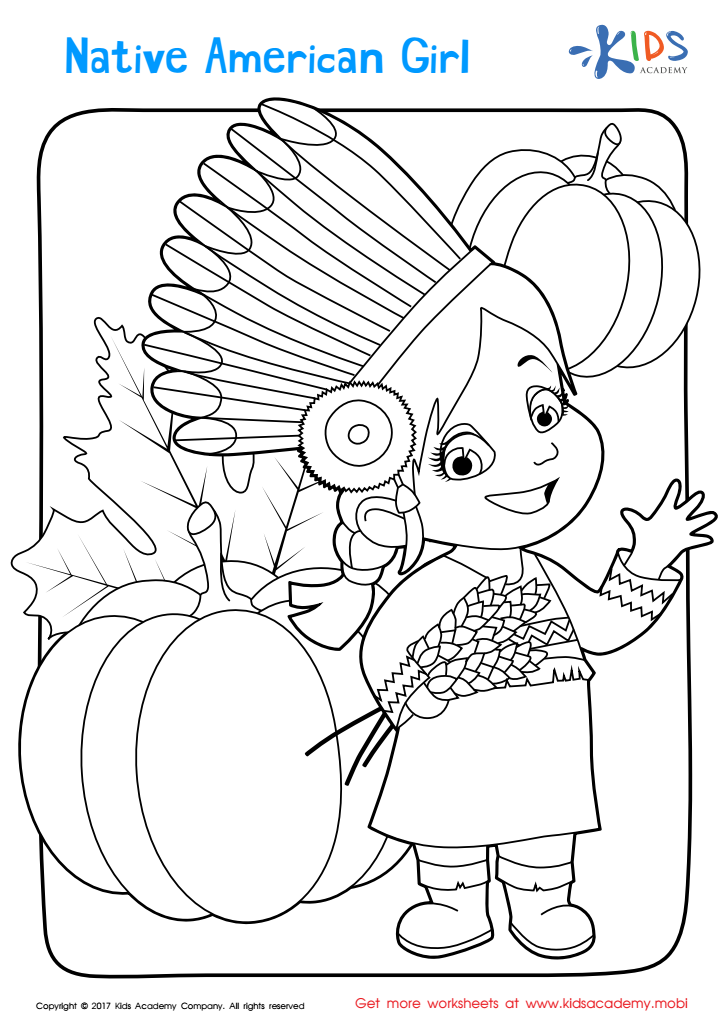
Native American Coloring Page Worksheet
Assign to My Students
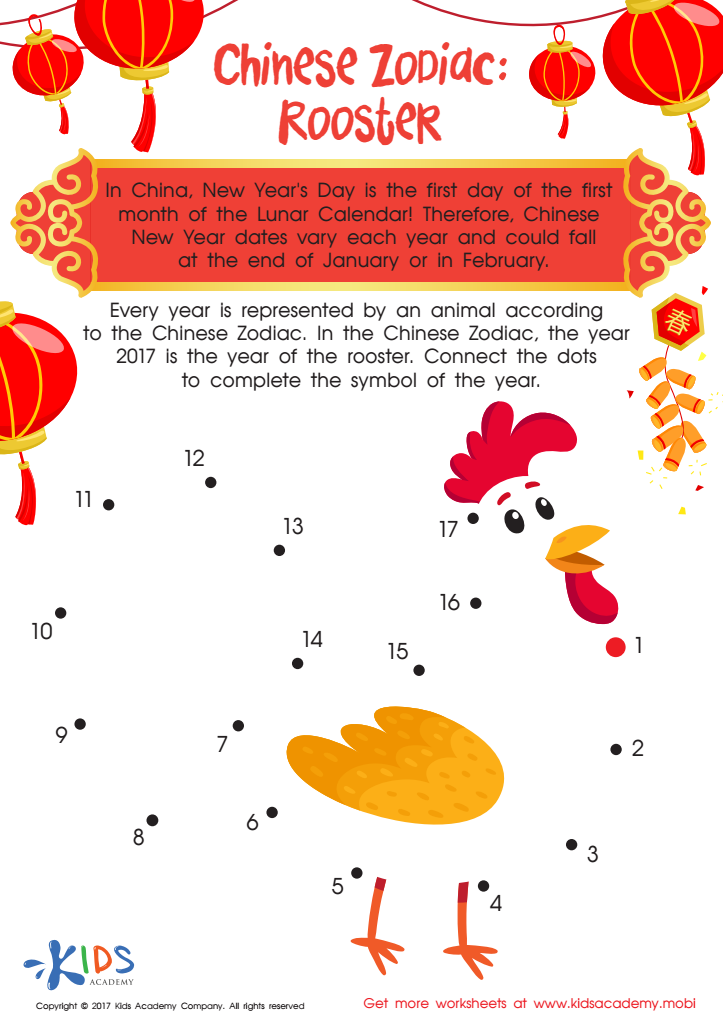
Chinese Zodiac Printable
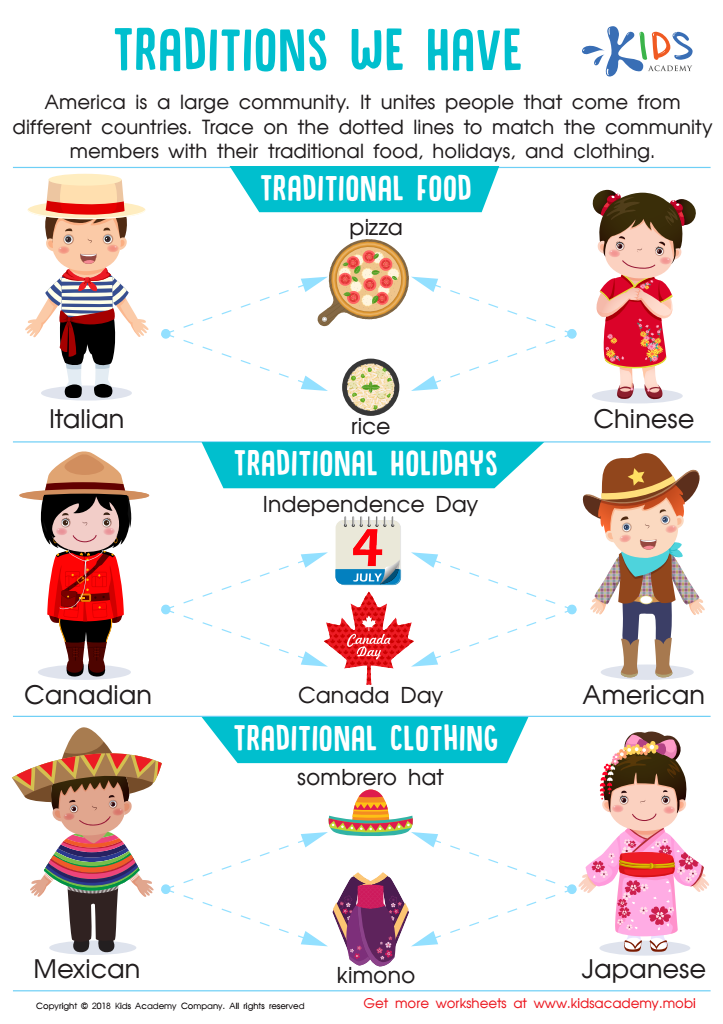
Traditions We Have Worksheet
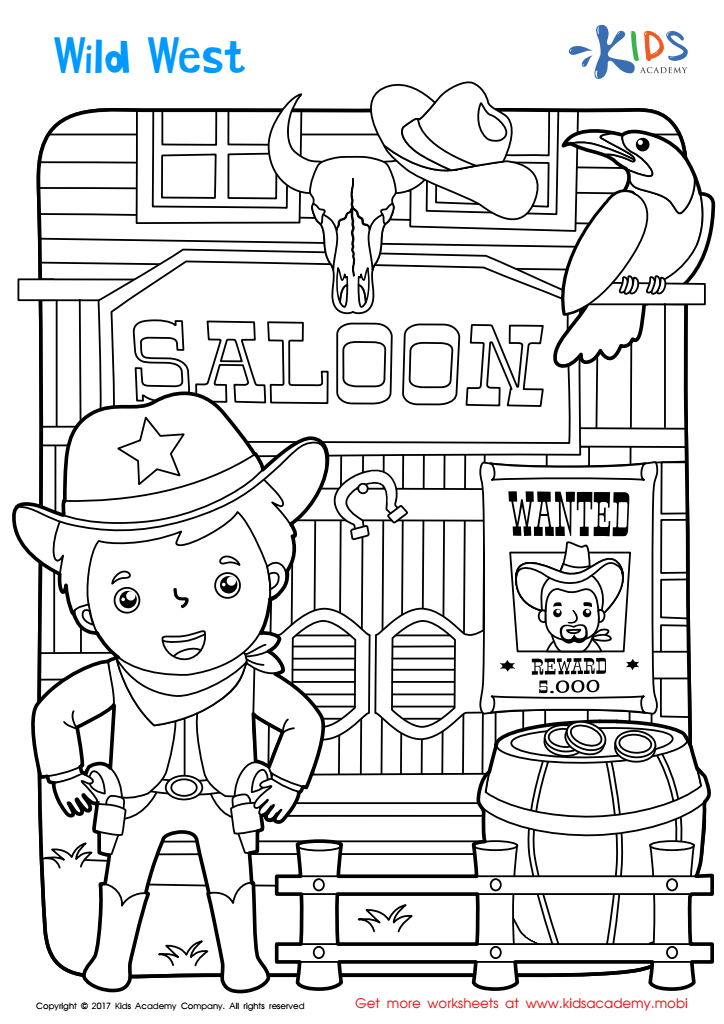
Wild West Coloring Page Printable
Assign to My Students
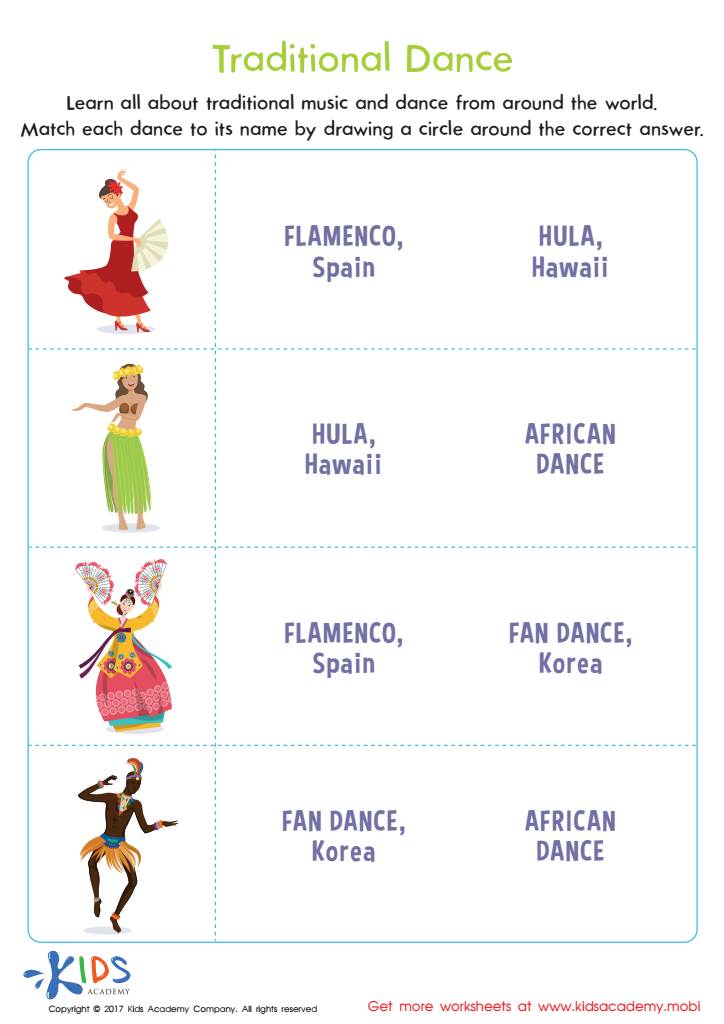
Traditional Dance Printable
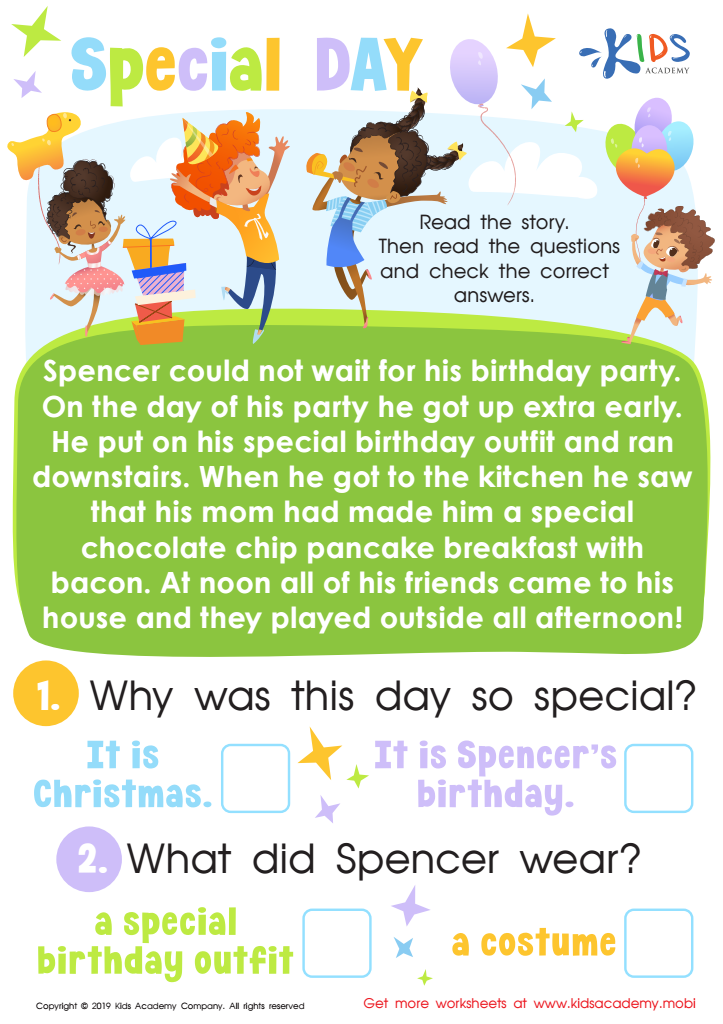
Special Day Worksheet
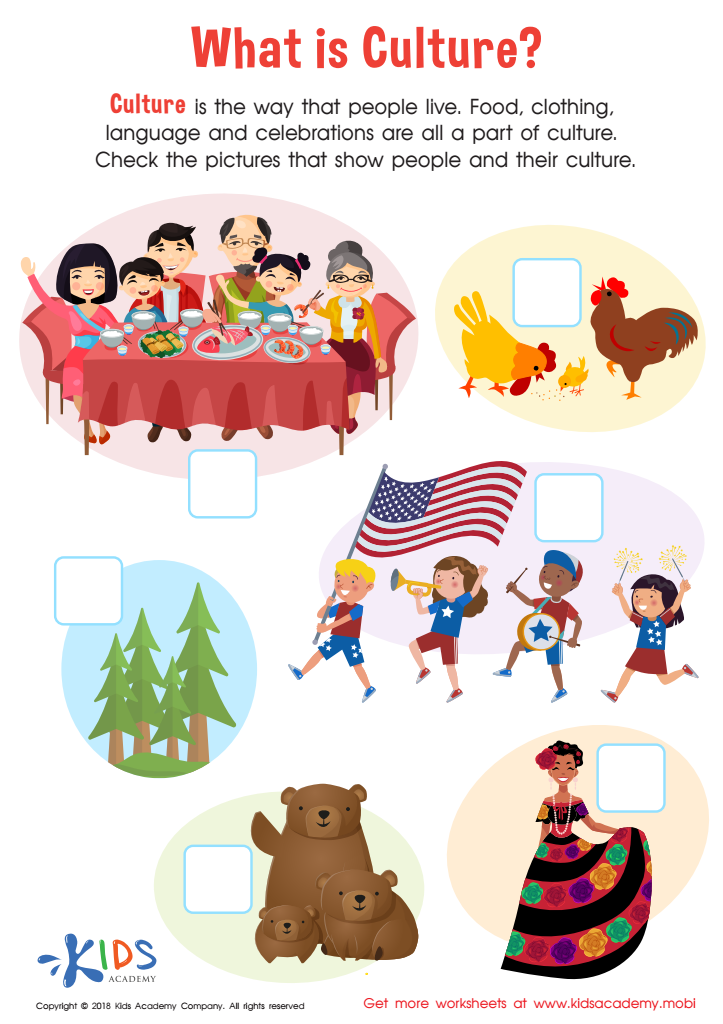
What Is Culture? Worksheet
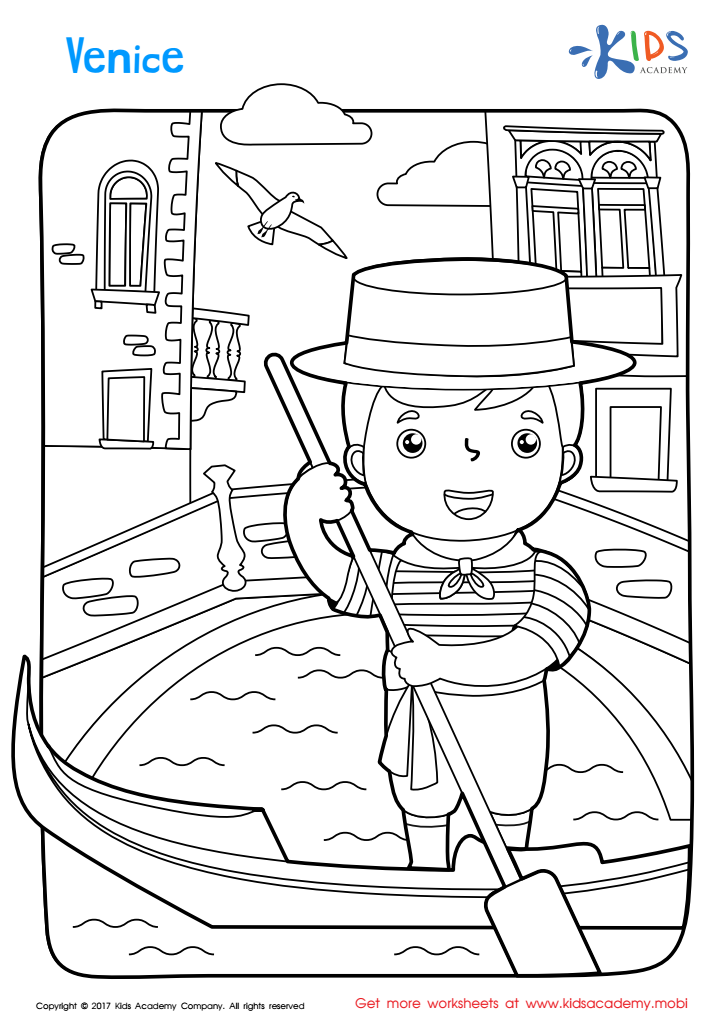
Venice Worksheet
Assign to My Students
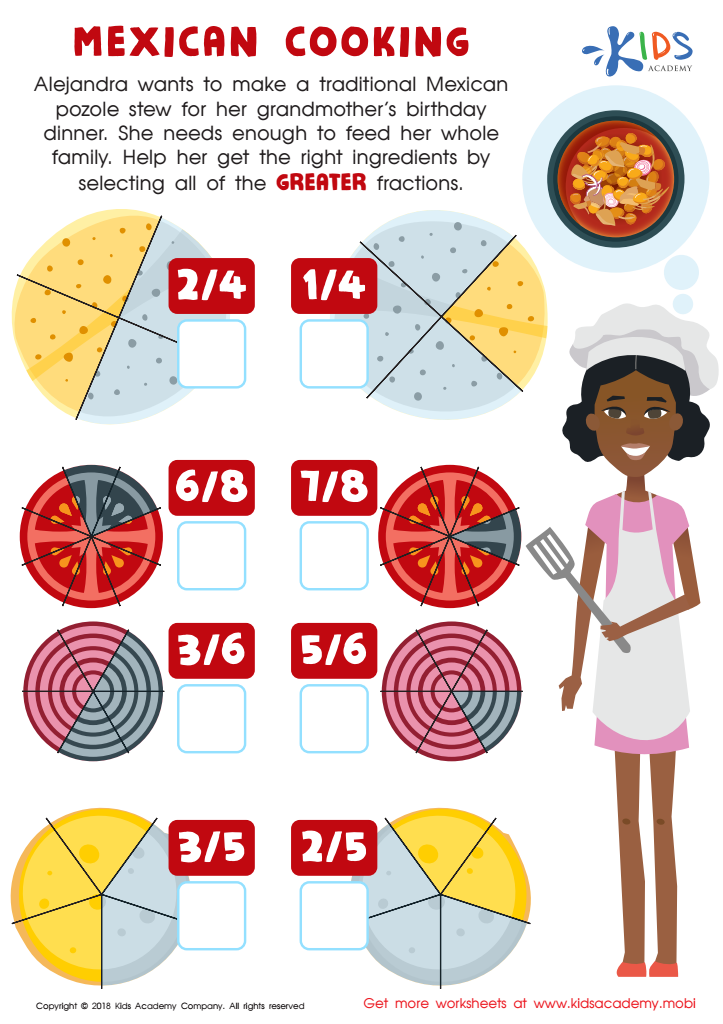
Mexican Cooking Worksheet
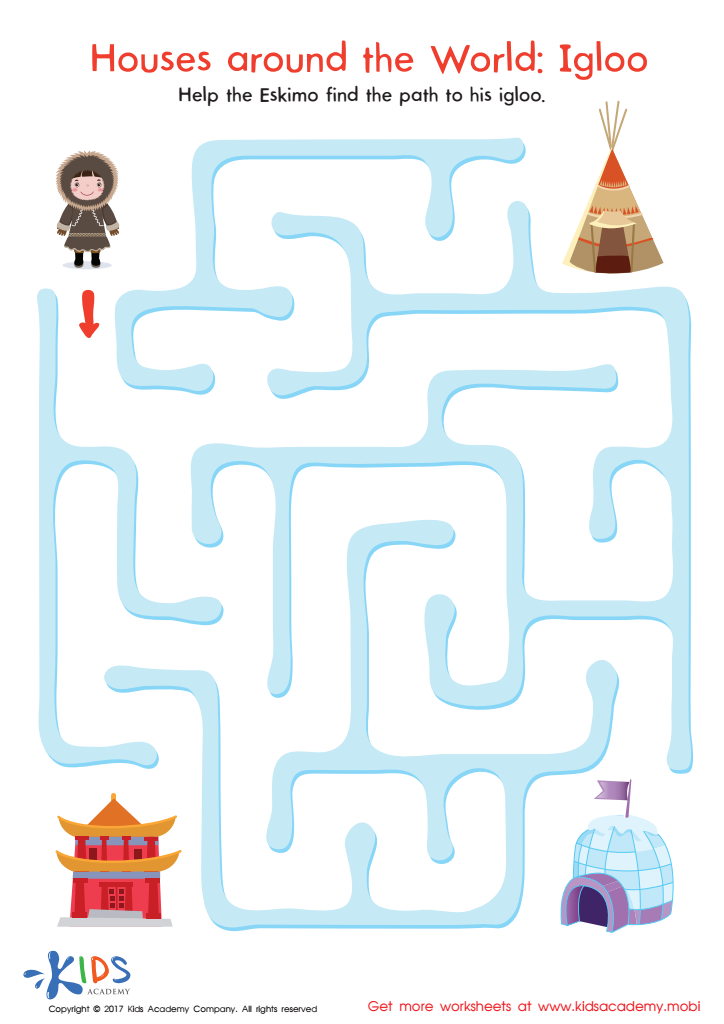
Houses Around the World: Igloo Printable






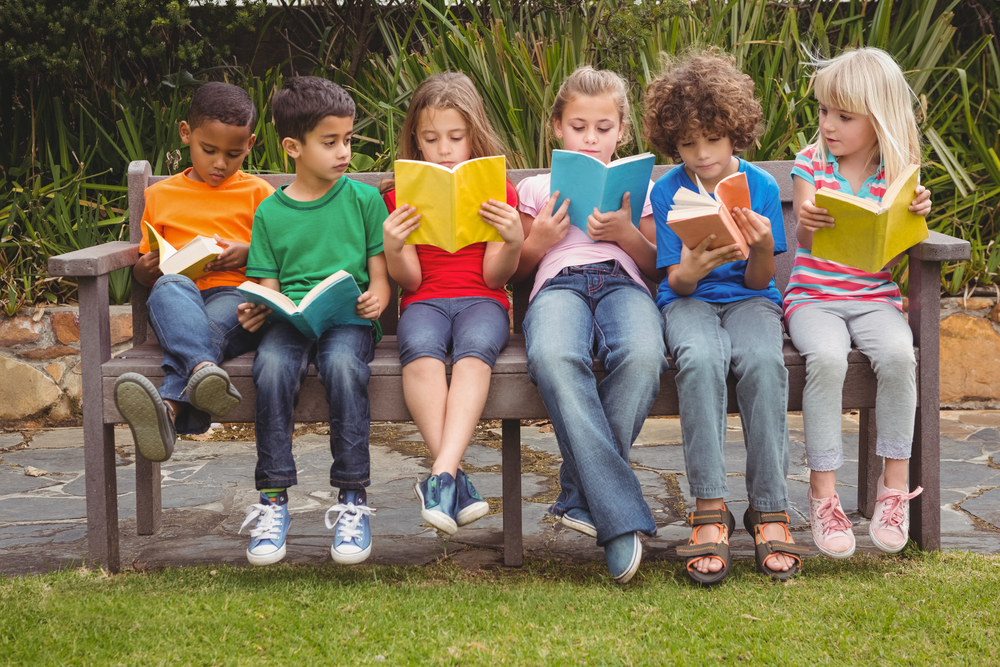
Cultural awareness is crucial for young children as it shapes how they perceive the world and interact with people different from themselves. For ages 3 to 9, their minds are highly impressionable and adaptive, making this the perfect stage to introduce concepts of diversity, respect, and empathy. Teaching cultural awareness at this age helps in several significant ways.
Firstly, it fosters empathy and understanding. When children learn about the customs, traditions, and values of different cultures, they develop an appreciation for diversity. This appreciation nurtures empathy, reducing the likelihood of prejudices and stereotyping.
Secondly, cultural awareness enriches children's social skills. A child who understands and respects differences is better equipped to navigate a multicultural society. These social skills are essential for working in varied environments and forming meaningful relationships.
Thirdly, children experience increased cognitive development. Exposure to different languages, foods, music, and stories broadens their knowledge and critical thinking, making them more adaptive learners.
Finally, celebrating cultural diversity in the classroom or home environment creates inclusive spaces. It leads to a sense of belonging and acceptance among all children, regardless of their backgrounds. By promoting and caring about cultural awareness, parents and teachers can lay the groundwork for a more tolerant, cohesive, and vibrant future generation.








