Directional understanding Worksheets for Ages 3-9
6 filtered results
-
From - To
Enhance your child's spatial awareness and cognitive skills with our Directional Understanding Worksheets for Ages 3-9. Designed by experts, these engaging worksheets feature fun activities that help kids grasp basic directions, including left, right, up, and down. Perfect for preschool and elementary students, our materials transform learning into an adventure, aiding in the development of crucial life skills. From simple arrow-following exercises to complex navigation challenges, our collection caters to various learning levels, ensuring every child progresses confidently. Foster a love for learning and build a strong foundation in directional understanding with these captivating worksheets.
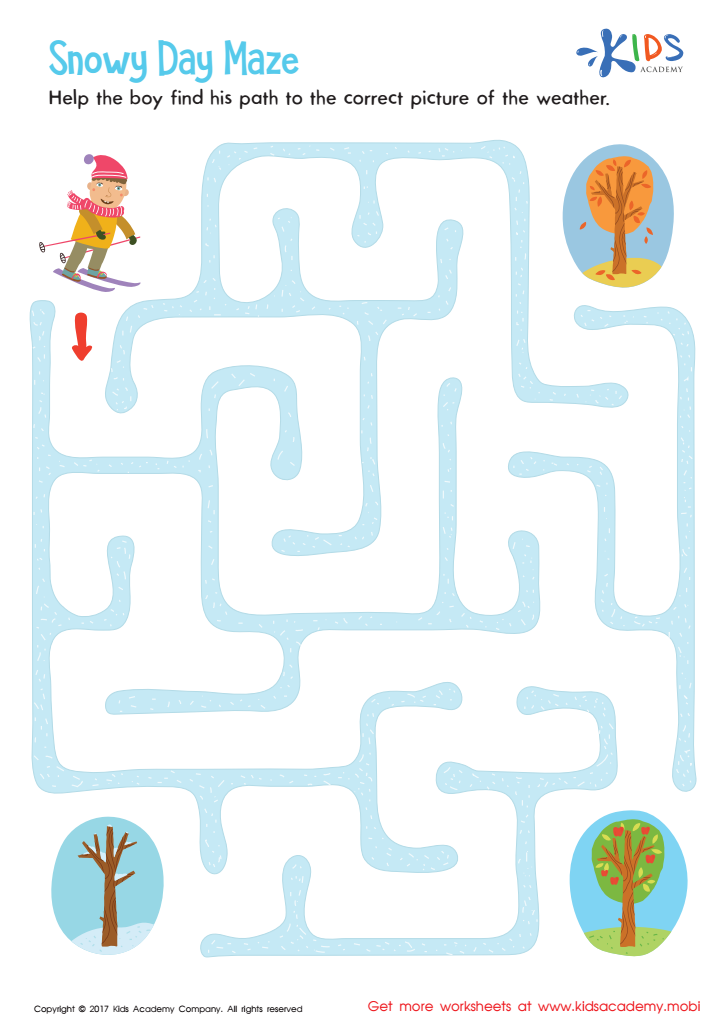
 Assign to My Students
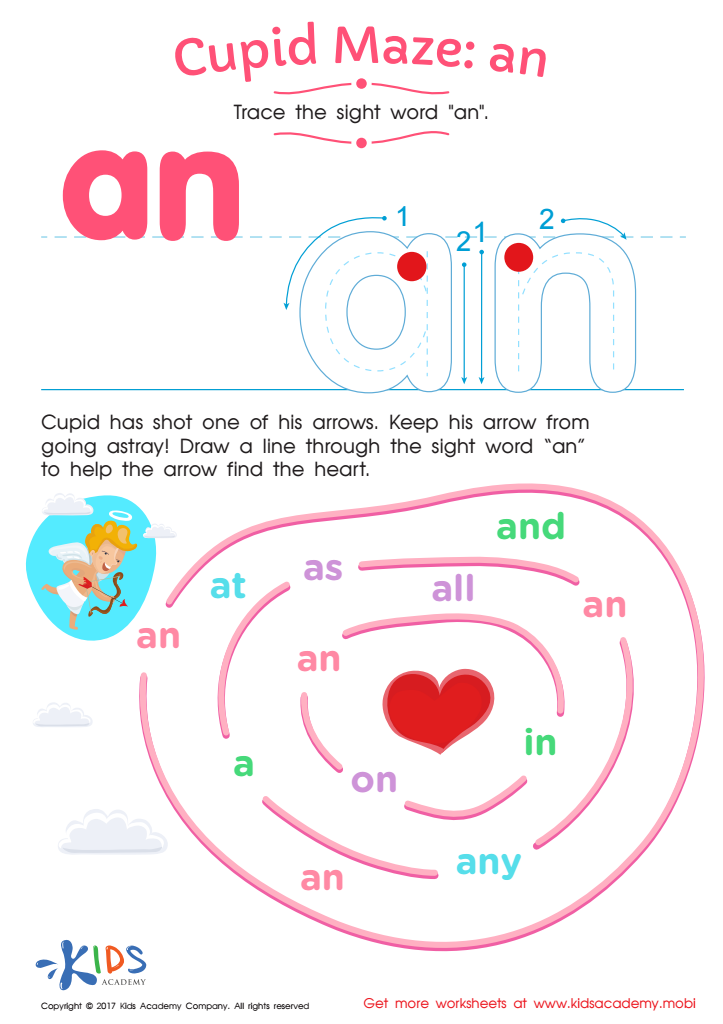
Cupid Maze: An Printable
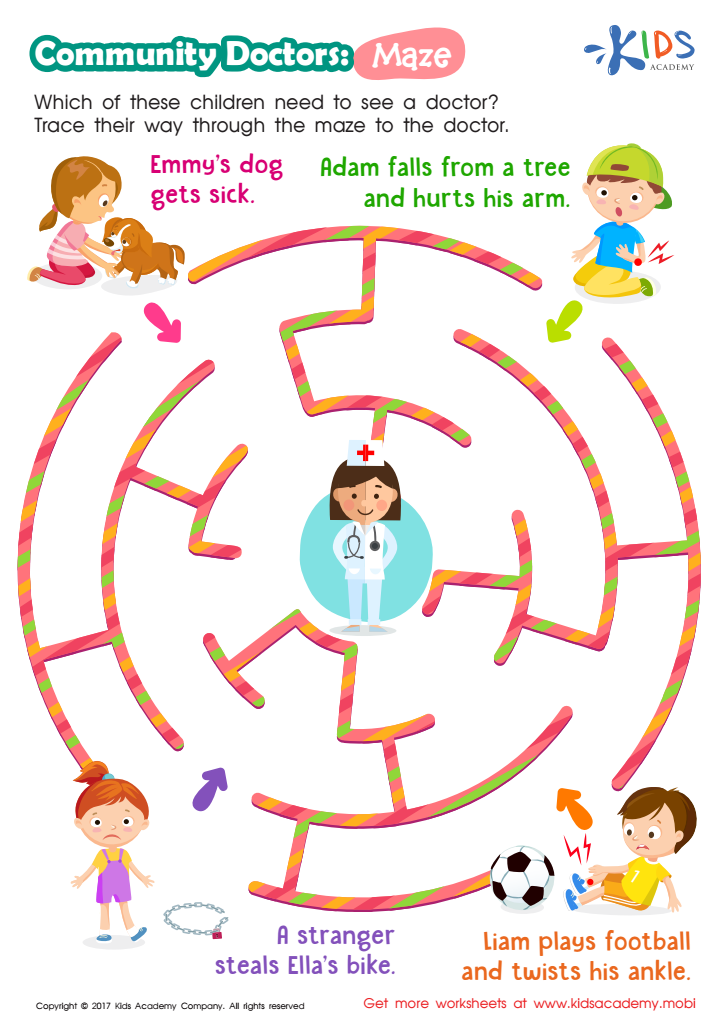
Community Doctors: Maze Printable
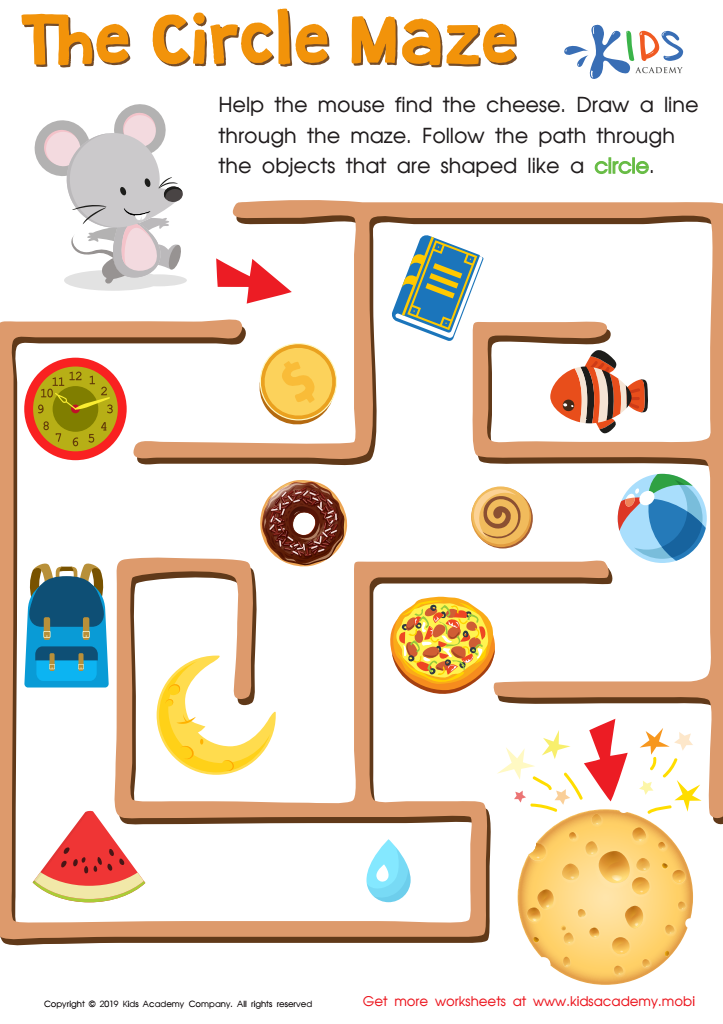
The Circle Maze Worksheet
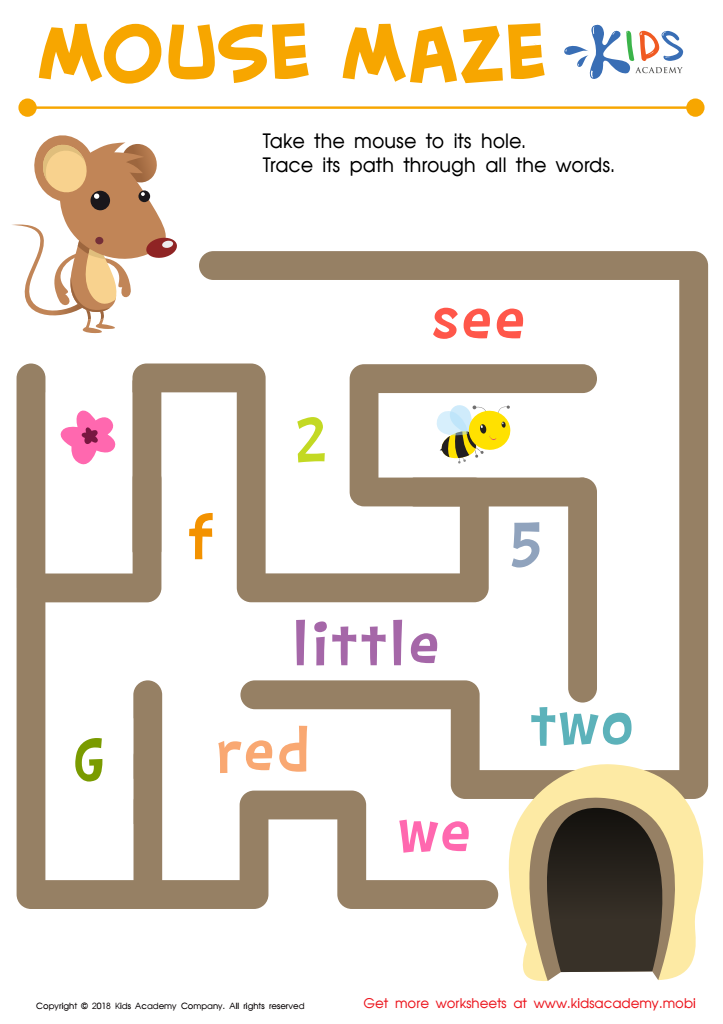
Find Words Mouse Maze Worksheet
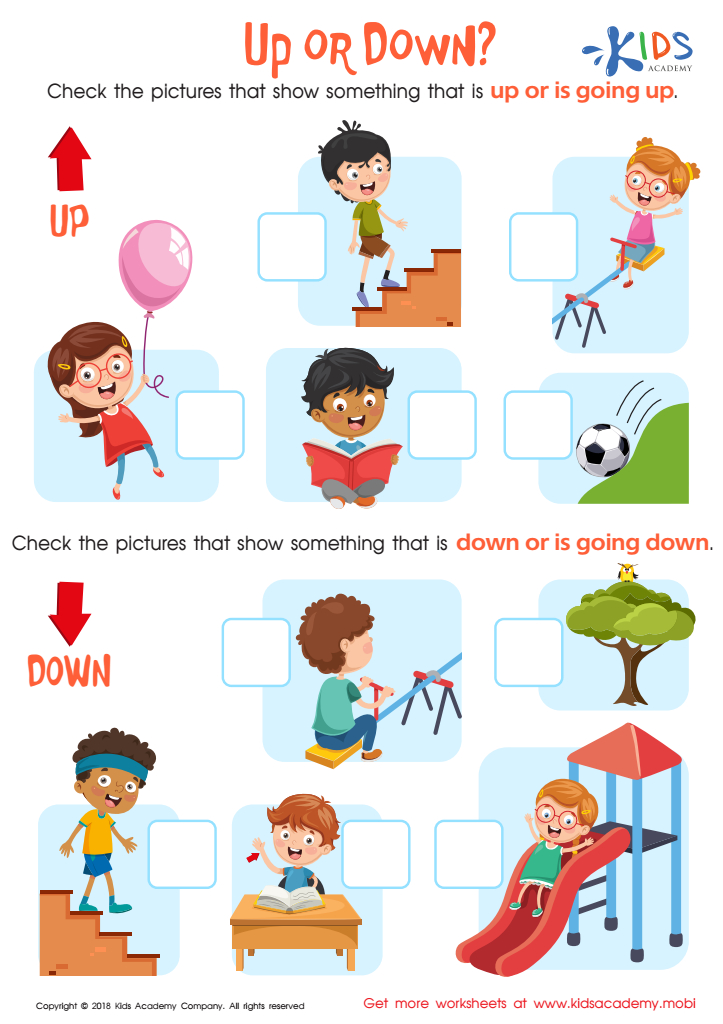
Up or Down Worksheet




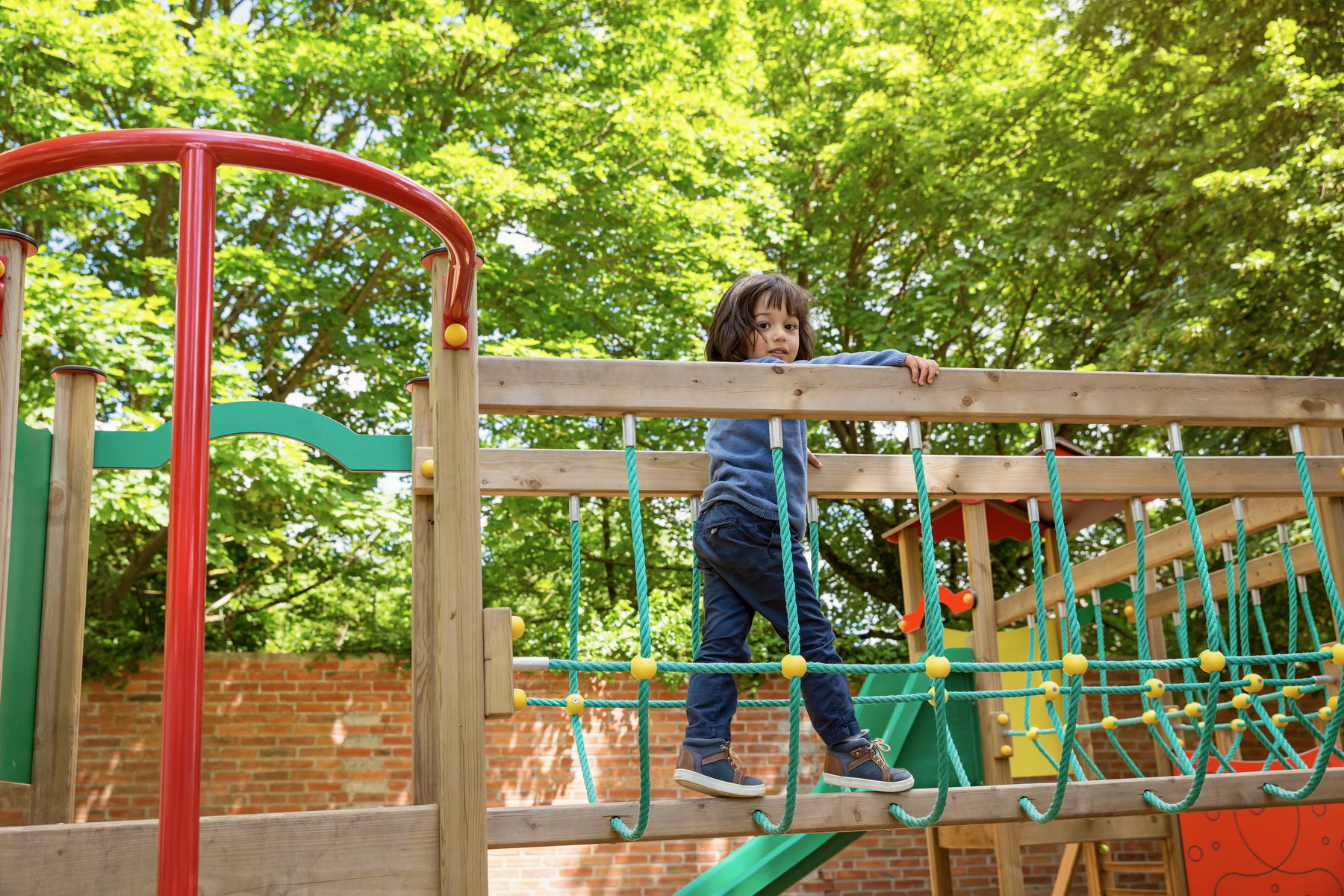

Directional understanding is a fundamental cognitive skill that plays a crucial role in a child's overall development. For children aged 3-9, grasping the concepts of direction (left, right, up, down, etc.) helps form a foundation for more complex tasks in academic and everyday life. Parents and teachers should give importance to this for several reasons.
First, directional understanding is pivotal for language development. Children use directional words to communicate more effectively, describe their environment, and follow or give instructions. This can enhance their vocabulary and sentence structure, facilitating better academic performance, especially in subjects like mathematics and reading where directional terms are frequently used.
Second, this skill is essential for spatial awareness and physical coordination. Activities that involve movement, like sports or even simple playground games, require children to know directions. This not only promotes physical fitness but also boosts cognitive development related to body orientation in space.
Furthermore, a solid grasp of directional understanding aids in building navigation skills. Whether they're learning to read maps in geography classes or finding their way around school or a new environment, knowing directions serves as a critical life skill.
Lastly, an early understanding of directions can reduce anxiety and increase independence. Children feel more confident when they can navigate their world effectively, be it organizing their school supplies or safely crossing the street.
In sum, nurturing directional understanding in early childhood lays a solid groundwork for future academic achievements, social interactions, and everyday problem-solving skills.








