Enhancing number recognition Worksheets for Ages 3-9
4 filtered results
-
From - To
Discover an engaging collection of worksheets designed to enhance number recognition for children ages 3 to 9. Our resources feature fun activities that capture young learners' attention while fostering essential counting skills. From colorful number puzzles to interactive games, these worksheets make learning numbers exciting and effective. Tailored to various age groups, our materials cater to different learning stages, ensuring that every child can develop confidence in their math abilities. Whether at home or in the classroom, our enriching activities provide a solid foundation for future math success. Explore our worksheets today and watch your child excel in number recognition!
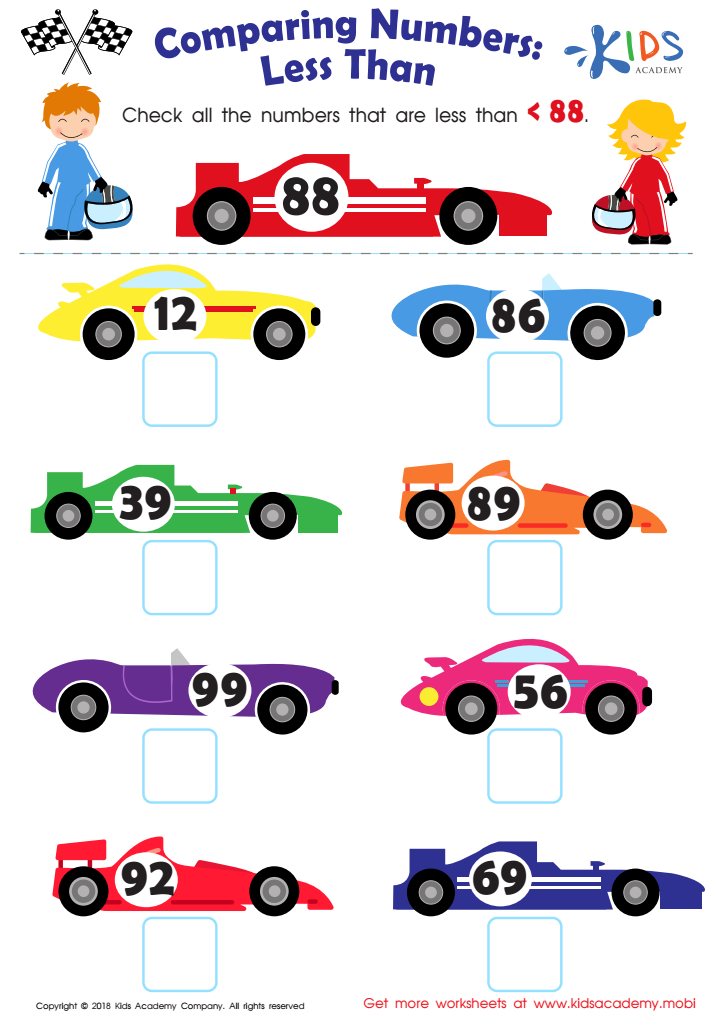
Less Than Worksheet
 Assign to My Students
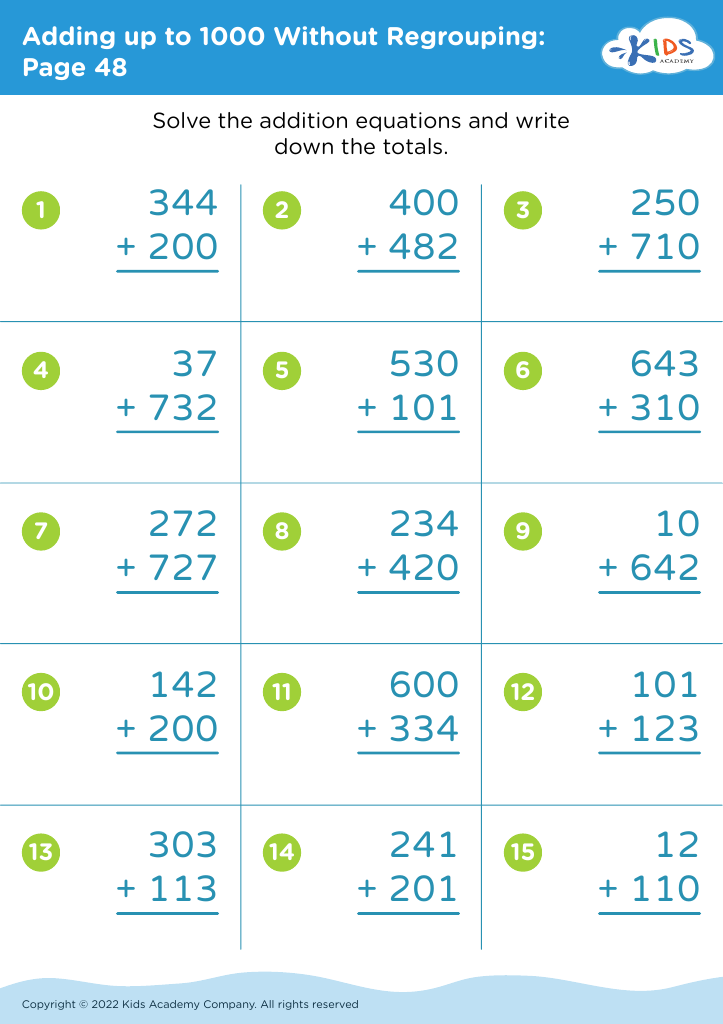
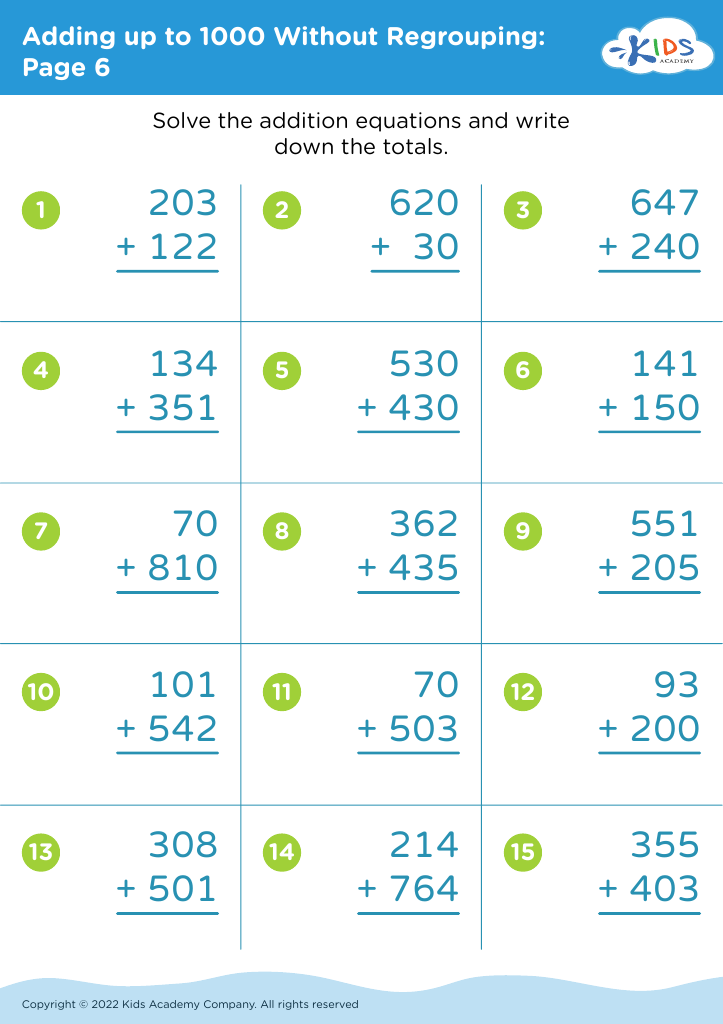
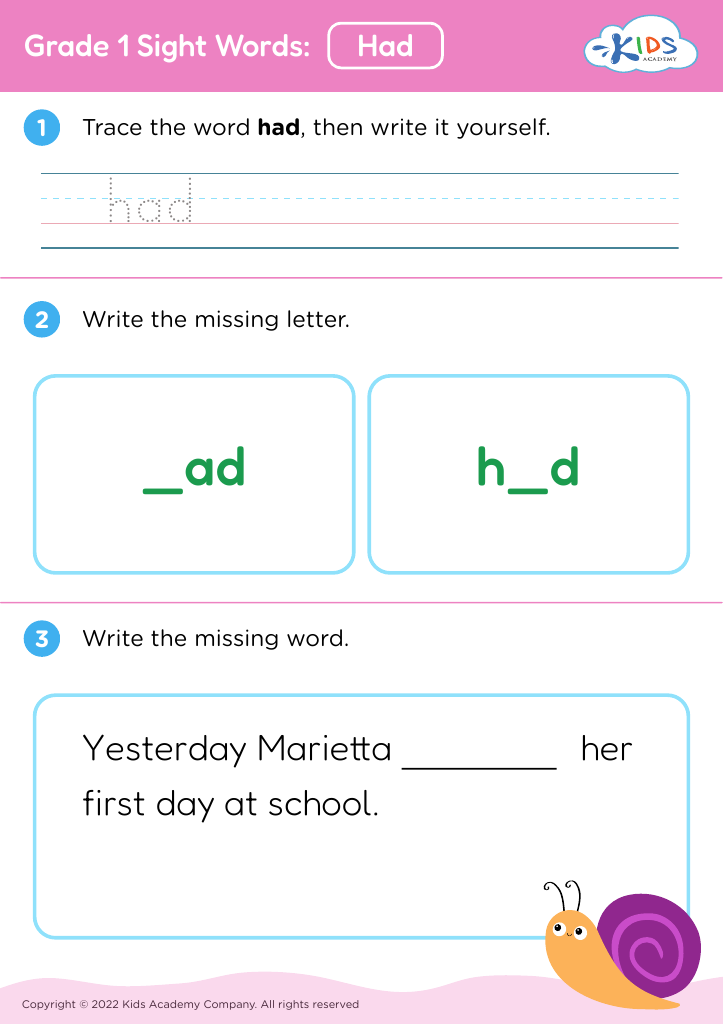








Enhancing number recognition in children aged 3-9 is crucial for several reasons. Firstly, number recognition lays the foundation for essential math skills. Early understanding of numbers helps children develop mathematical concepts such as counting, addition, and subtraction, which are vital for future academic success. Strong number recognition fosters confidence in handling math problems, promoting a positive attitude toward learning.
Additionally, this skill aids in cognitive development, as recognizing numbers supports pattern recognition, sorting, and spatial awareness. It encourages problem-solving abilities and critical thinking, equipping children to tackle challenges across various subjects.
Moreover, enhancing number recognition has societal implications. Children who struggle with math in their formative years are at a higher risk for academic failure. By focusing on number recognition early, parents and teachers can help them build a strong mathematical foundation, reducing the achievement gap and promoting equity in education.
Engaging children in fun and interactive ways, such as games or everyday counting activities, can make learning enjoyable. When parents and teachers collaborate in this endeavor, they foster a lifelong passion for learning and instill essential skills that extend beyond the classroom, thereby securing a brighter future for children.








