Fine Motor Skills Worksheets for Ages 3-9 - Page 17
401 filtered results
-
From - To
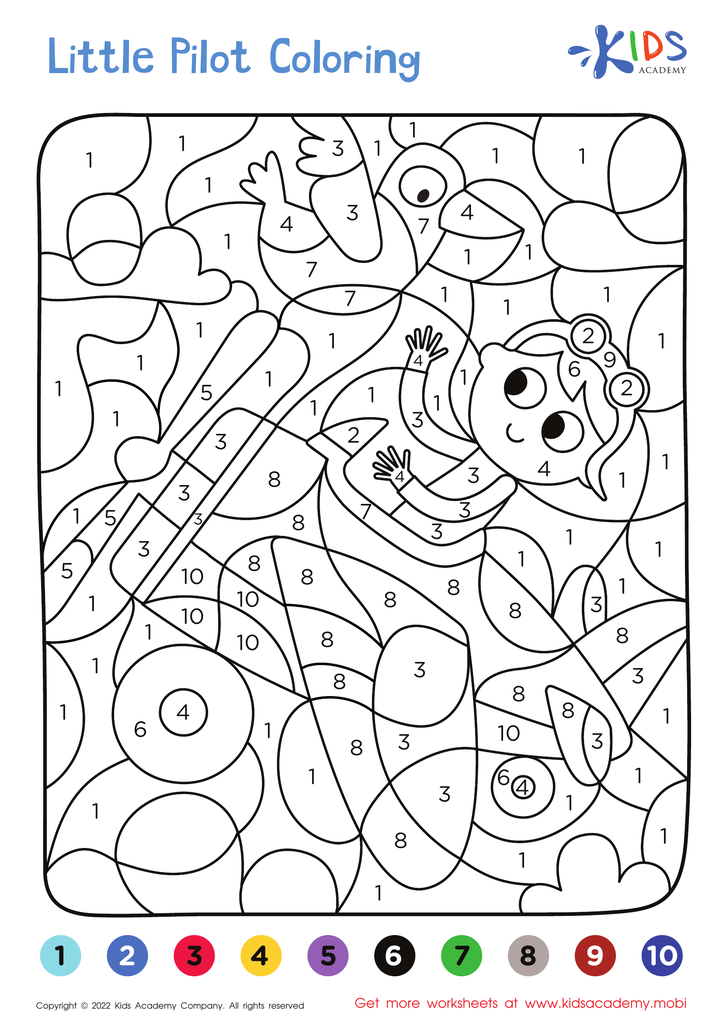
Little Pilot – Coloring by Numbers
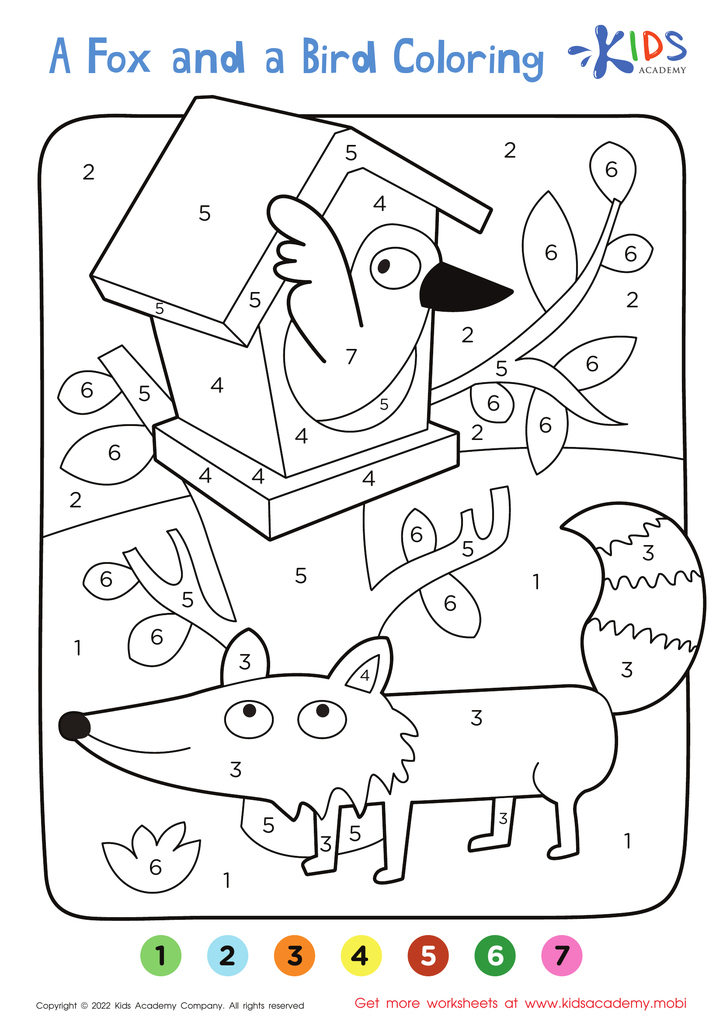
A Fox and a Bird – Coloring by Numbers
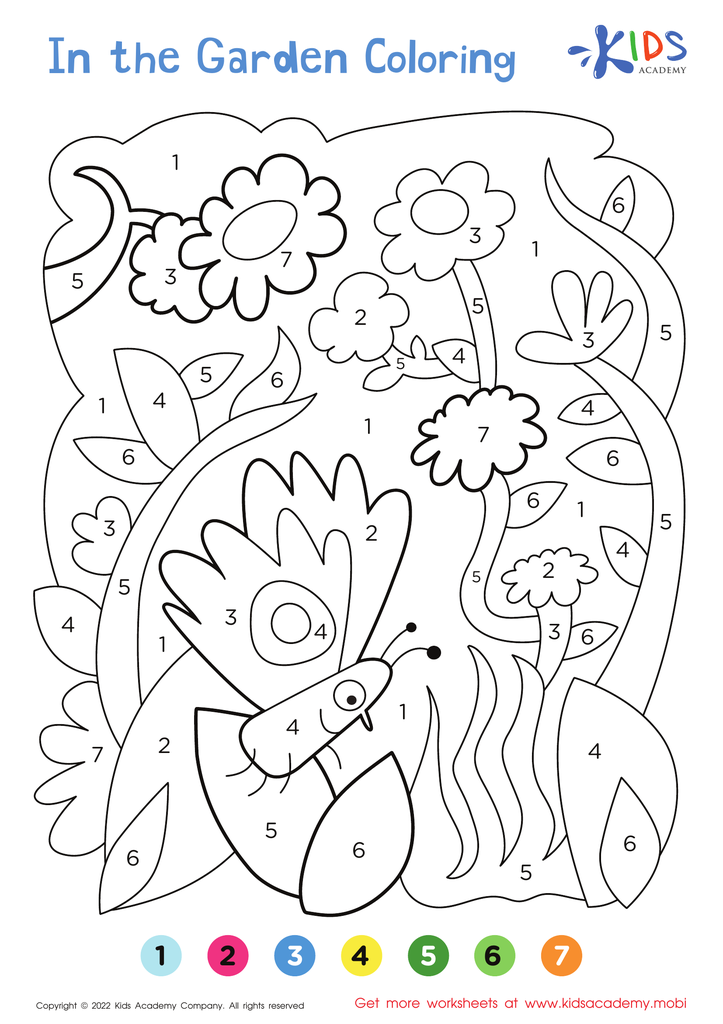
In the Garden – Coloring by Numbers
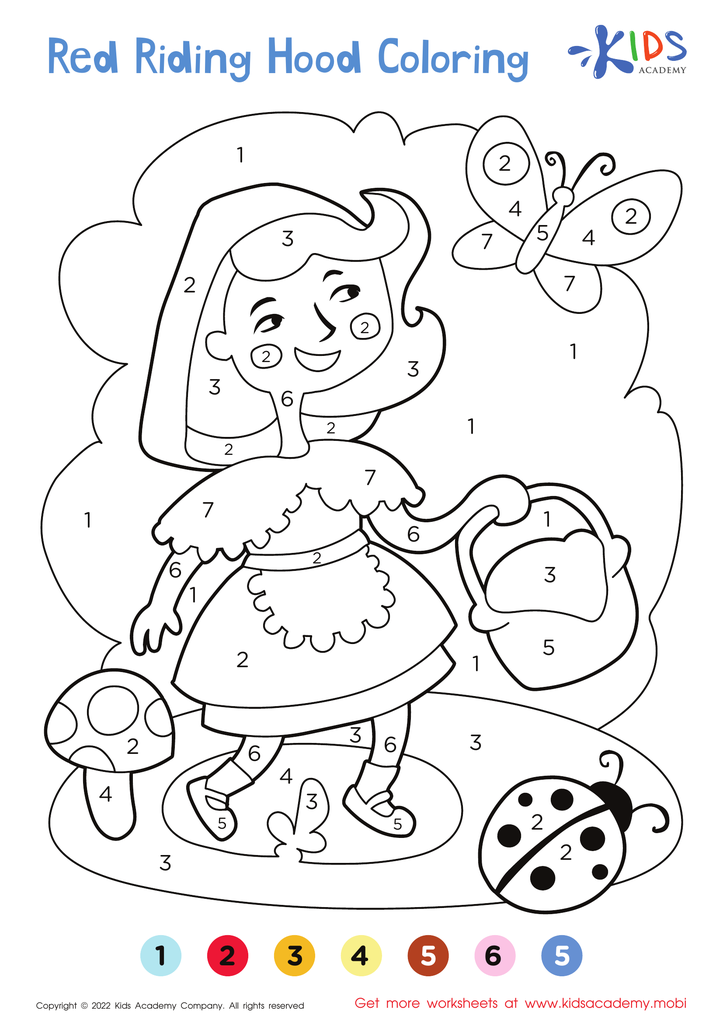
Little Red Riding Hood – Coloring by Numbers
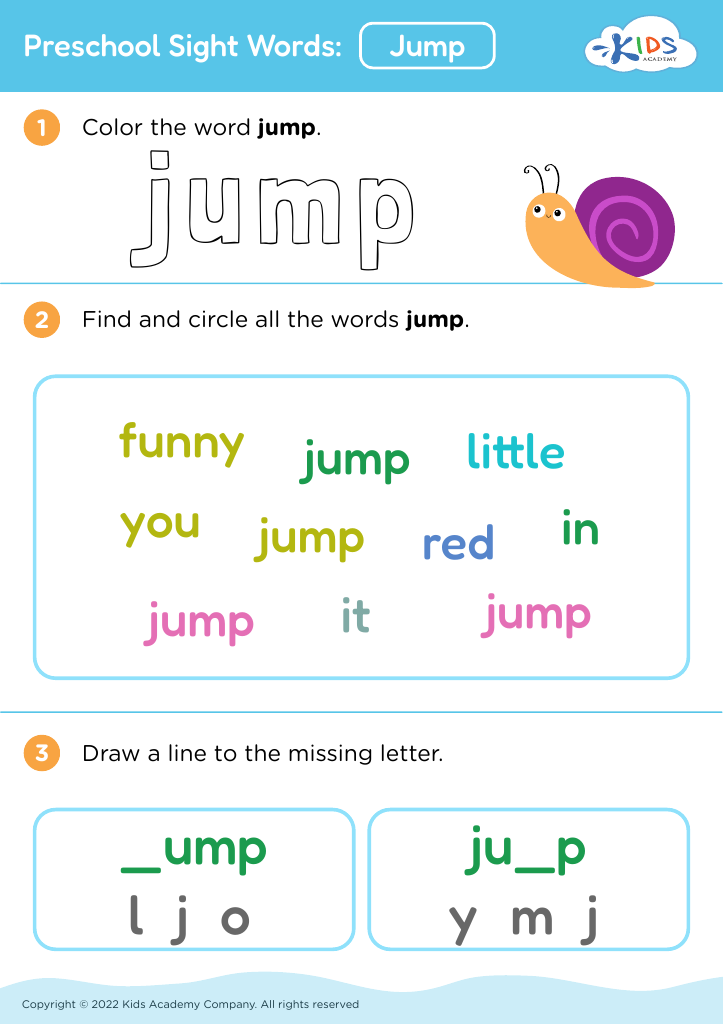
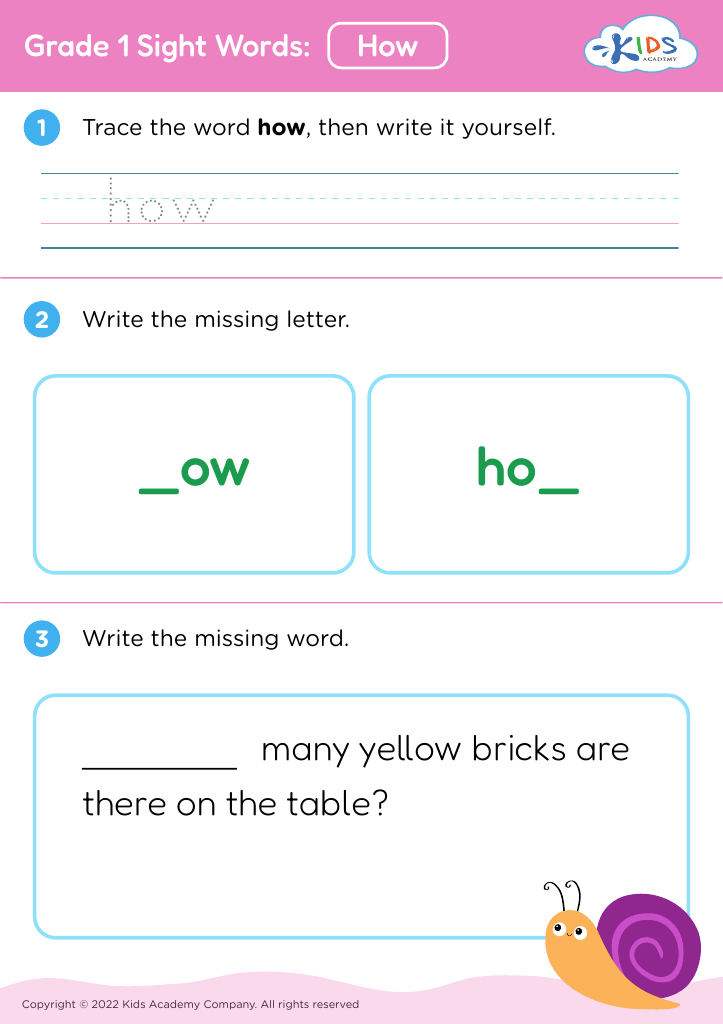
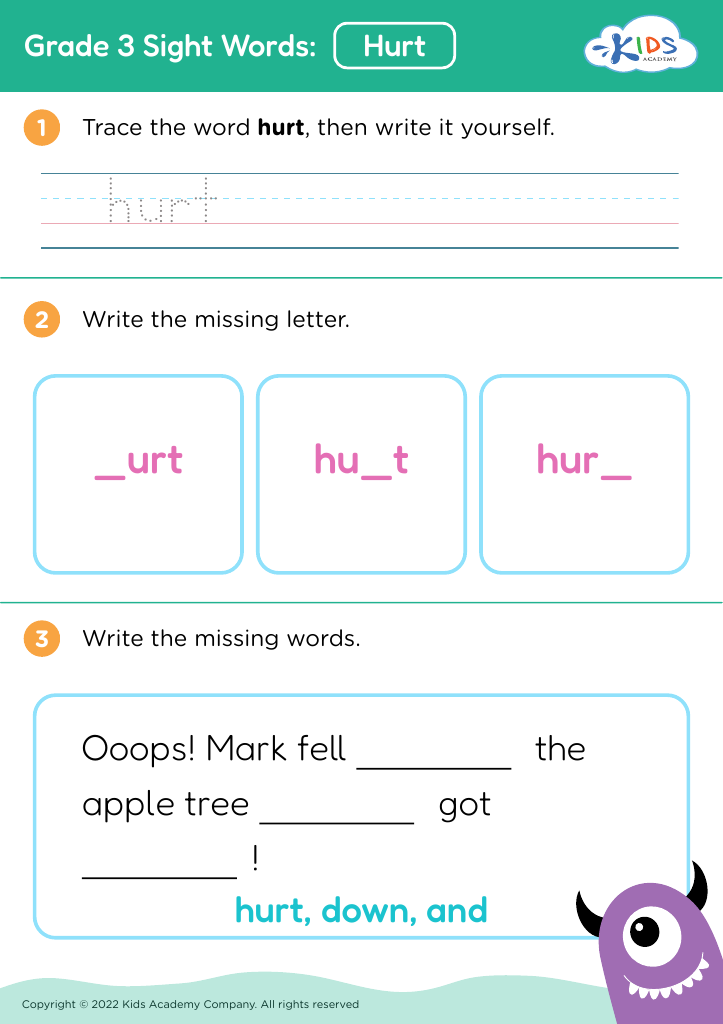
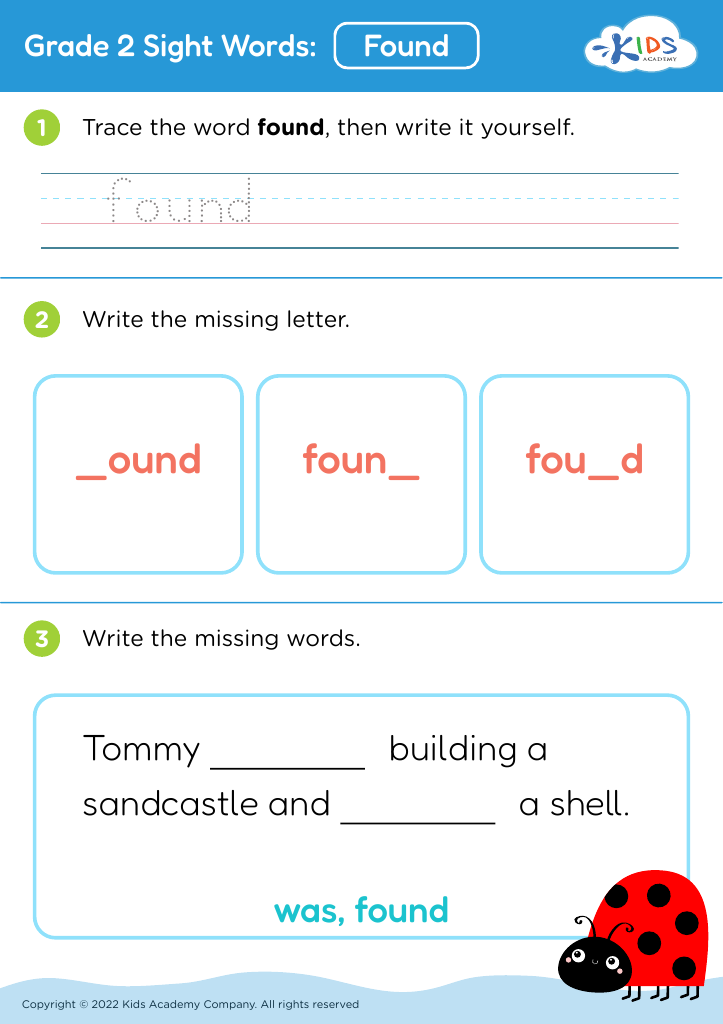







Fine motor skills are essential for children aged 3-9 as they are foundational to their overall development and future academic success. These skills involve the coordination of small muscles in the hands and fingers, enabling children to perform crucial tasks like writing, buttoning clothes, and using scissors. For parents and teachers, paying attention to the development of fine motor skills helps in several ways.
First, enhancing fine motor skills leads to improved self-care abilities, fostering independence and confidence in children. Simple activities like tying shoelaces or opening lunch boxes empower kids and reduce their reliance on adults, promoting autonomy.
Secondly, fine motor skills are closely linked to cognitive development. Activities like drawing, puzzles, and bead threading require critical thinking and problem-solving, which stimulate brain growth and cognitive skills necessary for academic learning. Improved fine motor skills also translate into better handwriting, a fundamental competency in early education that aids in learning and communication.
Finally, honing these skills informs aspects of emotional and social development. Success in fine motor tasks builds self-esteem and patience. Collaborative activities that involve fine motor coordination can teach sharing, cooperation, and communication with peers.
Thus, parents and teachers should prioritize fine motor skill development during these formative years to lay the groundwork for future success and holistic development.








