Geographic knowledge Worksheets for Ages 3-9
5 filtered results
-
From - To
Discover our engaging Geographic Knowledge Worksheets for children aged 3-9, designed to spark curiosity about the world around them! These worksheets introduce early learners to essential concepts such as maps, continents, and famous landmarks in a fun and interactive way. Each activity encourages critical thinking and helps develop observation skills while reinforcing geographical vocabulary. Tailored for young minds, our resources promote a love for exploration and learning about different cultures and environments. Whether at home or in the classroom, these worksheets provide a perfect opportunity for children to expand their geographic awareness and knowledge through playful and educational activities.
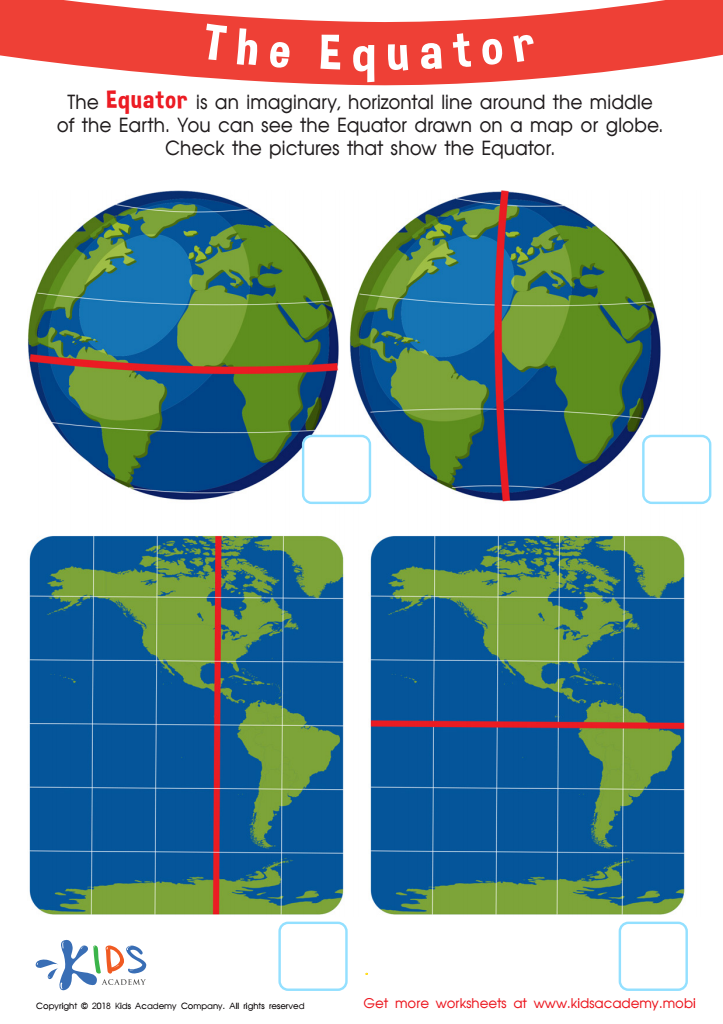
The Equator Worksheet
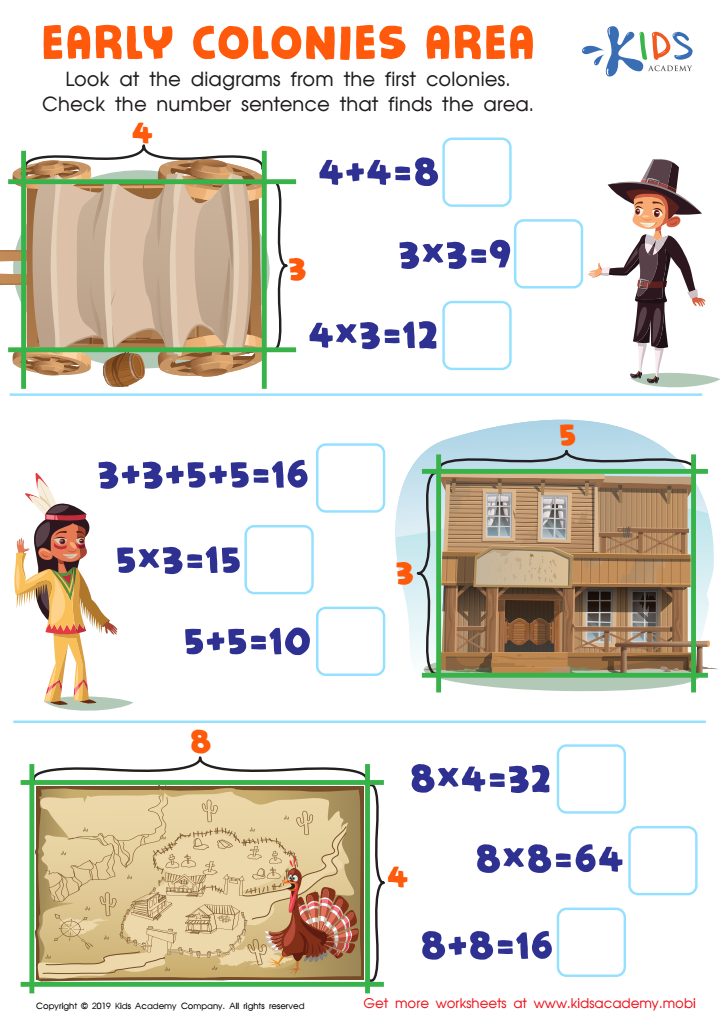
Early Colonies Area Worksheet
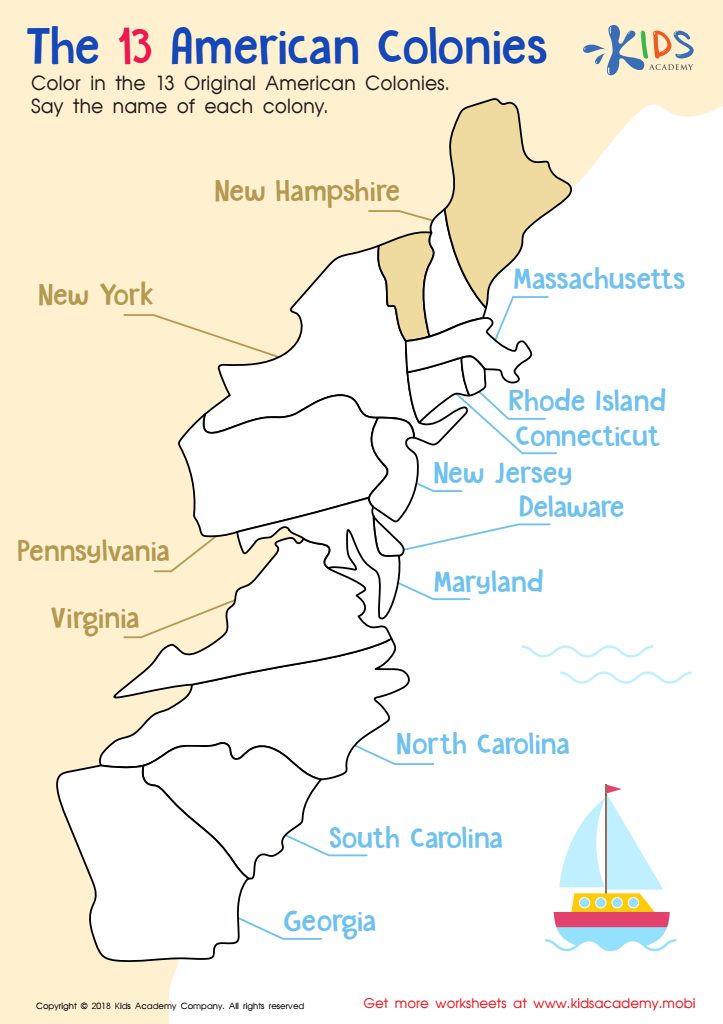
The 13 American Colonies Worksheet
 Assign to My Students
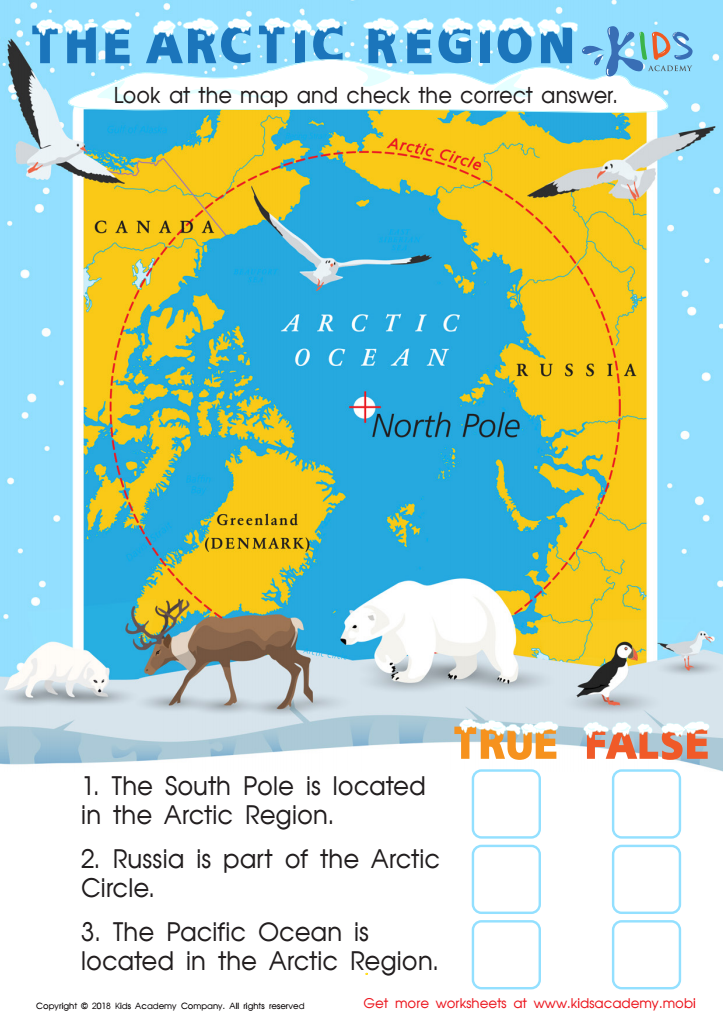
The Arctic Region Worksheet
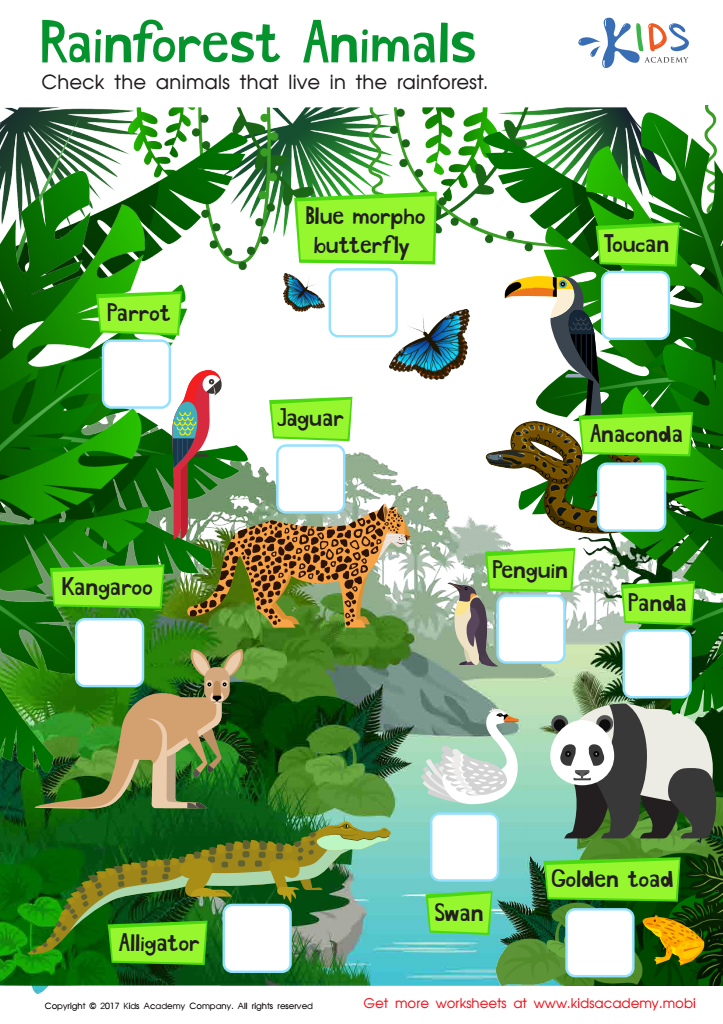
Rainforest Animals Worksheet




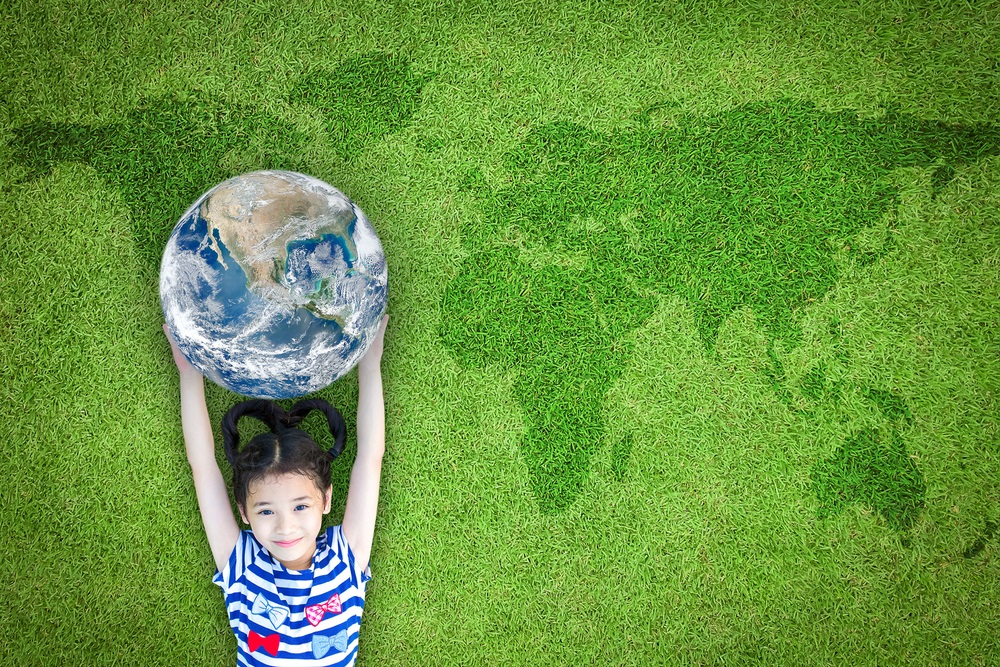
Geographic knowledge is essential for children aged 3-9 as it lays the foundation for their understanding of the world around them. At this stage, children are naturally curious about their environment and developing a sense of identity and belonging. Teaching them geography helps foster a sense of place, allowing them to understand where they live in relation to other communities, countries, and continents.
Moreover, geographic knowledge promotes critical thinking and problem-solving skills. Children learn to read maps, compare different regions, and comprehend concepts such as distance and direction. This not only enhances their cognitive abilities but also enriches their social studies and science education.
Understanding basic geography also cultivates global awareness and empathy from a young age. As children learn about different cultures, climates, and ecosystems, they develop respect and appreciation for diversity. This is crucial in promoting inclusiveness and interpersonal skills as they grow.
Lastly, early exposure to geography stimulates a lifelong interest in the environment, encouraging responsible citizenship, and environmental stewardship among young learners. By fostering early geographic education, parents and teachers equip children with the tools they need to become informed, compassionate participants in their local and global communities.








